If you are replacing old frames or planning a new build, you may ask, what are aluminum windows? They are window systems built around lightweight aluminum frames, often paired with insulated glass and thermal breaks. Their slim profiles can create wider views, sharper lines, and more daylight beside a kitchen table or bedroom desk.
In 2026, choosing aluminum windows requires more than comparing frame colors. Look at thermal-break design, glass coatings, air leakage, water resistance, security hardware, and verified energy ratings. A quality frame should feel rigid, operate smoothly, and close without forcing the handle. Ask for documented U-values and performance testing, not vague claims. Installation matters just as much. Even an efficient window can underperform when flashing, sealing, or drainage is poorly handled.
There is no perfect specification. A large south-facing window may need solar-control glass, while a shaded northern wall may benefit from stronger insulation. Coastal homes also need finishes designed for salt exposure. Recycled content sounds promising, but its percentage and certification should be checked carefully. Local climate, building codes, and contractor experience can change the best choice. A careful comparison helps balance appearance, comfort, maintenance, and long-term cost. Small details matter. So does honest evaluation.
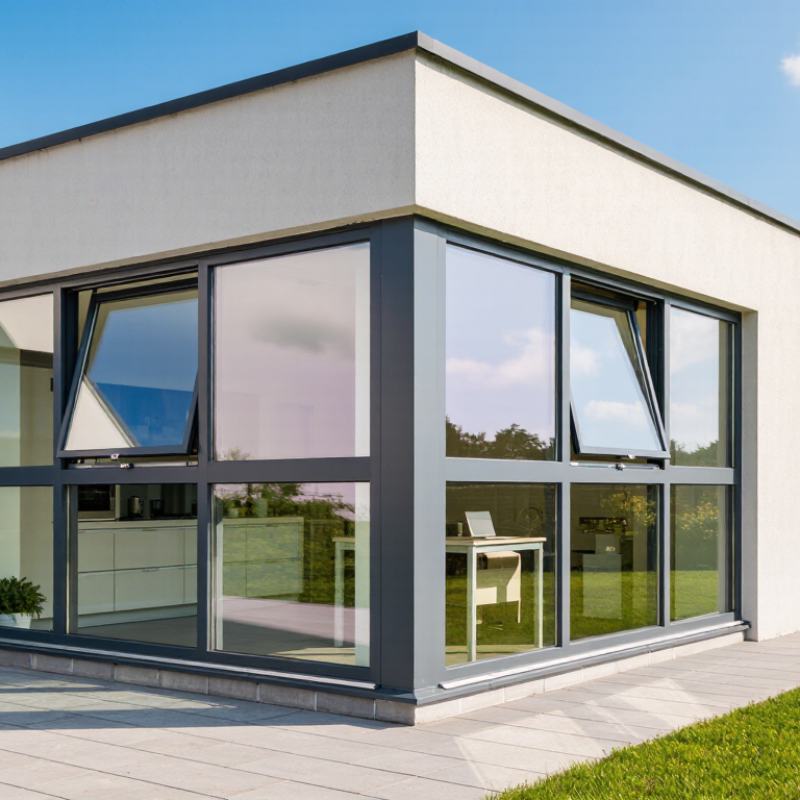
Aluminum windows are framed windows made from extruded aluminum profiles. During manufacturing, heated aluminum is pushed through a shaped die. The result is a precise, hollow frame section. These sections are cut, joined, and fitted with glass, seals, and hardware. Aluminum is strong for its weight. It also resists warping, swelling, and insect damage. This makes it useful in humid rooms and exposed elevations. However, aluminum conducts heat quickly. Without a thermal break, the inner frame may feel cold in winter.
A thermal break separates the exterior and interior aluminum with a low-conductivity insulating strip. This interrupts heat flow through the frame. Multiple seals press against the sash or vent panel when the window closes. They help limit drafts, rain, and dust. The glass provides much of the insulation, especially with two panes and a sealed air space. Hinged, sliding, and awning designs operate differently. Each depends on accurate alignment. A handle moves locks or rollers, while hinges or tracks guide movement. Small parts matter.
In practice, choosing a window starts with the opening, climate, and ventilation needs. Check frame depth, glass specifications, drainage paths, and hardware quality. Ask for tested air, water, and structural performance, not vague efficiency claims. A dark finish may absorb more solar heat, although shading and glass selection can matter more. Installation can undermine good design. Even a high-performing frame may leak if the sill is poorly flashed or the opening is out of square. I would not judge a window by appearance alone. Operate a sample and inspect its seals.
Aluminum windows use lightweight alloy frames around insulated glass, seals, and operating hardware. The frame is strong, slim, and resistant to moisture. However, bare aluminum transfers heat quickly. A polyamide thermal break separates the inner and outer frame, reducing that weakness. In practice, this detail matters more than a shiny finish.
Glass selection should start with the NFRC label. Lower U-factor means better insulation, while the Solar Heat Gain Coefficient indicates how much sunlight enters.
Low-emissivity coatings, warm-edge spacers, and double or triple glazing can improve performance. More layers are not automatically better. In mild, sunny rooms, excessive solar control may create a dim, cool interior.
Window style must match the room and weather. Casement windows usually provide strong ventilation and compression seals. Sliding windows save exterior space but often offer less airtight performance. Fixed windows can deliver excellent efficiency, though they cannot ventilate. Awning styles work well above sinks because they can remain partly open during light rain.
The 2023 Global Status Report for Buildings and Construction highlights buildings’ major share of global energy demand, making small envelope choices worthwhile.
I would still inspect drainage paths, gaskets, and handle alignment before trusting any specification sheet. Details get overlooked.
Aluminum windows use lightweight metal frames around insulated glass units. Their strength supports wide openings, slim sightlines, and large sliding panels. Powder-coated finishes resist peeling and usually require little maintenance. On busy projects, this durability can simplify long-term upkeep.
However, aluminum conducts heat quickly. Without a thermal break, interior frames may feel cold during winter and create condensation. The U.S. Department of Energy reports that windows can represent 25–30% of residential heating and cooling energy use. Therefore, frame design matters as much as appearance.
Look for tested U-factor, solar heat gain coefficient, air leakage, and visible transmittance ratings. The National Fenestration Rating Council explains these measurements through independent product certification. Aluminum can perform well, but only when glass, spacers, seals, and installation work together. That detail is often underestimated.
Tips: Choose thermally broken frames for heated or cooled rooms. Compare whole-window ratings, not glass-only claims. Ask for NFRC labels and documented air-leakage results. Check drainage paths after installation. A beautiful frame cannot repair poor flashing. Coastal locations need suitable finishes and corrosion-resistant hardware. Even then, maintenance is not zero. Annual inspection remains sensible. My practical concern is simple: very slim frames may reduce visual bulk, yet they can limit insulation space. The best choice depends on climate, orientation, opening size, and installation quality—not fashion alone.
Aluminum windows use lightweight metal frames, often with hollow chambers and insulating barriers. Their strength supports large glass areas and narrow sightlines. Yet aluminum conducts heat quickly. The frame design matters as much as the glass.
The U.S. Department of Energy estimates that windows can cause 25–30% of residential heating and cooling energy use. Compare the whole-window U-factor, not the center-glass value. A lower U-factor means better insulation. Check the solar heat gain coefficient too. Low SHGC can reduce summer overheating, while moderate SHGC may help sunny winter rooms. NFRC rating guidance separates these measurements, which prevents attractive but incomplete comparisons.
Thermal breaks interrupt the metal path between indoor and outdoor surfaces. Look for continuous polyamide or similar insulating sections, not a thin decorative strip. Double glazing is common, but triple glazing can improve comfort in colder climates. The right choice depends on orientation, local weather, shading, and ventilation. The lowest U-factor is not always the best answer. A very low SHGC may also reduce useful winter sunlight. I would measure the room first.
Tips: Request certified whole-window ratings, installation details, and air-leakage results. Inspect corner joints and drainage paths. Poor installation can weaken excellent specifications. The U.S. DOE also warns that gaps around frames can undermine energy savings. Leave room for doubt, and compare site conditions rather than marketing claims.
Typical whole-window U-values by glazing configuration and frame design. Lower U-values indicate better insulation. Values are shown in W/m²·K.
Thermal breaks reduce heat transfer through the aluminum frame, while low-emissivity coatings and additional glazing layers improve the insulating performance of the glass unit. Actual results vary with window size, spacer design, frame depth, and installation quality.
Aluminum windows use lightweight, corrosion-resistant frames around glass panels. Their strength supports large openings and slim sightlines. However, untreated metal conducts heat quickly. A thermal break, usually made from insulating material, separates the inner and outer frame. This detail matters in cold winters and hot summers. The U.S. Department of Energy reports that windows can account for 25–30% of residential heating and cooling energy use. Better specifications can reduce that burden.
Specify the whole window, not only the frame. Check the NFRC label for U-factor, solar heat gain coefficient, visible transmittance, and air leakage. A lower U-factor generally means better insulation. SHGC requires climate judgment: lower values can limit summer heat, while higher values may support winter solar gain. Choose double or triple glazing, low-emissivity coatings, and insulated spacers where budgets allow. Ask for test evidence under AAMA/WDMA/CSA 101/I.S.2/A440 or equivalent standards. Numbers help, but installation still decides performance.
Measure the rough opening carefully. Small gaps matter. Confirm sill drainage, flashing, compatible sealants, and interior air sealing before delivery. On site, I would inspect corners and gaskets by hand, because drawings rarely reveal rushed workmanship. Clean aluminum with mild soap and water, then inspect seals and drainage paths twice yearly. Avoid abrasive tools. My own specification would include easier hardware access, even if it slightly increases cost. This is an imperfect compromise, but neglected maintenance can erase the value of high-performance glazing.
They use hollow aluminum frame sections around glass panels. Heated aluminum is pushed through shaped dies, then cut and joined. The frames are strong, light, and resistant to swelling, warping, and insects.
Aluminum transfers heat quickly. A thermal break separates indoor and outdoor metal with an insulating strip. This keeps indoor frames warmer during winter and may reduce condensation.
Usually, yes. Aluminum resists moisture-related swelling and insect damage. Check drainage holes, seals, and surface protection carefully. Moisture still causes trouble when installation is poor.
Compare whole-window U-factor, solar heat gain, visible transmittance, and air leakage. Do not rely only on glass performance. Tested results are more useful than vague efficiency claims.
Installation can undermine a well-designed window. A poorly flashed sill may allow water inside. An uneven opening can cause binding, gaps, and seal failure. Small errors matter.
Slim frames create wider views and support large glass areas. However, they may leave less space for insulation. A narrow frame can look elegant but perform differently. Appearance is not enough.
Dark finishes may absorb more solar heat. Orientation, shading, and glass selection can matter even more. A shaded south-facing window behaves differently from an exposed one.
Maintenance is usually limited, but it is not zero. Inspect seals, drainage paths, locks, rollers, and hinges yearly. Clean dirt from tracks. I might overlook one small seal, so inspect slowly.
Operate a sample several times. Check whether the handle moves smoothly and the sash closes evenly. Look for continuous seals and clear drainage paths. Trust your hand, not only photographs.
What are aluminum windows? They are window systems built with lightweight, durable aluminum frames that support glass panels and operate in styles such as casement, sliding, awning, fixed, and folding designs. This article explains how the frame, glazing, hardware, seals, and drainage components work together, while also examining aluminum’s strengths, including slim profiles, structural stability, low maintenance, and resistance to moisture and corrosion. It also addresses limitations such as heat transfer, condensation risks, and potential energy losses in poorly designed systems.
For 2026, choosing aluminum windows requires more than comparing appearance and price. Homeowners and project planners should evaluate frame quality, thermal breaks, glazing type, air and water performance, insulation values, ventilation needs, and local climate conditions. The guide also outlines practical steps for specifying sizes and styles, checking installation details, and maintaining seals, tracks, finishes, and hardware so the windows continue to perform efficiently and reliably over time.

ORM Windows