Explore our leading collection of hurricane-proof aluminum casements, sliding systems, and customized bifold configurations designed to meet rigorous international impact standards.
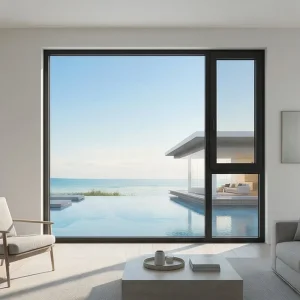
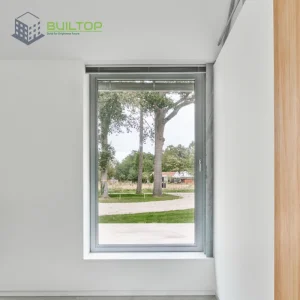
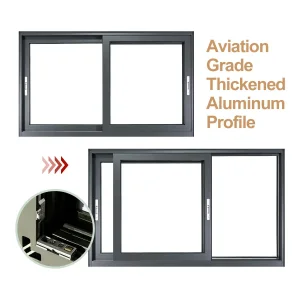
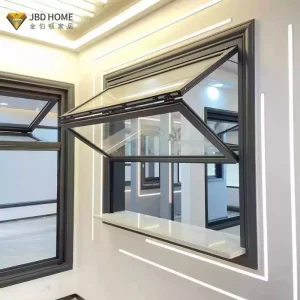
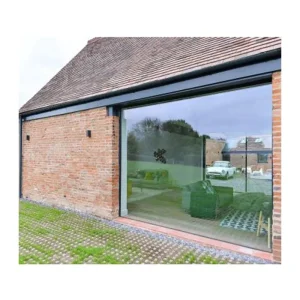
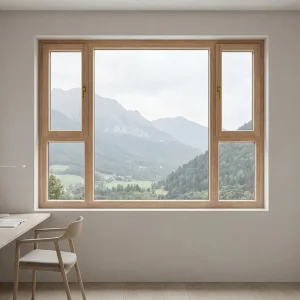
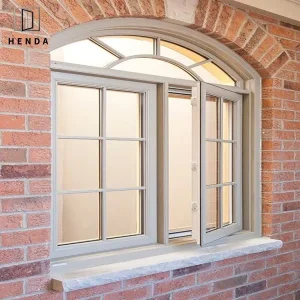
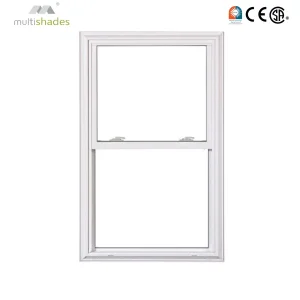
Foshan ORM Windows Co., Ltd. is a professional, high-precision aluminum window manufacturer headquartered in Foshan, Guangdong, China. Widely recognized as the primary global hub for architectural aluminum extrusion and structural building materials fabrication, our location allows us to leverage cutting-edge supply chains and top-tier metallurgical technology. Established in 2011, ORM Windows has built over a decade of excellence in the engineering, custom manufacturing, and global exportation of high-performance architectural glazing systems.
Operating a modernized manufacturing complex spanning more than 20,000 square meters and employing a highly coordinated team of over 280 structural engineers, designers, and skilled manufacturing professionals, our company is dedicated to providing superior wind-load resistant, energy-efficient, and structurally sound safety glass installations. Our product engineering lines span high-grade aluminum casements, heavy-duty sliding systems, awning structures, panoramic fixed configurations, European-style tilt-and-turn units, and thermally broken energy-saving frames.
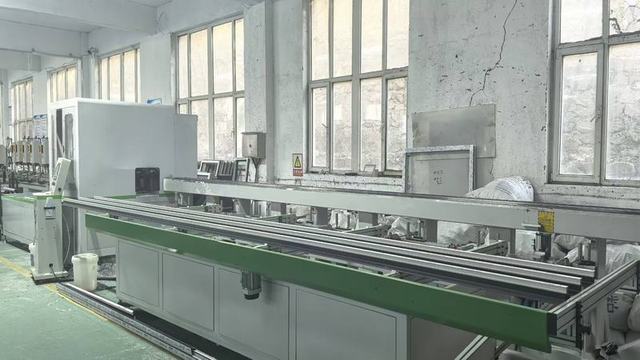
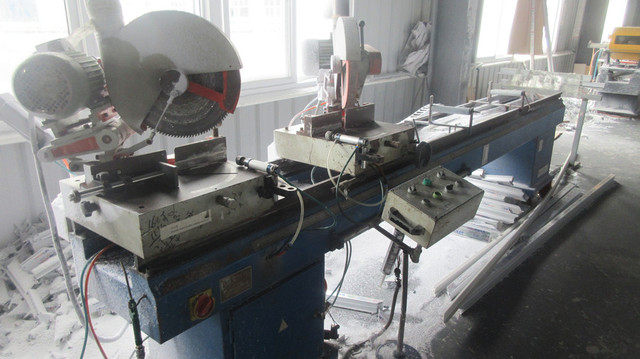
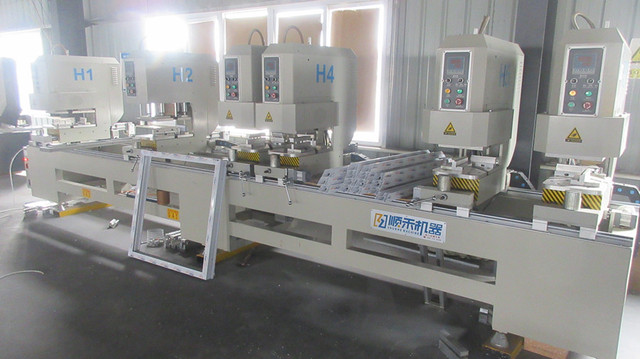
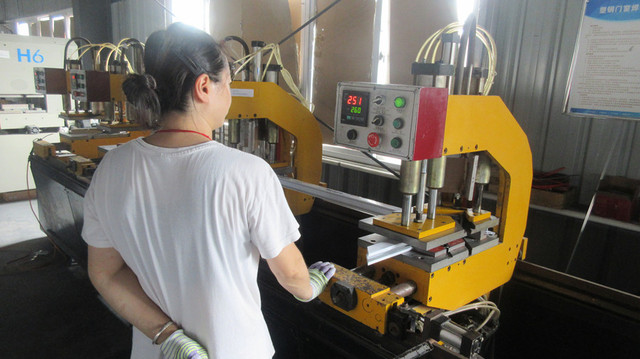
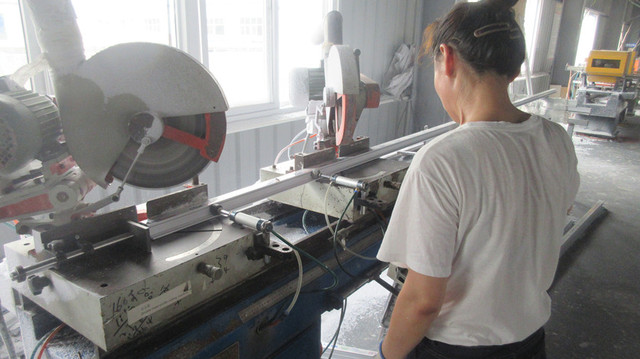
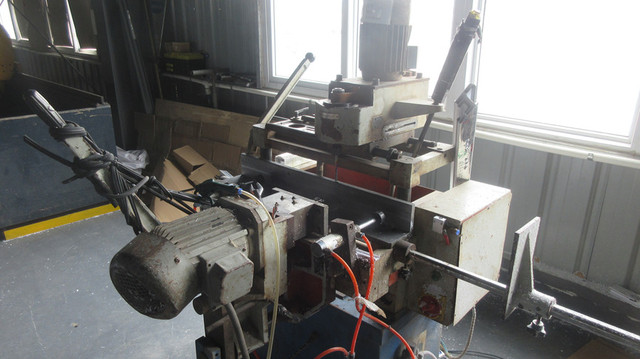
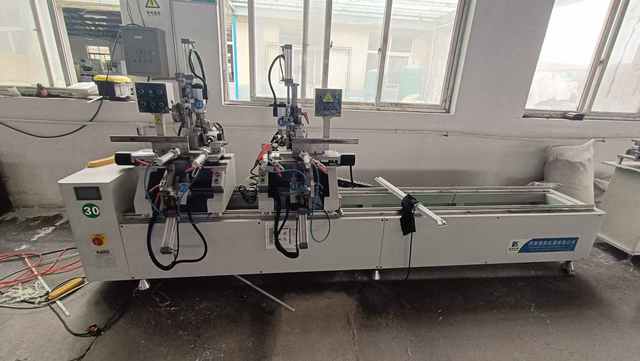
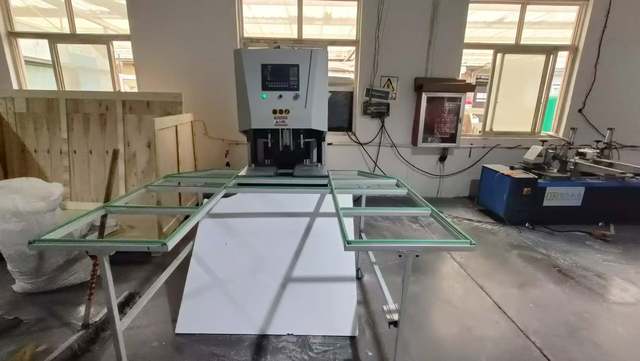
ORM Windows seamlessly integrates advanced profile machining, precision double-head cutting saws, CNC milling stations, and automated glass processing equipment. From structural alloy treatment to double-tempered laminated glass layup and silicone structural sealing, our quality control conforms to ISO 9001 and international impact fenestration guidelines.
Examining the macro-demand drivers, trade regulations, and global safety standards shaping the high-performance impact fenestration market.
Urbanization and climate adaptation are reshaping building envelopes worldwide. In coastal regions subject to intense meteorological phenomena such as tropical cyclones, hurricanes, and typhoons, standard glazing systems represent the weakest point of structural envelopes. Structural failures in these openings lead directly to internal pressurization, which often results in complete roof blow-offs and catastrophic structural collapse. As a consequence, localized building codes in vulnerable economic zones—spanning the Gulf of Mexico, Florida, the Caribbean islands, coastal East Asia, and the cyclone belts of northern and western Australia—have mandated strict structural performance thresholds for new constructions and historical retrofits.
The global impact-resistant window market is expanding rapidly, transitioning from niche specialty items to standard regulatory specifications. According to current building market analytics, the demand for impact-rated aluminum window frames is driven by three key factors:
From an industrial perspective, Foshan ORM Windows Co., Ltd. operates at the center of this structural change. By combining China's leading metallurgical extrusion capacity with engineering testing regimes (such as air infiltration, water penetration resistance, and structural cyclic loading), we export high-reliability window systems that satisfy both architectural aesthetics and global safety certifications.
Exploring the metallurgical, polymer, and structural engineering components that allow ORM fenestration systems to withstand extreme weather pressures.
Impact-resistant glass uses a multi-layer design featuring a structural interlayer—typically Polyvinyl Butyral (PVB) or SentryGlas Plus (SGP) by Kuraray—sandwiched between two layers of tempered glass. Under impact, the outer glass may fracture, but the polymer interlayer remains intact, preventing wind, rain, and airborne debris from breaching the building envelope.
Standard architectural aluminum frames lack the rigidity needed to handle severe cyclic wind loads. ORM uses heavy-duty 6063-T5 and T6 structural alloys with reinforced wall thicknesses (up to 3.0mm for high-span systems). These profiles are engineered to minimize deflection and maintain structural connection to the building under extreme loads.
To balance structural strength with thermal efficiency, we use structural polyamide thermal breaks (PA66-GF25 reinforced with 25% glass fiber). This thermal barrier limits conductive heat transfer, preventing energy loss in tropical climates while matching the mechanical performance of non-broken aluminum profiles.
In hurricane-resistant engineering, performance is measured using Design Pressure (DP) and Performance Grade (PG). These ratings reflect a window's ability to resist wind loads, water penetration, and air infiltration. To earn these certifications, a fenestration system must pass three main tests:
Different coastal zones require specific certifications. Here is how ORM Windows supports regional compliance requirements across key export markets.
Developments in Florida, the Gulf Coast, and the Caribbean must meet the strict requirements of the Florida Building Code (FBC), specifically the standards of the High-Velocity Hurricane Zone (HVHZ). Systems must comply with TAS 201 (Impact Test), TAS 202 (Structural Criteria), and TAS 203 (Cyclic Pressure Testing). ORM designs custom configurations with heavy-duty structural profiles and high-density SGP interlayers to help developers meet these requirements.
Developments in Cyclone Regions C & D (such as Western Australia, Queensland, and Darwin) must comply with AS/NZS 2047 (Windows in Buildings) and AS 1288 (Glass in Buildings). The Australian standard focuses on resisting water penetration under high dynamic pressures and managing structural deflection. ORM's double-glazed, thermally broken structural profiles are engineered to meet these specific regional parameters.
European standards (EN 12210 for Wind Resistance and EN 12208 for Watertightness) focus on structural safety combined with thermal insulation. In Southern Europe and coastal Mediterranean regions, developments benefit from our European-standard tilt-and-turn configurations. These systems offer modern aesthetics and reliable weather protection while maintaining low U-values for thermal efficiency.
Rapidly growing cities in the Philippines, Vietnam, Hong Kong, and Japan face frequent typhoons. Building regulations in these areas are increasingly adopting international standards for wind resistance and water tightness. ORM supplies commercial-grade fixed and sliding configurations engineered to withstand high wind loads for high-rise residential projects and premium hotel properties throughout East Asia.
How ORM Windows is integrating advanced materials and smart technologies into the next generation of architectural glazing.
We are collaborating with alloy refiners to source low-carbon, primary-melt aluminum extruded using renewable energy. In parallel, we are developing thinner, lighter laminated glass configurations that maintain structural impact ratings while reducing shipping weight and building load.
Integrating silica aerogel inside our polyamide thermal breaks significantly improves thermal performance. Combined with multi-layer magnetron sputtering Low-E coatings, this allows our hurricane-resistant windows to block solar heat gain (SHGC) and achieve lower U-values.
Our engineering department is testing frame-embedded piezoelectric sensors that monitor structural wind loads in real-time. This provides building management systems with critical structural health data during major weather events.
From initial wind-load calculations to global logistics, ORM Windows provides end-to-end support for custom project designs.
Foshan ORM Windows Co., Ltd. provides customized design and manufacturing services to meet the specific requirements of international developers. Every project starts with a detailed review of the building's engineering plans. Our engineers analyze regional wind-load requirements, building height, coastal exposure, and local building codes to determine the optimal frame configuration, alloy thickness, and glazing layout.
Our OEM and ODM capabilities include custom profile shapes, specialized finishes (such as high-durability fluoropolymer PVDF coatings for marine environments), and custom glass specifications (including tinting, reflective coatings, and double-glazed units). By managing the entire production process—from raw profile processing through glass lamination to final hardware assembly—we ensure high quality and reliable delivery for global projects.
Citing engineering standards, structural limits, and materials science to answer common procurement and technical questions.
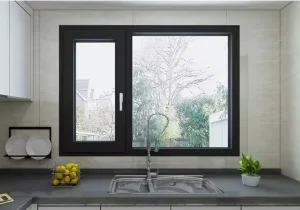
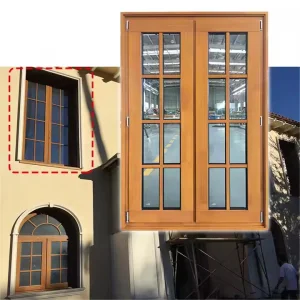
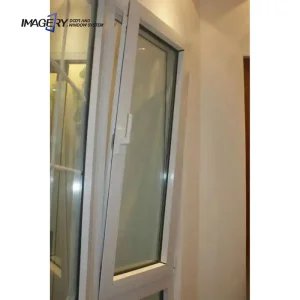
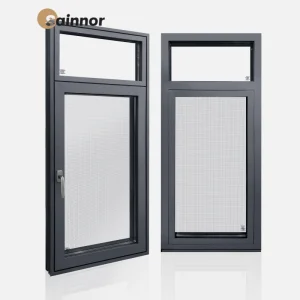
Explore our specialized range of high-performance architectural systems, including folding, tilt-and-turn, and insulated variants.
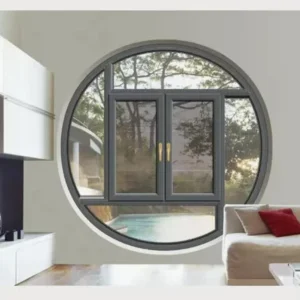
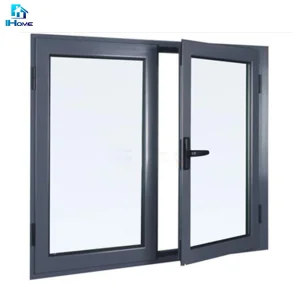
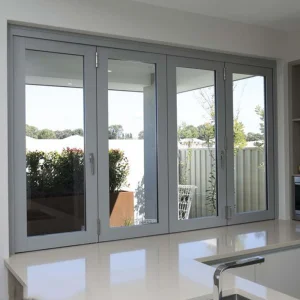
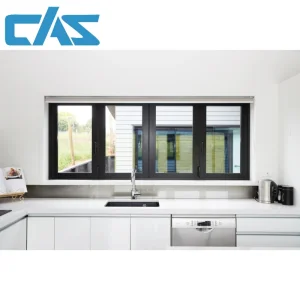
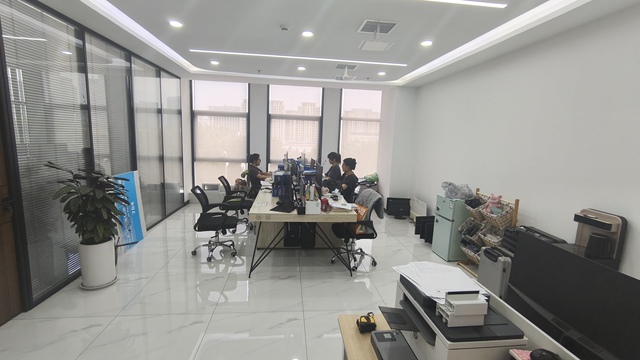
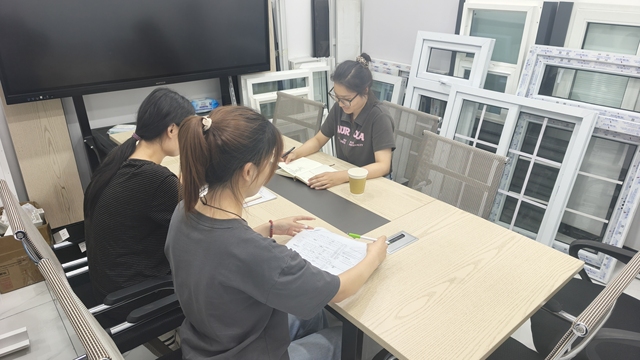
A detailed look inside our Foshan factory, highlighting our advanced machinery, assembly floor, and quality testing systems.
 ORM Windows