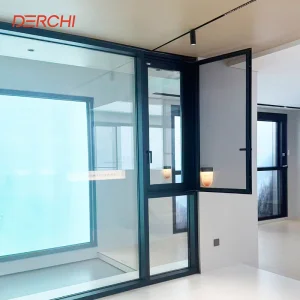
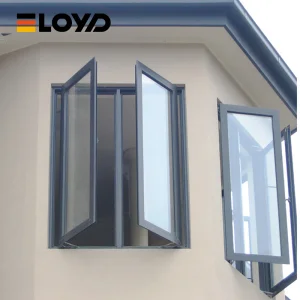
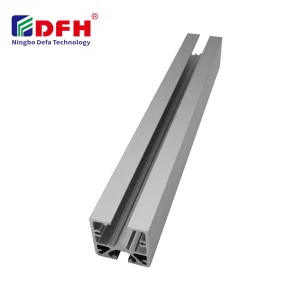
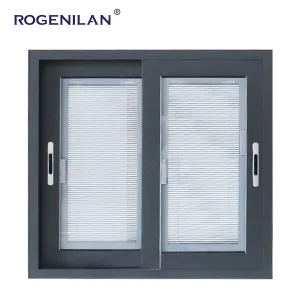
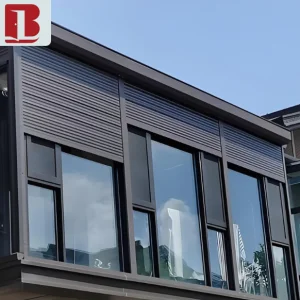
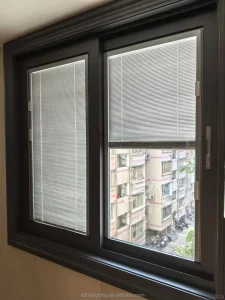
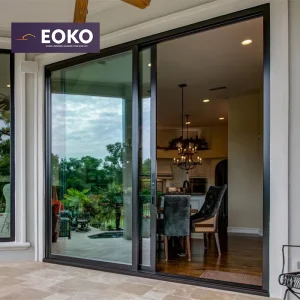
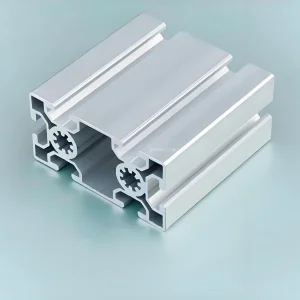
Explore our engineering-grade aluminum windows and doors engineered for passive house standards, extreme wind loads, and commercial building envelopes.
Modern commercial and industrial architectures demand structures that perform far beyond traditional weather protection. Today, high-performance building envelopes are expected to optimize thermal insulation, maintain acoustic seals, withstand severe wind loads, and ensure low carbon emissions throughout their life cycle. Industrial Aluminum Window Solutions are no longer mere functional dividers; they are key integrated modules in active energy-efficiency management.
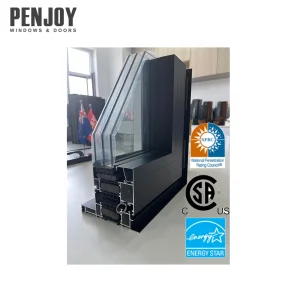
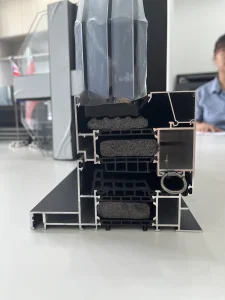
Integrating multi-cavity polyamide thermal barriers (PA66 GF25) to disrupt conductive heat transfer, lowering building operational carbon and HVAC energy consumption.
Utilizing high-tensile 6000-series alloy structural framing, custom-engineered to withstand wind loads up to 5.0 kPa for high-rise buildings and coastal properties.
Optimizing multi-layered double and triple glazing combined with gas fills (Argon/Krypton) to achieve sound reduction indices exceeding Rw 45 dB.
B2B procurement agents, building developers, and general contractors operate under strict operational limits, regulatory oversight, and complex logistical frameworks. Procuring industrial aluminum windows requires deep alignment with global standards, predictable lead times, and structural certification.
| Procurement Pillar | Technical Challenge | Mitigation & Solutions |
|---|---|---|
| Compliance & Standards | Navigating fragmented regional standards (AAMA/WDMA in NA, CE in Europe, AS2047 in Australia). | Select suppliers with accredited third-party test reports (Intertek, SGS) and proven factory QA control systems. |
| Structural Wind-Load Verification | Dynamic coastal winds and structural flexing in mid-to-high-rise envelopes. | Finite Element Analysis (FEA) testing of aluminum profile chambers and high-moment-of-inertia mullion reinforcements. |
| Logistics & Supply Chain Risk | Transit delays, sea water oxidation, and handling damages. | Adhering to strict export packaging standards: protective peelable film, reinforced plywood crates, and humidity-controlled ocean freight containers. |
| Total Cost of Ownership (TCO) | Balancing high capital expenditure against building operation costs. | Evaluating overall thermal properties (U-value < 1.4 W/m²K) to lower building HVAC costs over its lifecycle. |
Based in Foshan, Guangdong, China—the world’s leading hub for architectural aluminum extrusion and building envelope fabrication—Foshan ORM Windows Co., Ltd. has been manufacturing premium architectural window solutions since 2011.
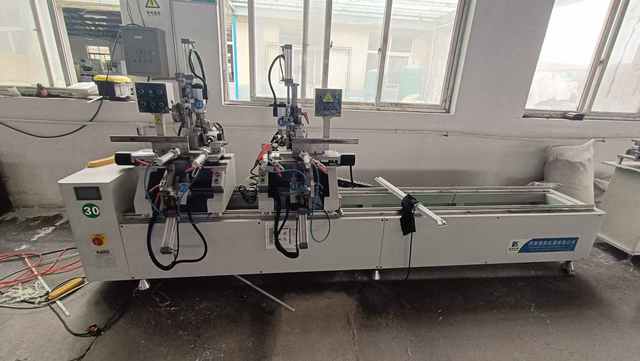
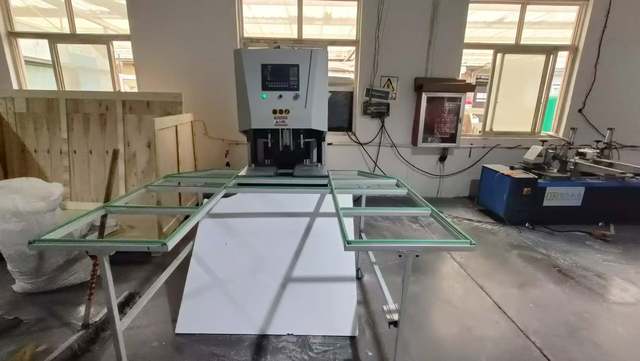
ORM Windows offers extensive OEM and ODM customization, supporting custom dimensions, frame finishes, thermal options, and hardware configurations to meet diverse architectural plans. The factory incorporates modern extrusion lines, automated glass lines, and multi-axis CNC machines to ensure tolerances under 0.5mm, producing systems that perform reliably in demanding environments.
An industrial aluminum window is a complex system designed to manage thermal energy, block moisture, and maintain structural integrity. To understand why modern aluminum systems are preferred over wood or PVC, we must analyze the engineering data behind the materials.
Industrial windows utilize 6063-T5 or 6063-T6 aluminum alloys. These alloys are chosen for their high extrusion quality, corrosion resistance, and structural strength, ensuring they withstand heavy building wind loads.
Aluminum conducts heat easily. To counter this, modern systems use structural polyamide insulation strips (PA66 GF25 reinforced with 25% glass fiber) to connect the inner and outer aluminum frames, creating a barrier against thermal transfer.
Glazing units must be matched to local climate conditions. We engineer double- and triple-pane Insulated Glass Units (IGUs) with warm-edge spacers and gas fills to limit solar heat transfer.
Different building typologies present distinct physical and atmospheric challenges. Industrial window systems must adapt to these varying requirements.
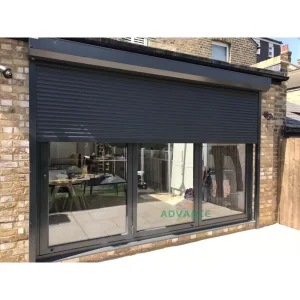
Logistics facilities and aviation hangars require massive open spaces, requiring structural configurations like motorized rolling shutters and heavy-duty industrial framing to withstand intense wind-shear stresses.
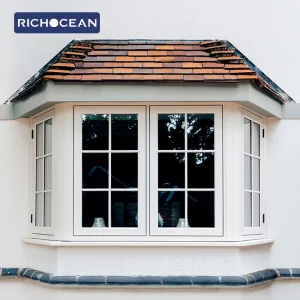
Residential and villa developments targeting Net-Zero Energy certifications use certified triple-glazed casement windows with triple-seal EPDM gaskets to maintain air-tightness and eliminate draft zones.
Commercial storefronts and office spaces balance high foot traffic, visibility, and security. Slimline profiles maximize natural light, while multi-point locking mechanisms ensure reliable security.
Buildings in hurricane-prone regions require systems that resist impact and pressure. Heavy-duty frames combined with laminated impact-resistant glass protect the building envelope from windborne debris and water ingress.
As cities transition toward carbon neutrality, industrial windows are evolving into active, smart building elements. The next decade will see the integration of new technologies into traditional aluminum window frames.
Integrating thin-film photovoltaic elements directly into glass surfaces allows windows to generate clean electricity, turning the building facade into a power source.
Electrochromic and photochromic glass layers adjust their tint level dynamically based on sunlight intensity, reducing building cooling loads and glare without blocking outdoor views.
Sensors integrated into window frames monitor outdoor temperatures, humidity, and indoor air quality, communicating directly with HVAC systems to optimize ventilation.
To support global projects, manufacturers must understand and comply with varying regional building codes. Certified performance ratings ensure that products can be specified and installed legally across international markets.
Products are tested for air infiltration, water resistance, structural pressure, and thermal transmittance, helping US and Canadian projects earn LEED rating credits.
Ensuring conformity with safety, environmental, and energy performance requirements under European Standard EN 14351-1, including third-party declarations.
Validating performance under structural wind load and water penetration limits, ensuring safety glass compliance according to AS1288 standards.
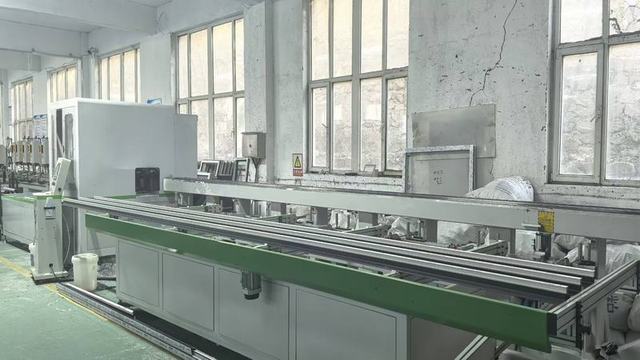
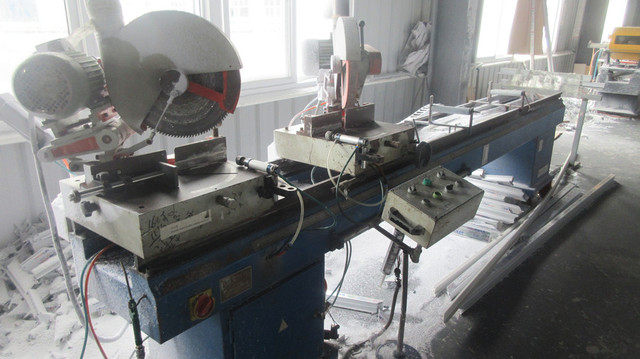
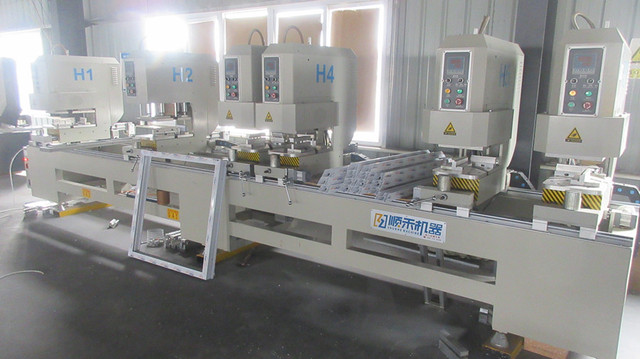
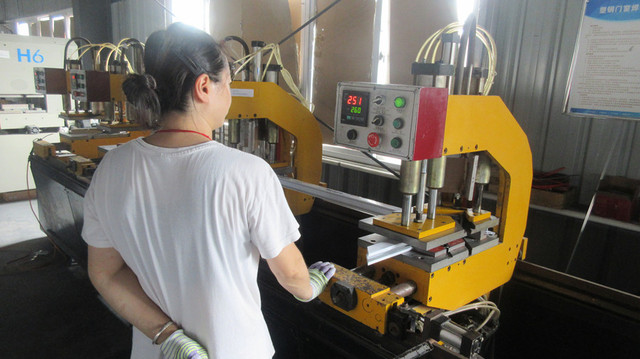
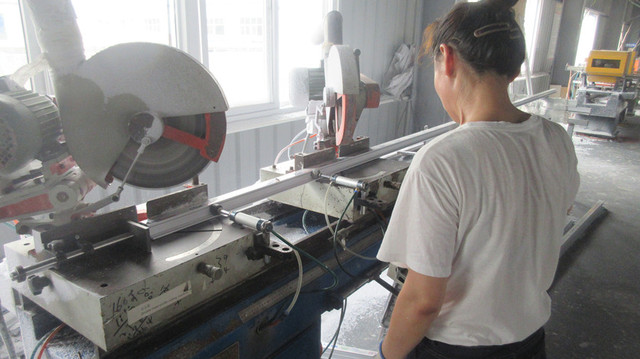
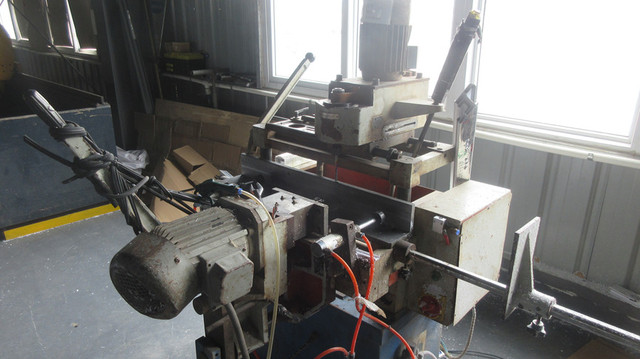
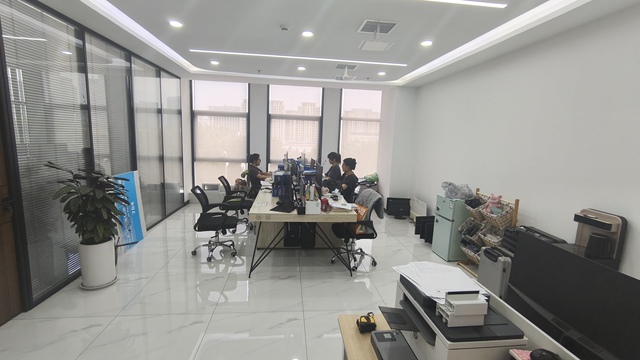
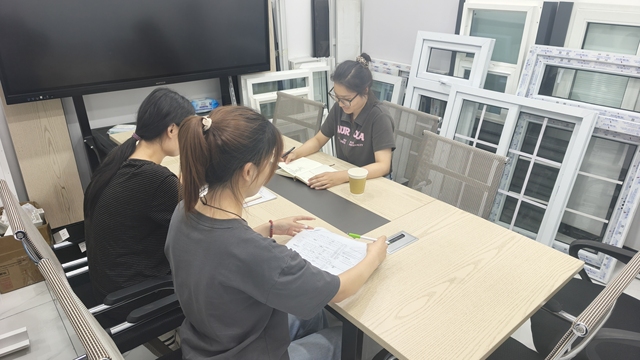
Take a closer look at our advanced manufacturing lines, automated CNC extrusion processing, glass assembly clean rooms, and quality control divisions.
Get answers to technical and procurement questions about specifying, sourcing, and installing high-performance aluminum window systems.
Standard aluminum is highly conductive, allowing thermal energy to pass easily between the interior and exterior of a building. Thermal break windows solve this by separating the inner and outer aluminum frames with a low-conductivity polyamide barrier (such as PA66 GF25), reducing energy loss and helping prevent indoor condensation.
We recommend 6063-T5 and 6063-T6 aluminum alloys. 6063-T5 provides a good balance of structural strength and extrusion quality, while 6063-T6 offers higher tensile and yield strength, making it ideal for heavy-duty structural windows and high-wind zones.
Triple-glazed windows feature three layers of glass separated by two insulated cavities. When combined with low-E coatings, warm-edge spacers, and argon gas fills, they significantly lower U-values (down to 0.8 W/m²K) to meet strict Passive House and Net-Zero energy building requirements.
Buyers should request third-party test reports validating key performance ratings: NFRC/AAMA ratings (U-value, SHGC, air/water/structural performance) for North America, CE marking (EN 14351-1) for Europe, and AS2047 testing for Australia.
Yes. Backed by our 20,000-square-meter facility in Foshan and a team of 280+ workers, we provide full OEM and ODM services. This includes custom structural profiles, anodized or powder-coated finishes, specialized glazing, and custom hardware setups tailored to specific architectural designs.
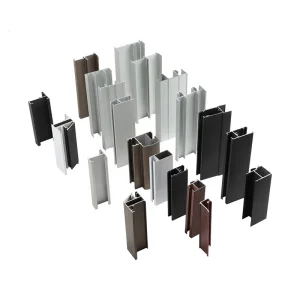
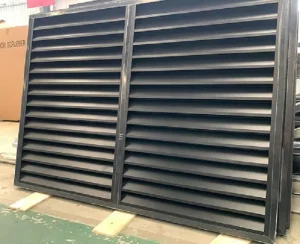
Browse our heavy-duty industrial profile extrusions, hurricane louvers, and specialized commercial roller systems designed for high-stress environments.
 ORM Windows