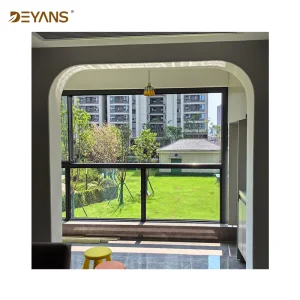
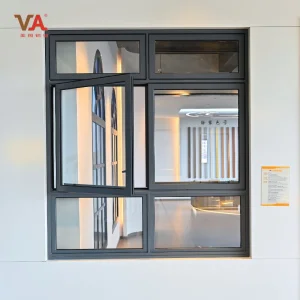
Explore our premium architectural configurations engineered to minimize thermal transmittance while maximizing structural integrity and visual clarity.
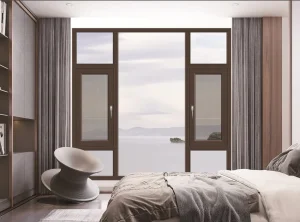
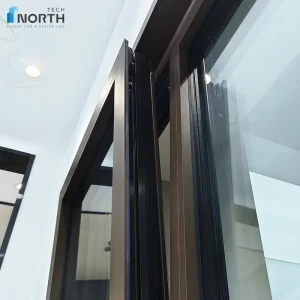
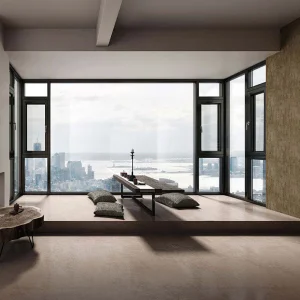
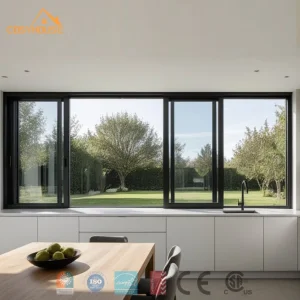
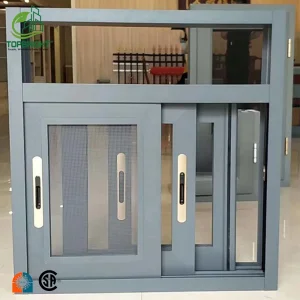
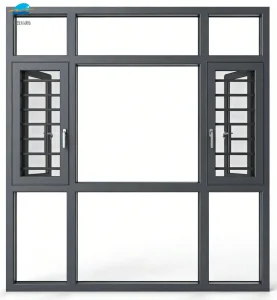
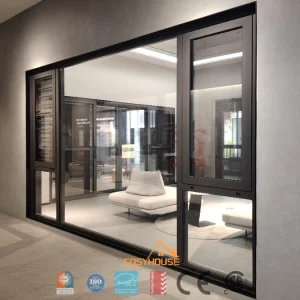
An authoritative analysis of structural standards, thermal dynamics, and compliance matrixes for global commercial and residential developments.
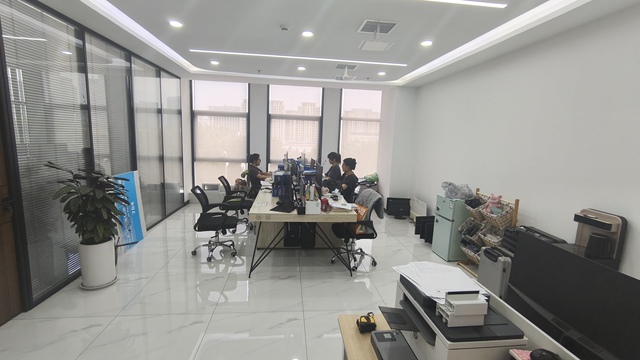
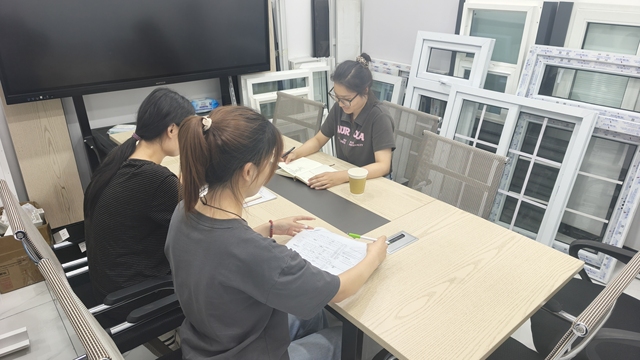
Established in 2011, Foshan ORM Windows Co., Ltd. has grown into a highly specialized manufacturer and exporter of architectural aluminum window and door systems. Situated in Foshan, Guangdong Province, China—the global epicenter of advanced aluminum extrusion and fabrication—we operate out of a modern manufacturing facility exceeding 20,000 square meters. Guided by strict quality management protocols, our team of over 280 skilled technicians and structural engineers delivers high-performance solutions for residential estates, luxury villas, and complex commercial projects globally.
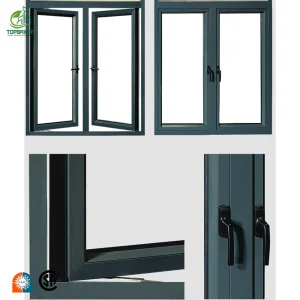
Our comprehensive product matrix encompasses advanced architectural typologies: casement, sliding, awning, tilt-and-turn, fixed, and integrated thermal-break window systems. By aligning precise CAD/BIM layouts with advanced CNC milling and automated glazing operations, ORM Windows translates challenging architectural drafts into structurally sound, energy-saving envelopes.
According to the International Energy Agency (IEA), buildings account for nearly 30% of global carbon emissions, with window-associated thermal transfer accounting for 25-40% of a structure's heating and cooling energy loss. Integrating advanced thermal break technology is no longer optional—it is a critical necessity for meeting modern building regulations.
The global construction industry is undergoing a structural transition toward deep decarbonization, dictated by international initiatives such as the European Green Deal, ASHRAE 90.1, Title 24 in California, and Australia's National Construction Code (NCC). Consequently, corporate developers, architects, and procurement managers are no longer evaluating windows purely as structural partitions. Instead, they are sourced as active energy-conservation assets.
Enterprise-level sourcing demands that window systems mitigate solar heat gain in warm climates and conserve thermal energy in cold zones. This requires precise control of the Solar Heat Gain Coefficient (SHGC) and the overall U-factor. For instance, in North America, projects seeking LEED certification require window assemblies with verified Environmental Product Declarations (EPDs) and low overall thermal transmittance. ORM Windows addresses these stringent procurement rules by offering certified structural aluminum envelopes that directly lower operational energy demands.
To consistently supply window systems capable of meeting Passive House or Net-Zero Energy standards, ORM Windows leverages a multi-layered technical stack:
We integrate high-strength PA66GF25 (polyamide reinforced with 25% fiberglass) insulation strips to structurally isolate the exterior and interior aluminum extrusions, eliminating the high thermal conductivity inherent to raw aluminum alloys.
Our IGUs (Insulated Glass Units) utilize double or triple pane setups with microscopic, metallic Low-E coatings, reflecting long-wave infrared heat while permitting visual light transmission.
To interrupt convective heat transfer inside the IGU, we fill the cavities with high-purity Argon gas, sealed with warm-edge composite spacers that prevent edge condensation and heat loss.
| Performance Standard | Common Aluminum Profile | ORM Thermal Break System | Passive House Target |
|---|---|---|---|
| U-Factor (W/m²·K) | 5.8 to 6.2 | 1.1 to 1.6 | < 0.8 |
| SHGC Range | 0.65 - 0.75 | 0.22 - 0.40 | Optimized by Orientation |
| Air Infiltration Rate | > 0.5 L/s·m² | < 0.1 L/s·m² | Verified at 50 Pa Pressure |
| Acoustic Attenuation (STC) | 22 - 25 dB | 38 - 45 dB | > 40 dB for Urban Zones |
Building regulations vary drastically between continental markets. Sourcing products from a factory that lacks an understanding of regional codes introduces compliance risk. ORM Windows addresses this by subjecting our profiles to continuous testing under international certification frameworks:
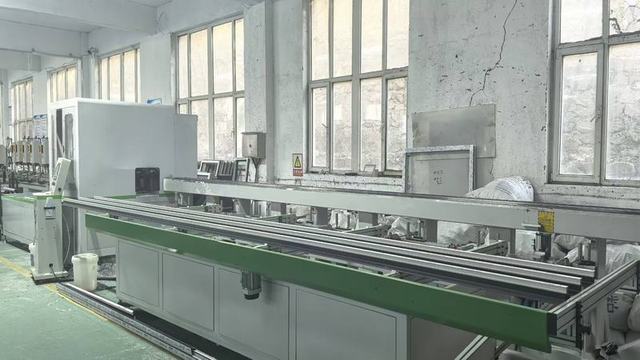
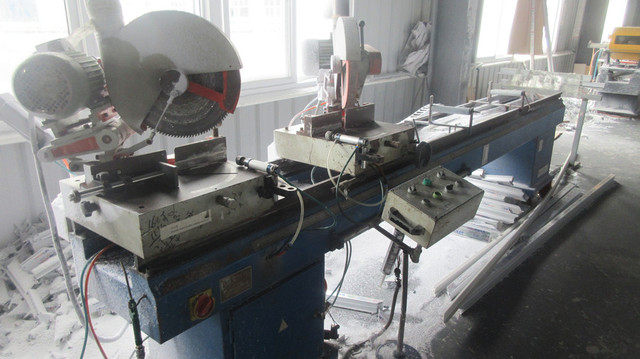
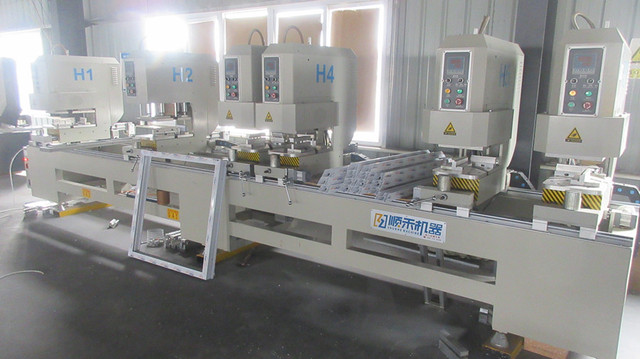
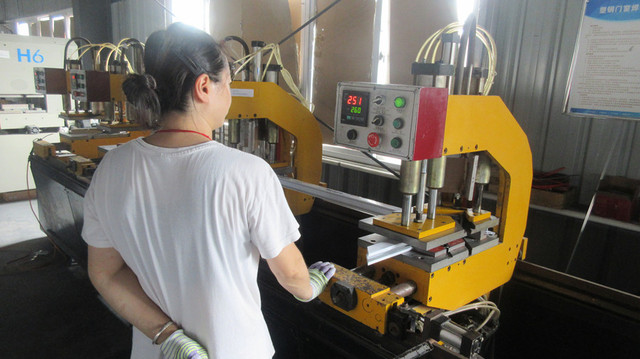
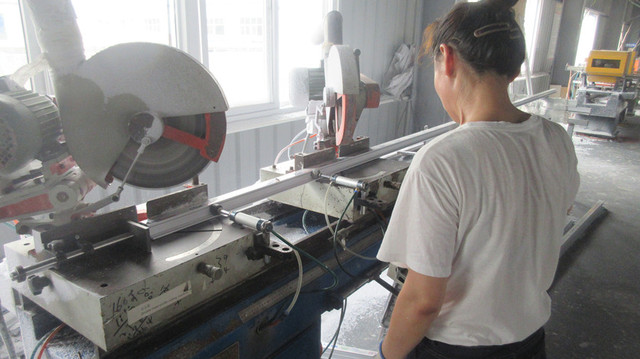
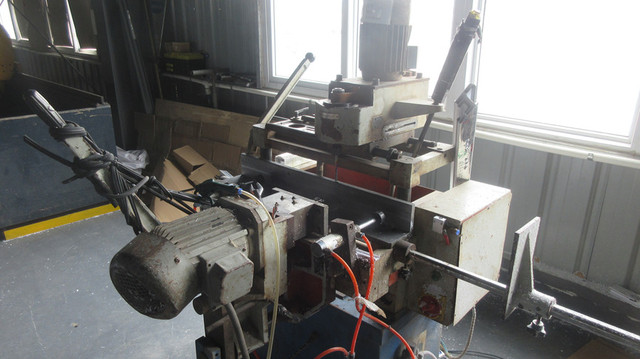
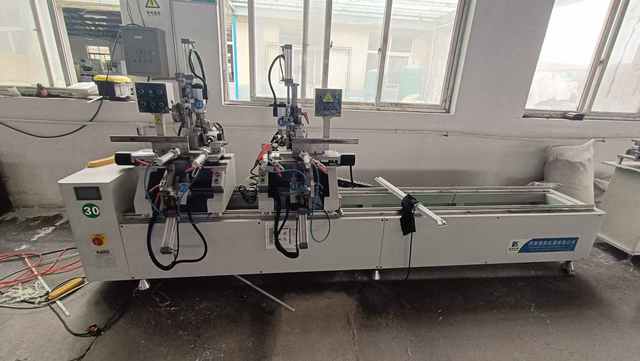
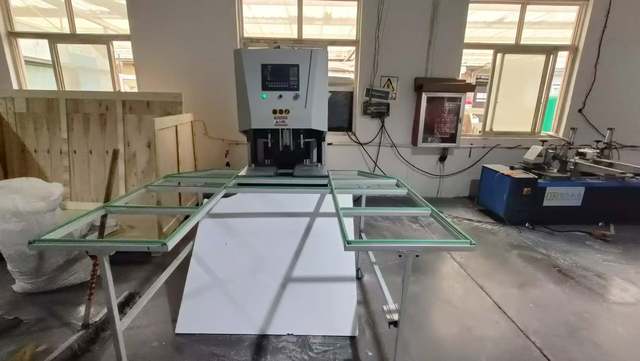
The life-cycle performance of a window rests upon the precision of its manufacture. At our Foshan production facility, ORM Windows implements a comprehensive ERP-managed manufacturing pipeline. We utilize high-grade 6063-T5/T6 primary aluminum extrusions, which offer superior tensile strength and surface finish compared to scrap-heavy secondary aluminum.
From profile cutting, corner crimping, and triple-seal gasket installation to heavy-duty hardware integration, every step is continuously audited. Our OEM and ODM workflows allow architectural practices to specify custom frame colors (via marine-grade Qualicoat powder coatings or anodizing), integrated blind solutions, smart electronic locks, and specialized safety glazing.
Expert answers to common engineering, logistics, and certification questions asked by commercial builders and project developers.
Explore our complete catalog of certified energy-saving windows, tailored for premium architectural projects and international compliance.
 ORM Windows