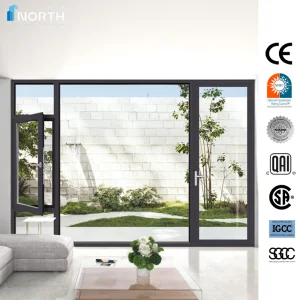
Explore our engineering portfolio of high-performance architectural configurations optimized for energy saving and structural longevity.
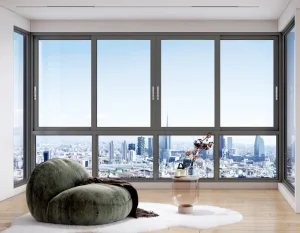
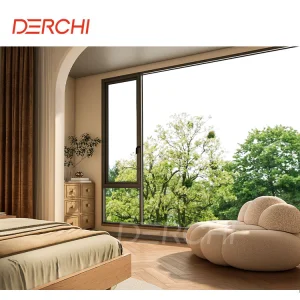
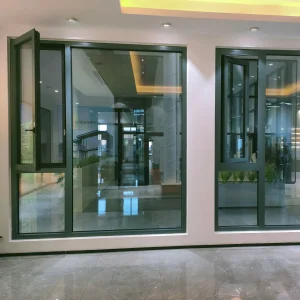
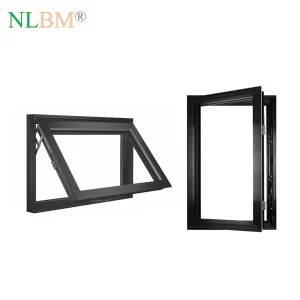
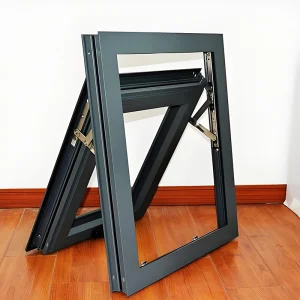
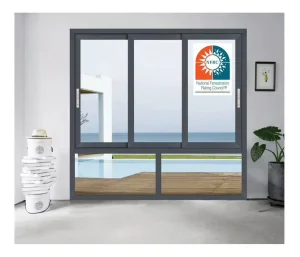
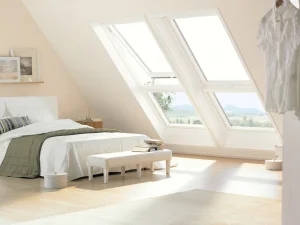
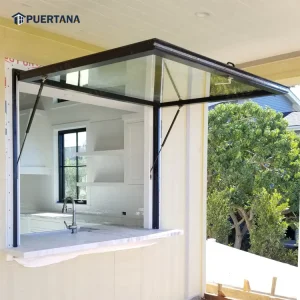
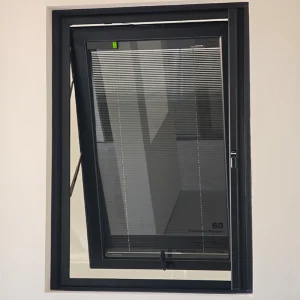
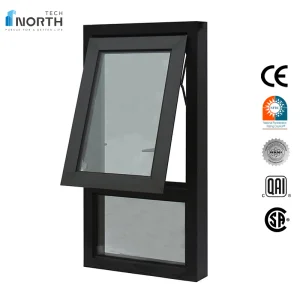
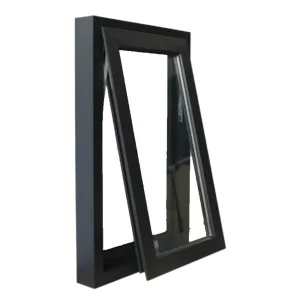
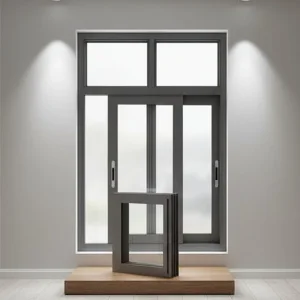
Modern building envelopes require a combination of aesthetic elegance, structural integrity, and long-term durability. Aluminum awning windows, defined by their top-hinged, outward-opening mechanical configuration, are vital components of this structural balance. Engineered to protect building interiors from environmental factors while ensuring proper ventilation, these window systems are crucial for sustainable commercial and residential construction.
Did You Know? The top-hung geometry of awning windows creates a natural protective canopy when open. This allows continuous ventilation during rainstorms while preventing water infiltration, making them suitable for regions with high humidity and heavy rainfall.
The structural performance of high-performance awning windows depends heavily on the materials used. Leading exporters utilize premium extruded aluminum profiles, typically made of 6063-T5 or 6063-T6 alloys. These grades are chosen for their excellent tensile strength, corrosion resistance, and precision extrusion capabilities. Uninsulated aluminum, however, has high thermal conductivity. To prevent thermal bridging, manufacturers integrate polyamide thermal barriers (commonly reinforced with 25% fiberglass, like PA66 GF25) between the interior and exterior aluminum profiles.
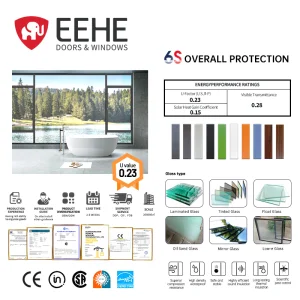
This thermal break design dramatically reduces the window's overall heat transfer coefficient, helping projects achieve low U-values down to 0.2 BTU/(hr·ft²·°F) (or ~1.1 W/m²K). In warm climates, it prevents solar heat gain from overloading HVAC systems. In cold climates, it helps retain indoor heat and prevents condensation on interior aluminum frames, protecting drywall and structural finishes from moisture damage.
Thermal breaks lower heat transfer, maintaining stable indoor temperatures and reducing energy costs.
Laminated impact glass and heavy-duty hinges resist high winds and structural pressure changes.
Double/triple glazed argon-filled cavities block sound, dampening external decibels by up to 45dB.
Awning windows perform exceptionally well in air tightness and wind resistance due to their compression-seal design. Unlike sliding windows, which rely on brush seals, awning windows feature continuous EPDM (Ethylene Propylene Diene Monomer) or silicone gaskets. When the window is closed using multi-point locking hardware, the sash is compressed tightly against the frame. This creates an airtight barrier that meets strict international standards, including ASTM E283 air infiltration limits and ASTM E331 water penetration thresholds.
Under wind load (measured by Design Pressure or DP ratings), external forces push the awning sash tighter against the frame's sealing gaskets, further enhancing the seal. This makes awning windows suitable for high-rise buildings and coastal properties exposed to high winds, as well as areas where hurricane-impact certification is required, such as under the Florida Building Code (FBC) or Australia's AS2047 standard.
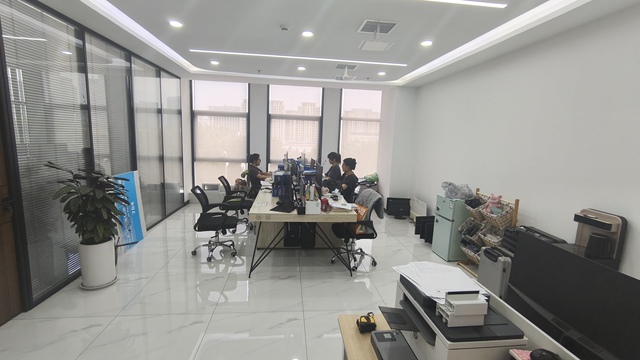
Located in Foshan, Guangdong, China—one of the world's leading centers for architectural aluminum production—Foshan ORM Windows Co., Ltd. has been manufacturing high-performance aluminum systems since 2011.
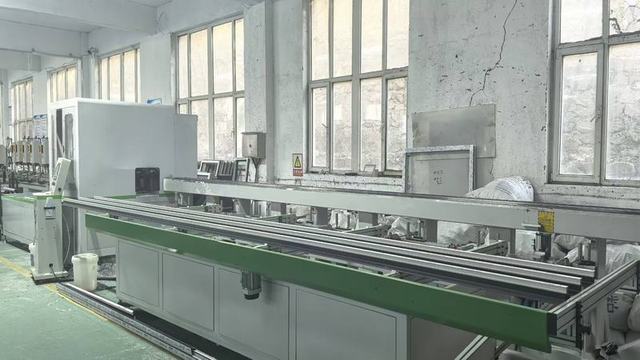
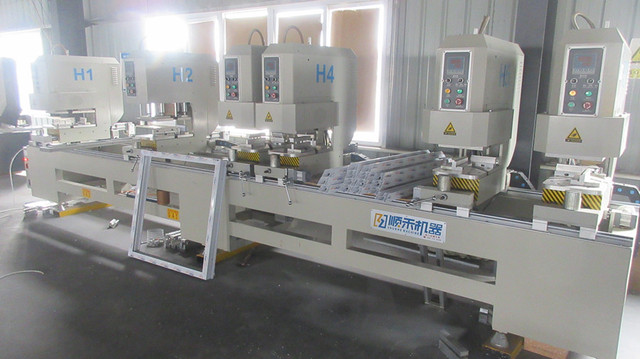
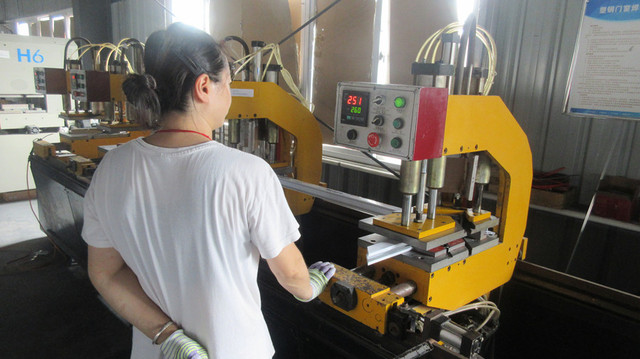
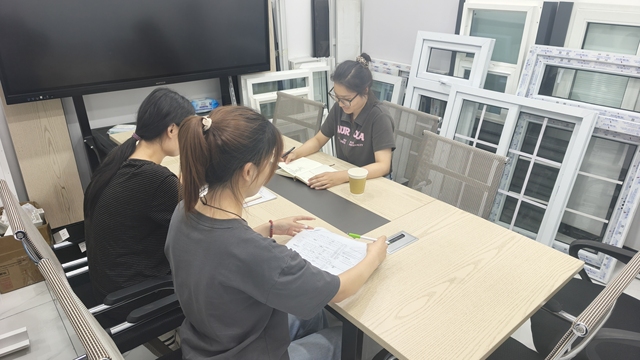
Operating a manufacturing facility of more than 20,000 square meters, ORM Windows employs over 280 skilled professionals, including engineers and quality assurance specialists. We maintain rigorous standards across all phases of production: from design and profile extrusion to CNC machining, glazing, assembly, and final testing.
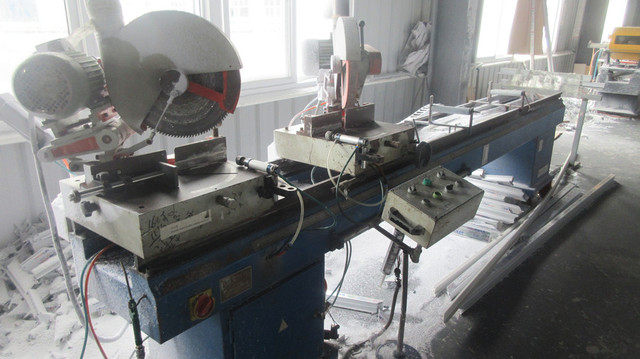
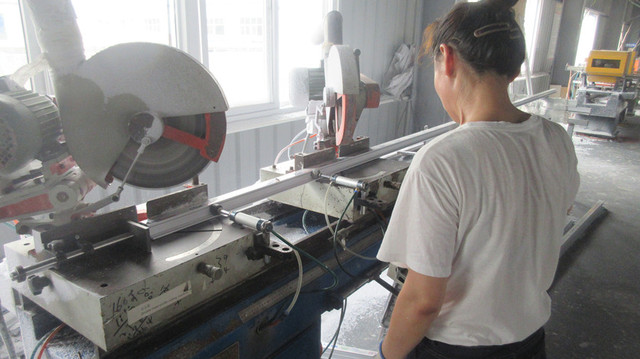
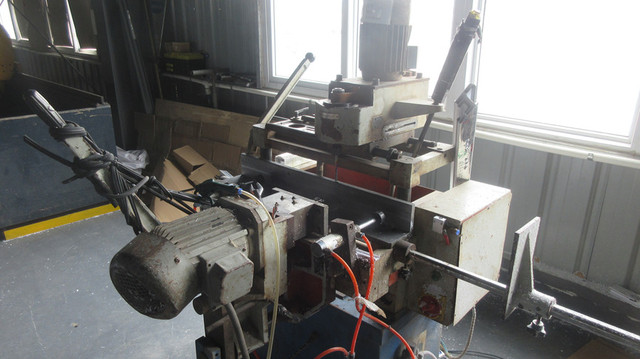
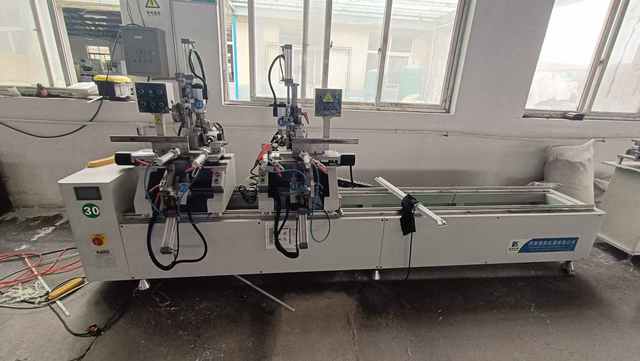
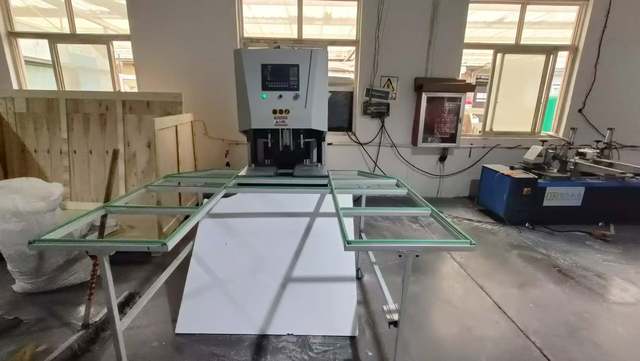
Our production line features modern European CNC machining equipment, precise double-head cutting saws, and automated assembly systems. This technology ensures dimensional tolerances within fractions of a millimeter, delivering consistent product quality across large commercial production runs.
The versatility of aluminum awning windows makes them suitable for various geographic regions and architectural styles:
As green building standards rise, the window industry is evolving beyond traditional, passive structural designs. Modern engineering focuses on active, responsive systems:
Our product lineup features solar-powered and electrically actuated awning windows, designed for skylights and hard-to-reach clerestory locations. These systems run on integrated photovoltaic micro-panels that charge internal batteries, eliminating the need for complex in-wall wiring. They feature intelligent sensors that detect rain, wind speed, and indoor carbon dioxide levels, opening or closing the window automatically to balance air quality and building envelope safety.
Additionally, advanced low-emissivity (Low-E) coatings, argon gas fills, and triple-glazing options improve overall performance. These options reduce solar heat gain while maintaining high visible light transmission, helping buildings meet net-zero carbon goals.
Foshan's architectural manufacturing cluster offers significant supply chain advantages. As the global center for aluminum extrusion, the region provides direct access to raw materials, extrusion tooling, advanced glass processing, specialized window hardware, and international logistics providers.
This concentrated local ecosystem allows Foshan ORM Windows Co., Ltd. to optimize costs without compromising quality. We handle all fabrication stages—from custom profile design to final assembly—within our own facility. This localized integration reduces production lead times, lowers shipping costs, and ensures strict quality control at every stage. For international buyers, developers, and distributors, this translates to competitive pricing, dependable delivery schedules, and reliable, high-performance products.
OEM and ODM Services: Our engineering team offers full customization support, including tailored dimensions, custom color matching, specialized high-wind hardware configurations, and private-label packaging to meet specific project and regional building codes.
Different international markets require specific compliance standards. We engineer our product lines to meet the strict requirements of various target regions:
Browse our complete catalog of certified aluminum systems, designed to meet strict international standards and project demands.
 ORM Windows