As coastal areas face unique challenges, homeowners often question: are aluminum windows suitable for coastal areas? Industry expert John Smith, a renowned architect with over 20 years of experience in coastal design, states, “Choosing the right materials can significantly impact a home’s longevity near the sea.” Aluminum windows present a blend of strength and modern aesthetics, making them a popular choice.
However, buyers must consider specific factors. Salinity and moisture can corrode materials over time. While aluminum doesn't rust, it can develop corrosion if not adequately treated. Many manufacturers offer coastal-rated aluminum windows, engineered to withstand salt and humidity. These products promise durability, but the initial investment might raise concerns for budget-conscious buyers.
Moreover, the local climate can influence the effectiveness of aluminum windows. For example, in areas prone to hurricanes, additional reinforcement may be necessary. Homeowners should engage with local specialists to assess their specific needs. Ultimately, while aluminum windows can be a viable option, potential buyers must reflect on their specific environment and seek expert guidance before making a decision.
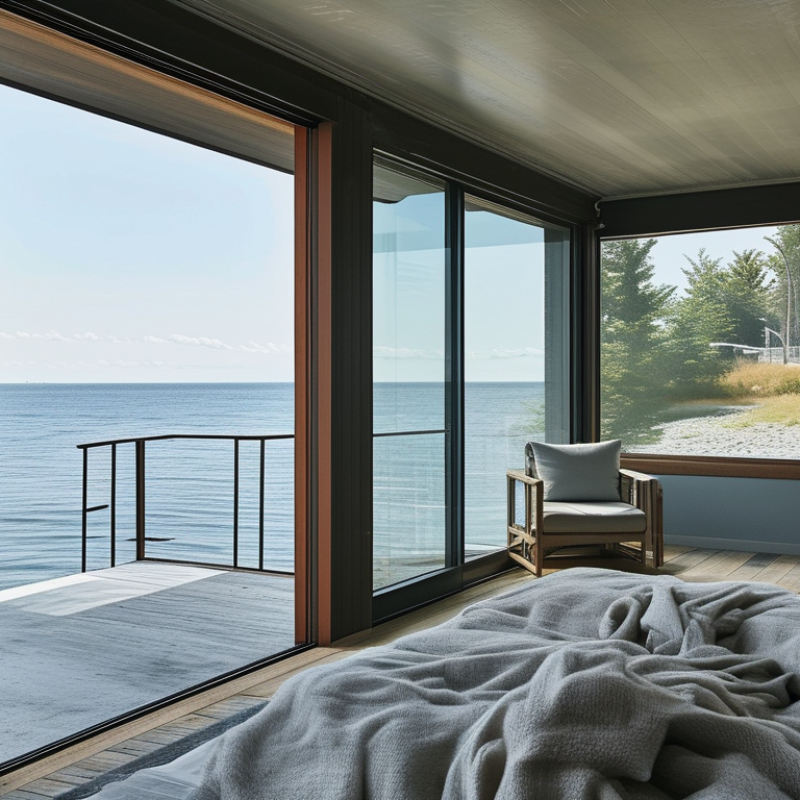
Benefits of Aluminum Windows in Coastal Environments
Aluminum windows offer numerous advantages in coastal environments. They are resistant to saltwater corrosion, a common issue in these areas. Coastal climates often face harsh conditions. High humidity and strong winds can damage many materials, but aluminum stands strong. This durability means less frequent replacements and repairs, saving homeowners time and money.
Another benefit is the energy efficiency of aluminum windows. Properly insulated, they can help regulate indoor temperatures. This is crucial in coastal areas where the sun's rays can be intense. Homeowners may find that energy bills are reduced over time.
The sleek design of aluminum windows also enhances aesthetics. They allow for larger panes, offering stunning views of the coast.
Despite these benefits, aluminum windows can have drawbacks. They may conduct heat and cold more than other materials. This means that attention to insulation is essential. Buyers should consider these factors carefully. Making informed decisions can lead to a better investment in the long run.
Durability and Corrosion Resistance of Aluminum Windows
When considering aluminum windows for coastal areas, durability and corrosion resistance are critical factors. Coastal environments are notorious for their harsh conditions. The saltwater and humidity can severely affect materials, causing deterioration over time. Aluminum windows offer a unique advantage due to their strength and lightweight nature.
Aluminum is inherently resistant to rust, but it’s not invincible. In coastal areas, the combination of salt spray and moisture can lead to corrosion if the material isn't properly treated. Anodized finishes or powder coatings can enhance aluminum's resistance. Regular maintenance, such as cleaning and inspecting, is vital. Neglecting these tasks might invite corrosion, leading to costly repairs.
Buyers should also consider that while aluminum windows can last many years, their performance depends on environmental factors. Extreme weather can still wear down protective coatings. It's essential to research and consult experts to ensure aluminum windows are suitable for specific coastal conditions. Making an informed choice can save future headaches.
Are Aluminum Windows Suitable for Coastal Areas for Buyers? - Durability and Corrosion Resistance of Aluminum Windows
| Feature |
Aluminum Windows |
Wood Windows |
Vinyl Windows |
| Corrosion Resistance |
High, especially with marine-grade finishes |
Moderate, prone to rot and decay |
High, excellent resistance to moisture |
| Durability |
Very durable, can last 30-40 years |
Less durable, often requires maintenance |
Durable, between 20-30 years lifespan |
| Maintenance Requirements |
Low, occasional cleaning needed |
High, requires regular upkeep and treatment |
Low, minimal upkeep required |
| Energy Efficiency |
Can be improved with thermal breaks |
Good insulator, natural energy efficiency |
Good, with advanced insulation options |
| Cost |
Moderate to high |
Higher initial costs |
More affordable |
Maintenance Tips for Aluminum Windows in Coastal Areas
Maintaining aluminum windows in coastal areas requires special attention. The salty air can corrode materials if not properly cared for. Regular maintenance ensures longevity and aesthetic appeal.
One key tip is to clean the windows often. Salt and debris can accumulate quickly. Use mild soap and water to remove grime. A soft cloth will prevent scratches. Don’t forget to rinse thoroughly.
Another important aspect is to inspect the seals. Coastal winds can stress window frames. Check for gaps or wear. Repairing these issues promptly can save you from larger problems later. Apply a protective coating as an extra measure. This helps to further shield the windows from corrosion.
Aluminum Windows Maintenance Considerations in Coastal Areas
Comparing Aluminum Windows to Other Materials for Coastal Use
When considering windows for coastal areas, aluminum offers distinct advantages over other materials.
Aluminum windows are known for their strength and durability. They resist warping and cracking better than wood, especially in humid conditions.
This makes them a reliable choice where saltwater exposure is a concern.
However, some potential drawbacks exist. While aluminum is robust, it can corrode over time when exposed to salty air.
This is less of an issue with proper protective coatings and finishes.
Wood windows may be visually appealing, but they often require more maintenance due to moisture damage.
Vinyl windows are less durable than aluminum and may not withstand harsh coastal climates effectively.
In coastal environments, aluminum can shine in terms of energy efficiency.
Its thermal break designs improve insulation, reducing energy costs. Yet, aesthetic choices are also paramount for many homeowners.
Aluminum frames can seem less inviting compared to wooden windows.
Balancing performance, style, and upkeep is key for buyers in coastal areas.
Ultimately, the best choice relies on individual preferences and specific environmental conditions.
Cost Considerations for Aluminum Windows in Coastal Properties
When considering aluminum windows for coastal properties, cost is a significant factor. Coastal environments present unique challenges due to high humidity and salt air. The initial investment for aluminum windows can range from $300 to $1,200 per window, depending on size and style. This upfront pricing often includes features tailored for coastal durability, such as corrosion-resistant coatings. Research indicates that while cheaper options exist, the long-term performance of high-quality aluminum can yield better value over time.
Maintenance and replacement costs are also critical considerations. Coastal properties often see increased wear on windows. Estimates suggest that homeowners may spend up to 20% more on maintenance for standard windows in such conditions. Aluminum windows, equipped with protective finishes, can reduce these ongoing costs. However, this material may still require occasional inspections and repairs. Some builders recommend a 5-year review of window condition to catch any early signs of corrosion.
In recent years, sustainability has added another layer to aluminum window costs. According to industry reports, using recycled aluminum can save production costs by over 80%. Additionally, it contributes to eco-friendly building standards. Yet, some buyers may hesitate due to the higher upfront costs versus wood or vinyl. Balancing initial expenses with potential long-term savings remains a crucial aspect of decision-making in coastal property investments.
Conclusion
The article "Are Aluminum Windows Suitable for Coastal Areas for Buyers?" explores the various advantages of using aluminum windows in coastal environments. Given their inherent durability and corrosion resistance, aluminum windows are an excellent choice for properties situated near the sea, where exposure to saltwater and high humidity can be detrimental to other materials. This makes them particularly appealing for homeowners looking to invest in long-lasting and low-maintenance window options.
Furthermore, the article provides essential maintenance tips specific to coastal areas to ensure the longevity of aluminum windows. It also compares aluminum with other materials, highlighting its superior performance in challenging coastal conditions. Additionally, cost considerations are addressed, allowing potential buyers to make informed decisions about investing in aluminum windows for coastal properties. Overall, the analysis concludes that aluminum windows are indeed suitable for coastal areas, balancing both practicality and aesthetics effectively.

 ORM Windows