Choosing between aluminum windows and wooden windows can be a tough decision. Each type has its advantages and drawbacks. Understanding "aluminum windows vs wooden windows what is the difference" is essential for making the right choice for your home.
Aluminum windows are known for their durability and low maintenance requirements. They stand up well against harsh weather conditions. On the other hand, wooden windows offer a classic aesthetic and can enhance the charm of a home. However, they may require more upkeep to prevent rotting or warping.
Both options require careful consideration. Factors like cost, energy efficiency, and style play crucial roles. Balancing these elements against personal preference can be challenging. Reflecting on long-term needs may also prove insightful. Ultimately, the choice between aluminum and wooden windows reflects not just practicality, but also individual taste.
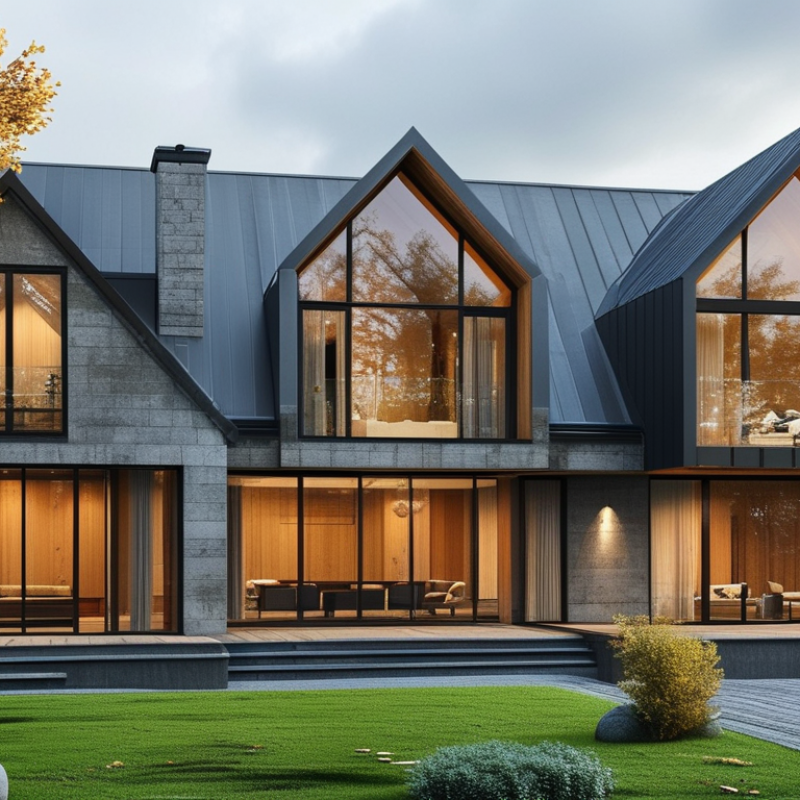
Aluminum windows have been gaining traction in recent years. Their lightweight nature and durability are appealing to homeowners and builders. Industry reports indicate that the aluminum window market is expected to grow at a rate of 5.4% annually through 2025. This growth is fueled by advancements in energy efficiency and design innovation.
One significant advantage of aluminum windows is their ability to meet contemporary aesthetic demands. They can be fabricated into slim frames, maximizing the glass area and providing natural light. Unlike wooden windows, aluminum does not warp or swell with humidity. However, there are drawbacks. Initial costs can be higher, and they may require specialized contractors for installation.
The trend towards sustainable building materials is also influencing preferences. Aluminum is 100% recyclable, aligning with eco-friendly practices. This not only reduces waste but also conserves energy. Yet, not all aluminum windows are created equal. Quality can vary, and buyers must research specifications and manufacturing standards. Balancing aesthetics, functionality, and sustainability is essential for making the right decision.
Choosing wooden windows over aluminum can transform your home’s aesthetic. Wood brings a unique warmth that aluminum cannot replicate. This natural material creates an inviting atmosphere. Many homeowners appreciate the beauty of wood grain and the variety of finishes. Each wooden window can tell its own story through its unique texture and patterns.
Sustainability is another important factor. Wooden windows are often more environmentally friendly. Many woods are sourced from sustainable forests, making them a better choice for eco-conscious consumers. They can also enhance energy efficiency. Wood has excellent insulation properties, which can help reduce heating and cooling costs.
However, wooden windows do require maintenance. They need regular sealing and painting to protect against the elements. This upkeep is sometimes seen as a drawback. Nevertheless, many consider the benefits outweigh the efforts. There is undeniable charm in a wooden window's craftsmanship that may justify the care involved.
| Feature | Aluminum Windows | Wooden Windows |
|---|---|---|
| Durability | Highly durable, resistant to rust and weather | Less durable, may warp or rot over time |
| Maintenance | Low maintenance, easy to clean | Requires regular painting or staining |
| Aesthetic Appeal | Modern and sleek appearance | Warm and natural look, customizable finishes |
| Energy Efficiency | Can be energy efficient with thermal breaks | Great insulation properties, naturally energy efficient |
| Sustainability | Recyclable but energy-intensive to produce | Renewable resource, can be sustainably sourced |
| Cost | Generally lower initial cost | Higher initial cost but can have long-term value |
When considering window options, cost is a key factor. Aluminum windows typically have a lower initial price compared to wooden ones. Their durability and minimal maintenance costs can offset this initial saving. However, wooden windows offer a natural aesthetic that many homeowners prefer, even if they come at a higher price.
The price of wooden windows can vary greatly. They are often more expensive due to the quality of materials and the craftsmanship involved. Some types of wood are rarer and thus more costly. On the flip side, aluminum windows are often favored in commercial settings. Their price remains more stable over time, and they do not warp, swell, or rot like wood.
When making a decision, high upfront costs for wood might lead some to overlook long-term benefits. Aluminum windows can require replacement sooner if they are of lower quality. It's essential to consider the overall value, maintenance, and style preferences. Each option carries its financial implications and aesthetic contributions that require careful thought.
When deciding between aluminum and wooden windows, energy efficiency is a key factor. Energy-efficient windows can significantly reduce heating and cooling costs. Look for models with high Energy Star ratings for the best performance. Aluminum windows tend to have better insulation, while wooden windows can offer natural thermal resistance. Each material has its unique benefits and drawbacks.
Consider the climate in your area. Aluminum performs well in warm climates, as it reflects heat. However, in colder regions, wood may provide superior insulation. It's crucial to weigh these factors based on your environment to make the right choice for energy efficiency.
Tips: Always check insulation ratings before purchasing. Look for double or triple glazing options. Maintaining windows is vital; wood needs regular treatment to prevent warping. Remember, the best choice reflects both your needs and the local climate. Consider future energy costs as well, not just initial investments.
When choosing between aluminum and wooden windows, maintenance requirements can greatly influence the decision.
Aluminum windows are known for their durability. They resist corrosion and do not require painting. Regular cleaning is often sufficient. According to a report by the American Architectural Manufacturers Association, aluminum windows can last 30 years or more with proper maintenance. However, dirt and grime can accumulate, requiring occasional power washing.
In contrast, wooden windows need more attention. They provide aesthetics that aluminum can't match, but this comes with a cost. Wood is prone to rot, pests, and warping. The National Wood Window and Door Manufacturers Association states that wooden windows should be painted or stained every 3 to 5 years. Without this care, they can deteriorate quickly. Homeowners often overlook this, resulting in structural issues and additional expenses.
Considering maintenance, aluminum windows may seem like a low-effort choice. Yet, they may lack the charm of wood. Homeowners need to weigh long-term care expectations against their aesthetic preferences. Both materials have their pros and cons, and careful thought is essential in making the right choice for your home.
: Aluminum windows are lightweight, durable, and appealing for both homeowners and builders.
Their growth is driven by energy efficiency and innovative designs.
They can have slim frames that maximize glass area and natural light.
No, aluminum windows do not warp or swell like wooden windows do.
Yes, aluminum windows often have a lower initial price compared to wooden ones.
Aluminum is 100% recyclable, helping reduce waste and conserve energy.
Yes, not all aluminum windows are equal; buyers should check specifications.
Yes, high upfront costs may overshadow the long-term benefits of wooden windows.
Balance aesthetics, functionality, sustainability, and overall value for better decisions.
They generally have minimal maintenance costs, making them appealing long-term.
When considering "aluminum windows vs wooden windows what is the difference," it is essential to examine their key advantages, maintenance requirements, and sustainability. Aluminum windows offer durability and require minimal upkeep, making them a practical choice for many homeowners. Trends in the industry also favor aluminum due to its versatility in design and energy efficiency, often highlighted by favorable Energy Star ratings.
On the other hand, wooden windows provide a natural aesthetic appeal and contribute to sustainability efforts, as they can be sourced from renewable forests. However, they may require more maintenance and care over time. A comprehensive cost analysis shows that both options come with varying price points, which can influence decision-making. Ultimately, the choice between aluminum and wooden windows will depend on individual priorities regarding aesthetics, maintenance, and long-term performance.

ORM Windows