How to Choose the Best Aluminum Windows from China?

Time:2026-11-13 Author:Mason
0%

Choosing aluminum windows from China can provide access to varied profiles, finishes, and production options. But a low quotation alone says little about long-term performance. Frame depth, thermal breaks, glazing, seals, drainage, and hardware all affect comfort and durability. Details matter.

To understand how to choose the right aluminum windows, start with the building’s climate, opening sizes, and performance needs. A home facing strong sun may need different glazing from one exposed to wind-driven rain. Ask suppliers for clear specifications, relevant test reports, and details about quality checks. Compare the same configuration across quotes; otherwise, prices can hide differences in glass, frame sections, or included hardware.

Request samples or a project-specific mock-up when practical. Check coating consistency, corner joints, handle movement, and how the sash closes. A polished catalog is useful, but it cannot prove how a window performs after years of use. Even a neat brochure can leave gaps. That is worth remembering.

Before placing an order, confirm drawings, dimensions, packing methods, lead times, and replacement-part arrangements in writing. Discuss project requirements with a qualified local professional, especially for large openings or demanding weather conditions. A capable manufacturer should answer technical questions clearly and explain what its documents actually cover. If answers stay vague, pause and ask again. The best choice is not automatically the cheapest or most elaborate model; it is the one whose documented performance, workmanship, and service fit the project.
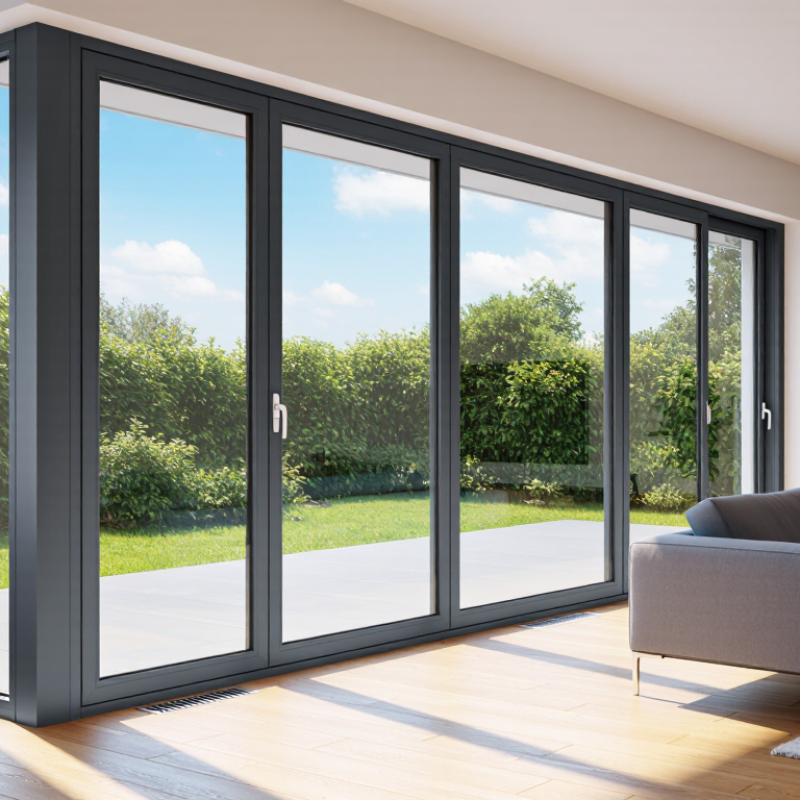
How to Choose the Best Aluminum Windows from China?

Define Your Project Requirements for Aluminum Windows

Before comparing aluminum windows from China, write down what each opening must do. Record the rough opening width and height at several points, since older walls are rarely perfectly square. Measure twice. Note whether you need sliding, casement, or fixed units, and mark which way each window should open. A kitchen window above a counter may need a different handle position from a bedroom window. Include sill depth, wall thickness, and the planned frame-to-wall connection; these details affect installation, not just appearance.

Set performance targets around the actual site. A coastal home, a noisy street, and a cold inland project have different needs. Specify glass type, thermal performance, air and water resistance, and wind-load requirements where relevant. Ask for test reports that match the proposed configuration, not just a general product brochure. Also define finish color, hardware material, screen needs, and cleaning access. It is easy to focus on frame price and overlook the cost of awkward maintenance. One project detail may still be missing: who is responsible for confirming final site measurements before production? State that clearly in the inquiry, along with quantities, drawings, delivery schedule, and installation scope.

Compare Window Designs, Materials, and Performance Specifications

When comparing aluminum windows from China, start with the opening design and the room’s needs. Sliding units save space beside patios, while casement windows can open wider for ventilation. Tilt-and-turn designs offer flexible airflow, but their hardware needs careful adjustment. Check frame depth, sightline width, and drainage details against your drawings. A sleek profile is not automatically a better fit.

Compare materials beyond the frame’s appearance. Thermal breaks reduce heat transfer through aluminum, while double or triple glazing affects insulation, noise, and weight. Ask for glass build-up details, including pane thickness and any low-emissivity coating. Small details matter. Request performance data for air leakage, water resistance, and wind pressure, and confirm the tested configuration matches the window you plan to order. A strong rating for one size or opening style may not apply to another.

Specifications can look reassuring while leaving installation unclear. This is easy to overlook. Confirm measurement tolerances, fixing points, sealant requirements, and the documents supplied with each shipment. Consider the local climate: coastal air, heavy rain, and strong sun place different demands on finishes and seals. Compare written test reports and sample units where practical, not just catalogue claims. No single design wins everywhere; the right choice depends on the building, exposure, and installer’s skill.

How to Choose the Best Aluminum Windows from China? - Compare Window Designs, Materials, and Performance Specifications

Window Design How It Opens Typical Frame and Thermal-Break Construction Common Glazing Options Indicative Whole-Window U-Factor Air, Water, and Wind Performance Key Advantages Points to Check Suitable Applications
Casement Hinged at the side and opens outward or inward. Extruded aluminum profiles, commonly from 6063-series alloy; thermally improved versions use a polyamide thermal break between interior and exterior aluminum. Double glazing is common; low-emissivity coatings and argon-filled cavities may improve thermal performance. Triple glazing is available in suitable profiles. Approximately 1.6–2.8 W/m²·K, depending on frame, glass, dimensions, and test method. A compression gasket can provide good sealing when the sash is properly adjusted. Request tested air-leakage, water-penetration, and structural-pressure results for the complete window. Wide opening, effective ventilation, and generally strong compression sealing. Check hinge capacity, hardware quality, sash size limits, drainage details, and whether the quoted U-factor is for the whole window or glass only. Bedrooms, living spaces, and locations where ventilation and a tight closure are priorities.
Sliding One or more panels move horizontally along tracks. Aluminum frame and sash profiles; thermally broken designs are available. Multi-track systems may have larger frame sections. Typically double glazing; low-emissivity glass is available. Confirm that glass thickness and weight match the rollers and sash design. Approximately 2.0–3.2 W/m²·K, depending on system design and glazing. Performance depends on interlocking meeting rails, weather seals, track drainage, and installation. Ask for test results for the exact sliding configuration. Does not project into indoor or outdoor space; convenient for wide openings and balconies. Compare clear opening width, track cleaning, roller replacement access, drainage, and air-sealing results. Patios, balconies, rooms with limited clearance, and large horizontal openings.
Tilt-and-Turn Tilts inward at the top for ventilation or swings inward from the side for a wider opening. Usually a thermally broken aluminum frame with multi-point locking hardware and perimeter seals. Double or triple insulating glass units; low-emissivity coatings and gas-filled cavities can be specified. Approximately 1.5–2.7 W/m²·K, depending on hardware, frame, glazing, and dimensions. Multiple locking points can help compress the seals evenly. Verify certified air and water results for the selected size and opening mode. Two ventilation modes, convenient inward cleaning, and secure multi-point closure. Confirm hardware load ratings, operating clearances, handle position, drainage, and maintenance requirements. Homes and buildings where controlled ventilation and inward cleaning are useful.
Fixed Does not open. Aluminum frame with a fixed glazing pocket; thermally broken profiles are available. Double or triple insulating glass units, including low-emissivity options where required. Approximately 1.3–2.4 W/m²·K, depending on frame-to-glass ratio and glazing specification. No operable sash joints, but perimeter seals, frame drainage, glazing installation, and structural design still affect performance. Request test documentation for the relevant system. Often provides a large unobstructed glazed area and fewer moving parts. Plan for safe exterior cleaning, correct glass safety classification, solar control, and adequate structural support. Picture windows, stairwells, curtain-wall-style openings, and areas paired with operable windows.

How to compare specifications: U-factor indicates heat transfer; a lower value generally means better insulation. The ranges above are indicative examples, not guaranteed ratings, and are not directly comparable unless the same calculation or test standard, window size, glazing, and configuration are used. For a purchase, request current test reports for the exact product, including whole-window thermal performance, air leakage, water penetration, and resistance to structural wind pressure. Also confirm profile wall thickness, thermal-break material and dimensions, glass build-up, hardware, finish, drainage, and installation requirements.

Assess Chinese Manufacturers, Certifications, and Quality Controls

How to Choose the Best Aluminum Windows from China?

Assessing a manufacturer takes more than browsing a polished catalog. Ask how long the factory has made aluminum windows and which markets it serves. Request recent production photos, product drawings, and references for comparable projects. Then check that the company name on its documents matches the actual manufacturer.

Looks can mislead.

Review certifications carefully. Confirm they are current, issued by an independent body, and relevant to the specific window system—not merely the factory or a different product. Check which performance tests were completed, such as air leakage, water resistance, and wind pressure.

Ask for the test report, its date, and the tested configuration. Ask for evidence. A certificate alone cannot show how each order is controlled.

Quality controls should be visible in routine records. Ask how staff check frame dimensions, coating consistency, corner joints, hardware, and drainage openings. A useful inspection may include measuring sample frames and checking how they are packed against scratches and moisture.

Request inspection photos and a written defect-handling process before production begins. For a large order, consider an independent pre-shipment inspection.

One visit is not a guarantee; batches can vary, and I would not assume otherwise.

Set clear acceptance criteria in writing, including tolerances and what happens if a sample fails.

Evaluate Quotes, Shipping Terms, and Import Requirements

Ask each supplier to quote the same window specifications: frame depth, alloy, glass thickness, opening style, finish, and hardware. Compare the price line by line, including tooling, sample fees, packaging, and warranty coverage. A low unit price may exclude important items. Small details matter. Request drawings and a sample before approving production, especially if colors or dimensions must match an existing building.

Check the shipping term and named port or destination carefully. With FOB, for example, the buyer usually arranges main ocean freight; with CIF, the seller includes freight and minimum insurance to the named port. Confirm who handles export clearance, cargo insurance, and destination charges. Ask for the estimated production time, vessel schedule, and container loading plan. A few extra days can matter when installation crews are booked.

Before paying a deposit, check your country’s import rules with a customs broker or relevant authority. Confirm the likely tariff classification, duties, taxes, required product tests, and documentation for aluminum windows. Requirements can depend on the destination and product design. Ask for commercial invoices, packing lists, and any applicable test reports early. Even a careful checklist cannot remove every uncertainty; I would verify the paperwork before shipment, not after a container reaches port.

Verify Samples, Contracts, and Installation Support

A supplier’s brochure shows intent, not production consistency. Ask for a full-size sample or a representative corner section, then inspect welds, drainage slots, gaskets, glass spacers, and hardware. Open and close the sash repeatedly; look for uneven gaps or rough movement. A polished sample can still mislead. That is easy to forget. Request test reports for the exact frame, glass, and hardware combination, and compare U-factor and solar heat gain coefficient values. The U.S. Department of Energy’s Energy Saver guidance estimates that windows account for 25–30% of residential heating and cooling energy use, though actual performance depends on climate, building design, and installation.

Put the approved specifications into the contract, including dimensions, finish, glass makeup, tolerances, packing method, delivery milestones, and procedures for damaged or incorrect units. Attach dated sample photos and record any approved changes in writing. Small details matter. Ask who pays for replacement parts and how quickly problems are handled; a vague promise of “after-sales support” is not a service plan.

Before ordering, request installation drawings, anchoring guidance, flashing details, and a named technical contact. Confirm whether remote guidance or on-site assistance is available, and whether it covers local site conditions. The DOE’s installation guidance emphasizes proper sealing and installation to reduce air leakage. Do not assume a well-rated window will perform well in a poorly prepared opening. I would still leave room for uncertainty: drawings cannot reveal every uneven wall or site constraint, so agree on a process for resolving those issues before shipment.

How to Choose the Best Aluminum Windows from China?

Verify samples, contract terms, and installation support before placing an order.

How to use this chart: These illustrative scores use a 0–5 checklist scale; they are not supplier ratings or market statistics. Score each category using evidence from your own project. Request a physical sample and relevant test reports, specify materials and performance requirements in the contract, and confirm who handles shipping, installation guidance, and after-sales support.

FAQS

What should I measure before ordering aluminum windows?

Measure each rough opening at several points. Older walls may not be square. Record width, height, sill depth, and wall thickness.

How do I choose the right window style?

Decide whether each opening needs a sliding, casement, or fixed window. Mark its opening direction and handle position.

Which performance details should I specify?

Match glass, thermal performance, and air, water, and wind resistance to the site. Coastal and cold locations have different needs.

What documents should I request from a manufacturer?

Request drawings, recent production photos, comparable project references, and test reports. Check that the manufacturer’s name matches its documents.

How can I check whether a certificate is relevant?

Confirm it is current, independently issued, and tied to the proposed window system. A certificate alone proves little about order controls.

What quality checks should I ask about?

Ask how staff inspect frame dimensions, coating, corner joints, hardware, and drainage openings. Request written records and inspection photos.

Should I arrange a pre-shipment inspection?

For a large order, consider an independent inspection. One visit cannot guarantee every batch. I would not assume otherwise.

Who should confirm final site measurements?

Name the responsible party in writing before production. Include quantities, drawings, delivery timing, and installation scope. This detail is easy to miss.

Conclusion

Choosing the best aluminum windows from China starts with clearly defining your project requirements, including window sizes, opening styles, climate conditions, energy-efficiency goals, budget, and preferred finishes. Compare available designs and materials by reviewing frame construction, glass options, thermal and sound performance, weather resistance, and hardware. These details help you judge whether each product suits your building rather than relying on appearance alone.

To decide how to choose the right aluminum windows, assess manufacturers’ experience, relevant certifications, quality-control procedures, and ability to provide consistent documentation. Compare quotations carefully, noting what is included, shipping terms, lead times, packaging, and import requirements. Before placing a large order, request samples and confirm specifications, tolerances, warranties, payment terms, and delivery responsibilities in a written contract. Also clarify what installation guidance and after-sales support are available, so the products can be checked, delivered, and fitted with fewer surprises.

Mason

Mason

Mason is a seasoned marketing professional with a deep expertise in the company's offerings and a passion for driving brand awareness. With a strong background in digital marketing strategies, he has an innate ability to connect with diverse audiences and effectively communicate product benefits.......