How to Evaluate Aluminum Window Quality Before Buying?

Time:2026-09-24 Author:Sienna
0%

A window can look elegant in a showroom and still leak air at a windy corner. That is why how to evaluate aluminum window quality begins with evidence, not appearance. The U.S. Department of Energy estimates that heat gain and heat loss through windows account for about 25–30% of residential heating and cooling energy use. NFRC labels help buyers compare tested performance, including U-factor and solar heat gain coefficient. Check the actual label and product configuration; ratings can differ with glazing, frame, and size. Small details matter.

Building scientist Dr. John Straube’s often-cited principle, “A building is a system, not a collection of components,” offers a useful way to assess a window. A durable aluminum frame alone cannot compensate for weak seals, poor drainage, or careless installation. Inspect welded or joined corners, gasket continuity, hardware movement, and weep holes. Ask for test documentation covering air leakage, water resistance, and structural performance, and confirm that it applies to the model you plan to buy. Do not rely on vague claims such as “weatherproof.” Ask what was tested, by whom, and under which standard. Then compare the warranty and installation instructions.

There is no perfect shortcut. Even strong test results cannot guarantee careful installation in your home. Look closely. Ask specific questions. A little doubt is useful; it can reveal what a brochure leaves out.
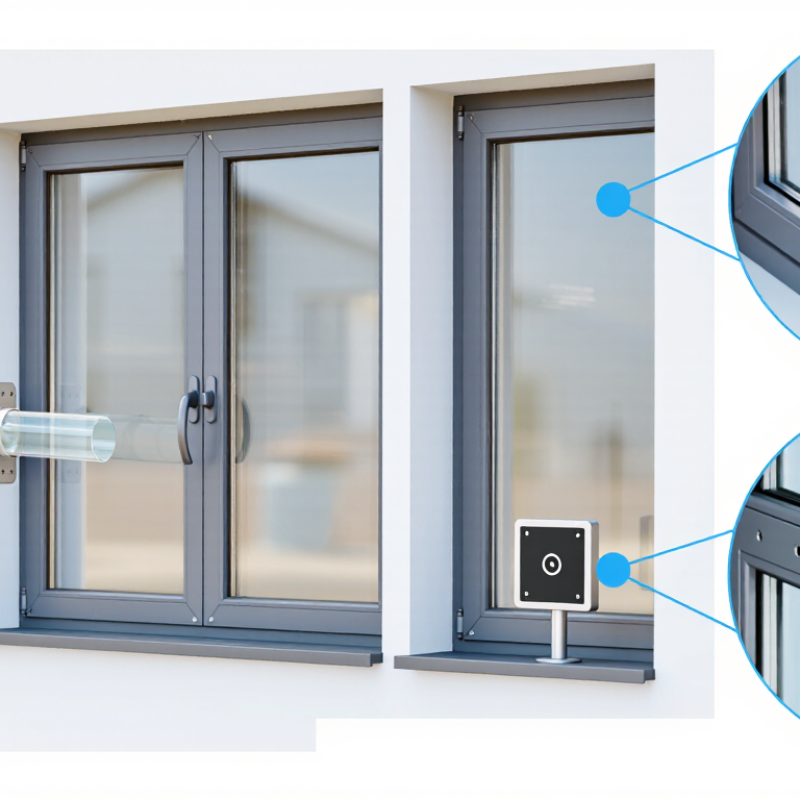
How to Evaluate Aluminum Window Quality Before Buying?

Define Your Performance and Climate Requirements

Before judging an aluminum window, define the climate it must survive. In cold regions, prioritize a low U-factor, which limits heat transfer. In hot, sunny regions, a lower Solar Heat Gain Coefficient (SHGC) can reduce indoor heat. The U.S. Department of Energy estimates that windows account for about 25–30% of residential heating and cooling energy use. That figure makes performance more than a technical detail.

The National Fenestration Rating Council (NFRC) identifies U-factor, SHGC, visible transmittance, air leakage, and condensation resistance as key rating categories. Ask for certified values, not vague claims such as “energy efficient.” Aluminum conducts heat quickly, so check whether the frame includes a genuine thermal break. Touching a cold interior frame on a winter morning can reveal poor thermal separation. It is a simple observation, but not a complete test.

Local weather changes the buying decision. Coastal projects may need stronger resistance to wind-driven rain and corrosion. Dry, hot areas may need reduced solar gain and careful glass selection. The American Society of Heating, Refrigerating and Air-Conditioning Engineers uses climate zones to guide building performance expectations, yet exposure on one wall can differ from another. My checklist is useful, but imperfect. Window size, installation quality, shading, and indoor humidity can change real results. A strong rating cannot compensate for careless installation.

Inspect the Aluminum Alloy, Frame Design, and Surface Finish

How to Evaluate Aluminum Window Quality Before Buying?

When I inspect aluminum windows, I begin with the alloy and wall thickness. The metal should feel rigid, not unusually light or flexible. Ask for the alloy designation and technical test documents. A reputable supplier should explain its composition and mechanical performance clearly. Do not judge quality by weight alone. A heavy frame may hide poor design or excess material. I once trusted a thick-looking sample, but its corner joints were weak.

Frame design affects daily comfort and service life. Check whether the corners are accurately joined, with no visible gaps or sharp edges. Look for a thermal break between the inner and outer aluminum sections. This feature can reduce heat transfer and interior condensation. Drainage channels should guide water toward exterior outlets. Open and close the sash several times. It should move smoothly without rubbing, shaking, or forcing the handle. Examine the gaskets as well. They should sit evenly and remain flexible.

Surface finish deserves close attention under natural light. Run a clean finger across the coating. It should feel consistent, without bubbles, pinholes, peeling, or rough patches. Compare the color on corners and flat areas. Uneven tones can suggest poor preparation or curing. Ask how the surface was treated and which durability tests were completed. A showroom sample can look excellent. Installation conditions may still damage it. For that reason, inspect several units, not just one. Bring a small flashlight. It reveals flaws I might otherwise miss.

How to Evaluate Aluminum Window Quality Before Buying? — Inspect the Aluminum Alloy, Frame Design, and Surface Finish

Inspection Area What to Check Signs of Good Quality Warning Signs Practical Verification
Alloy identification Ask for the alloy designation and supporting product documentation. The alloy is clearly specified and suitable for the intended window system and exposure conditions. Alloy 6063 is commonly used for architectural extrusions. The seller cannot identify the alloy or provides no consistent specification. Compare the quotation, technical datasheet, and any material test documentation. Appearance alone cannot reliably identify an alloy.
Temper and material condition Check the stated temper, such as T5 or T6, where specified. The temper is documented and matches the system manufacturer’s design and performance specifications. Temper information is missing when the specification requires it, or documents conflict. Request a written specification. Temper describes the material’s processing condition; it cannot be confirmed by a visual inspection alone.
Profile wall thickness Measure the extrusion at accessible, representative locations and compare it with the quoted specification. Measurements are consistent with the stated profile design and the applicable local code or project requirements. Profiles are noticeably thinner than specified, inconsistent, or unsupported by measurements. Use a suitable thickness gauge or caliper where accessible. Do not judge quality by thickness alone: required dimensions depend on window size, loads, design, and local rules.
Frame and sash design Inspect profile geometry, corner joints, drainage paths, and reinforcement where the design calls for it. Components fit together cleanly; joints are secure; drainage openings are present and unobstructed. Gaps at corners, loose connections, blocked drainage, or visibly distorted profiles. Inspect a fully assembled sample and ask how corner joints are made and how water is directed out of the frame.
Frame rigidity and alignment Look for bowing, twisting, or movement in the frame and operating sash. The frame is straight and square, and the sash operates without binding or excessive play. Visible distortion, uneven clearances, or difficulty opening and closing the sash. Check diagonals and operation on a representative unit. A proper installation is also essential to maintain alignment.
Thermal performance features For thermally improved windows, check for a continuous thermal break between interior and exterior aluminum sections. The thermal-break construction and whole-window performance data are documented when energy performance is important. A thermal break is claimed but cannot be seen in a sample or supported by product information. Ask for the whole-window U-factor or equivalent rating for the exact configuration. Performance varies with glazing, spacers, frame design, and size.
Surface finish and coating Inspect the finish for even color, coverage, and texture; ask whether it is anodized, painted, or powder coated. The finish is uniform, free of obvious defects, and supported by a stated finish specification suited to the exposure. Blisters, peeling, bare areas, deep scratches, uneven patches, or corrosion are visible. Inspect several faces, edges, and corners under good lighting. Compare the coating type and specified test requirements with the product documents.
Hardware and weather seals Check locks, hinges, handles, gaskets, and their fit against the frame. Hardware operates smoothly, seals are continuous and seated properly, and components are specified for the window system. Loose hardware, gaps in seals, damaged gaskets, or parts that catch during operation. Open and close the sample several times and inspect seal continuity around the sash. Ask how replacement parts are identified.
Performance evidence Review test reports or ratings for air leakage, water penetration, structural performance, and energy performance as applicable. Documentation identifies the tested product configuration and relevant test method or rating system. Claims are generic, refer to a different configuration, or have no supporting documentation. Match report details to the actual frame, glazing, hardware, and size being purchased; performance ratings may vary by configuration.

Note: Specifications and code requirements vary by location and project. Use the manufacturer’s documented limits and applicable local requirements when comparing products.

Evaluate Thermal Breaks, Glazing, and Weather Seals

Aluminum windows can look strong while losing comfort at the frame. Check the thermal break first. It should separate the inner and outer aluminum paths with a continuous insulating strip. Broken or thin sections may create cold edges, condensation, and uneven indoor temperatures. The U.S. Department of Energy estimates that windows can represent 25–30% of residential heating and cooling energy use. A quality thermal break deserves attention.

Glazing matters just as much. Read the NFRC label for U-factor, solar heat gain coefficient, and visible transmittance. Lower U-factor usually means better insulation, but climate changes the right choice. Double glazing is common; triple glazing can improve comfort in colder regions. Low-emissivity coatings and argon-filled cavities may help, yet poor spacers or damaged seals reduce their value. A lower number is not magic. Inspect the glass edges, spacer alignment, and interior condensation risk. In field inspections, small installation gaps often defeat expensive glazing.

Tips: Close and lock the sash. It should pull evenly against the weather seal. Look for continuous gaskets, tight corners, and no flattened rubber. Ask for air-leakage results tested under ASTM E283 or the applicable AAMA/WDMA/CSA standard. The seal should resist a thin paper strip, not crush it. Request test reports, not only sales claims. I would also inspect one installed sample in daylight, because labels cannot reveal every workmanship mistake.

Check Hardware, Operation, and Security Features

Before buying an aluminum window, inspect its hardware closely. Handles should turn smoothly without scraping or excessive play. Hinges, rollers, locks, and screws should feel firm, not decorative. Open and close the window several times. Listen for clicking, grinding, or frame movement. These small signs often reveal poor fitting or weak components.

My own mistake was testing one showroom window once. It felt excellent, but repeated use later exposed a stiff roller. A better check is repetition. Slide the sash ten times and operate every handle. Try the window at different opening angles. It should move evenly and stay in position without sudden dropping. Check whether the seals remain aligned after closing. A small gap can allow drafts, rain, and outside noise.

Security needs more than a strong-looking frame. Confirm that locking points engage fully when the handle turns. Ask whether the lock resists forced lifting from the outside. Check the glass specification, especially for ground-floor or easily reached windows. Safety restrictors can limit opening, but they should release only through a deliberate action. Request installation details, maintenance guidance, and relevant test documents. Do not rely only on sales language. A secure window can still perform badly if installed out of square. Bring a tape measure, inspect the corners, and question anything that feels rushed.

Verify Test Ratings, Product Documentation, and Warranty Terms

How to Evaluate Aluminum Window Quality Before Buying?

Start with verified test ratings, not polished showroom samples. The U.S. Department of Energy reports that windows can cause 25–30% of residential heating and cooling energy use. Ask for the exact NFRC label, including U-factor, solar heat gain coefficient, visible transmittance, and air leakage. Lower U-factor usually means better insulation. However, the best value depends on climate and window orientation.

Check the test size and configuration carefully. A rating for a small fixed window may not represent a large sliding unit. The AAMA/WDMA/CSA 101/I.S.2/A440 standard classifies products by performance grade, including resistance to air, water, and structural pressure. Request the laboratory report, certification number, and installation conditions. Missing documents are a warning sign.

Read the warranty before paying. Look for coverage periods on frames, hardware, insulated glass, finishes, and labor. Some warranties exclude coastal exposure, improper drainage, or installation errors. The U.S. Department of Energy also emphasizes correct installation because poor sealing can reduce expected efficiency. Ask who handles service and whether labor costs are included. Keep photos of labels and delivery damage. Small details matter.

Be skeptical of perfect claims. Test ratings are useful, but they cannot reveal every future problem. I would also inspect corner joints, drainage openings, gasket compression, and handle movement by hand. If the seller avoids written evidence, pause. A lower price may simply transfer repair risk to you.

FAQS

How should I choose an aluminum window for my climate?

Cold regions usually need a low U-factor for better insulation. Hot, sunny regions often benefit from a lower solar heat gain coefficient. Local wind, rain, humidity, and wall exposure also matter.

Why is a thermal break important in an aluminum frame?

A continuous insulating strip separates the inner and outer aluminum sections. It can reduce heat transfer, cold edges, and interior condensation. Touch the frame on a winter morning. This is not a complete test.

What frame qualities should I inspect before buying?

The frame should feel rigid, but weight alone proves little. Check alloy information, wall thickness, corner joints, drainage channels, and visible gaps. I once trusted a thick sample with weak corners.

How can I check the surface finish?

Inspect the window under natural light. Look for bubbles, pinholes, peeling, rough patches, and uneven color. Run a clean finger across the coating. Bring a flashlight.

What should I check when opening and closing the sash?

Move it several times. It should operate smoothly without rubbing, shaking, or forcing the handle. When locked, the sash should pull evenly against the weather seal.

Which glazing details affect comfort?

Check the U-factor, solar heat gain coefficient, and visible transmittance on the certification label. Double glazing is common, while triple glazing may improve cold-weather comfort. Inspect spacers, glass edges, and cavity seals.

How can I identify weak weather sealing?

Look for continuous, flexible gaskets with tight corners. Flattened rubber may indicate poor sealing. A thin paper strip should meet resistance without being crushed. Small gaps can defeat expensive glass.

Can a strong window rating guarantee good real-world performance?

No. Installation quality, shading, window size, indoor humidity, and wall exposure change results. Test reports help, but they cannot reveal every workmanship mistake. My checklist remains useful, yet imperfect.

Conclusion

Learning how to evaluate aluminum window quality begins with identifying your climate, energy-efficiency goals, noise concerns, and preferred level of ventilation. Examine the aluminum alloy, frame thickness, corner joints, construction accuracy, and surface finish for strength, consistency, and resistance to corrosion. A well-designed frame should also include effective thermal breaks to reduce heat transfer. Assess the glazing type, pane configuration, and weather seals, checking that they work together to improve insulation, water resistance, and air tightness.

Also test the hardware and moving parts to ensure smooth, stable operation without looseness or unusual noise. Look for reliable locking systems and practical security features. Before buying, review independent test ratings, technical specifications, installation guidance, maintenance requirements, and warranty terms. These documents can help confirm whether the window meets your performance expectations and whether future service is clearly supported. By comparing these details systematically, you can make a more confident and informed purchasing decision.

Sienna

Sienna

Sienna is a skilled marketing professional with a deep expertise in our company’s core products and services. With a passion for innovation and detail, she plays a pivotal role in crafting insightful blog posts that not only highlight the unique features of our offerings but also provide valuable......