When considering the efficiency and performance of windows, thermal break aluminum windows stand out. Many people ask, "how do thermal break aluminum windows work?" These windows are designed to improve energy efficiency by reducing heat transfer. The thermal break is a key component that separates the interior and exterior parts of the frame. This separation minimizes thermal conduction, keeping your home warmer in winter and cooler in summer.
Understanding the functionality of thermal break aluminum windows is crucial for making informed decisions. Their unique design helps in reducing energy bills and enhancing comfort levels. While they may come with a higher upfront cost, the long-term savings and benefits often outweigh this initial investment. However, not all installations guarantee perfect results. Factors such as quality, installation, and maintenance play essential roles. Therefore, it's important to approach your choice with thorough research.
Investing in the right type of windows can greatly influence your living space. Each home has unique requirements, and understanding how thermal break aluminum windows fit within these needs is vital. Emphasizing both performance and design, they can provide practical solutions for modern living.
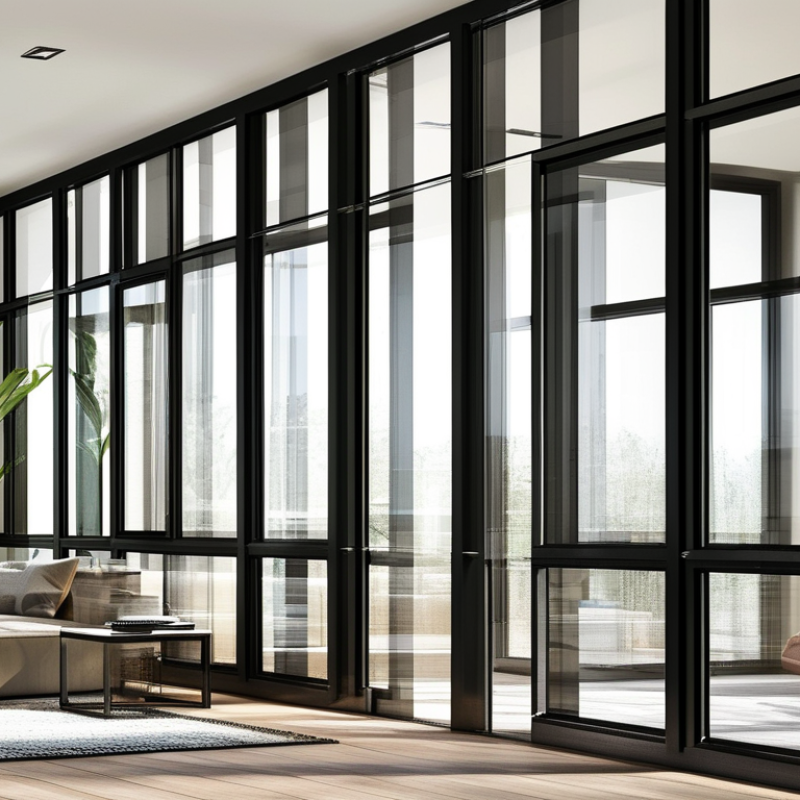
Thermal break technology is crucial for aluminum windows. It provides a barrier that reduces heat transfer. This means homes can stay warmer in winter and cooler in summer. The thermal break is typically made from materials like polyurethane, which insulates effectively. It separates the interior and exterior frames, improving energy efficiency significantly.
When considering aluminum windows, it's essential to think about climate. In colder areas, thermal breaks can save on heating costs. Conversely, in warmer regions, they help reduce cooling expenses. Many people overlook the importance of thermal breaks. They may choose aluminum for its aesthetic without understanding the efficiency benefits.
Installation plays a significant role in functionality. If not done correctly, thermal breaks can fail, leading to condensation issues. Regular maintenance is also necessary. Without it, even the best systems can fall short. Understanding these details can lead to better decision-making when selecting windows.
Thermal break aluminum windows are essential for modern insulation needs. These windows feature a non-metallic barrier between the inside and outside. This barrier prevents heat transfer, improving energy efficiency significantly. Studies show that these windows can reduce energy costs by up to 40%. This data highlights their effectiveness in both residential and commercial buildings.
The insulation benefits of thermal break aluminum windows extend beyond energy savings. They enhance indoor comfort by minimizing temperature fluctuations. According to industry reports, homes with thermal break windows experience fewer drafts. Additionally, these windows reduce condensation, which can lead to mold growth. This is an important consideration for health-conscious homeowners.
Yet, installation and maintenance costs can be a challenge. Homeowners must weigh these costs against potential energy savings. Some reports indicate that initial investments can be high, but the long-term benefits often justify this. It's critical to analyze your specific situation. Balancing upfront costs with long-term gains can be complex but rewarding.
Thermal break aluminum windows play a crucial role in enhancing energy efficiency in buildings. A thermal break is an insulating barrier placed between the exterior and interior sections of a window. This barrier minimizes heat transfer, allowing for better temperature regulation inside a structure. According to the U.S. Department of Energy, energy-efficient windows can reduce heating and cooling costs by up to 30%. This statistic demonstrates the potential cost savings and environmental benefits of using thermal break windows.
Moreover, buildings with thermal break windows exhibit improved comfort levels for occupants. The insulation provided helps maintain a more consistent indoor temperature, reducing drafts. However, some installations may still face performance issues if not correctly fitted. Misalignment or poor quality control can negate the benefits of thermal breaks. It is essential for builders and contractors to prioritize quality in materials and installation practices.
Additionally, many architects are recognizing the long-term benefits of thermal break windows in sustainable building design. Studies show that structures designed for energy efficiency can increase property value by 10-30%. Despite these advantages, some may overlook thermal breaks due to initial costs. Balancing upfront expenses with long-term savings is key for stakeholders. Investing in well-designed thermal break systems could yield meaningful returns over time.
This chart illustrates the significant improvement in energy efficiency before and after the installation of thermal break aluminum windows. As shown, the energy efficiency percentage jumps from 40% to 70%, showcasing the essential role thermal breaks play in enhancing building performance.
When considering the installation of thermal break aluminum windows, there are several key factors to keep in mind. These windows offer improved insulation compared to standard aluminum options. The thermal break feature provides a barrier that reduces heat transfer. This is particularly beneficial in extreme climates. However, proper installation is crucial to maximizing their effectiveness.
Installation should be conducted by experienced professionals. Incorrect placement can lead to air leaks and reduced efficiency. It's essential to ensure that the frames are level and square. Poor sealing may also occur if the installation process is rushed. Every detail matters, from the choice of sealants to the positioning of the windows. Be mindful of any potential obstructions, like overhangs or nearby structures. This can affect how well they perform.
After installation, it may take time to assess their efficiency. Be prepared to monitor your energy bills. While these windows are designed to save energy, actual performance depends on many factors. Consider regular maintenance checks to ensure longevity. Reflect on your initial goals. Are they being met? Ensuring that your thermal break aluminum windows function well requires continuous evaluation. The investment is significant, so making informed choices is vital.
Thermal break aluminum windows provide excellent energy efficiency. They are designed to minimize heat transfer, keeping homes warmer in winter. Proper maintenance extends their lifespan and enhances performance.
Regular cleaning is essential. Dirt and debris can accumulate, affecting functionality. Use a soft cloth and mild detergent. Ensure the tracks and frames are clear to allow smooth operation. Inspect seals regularly for damage or wear. This simple check can prevent air leaks.
Lubricate moving parts at least once a year. A well-lubricated window operates smoothly and lasts longer. According to industry reports, proper maintenance can increase the lifespan of thermal break aluminum windows by up to 20%. Avoid using harsh chemicals, as they can damage the finish. Reflecting on maintenance can create better energy efficiency in homes.
: Thermal break technology creates a barrier that reduces heat transfer in aluminum windows.
It minimizes heat transfer, helping maintain a consistent temperature inside buildings.
Polyurethane is often used because of its effective insulating properties.
Incorrect installation can lead to condensation issues and reduced functionality of the windows.
Regular cleaning and lubrication of moving parts are essential for longevity and performance.
Yes, they can increase property value by 10-30% due to improved energy efficiency.
Yes, they can save on heating costs in colder climates and help with cooling in warmer areas.
Many choose aesthetic over efficiency and may overlook proper installation and maintenance needs.
Checking seals and clearing debris can prevent air leaks and enhance energy efficiency.
Balancing initial costs with long-term savings is crucial for making a wise investment.
Thermal break aluminum windows are designed to enhance energy efficiency by incorporating insulated barriers between the interior and exterior aluminum sections. This innovative technology minimizes thermal transfer, providing better insulation compared to standard aluminum windows. Understanding how do thermal break aluminum windows work is crucial for homeowners seeking to improve their energy performance and comfort levels.
The advantages of these windows include reduced heating and cooling costs, as well as a more stable indoor environment. Proper installation is essential to ensure the thermal breaks function effectively, and regular maintenance can prolong their lifespan. By choosing thermal break aluminum windows, property owners can enjoy significant benefits that contribute to both energy savings and enhanced living spaces.

ORM Windows