Natural light can transform a room before any decoration is added. A sunlit desk, a clear window edge, and softer shadows can make interiors feel larger and more comfortable. This explains why architects increasingly examine how aluminum windows improve natural lighting in residential and commercial buildings.
Aluminum frames are strong, stable, and suitable for wide glass panels. Their slim profiles can reduce visible frame obstruction and increase the glazed area. More glass may allow deeper daylight penetration, especially beside pale walls and reflective floors. The U.S. Department of Energy recommends evaluating window orientation, glazing, visible transmittance, and shading together. A larger window alone does not guarantee better results. The National Fenestration Rating Council also identifies visible transmittance as a key performance measure for comparing window products.
The broader energy context matters. The International Energy Agency reported in Buildings 2023 that buildings account for about 30% of global final energy consumption. Daylight-responsive lighting controls can help reduce unnecessary electric lighting during bright hours. Still, the benefit depends on design quality. Poorly positioned glazing can create glare, overheated seating areas, or uneven brightness. That distinction matters.
Modern thermally improved aluminum systems can support expansive glazing while addressing frame heat transfer. However, performance varies by glass coating, spacer, orientation, and local climate. A west-facing window may produce beautiful evening light, yet demand stronger shading. This is where practical experience and verified ratings become essential. The best design balances daylight, comfort, energy performance, and realistic occupant behavior. The promise is not automatic. Careful specification makes it credible.
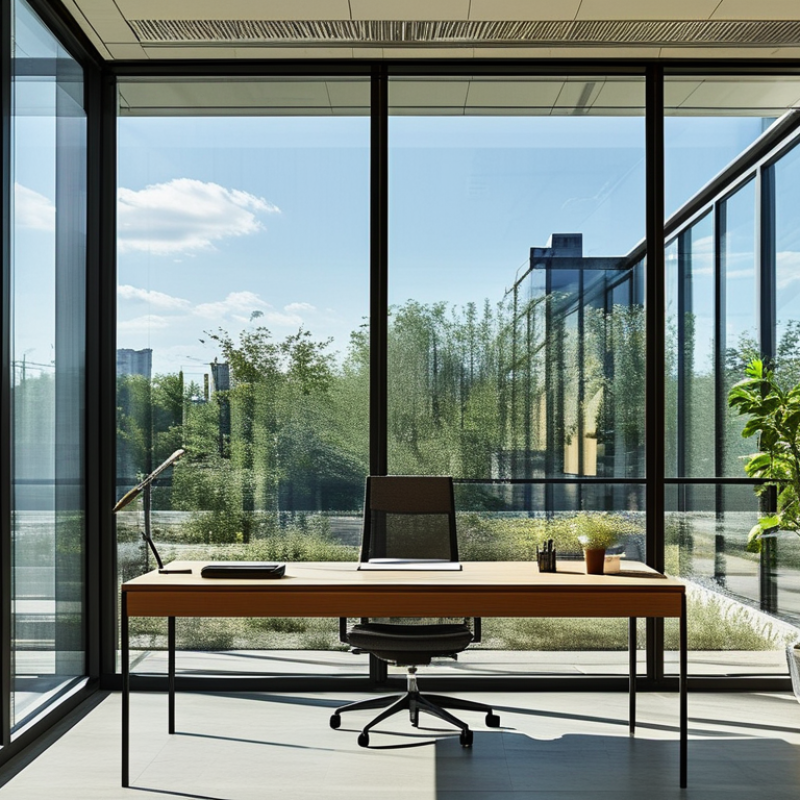
Aluminum Window Design and Its Role in Natural Lighting
Aluminum window design influences natural lighting through frame width, opening size, glass selection, and installation depth. Slim aluminum profiles can create broader clear areas, allowing daylight to reach deeper into a room. This advantage depends on proportion, not material alone. A narrow frame paired with low-transmission glass may still produce a dim interior. Small details matter. In practice, compare visible glass area, not outside frame dimensions, when reviewing drawings.
Window orientation changes the result. South-facing openings may provide strong midday light, while east- and west-facing glass can create sharp morning or afternoon glare. Designers can balance this exposure with external shading, operable blinds, and carefully selected glazing. A thermal break also matters because it supports better indoor comfort around the frame. This allows larger openings without creating an unpleasant cold edge. Daylight sensors and simple illuminance checks can test whether the design works beyond attractive renderings.
Installation depth and interior finishes deserve equal attention. A recessed window may lose some sky view, while a shallow reveal can distribute light more effectively across the wall. Pale ceilings and matte surfaces help reflect daylight without harsh sparkle. Glare remains possible. I would not judge performance from one bright afternoon. Seasonal observations, room use, and furniture placement can change the outcome. An effective aluminum window design needs measured evaluation, not appearance alone.
Slim Frames and Larger Glazed Areas
Aluminum windows can brighten a room by reducing the visual space occupied by frames. Slim profiles leave more glass exposed within the same opening. That difference is easy to notice beside a traditional, bulky frame. Morning light can reach deeper into a kitchen, hallway, or home office. Results vary. Room depth, window orientation, and nearby buildings still control daylight.
In practice, I look at the glazed area rather than the window’s outside size. A narrow frame may add several centimeters of glass around the opening. Across multiple windows, that extra area can soften dark corners and reduce daytime reliance on electric lighting. Clear low-emissivity glazing can support this result while limiting heat transfer. A thermal break is important because untreated aluminum conducts heat quickly. Good design balances daylight, insulation, and occupant comfort.
Larger glazed areas also bring practical concerns. Glare remains possible. Strong afternoon sun may affect a screen or fade a wooden floor. External shading, light curtains, and carefully selected glass can help. Slim frames do not guarantee a brighter room. I have seen large windows perform poorly when overhangs block the sky. Measurements should include visible light transmission, solar exposure, and seasonal conditions. Even then, predictions remain imperfect; weather and interior finishes can change the daily experience.
How Do Aluminum Windows Improve Natural Lighting?
Slim Frames and Larger Glazed Areas
Based on a standardized 1,200 × 1,500 mm window opening, reducing the visible frame width increases the glass area from 72.2% to 85.6%. With the same glass type, orientation, and weather conditions, the larger glazed area can admit more natural daylight into the room.
Calculated glazed-area percentages assume equal frame widths on all four sides and exclude opening hardware and sash overlaps.
Glass Selection for Better Daylight Transmission
How Do Aluminum Windows Improve Natural Lighting?
Aluminum windows improve natural lighting mainly through geometry. Slim profiles can expose more glass within the same opening. That extra aperture can brighten a desk near the wall. Thermal breaks also reduce heat transfer through the frame. However, frame color still affects perceived brightness.
Glass selection controls daylight more directly. Visible transmittance, or VT, measures how much daylight passes through glass. Higher VT usually creates a brighter interior, but it may increase glare. According to the U.S. Department of Energy’s Efficient Windows Collaborative, windows can influence 25–30% of residential heating and cooling energy use. Therefore, daylight design cannot ignore solar heat gain. NFRC ratings help compare VT, U-factor, and solar heat gain coefficient. Low-e glass with moderate VT often balances daylight and comfort better than fully clear glass. No glass choice is perfect. I have seen bright rooms become uncomfortable when afternoon glare was overlooked.
Tips:
Start with VT around 0.40–0.60 for many occupied spaces. Test the glass beside the actual wall finish. Use exterior shading on west-facing windows. Check a sample at 9 a.m. and 3 p.m. A darker interior can waste some daylight. Consider laminated or fritted glass where glare control matters more than maximum brightness.
Window Placement and Interior Light Distribution
How Do Aluminum Windows Improve Natural Lighting?
Window placement shapes how daylight travels indoors.
Aluminum frames support larger glass areas and slimmer sightlines, allowing more light near walls and corners. However, glazing size alone does not guarantee a bright room. A south-facing window may create strong midday glare, while a deep north-facing opening can produce softer, steadier light. Place windows on adjacent walls when possible. This helps light reach deeper into the floor plan and reduces dark side zones. The U.S. Department of Energy reports that effective daylighting can reduce electric lighting demand by up to 75% in suitable buildings. That result depends heavily on layout, shading, and controls.
Tips:
Use higher window heads to push light farther across ceilings. Select light-colored interior finishes. Check glare at desk height. Avoid placing large windows directly behind computer screens. Use external shading in sunny climates.
During design reviews, measure daylight at working surfaces, not only beside the window. A bright sill can hide a dim workstation. The Illuminating Engineering Society recommends evaluating illuminance, uniformity, and glare together, rather than chasing maximum brightness.
This is where aluminum windows need careful specification. Slim frames can improve distribution, but exposed metal may increase heat transfer without suitable thermal breaks. Larger openings may also raise cooling loads.
Bigger is not always better.
A reflective floor or pale ceiling may distribute light more effectively than another window. I would still question any daylight claim that ignores orientation, season, and occupant behavior.
Energy Control and Visual Comfort in Bright Spaces
How Do Aluminum Windows Improve Natural Lighting?
Aluminum windows can make bright rooms feel more open through slim, strong frames. They leave more glass visible, allowing daylight to reach deeper into the interior. In my experience, this effect is clearest in kitchens, studios, and small offices with limited wall space. However, more sunlight is not always better. Uncontrolled light can create glare, screen reflections, and uncomfortable heat near the window.
Energy control depends on the complete window system, not the frame alone. Thermal breaks reduce heat transfer through aluminum sections. Low-emissivity glass can limit unwanted solar heat while preserving useful daylight. Exterior shading, such as adjustable louvers or overhangs, offers additional control. These choices help maintain a steady indoor temperature and reduce reliance on electric lighting. Results still vary with orientation, climate, glass selection, and room layout. That part is often underestimated.
Tips: Place larger windows toward the brightest useful exposure, but study seasonal sun angles first. Use light-colored interior surfaces to spread daylight without increasing window size. For work areas, position desks beside windows rather than directly facing them. Test glare at different hours before finalizing the design. A simple on-site mock-up can reveal problems that drawings miss. The best solution may include less glass than expected.
Conclusion
Aluminum window design plays an important role in bringing more daylight into interior spaces. Their slim, strong frames can support larger areas of glass, allowing sunlight to enter through a wider opening while maintaining a clean, modern appearance. The choice of glass also affects daylight performance, as clear or specially coated options can increase light transmission while managing glare and heat. Together, these features explain how aluminum windows improve natural lighting in homes, offices, and other buildings.
Window placement is equally important for distributing light effectively. Windows positioned according to room orientation, wall layout, and interior needs can help illuminate deeper areas and create a more balanced atmosphere. At the same time, energy-control features such as solar coatings, insulated glazing, and shading solutions can reduce excessive heat and uncomfortable brightness. By combining thoughtful design, suitable glass, and strategic placement, aluminum windows can create bright, comfortable, and energy-conscious spaces.
 ORM Windows
