How long do aluminum windows last? Industry evidence suggests approximately 30 to 45 years, but the number is not guaranteed. The National Association of Home Builders’ Life Expectancy of Home Components report estimates aluminum windows may last about 45 years under typical conditions. However, that figure represents an expected service life, not a promise.
Building-science expert Joseph Lstiburek offers a useful reminder: “A window is a hole in a wall.” His statement matters because installation, flashing, drainage, and surrounding moisture can shorten a window’s working life. Even a strong aluminum frame can fail early when water remains trapped around the sill.
The frame is only one part.
FGIA and AAMA performance standards evaluate factors such as air leakage, water resistance, structural strength, and finish durability. They do not provide one universal lifespan for every aluminum window. Coastal salt exposure, poor drainage, intense sunlight, and repeated condensation can accelerate corrosion or seal failure. Thermal-break design also affects comfort and long-term performance.
In practical terms, a well-installed aluminum window may still operate after four decades. Its seals, rollers, locks, and coatings may need attention much earlier. A loose handle, cloudy insulated glass, or powdery corrosion around the corners should not be ignored.
The estimate is imperfect.
Regular cleaning, gentle hardware lubrication, and prompt water-management repairs can extend service life. Still, homeowners should inspect the whole assembly, not just the metal frame. The real answer to how long do aluminum windows last depends on climate, construction quality, maintenance, and the condition of the glass and seals.
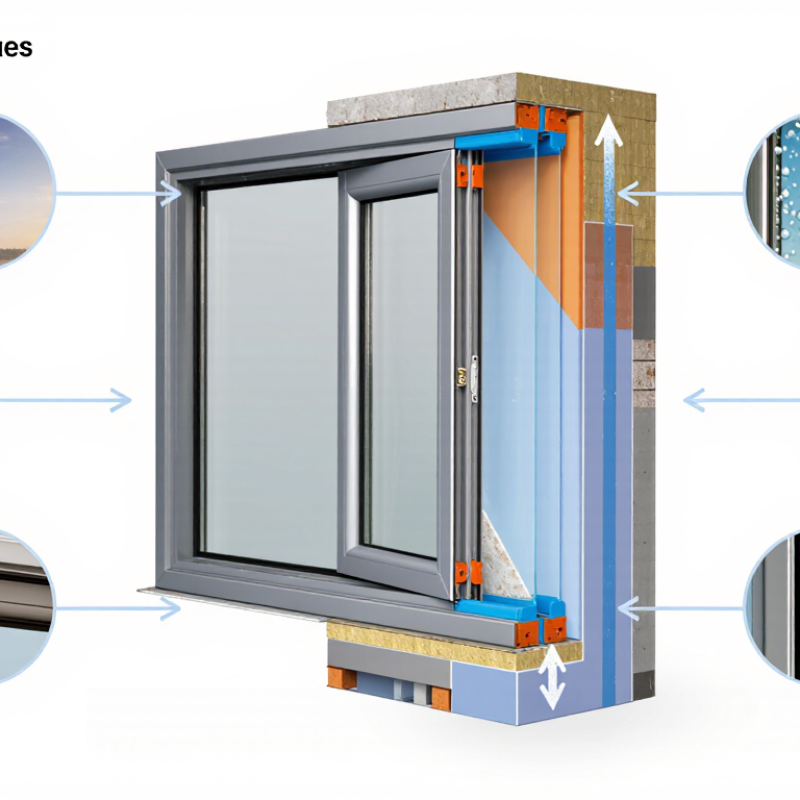
Aluminum Window Lifespan: Typical Years of Service
How Long Do Aluminum Windows Last?
Aluminum windows typically provide 20 to 45 years of service. Well-maintained units can sometimes remain functional beyond that range. Their lifespan depends on alloy quality, frame design, installation, climate, and daily exposure. Coastal air can accelerate corrosion, especially around untreated fasteners and drainage openings. Strong sunlight may also harden seals and reduce their flexibility.
In practical inspections, the frame often outlasts the moving parts. Handles, rollers, locks, and weather seals may need replacement after 10 to 20 years. A window that sticks every morning is sending useful information. Check for loose corners, visible oxidation, water stains, and cold air around the sash. Small repairs can protect the frame from larger moisture damage. However, a replacement seal will not fix a distorted frame.
Maintenance makes a noticeable difference. Clean the tracks twice a year, keep drainage holes open, and inspect joints after severe weather. Avoid abrasive cleaners that can scratch the finish and expose the metal beneath. Professional assessment becomes worthwhile when corrosion spreads, glass fogging persists, or the frame no longer closes squarely. The 20-to-45-year estimate is helpful, but it is not a promise. Some older windows perform surprisingly well; others fail early because installation was rushed. Even a careful inspection can miss concealed water damage, so condition matters more than the calendar.
Maintenance Practices That Extend Aluminum Window Longevity
How Long Do Aluminum Windows Last?
Aluminum windows commonly last 20 to 40 years when they receive consistent care. Their lifespan depends on installation quality, climate, ventilation, and daily use. Coastal air can accelerate corrosion, especially around exposed screws, corners, and drainage openings. In colder regions, repeated expansion and contraction may loosen seals over time. A sound frame is only part of the equation.
Clean the frames every three to six months with mild soap, warm water, and a soft cloth. Avoid abrasive pads, which can damage protective finishes. Clear the drainage channels with a small brush or vacuum attachment. Blocked channels can trap water and encourage corrosion. Check the frame joints after heavy rain. Small gaps deserve attention.
Inspect weather seals annually. Replace cracked, hardened, or shrunken seals before drafts become obvious. Lubricate rollers, locks, and hinges with a product suitable for window hardware. Do not force stiff parts. A qualified window professional should examine persistent leaks, frame movement, or failed glass seals. I once underestimated a tiny drainage blockage; the interior stain appeared months later. That mistake changed my inspection routine. I now photograph each corner and record unusual moisture, although records can still miss hidden damage. Gentle maintenance works best. Never repaint moving hardware or seal over drainage holes.
When to Repair, Replace, or Upgrade Aluminum Windows
How Long Do Aluminum Windows Last?
Aluminum windows often last 20 to 40 years when installed correctly and maintained regularly. Climate, drainage, frame quality, and daily use affect their lifespan. Coastal air can speed up corrosion, especially around exposed fasteners and joints. A window may look fine while its seals quietly fail.
Repair is sensible when the frame remains square and solid. Replace worn rollers, handles, locks, weatherstripping, or broken glass first. A sticky sash often needs cleaning and adjustment, not a complete replacement. Check for water stains, drafts, loose corners, and condensation between glass panes. Small repairs cost less and can preserve the original frame. Do not ignore repeated leaks.
Replacement becomes more practical when corrosion has weakened the frame or movement remains poor after repairs. Consider replacement if the window allows persistent drafts, causes indoor condensation, or increases outside noise. Damaged thermal breaks can also reduce comfort and raise energy use. Still, replacement is not automatically better. Measurements, wall conditions, and installation quality matter greatly.
Upgrade when the frame is serviceable but the glass or hardware feels outdated. Low-emissivity glazing, improved seals, and safer opening controls can make a noticeable difference. A qualified inspector should examine drainage paths and surrounding walls before work begins. Some assessments miss hidden moisture. That mistake can become expensive. Get clear measurements and a written scope before approving the project.
Conclusion
How long do aluminum windows last? In general, well-made aluminum windows can provide several decades of service, often around 20 to 40 years, depending on their construction, installation, climate, and maintenance. Exposure to coastal air, heavy rain, extreme temperatures, poor drainage, and repeated use can shorten their lifespan, while proper sealing, durable finishes, and professional installation can help them perform longer. Regular cleaning, checking hardware, lubricating moving parts, and repairing damaged seals can also prevent small issues from becoming costly problems.
Signs that an aluminum window may be nearing the end of its life include drafts, water leaks, condensation between panes, difficult operation, corrosion, loose frames, and declining energy efficiency. Minor problems may be resolved through repairs or replacement parts, but extensive corrosion, structural damage, or persistent performance issues may justify replacement. Upgrading can be especially beneficial when improved insulation, security, ventilation, or modern operating features are needed.
 ORM Windows
