What Are the Benefits of Aluminum Windows?

Time:2026-11-06 Author:Mason
0%

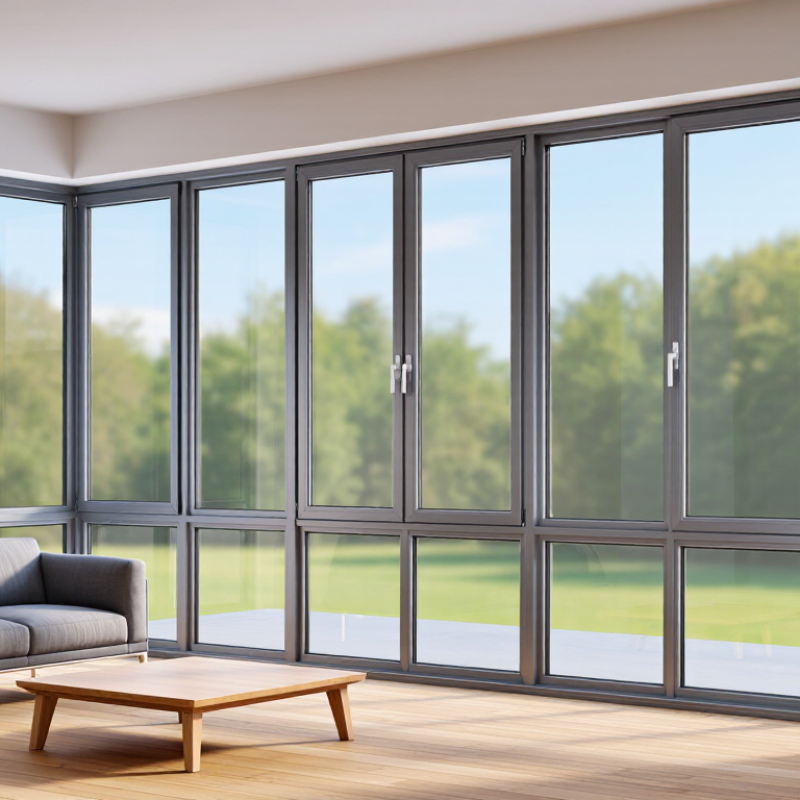
Homeowners asking “what are the benefits of aluminum windows” usually want practical answers: better views, durable frames, and design flexibility. Aluminum can support slim sightlines, so more glass—and daylight—fits within the same opening. Its strength also allows wide panels that slide smoothly across a patio. Details matter, though. Standard aluminum conducts heat, so thermal breaks and suitable glazing are important for comfort.

The U.S. Department of Energy’s Energy Saver guidance estimates that windows account for about 25%–30% of residential heating and cooling energy use. That figure describes windows as a whole, not aluminum frames alone. It is a useful reminder to compare complete window systems, including glass, frame design, seals, and installation. ENERGY STAR ratings and local climate conditions can help guide that comparison. A low-maintenance frame is valuable. So is a warm room.

Architect Ludwig Mies van der Rohe’s famous design maxim, “Less is more,” offers a useful lens for aluminum’s clean, narrow profiles. It is not a promise that every aluminum window performs equally well. A poorly specified frame may feel cold, and even a high-quality unit can disappoint if installed carelessly. Ask manufacturers for documented performance ratings, warranty terms, and details about thermal breaks. Look closely at corners and seals. Those small details affect everyday comfort. Aluminum can be an elegant, long-lasting choice, but the right system depends on the building and climate. One trade-off remains: careful product selection matters more than the frame material alone.
What Are the Benefits of Aluminum Windows?

Aluminum’s 160–205 W/m·K Conductivity Makes Thermal Breaks Essential

What Are the Benefits of Aluminum Windows?

Aluminum’s 160–205 W/m·K Conductivity Makes Thermal Breaks Essential

Aluminum frames are strong, slim, and resistant to weathering. Their high conductivity, often cited around 160–205 W/m·K depending on the material, also lets heat travel quickly through the frame. Without a thermal break, indoor warmth can escape through the metal during winter. In summer, exterior heat can move indoors just as easily.

A thermal break separates the frame’s inner and outer aluminum sections with a less conductive insulating material. This interrupts the direct path for heat transfer. The difference can matter near a window: the interior frame may feel less cold, and the risk of surface condensation may decrease when indoor air is humid. Small detail. Real impact.

A thermal break is not a cure-all. Glass choice, seals, installation quality, and local climate also affect comfort and energy use. On a chilly morning, condensation can still appear if indoor humidity is high or the frame is poorly installed. Check product specifications for whole-window performance, not just frame claims. It is easy to focus on the aluminum itself and overlook the joints, where drafts often begin. That is an imperfect but useful reminder: a well-designed frame still depends on careful installation.

Thermal-Broken Frames Help Improve Window U-Factor Performance

Aluminum is strong and slim, but it conducts heat readily. A thermal break changes that path. It places an insulating barrier between the frame’s exterior and interior aluminum sections, slowing heat transfer through the frame. On a cold morning, that can mean a warmer interior frame surface and less opportunity for condensation. It is not a cure-all.

A window’s U-factor measures how readily heat passes through the whole unit; lower values generally indicate better insulation. Thermal-broken frames can help improve this figure, but the glass, spacers, seals, and frame design matter too. Ask for the tested U-factor of the complete window, not just a frame specification. The distinction matters.

In practice, installation can make or weaken the result. A well-rated window may still lose performance if gaps around its perimeter are poorly sealed. Compare product data for the climate and project, and check whether ratings apply to the same window size and configuration. Condensation also depends on indoor humidity and ventilation. Thermal breaks help, but they do not promise a condensation-free room. That detail is easy to overlook.

High-Strength Aluminum Supports Large Glazed Areas With Slimmer Frames

What Are the Benefits of Aluminum Windows?

High-Strength Aluminum Supports Large Glazed Areas With Slimmer Frames

Aluminum’s strength lets designers use narrower frame sections around broad panes, giving rooms more daylight and clearer outdoor views. Its low weight also helps keep large window assemblies manageable during installation. The Aluminum Association reports a density of about 2.70 g/cm³ for aluminum. Strength still depends on the alloy, frame design, and window size—not the material alone. A slim profile needs proper engineering.

For a wide living-room window, frame stiffness matters under wind pressure and the glass’s own weight. Look for product information showing tested performance, including air leakage, water resistance, and structural pressure ratings. Thermal performance matters too. The U.S. Department of Energy estimates that heat gain and loss through windows account for 25%–30% of residential heating and cooling energy use. Thermally broken frames and suitable glazing can help reduce heat transfer. A narrow frame is not automatically an efficient one.

Tips: Compare whole-window U-factor and solar heat gain coefficient, not frame appearance alone. Check that the proposed size and glazing match the tested configuration. Small details count. Even installation quality can change the result.

AAMA 2604 and 2605 Set Performance Benchmarks for Aluminum Finishes

Aluminum window frames are strong, slim, and resistant to rot, but the finish faces sun, rain, and temperature changes every day. A coating can fade, chalk, blister, or lose adhesion if it is poorly matched to the climate. That is where AAMA 2604 and 2605 matter. These specifications set performance benchmarks for high-quality organic coatings applied to aluminum building products. They assess properties such as color retention, gloss, coating adhesion, and resistance to corrosion and weathering. The test requirements are not identical. AAMA 2605 generally sets more demanding expectations for long-term exposure than AAMA 2604.

For a homeowner, the distinction helps frame a useful question: what finish performance is appropriate for this building’s exposure? A sunny coastal site may place different demands on a window than a shaded inland home. AAMA compliance offers a measurable reference, not a guarantee that every coated window will perform identically. Installation, drainage, maintenance, and the exact coating system still matter. Check which specification is cited, and ask whether it applies to the finished product and its intended use. Small print matters. Even a strong coating cannot correct standing water or damaged sealant around a frame. That caveat is easy to overlook.

What Are the Benefits of Aluminum Windows?

AAMA 2604 and 2605 Set Performance Benchmarks for Aluminum Finishes

AAMA 2604 specifies a five-year South Florida outdoor exposure benchmark, while AAMA 2605 specifies ten years. These standards help compare the weathering performance of architectural aluminum finishes; they are finish benchmarks, not guarantees of a window’s service life.

IAI: Recycling Aluminum Uses About 95% Less Energy Than Primary Production

Aluminum windows offer slim frames, durable performance, and a material that can be recycled. The energy difference is striking: industry estimates indicate that producing recycled aluminum uses about 95% less energy than making primary aluminum from raw ore. That comparison concerns metal production, not the full energy footprint of a finished window. Still, it shows why recovered aluminum can matter.

Picture an old frame sorted, melted, and formed into new stock instead of starting with mined ore. Less production energy can mean a smaller manufacturing impact, especially when recycling systems collect clean, usable scrap. The process is not automatic. Coatings, mixed materials, and poor sorting can complicate recovery, and collection varies by location. A window’s overall performance also depends on details such as thermal breaks, glazing, and installation. A slim frame is not enough if heat slips through the edges. Aluminum is practical, but it is not impact-free. The 95% figure is useful context, not a guarantee for every product or project. That distinction deserves attention.

What Are the Benefits of Aluminum Windows? — Recycling Aluminum Uses About 95% Less Energy Than Primary Production
Benefit or property Fact or measurement Why it matters for windows
Lower energy demand from recycling Recycling aluminum uses about 95% less energy than producing primary aluminum from raw materials. Recycled content can reduce the energy required to supply aluminum for new window frames. Actual savings depend on the recycled content and production process.
Recyclability Aluminum can be recycled repeatedly without a significant loss of its material properties when it is properly collected and processed. Frames removed during renovation or demolition may be recovered as a valuable material rather than sent to landfill.
Light weight Aluminum has a density of approximately 2.7 g/cm³, making it substantially lighter by volume than common structural steel. Its strength-to-weight characteristics can help create slim frame sections and make large window units easier to handle than heavier alternatives of comparable design.
Corrosion resistance A naturally forming oxide layer helps protect aluminum from further corrosion; coatings and finishes can provide additional protection. This can support long service life, although performance depends on the alloy, finish, exposure conditions, and maintenance.
Design flexibility Aluminum can be shaped through extrusion into a wide range of frame profiles. Designers can use narrow sightlines, varied shapes, and larger glazed areas, subject to structural, safety, and local building requirements.
Thermal performance requires careful design Aluminum conducts heat readily, so many energy-efficient frames use thermal breaks and are paired with suitable insulated glazing. A well-designed thermal break reduces heat transfer through the frame. Compare the complete window’s rated performance rather than judging efficiency by frame material alone.

FAQS

Why do aluminum window frames need thermal breaks?

Aluminum conducts heat quickly, often around 160–205 W/m·K. A thermal break interrupts heat flow between the frame’s inner and outer sections. Small detail. Noticeable near a cold window.

What does a thermal break do in winter and summer?

It can reduce heat escaping through the frame in winter and entering indoors in summer. The inside frame may feel less cold. It does not stop all heat transfer.

Can thermal breaks prevent window condensation?

They may lower the risk of condensation on the frame. But humid indoor air, cold weather, or poor installation can still cause droplets. It is not a guarantee.

Why can aluminum frames be slim around large windows?

Aluminum’s strength can support broad glass panes with narrower frame sections. That may bring more daylight and clearer outdoor views. The design still needs proper engineering.

Does a slim frame always mean a stronger, more efficient window?

No. Strength depends on the alloy, frame design, window size, and glass weight. A narrow profile is not automatically efficient. Check tested performance.

Which performance details should I compare?

Review the whole-window U-factor and solar heat gain coefficient. Also check tested air leakage, water resistance, and structural pressure ratings. Frame appearance alone tells little.

How much can windows affect home energy use?

Heat gain and loss through windows account for an estimated 25%–30% of residential heating and cooling energy use. Suitable glazing and thermally broken frames can help reduce transfer.

Why does installation quality matter so much?

Poorly fitted joints can let drafts in, even with a well-designed frame. Match the window size and glazing to tested specifications. The joints matter too.

Conclusion

When considering what are the benefits of aluminum windows, it helps to look at both their design potential and their long-term performance. Aluminum is strong enough to support expansive glazed areas with relatively slim frames, allowing more daylight and broad, unobstructed views. However, its high thermal conductivity—about 160–205 W/m·K—means that insulation must be carefully addressed. Thermal breaks separate the inner and outer parts of a frame, helping reduce heat transfer and improve the window’s overall U-factor performance.

Durability and resource efficiency add to aluminum’s appeal. Finish specifications such as AAMA 2604 and 2605 provide benchmarks for coating performance, including resistance to weathering and wear. Aluminum can also be recycled repeatedly, and recycling it uses about 95% less energy than producing primary aluminum. Together, these qualities make aluminum windows a versatile option for projects seeking slender profiles, reliable finishes, improved thermal performance, and a material with strong recycling potential.

Mason

Mason

Mason is a seasoned marketing professional with a deep expertise in the company's offerings and a passion for driving brand awareness. With a strong background in digital marketing strategies, he has an innate ability to connect with diverse audiences and effectively communicate product benefits.......