How to Select Aluminum Windows for Your Commercial Building?

Time:2026-07-26 Author:Isabella
0%

Choosing the right aluminum windows is crucial for commercial buildings. The architecture and design of a structure directly impact its energy efficiency and aesthetics. According to a recent industry report, energy-efficient windows can reduce heating and cooling costs by up to 30%. This fact underlines the importance of understanding how to select aluminum windows for commercial buildings.

Businesses face challenges in maintaining operational costs while creating appealing environments. Poor window selection can lead to higher energy bills and discomfort for occupants. In fact, optimizing window designs can enhance natural light, improving employee productivity. It is essential to analyze factors like durability, thermal performance, and maintenance needs.

Selecting aluminum windows requires careful consideration of various elements. Different projects demand unique solutions. A standard choice may not always fit specific requirements. Understanding trends in the industry and collaborating with professionals can guide this process. The right choice can significantly influence a building's overall success.
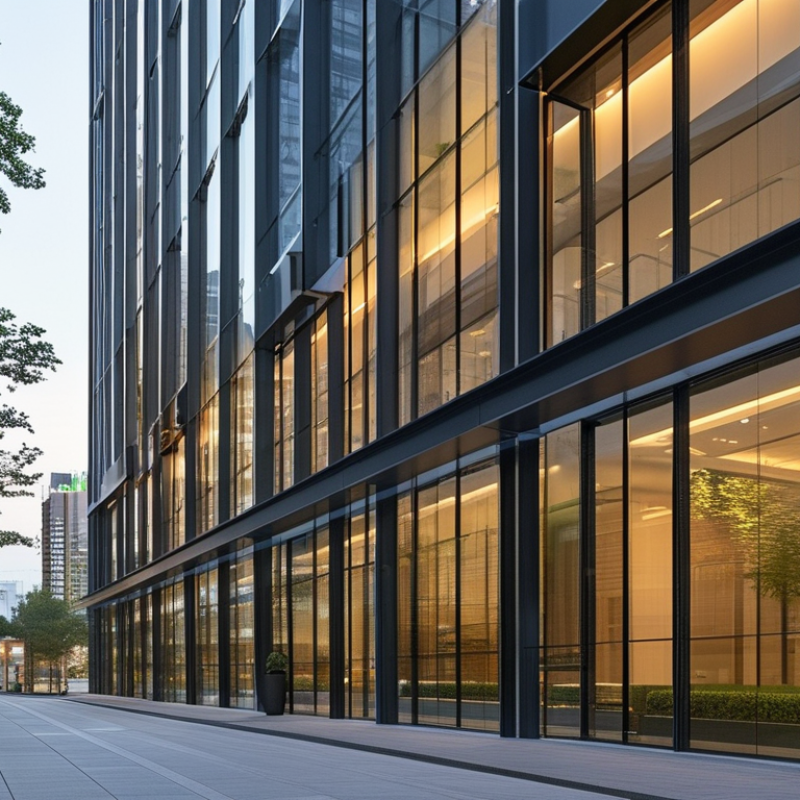
How to Select Aluminum Windows for Your Commercial Building?

Factors to Consider When Choosing Aluminum Windows for Commercial Use

When selecting aluminum windows for your commercial building, several factors need careful consideration. One key aspect is energy efficiency. Look for windows with good insulation properties. This helps reduce heating and cooling costs. The right windows can significantly lower your energy bills over time.

Another factor is durability. Aluminum windows can resist harsh weather conditions. They are less prone to warping or rotting than wood. However, ensure they have a strong finish to prevent corrosion. Regular maintenance can prolong the window's lifespan.

Tips:
Think about design. Customizing the size and shape can enhance the aesthetics of your building. Consult with professionals for optimal design solutions. Also, check local building codes. Compliance is crucial to avoid potential issues later. Always measure before purchasing to ensure a proper fit. Remember, choosing the right aluminum window involves balancing aesthetics with functionality.

How to Select Aluminum Windows for Your Commercial Building?

Factor Description Importance (1-5)
Durability Aluminum windows should withstand weather conditions and daily wear. 5
Energy Efficiency Consider thermal breaks and insulation to minimize energy loss. 4
Maintenance Select windows that require minimal upkeep over time. 3
Cost Balance between initial investment and long-term savings. 4
Aesthetics Choose designs that complement the building's architecture. 3
Security Ensure windows have secure locking mechanisms and impact resistance. 5

Understanding Energy Efficiency Ratings for Aluminum Windows

When selecting aluminum windows for commercial buildings, energy efficiency is a key factor. Windows are not just openings; they significantly impact the building's overall energy performance. Understanding energy efficiency ratings can help in making informed choices. Look for windows with a high U-factor, as this indicates better insulating properties. A lower U-factor means reduced heat loss in winter and less heat gain in summer.

Another important rating is the Solar Heat Gain Coefficient (SHGC). This measures how much solar radiation passes through a window. Ideally, lower SHGC values are preferable in warmer climates. They minimize heat build-up, lowering air conditioning costs. Do not overlook the Visible Transmittance (VT) rating, either. It indicates how much light enters. A balanced VT is essential for natural lighting while keeping glare and heat in check.

The perfect choice requires careful consideration. Not every window meets the specific needs of your building. Research energy performance labels and understand their implications. Not all products with the same rating perform identically in real-life conditions. Seek advice from experts who understand local climate impacts. Their insights help bridge gaps in knowledge. A detailed analysis can lead to better outcomes, but remember, no system is flawless. Regular maintenance is crucial to keep windows performing optimally over time.

Energy Efficiency Ratings for Aluminum Windows

The Importance of Durability and Maintenance in Commercial Aluminum Windows

When choosing aluminum windows for commercial buildings, durability and maintenance stand out as critical factors. Industry studies reveal that commercial aluminum windows can last between 20 to 30 years with proper care. This longevity is vital for minimizing replacement costs. Choosing high-quality aluminum frames can significantly reduce the frequency of maintenance and repairs, thus saving money in the long run.

However, not all aluminum windows are created equal. Some may require more frequent maintenance, particularly in harsh climates. Corrosion, especially in coastal areas, can compromise a window's integrity if not properly addressed. Regular inspections and protective coatings can mitigate some of these issues, but building owners should be aware of potential hidden costs.

The importance of energy efficiency also plays a role in durability. Windows with poor thermal performance can lead to higher heating and cooling costs. Research shows that well-insulated aluminum windows can reduce energy consumption by up to 30%. This connection between durability and energy efficiency illustrates the importance of thoughtful selection and maintenance practices for aluminum windows in commercial settings.

Cost Analysis: Initial Investment vs. Long-term Savings of Aluminum Windows

When considering aluminum windows for your commercial building, a detailed cost analysis is crucial. The initial investment can be higher than other materials like vinyl or wood. For instance, industry reports often cite an average cost increase of 20-30% for aluminum windows. However, the long-term savings can significantly offset these higher upfront costs. Aluminum windows are known for their energy efficiency, boasting thermal performance that reduces heating and cooling expenses by up to 40%.

Tip: Always evaluate the total lifecycle costs of windows. While the first purchase price is important, consider maintenance and energy savings over time. Aluminum windows typically require less maintenance than wood, which often rots or warps.

Investing in aluminum windows enhances durability. A properly installed aluminum window can last over 30 years. Reports indicate that the initial investment pays off within a decade through reduced energy bills. Meanwhile, ensure you choose thermally broken options for even better insulation.

Tip: Look for energy-efficient ratings, like the National Fenestration Rating Council (NFRC) labels. Understanding these values helps to identify windows that meet your performance needs, balancing initial costs with potential savings.

Aesthetic and Design Options for Aluminum Windows in Commercial Architecture

When selecting aluminum windows for commercial buildings, aesthetic choices play a vital role. The framing design can influence the overall look of the structure. Sleek, thin frames tend to create a modern appearance. They can enhance the business's image by projecting professionalism and style. For a more artistic effect, consider custom designs that reflect the brand's identity. Unique shapes or colors can add character and intrigue.

Color options for aluminum windows are vast. Neutral colors often appeal to a broad audience, while bold shades can make a statement. Matte finishes can help reduce glare, creating a softer appearance. Sometimes, awkward color combinations lead to unintended effects. This reflects a lack of cohesion in design. Careful color selection ensures that windows complement the overall architecture.

In addition to color, glass type is crucial. Clear or tinted glass affects how much light enters the building. But too much glass can lead to heat and glare issues. Reflective glass may enhance energy efficiency but can also disconnect the building from its surroundings. Finding the right balance between aesthetics and functionality can be challenging, yet it’s essential for the long-term success of the commercial space.

FAQS

: What is the U-factor in energy efficiency ratings?

: The U-factor measures a window's insulating properties. Lower values indicate better heat retention and energy performance.

Why is the Solar Heat Gain Coefficient (SHGC) important?

SHGC shows how much solar radiation enters through a window. Lower values are preferred in warmer climates to reduce cooling costs.

How does Visible Transmittance (VT) affect window selection?

VT indicates light entry into a building. A balanced VT ensures natural lighting while limiting glare and heat.

Are aluminum windows cost-effective in the long run?

Yes, despite higher initial costs, they can save up to 40% on heating and cooling bills over time.

What maintenance issues should I consider with aluminum windows?

Aluminum windows typically require less maintenance than materials like wood, reducing long-term upkeep challenges.

How long can aluminum windows last?

Properly installed aluminum windows can last over 30 years, making them a durable choice for buildings.

Should I consider lifecycle costs when choosing windows?

Absolutely. Evaluating purchase price, maintenance, and energy savings gives a clearer picture of long-term value.

Is expert advice beneficial in selecting windows?

Yes, experts can provide insights on local climate impacts, which can help ensure the right choice is made.

What if products have the same efficiency ratings?

Not all rated products perform the same in real conditions. Detailed analysis is needed to assess real-life performance.

Do all aluminum windows meet the same energy standards?

No, not all aluminum windows are equal. Researching energy ratings is crucial to finding the best fit for your needs.

Conclusion

When considering how to select aluminum windows for commercial buildings, several critical factors should be evaluated. First, understanding energy efficiency ratings is essential, as windows with high ratings contribute to reduced energy costs over time. Additionally, the durability and maintenance requirements of aluminum windows play a crucial role, as these features ensure the longevity of the installations in a commercial setting.

Cost analysis is another vital component, balancing initial investment against long-term savings. While aluminum windows may have a higher upfront cost, their durability often leads to lower maintenance and energy expenses in the long run. Finally, the aesthetic and design options available for aluminum windows can significantly enhance the architectural appeal of a commercial building, making them a versatile choice for various styles.

Isabella

Isabella

Isabella is a dedicated marketing professional with a sharp focus on driving brand growth and engagement through strategic content creation. With an extensive background in digital marketing, she combines her passion for storytelling with her keen understanding of industry trends to deliver......