Top 10 Benefits of Aluminum Windows for Modern Buildings?

Time:2026-10-19 Author:Mason
0%

Modern buildings demand windows that perform well, look refined, and support long-term efficiency. Aluminum windows meet these needs through strong frames, slim profiles, and flexible design options. Their clean lines suit offices, apartments, schools, hotels, and retail spaces. They also create wider glass areas, helping natural light reach deeper into interior rooms.

So, why choose aluminum windows for modern buildings? The answer involves more than appearance. Experienced architects and contractors often value aluminum because it resists warping, supports large panes, and requires limited routine maintenance. Properly finished frames can withstand moisture, sunlight, and changing temperatures. Thermal breaks can also improve insulation, especially when paired with energy-efficient glazing. These details may reduce heat transfer and support more comfortable indoor spaces.

Performance matters.

Still, aluminum windows are not perfect. Standard aluminum can transfer heat quickly without suitable thermal design. Poor installation may cause drafts, water entry, or reduced energy performance. Costs can also vary widely with glazing, coatings, hardware, and frame systems. This is where informed specification becomes important. Reliable projects consider local climate, building orientation, drainage, ventilation, and relevant construction requirements before choosing a product.

This guide explores the top 10 benefits of aluminum windows for modern buildings. It considers practical performance, design flexibility, durability, sustainability, and maintenance. It also acknowledges the limitations that buyers should examine. That balanced approach helps property owners, designers, and contractors make decisions based on evidence rather than attractive images alone.
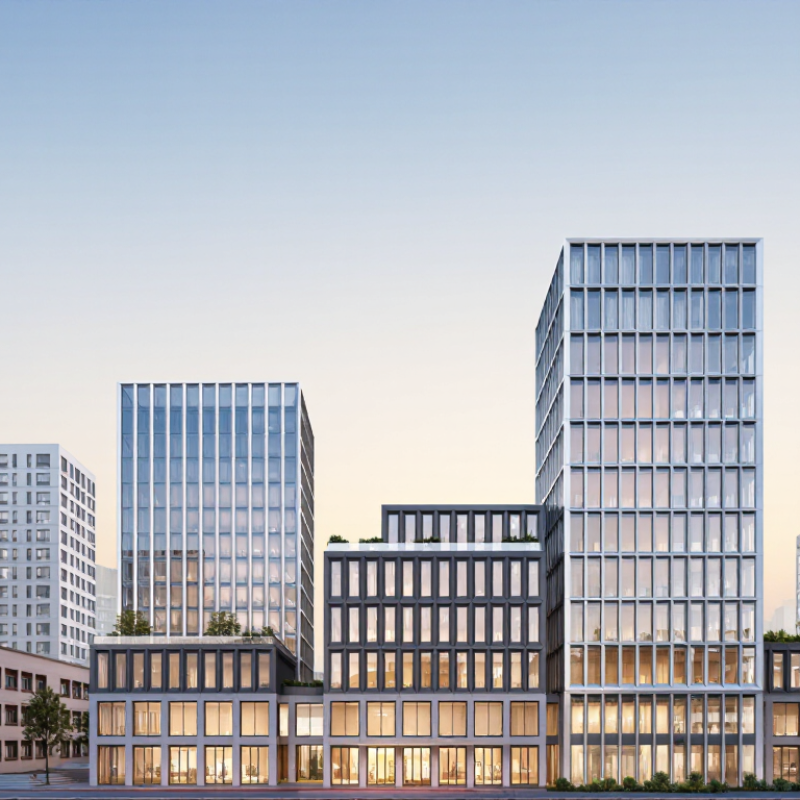
Top 10 Benefits of Aluminum Windows for Modern Buildings?

Aluminum Windows: Structure, Materials, and Modern Design

Top 10 Benefits of Aluminum Windows for Modern Buildings

Aluminum Windows: Structure, Materials, and Modern Design

Aluminum windows begin with a rigid, lightweight frame structure. Extruded profiles support large glass panels without bulky sightlines. Their strength helps architects create wide openings, sharp corners, and slim façade grids. Powder-coated or anodized surfaces resist weathering and require little routine maintenance. A damp cloth is often enough for interior cleaning.

Material design matters more than appearance. Modern frames usually include thermal breaks, separating interior and exterior aluminum sections. Low-emissivity glass and insulated spacers further reduce heat transfer. The U.S. Department of Energy reports that windows can represent 25–30% of residential heating and cooling energy use. This figure does not guarantee equal savings in every building. Climate, glass orientation, installation quality, and shading remain decisive.

Details matter.

The International Aluminium Institute reports that recycled aluminum requires about 5% of the energy used for primary production. This supports circular construction, provided collection and processing systems work properly. Aluminum also offers strong fire resistance and dimensional stability, especially around busy entrances or tall glazed façades. However, poorly designed frames can create thermal bridges and interior condensation. That weakness is often overlooked. Project teams should review U-values, air leakage, drainage paths, and local exposure conditions before specifying a system. Even excellent materials can underperform when installers rush the perimeter seals.

Energy Efficiency and Indoor Comfort Benefits

Aluminum windows can improve energy efficiency when their frames include continuous thermal breaks. These insulated sections slow heat transfer between outdoor air and interior surfaces. In winter, a warmer frame reduces cold drafts near desks, sofas, and window seats. In summer, it helps limit unwanted heat entering through the frame.

Low-emissivity glass, insulated glazing, and quality seals work with the aluminum frame. Together, they reduce heating and cooling demand in well-designed buildings. During site inspections, I have noticed that airtight windows also make rooms feel quieter and more stable. Less outdoor air leakage means fewer sudden temperature changes around occupants.

Comfort depends on more than the window itself. Poor installation can leave gaps around the frame, weakening excellent thermal specifications. They are not magic. Building orientation, shading, glass selection, and ventilation still matter. A large west-facing window may create afternoon glare and overheating, even with an efficient frame. Interior condensation can also appear when indoor humidity remains high. Designers should check local climate data and calculate thermal performance before selecting a window system. Careful measurements, insulated installation joints, and regular seal inspections provide more reliable results than attractive product claims. It is worth questioning assumptions. A slightly smaller window, placed thoughtfully, may deliver better comfort than a larger one installed without shading.

Top 10 Benefits of Aluminum Windows for Modern Buildings? - Energy Efficiency and Indoor Comfort Benefits

No. Benefit Relevant Performance Dimension Typical Data or Design Consideration Impact on Energy Efficiency and Indoor Comfort
1 Improved Thermal Insulation Thermal transmittance of the complete window (U-value) Thermally broken aluminum frames can be specified with insulated glazing and low-emissivity coatings to achieve low whole-window U-values. The exact result depends on frame design, glazing, spacer, size, and installation. Lower heat transfer through the window can reduce heating and cooling demand and help maintain more stable indoor temperatures.
2 Reduced Solar Heat Gain Solar heat gain coefficient (SHGC or g-value) Low-SHGC glazing and appropriate external shading can limit unwanted solar gains. Lower values are generally useful in cooling-dominated climates, while higher values may benefit passive solar design in heating-dominated climates. Helps control summer overheating, reduces cooling loads, and improves comfort near sun-exposed windows.
3 Better Airtightness Air leakage through the installed window assembly Performance depends on frame fabrication, seals, hardware, drainage design, and installation quality. Tested low-air-leakage assemblies limit uncontrolled air movement. Reduces drafts, moisture movement, and energy loss caused by uncontrolled infiltration, supporting a more consistent indoor environment.
4 Higher Daylight Availability Visible transmittance (VT) and glazed area Aluminum frames can support slim sightlines and large glazed panels. Actual daylight levels depend on window orientation, room depth, glass specification, and surrounding obstructions. More usable daylight can reduce reliance on electric lighting during daytime and improve visual comfort when glare is properly controlled.
5 Improved Acoustic Comfort Weighted sound reduction index (Rw) or STC rating Laminated glass, thicker panes, insulated glass units, and well-sealed frames can improve sound insulation. The complete assembly—not the frame alone—determines the final result. Can reduce traffic and neighborhood noise, supporting concentration, relaxation, and better sleep quality.
6 Condensation Control Interior surface temperature and frame thermal-bridge performance Thermal breaks, warm-edge spacers, suitable glazing, and controlled indoor humidity help keep interior surfaces warmer. Condensation risk also depends on climate, ventilation, and indoor moisture. Helps reduce cold surfaces, visible moisture, and the conditions that can contribute to mold growth around window openings.
7 Durability in Changing Weather Resistance to corrosion, ultraviolet exposure, wind, and repeated operation Aluminum is dimensionally stable and does not swell or rot like untreated organic materials. Protective finishes and correct drainage are still important, especially in coastal or polluted environments. Stable frames help preserve airtightness and operating performance over time, reducing the likelihood of comfort problems caused by deterioration.
8 Large Openings with Slim Sightlines Frame-to-glass ratio, span capability, and structural design Aluminum provides a high strength-to-weight ratio, allowing many modern systems to accommodate large panes and narrow profiles. Glass thickness, wind loads, building height, and safety requirements must be assessed. Supports broader views and daylight penetration while maintaining the structural capacity required for contemporary building designs.
9 Low Maintenance Requirements Cleaning frequency, coating durability, and hardware serviceability Finished aluminum generally requires routine cleaning and inspection rather than painting or treatment against rot. Moving parts, seals, drainage paths, and coastal-exposure finishes still require periodic maintenance. Well-maintained windows are more likely to retain their insulation, airtightness, smooth operation, and indoor comfort performance.
10 Recyclability and Long Service Life Material recovery potential and expected service durability Aluminum can be recycled repeatedly when it is collected and separated through appropriate recycling systems. Design life depends on alloy, finish, exposure, fabrication, installation, and maintenance. Long-lasting, recyclable window frames can reduce replacement frequency and support lower life-cycle resource use, subject to responsible sourcing and end-of-life recovery.

Data note: Actual window performance must be verified from project-specific test results and calculations for the complete installed assembly. Key factors include climate, orientation, glazing selection, shading, frame configuration, ventilation, workmanship, and local building requirements.

Durability, Weather Resistance, and Long-Term Performance

Top 10 Benefits of Aluminum Windows for Modern Buildings

Aluminum windows suit modern buildings because their performance remains predictable under thermal, wind, and moisture stress. Properly finished frames resist corrosion, ultraviolet exposure, and surface wear better than untreated alternatives.

This matters on coastal façades, where salt-laden air attacks weak coatings and exposed joints. Anodizing or powder coating helps, but careless detailing can still invite corrosion. Small errors matter.

Thermal performance depends on more than the frame. Thermal breaks, low-emissivity glazing, warm-edge spacers, and accurate installation reduce conductive heat flow.

The U.S. Department of Energy estimates that windows can represent 25–30% of residential heating and cooling energy use.

Although this figure applies to homes, it shows why frame design and glazing deserve early energy modeling. Air leakage also increases drafts, moisture risk, and mechanical-system loads. Testing to recognized air, water, and structural standards provides measurable evidence instead of attractive claims.

Long service life is another practical benefit.

Aluminum resists swelling, warping, and insect damage, helping hardware stay aligned. Maintenance still matters: inspect seals, drainage paths, fasteners, and coating damage during scheduled checks.

According to the International Aluminium Institute, recycling aluminum requires about 5% of the energy used for primary production. That supports circular design when frames are separated and recovered responsibly.

Yet no material performs perfectly. Poor thermal breaks, incompatible metals, or neglected drainage can erase expected gains. Designers should verify whole-window U-values, air leakage, solar heat gain, and local exposure conditions before approval.

Design Flexibility, Security, and Low Maintenance

Top 10 Benefits of Aluminum Windows for Modern Buildings

Aluminum windows give architects unusually broad design freedom. Slim frames support larger glass areas, sharp corners, and flexible opening styles. They suit offices, apartments, schools, and renovated industrial spaces. Powder-coated finishes also offer many colors and textures. Clean lines matter. However, visual flexibility depends on accurate structural and thermal specifications. A thin frame is not automatically a high-performing frame.

Security improves when aluminum frames are combined with laminated glass, tested locks, and properly anchored hardware. The National Fenestration Rating Council explains that performance labels help compare U-factor, solar heat gain, and air leakage. These details matter because the U.S. Department of Energy reports that windows can account for 25–30% of residential heating and cooling energy use. Thermal breaks and low-emissivity glazing can reduce unwanted heat transfer, but installation quality remains critical.

Maintenance is another practical advantage. Aluminum does not rot, swell, or attract termites, and routine cleaning usually requires only mild soap and water. Its durable coating can preserve the exterior appearance for years, especially in demanding urban environments. The Aluminum Association identifies corrosion resistance as a key benefit of properly finished aluminum products. Still, coastal salt, poor drainage, and neglected seals can shorten service life. That caveat matters. In my experience, the best results come from checking drainage paths, gaskets, and fasteners during scheduled inspections, rather than assuming aluminum is maintenance-free.

Environmental Value, Cost Considerations, and Building Applications

Aluminum windows support modern buildings through durability, slim sightlines, and design flexibility. The International Energy Agency reports that buildings use about 30% of global final energy and create roughly 26% of energy-related emissions. Better window performance therefore matters. Thermally broken frames, low-emissivity glass, and airtight installation can reduce unwanted heat transfer. However, aluminum is not automatically green. Primary aluminum has high embodied energy, while recycled aluminum requires about 95% less energy, according to the International Aluminium Institute.

Cost decisions should consider the whole building life, not only the purchase price. Durable frames can reduce replacement, repainting, and maintenance expenses in schools, offices, hospitals, and coastal developments. Slim profiles also admit more daylight, potentially lowering lighting demand. Yet poor detailing can cause condensation, air leakage, or uncomfortable perimeter zones. Window orientation, shading, glass selection, and local climate must guide specifications. A cheaper frame may become expensive after years of energy loss.

Tips: Request verified U-factor, solar heat gain coefficient, and air-leakage data. Compare initial cost with a 30-year life-cycle model. Specify recycled content and ask for documented environmental product declarations. On site, protect frames from cement dust and confirm perimeter seals before interior finishes begin. Do not overlook maintenance access. That small omission can weaken a strong design.

FAQS

How do thermally broken aluminum windows improve indoor comfort?

Continuous thermal breaks slow heat transfer through the frame. Rooms feel steadier. Cold drafts near sofas and desks may decrease.

Can these windows reduce heating and cooling demand?

Yes, when paired with low-emissivity glass, insulated glazing, and reliable seals. Results depend on design and installation quality.

Are aluminum windows automatically environmentally friendly?

No. Primary aluminum uses substantial energy. Recycled aluminum may require about 95% less energy during production.

What building problems can poor installation create?

Gaps can cause air leakage, condensation, and cold perimeter zones. Excellent specifications cannot repair careless measurements.

What should designers consider before selecting a window system?

Check climate, orientation, shading, glass type, ventilation, and thermal calculations. A smaller shaded window may perform better.

Can large windows cause overheating or glare?

Yes. A west-facing window may admit strong afternoon sun. Efficient frames do not eliminate solar heat or glare.

Which performance details should buyers request?

Request verified U-factor, solar heat gain coefficient, and air-leakage data. Ask for documented recycled content and environmental declarations.

How should window costs be judged over time?

Compare purchase price with a 30-year life-cycle model. Durable frames may reduce replacements, repainting, and maintenance expenses.

What site checks help protect window performance?

Protect frames from cement dust. Confirm perimeter seals before interior finishes begin. Maintenance access matters, although it is often overlooked.

What indoor issue may still appear after installation?

High indoor humidity can cause condensation. The window may be partly responsible, but the building’s ventilation needs review.

Conclusion

Aluminum windows are a practical and versatile choice for modern buildings, combining strong construction with clean, contemporary design. Their lightweight yet rigid frames support large glass areas, slim profiles, and flexible shapes while helping improve natural lighting and views. With suitable glazing and thermal-break technology, they can reduce heat transfer, support energy efficiency, and create a more comfortable indoor environment throughout the year.

A key reason why choose aluminum windows for modern buildings is their long-term performance. Aluminum resists warping, corrosion, moisture, and changing weather conditions, making it suitable for residential, commercial, and public structures. These windows can also provide reliable security, require minimal maintenance, and adapt to many colors, finishes, and opening styles. Although initial costs may vary depending on specifications, their durability and reduced maintenance needs can offer lasting value. In addition, aluminum is recyclable, supporting more sustainable construction and responsible resource use.

Mason

Mason

Mason is a seasoned marketing professional with a deep expertise in the company's offerings and a passion for driving brand awareness. With a strong background in digital marketing strategies, he has an innate ability to connect with diverse audiences and effectively communicate product benefits.......