What Features Make High Performance Aluminum Windows?

Time:2026-09-19 Author:Isabella
0%

What features make high performance aluminum windows is no longer a purely aesthetic question. It affects energy use, comfort, condensation control, and long-term durability. The International Energy Agency reports that buildings and construction represent about 30% of global energy demand. In the United States, the Department of Energy estimates that windows can account for 25% to 30% of residential heating and cooling energy use. These figures make window design impossible to treat as a minor specification.

A high-performance aluminum window usually combines thermally broken frames, insulated low-emissivity glazing, reliable weather seals, and carefully selected U-factor and solar heat gain coefficient values. The National Fenestration Rating Council explains that certified ratings help compare products under consistent conditions. Air leakage matters, too. A loose corner seal can create a cold draft beside a perfectly insulated glass unit. Frame depth, drainage paths, hardware strength, and installation quality also deserve attention. The best specification can still fail when the sill is poorly flashed.

Building scientist Dr. Joseph Lstiburek has offered a useful warning: “Windows are not walls.” His statement sounds simple, but it exposes a common mistake. Aluminum frames are strong, slim, and recyclable, yet aluminum also conducts heat quickly. Thermal breaks must therefore interrupt that path without compromising structural performance. I have seen product discussions focus heavily on glass and ignore installation tolerances. That is an incomplete approach. This outline examines the practical features, test standards, and design decisions behind high-performance aluminum windows, while acknowledging that climate, orientation, and workmanship can change the final result.
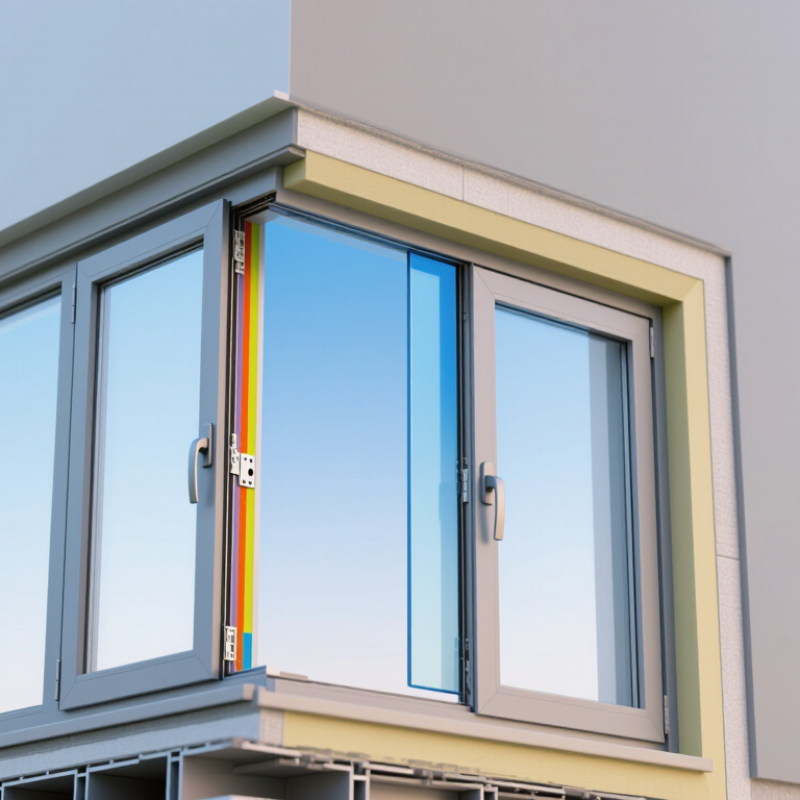
What Features Make High Performance Aluminum Windows?

Core Materials and Structural Design of High-Performance Aluminum Windows

High-performance aluminum windows begin with the frame, not the glass alone. Extruded aluminum provides strength, dimensional stability, and a clean appearance. Its low weight also supports larger openings without excessive structural load. However, aluminum conducts heat quickly. Thermal breaks are essential.

A reinforced polyamide strip separates the inner and outer aluminum sections. This interruption reduces heat transfer through the frame. Insulated glass units add another layer of control, especially when paired with low-emissivity coatings and argon-filled cavities. Yet, material selection must match the climate, window size, and installation conditions. A thicker frame is not automatically better.

Structural design determines how these materials perform together. Multi-chamber profiles improve rigidity and create space for seals, drainage paths, and insulation. Continuous gaskets help resist air leakage and rain penetration. Strong corner joints are equally important. Small gaps matter. In practical inspections, poor alignment often causes more trouble than an imperfect material choice. Fasteners should resist corrosion, while drainage channels must remain clear after installation. Designers should also allow for thermal movement, because aluminum expands and contracts with temperature changes. Some projects still overemphasize appearance and underestimate maintenance access. That decision deserves review. Reliable performance depends on tested air, water, wind, and thermal results, not attractive specifications alone.

Thermal Breaks and Insulation Technologies for Improved Energy Efficiency

What Features Make High Performance Aluminum Windows?

Thermal breaks separate an aluminum frame’s interior and exterior paths with a low-conductivity polyamide barrier. This reduces heat transfer through the metal. The U.S. Department of Energy reports that windows can cause 25–30% of residential heating and cooling energy use. That figure explains why frame design deserves attention, not just glass selection.

High-performance systems usually combine thermal breaks, insulated glazing, warm-edge spacers, and low-emissivity coatings. The National Fenestration Rating Council recommends comparing whole-window U-factor and solar heat gain coefficient, rather than frame claims alone. A lower U-factor generally indicates better insulation. In practical site reviews, installation often becomes the weak point. Even a well-insulated frame can leak air around an uneven opening. I still see this overlooked.

Tips: Check the tested whole-window values. Ask for air-leakage data and installation details. Use expanding foam carefully, then seal the interior and exterior edges. Do not assume thicker aluminum means better efficiency. Thermal breaks must remain continuous around corners, sashes, and hardware. Regional climate matters too; excessive solar control may reduce useful winter heat. The U.S. Department of Energy advises selecting window performance values for local conditions, not copying a specification from another project. Retrofit decisions can be imperfect. Measure first.

What Features Make High-Performance Aluminum Windows?

Thermal breaks and insulated glazing reduce heat transfer through the window assembly. Lower U-factor values indicate better thermal insulation.

Representative whole-window U-factors are shown in W/m²·K. Values vary with window size, frame geometry, glazing, spacer design, and installation quality. Thermal-break systems typically use a low-conductivity insulating separator between the interior and exterior aluminum sections.

Advanced Glazing Options for Solar, Acoustic, and Thermal Control

High-performance aluminum windows depend on glazing as much as on the frame. The International Energy Agency reported that buildings used about 30% of global final energy in 2022. Window selection therefore affects both comfort and operating costs. The U.S. Department of Energy estimates that windows can represent 25–30% of residential heating and cooling energy use. Low-emissivity coatings, insulated glass units, and thermally broken frames help reduce unwanted heat transfer. A lower U-factor usually means better insulation. Solar heat gain coefficient also matters in sunny rooms.

Control the sun carefully. Low-SHGC glass can reduce summer overheating, especially beside large south- or west-facing openings. However, excessive solar rejection may increase winter heating demand in colder climates. Local orientation matters. Acoustic performance needs equal attention. Laminated glass, different pane thicknesses, and airtight gaskets can reduce traffic and construction noise. A higher STC rating indicates stronger indoor sound control, but installation gaps can undermine laboratory results. Small gaps matter.

Field inspections often find condensation around spacers or poorly sealed corners. That detail is easy to miss. Warm-edge spacers and quality drainage improve real-world reliability. Lawrence Berkeley National Laboratory research also shows that advanced windows can reduce annual building energy use, although savings vary by climate, shading, and occupant behavior. This is where specifications need humility. Triple glazing is not always the best answer. A properly sized double-glazed unit may perform better than an oversized, poorly installed system. Review U-factor, SHGC, visible transmittance, STC, and installation quality together.

Weather Resistance, Durability, and Long-Term Window Performance

What Features Make High Performance Aluminum Windows?

Weather Resistance, Durability, and Long-Term Window Performance

High performance aluminum windows must resist rain, wind, heat, and repeated movement. The U.S. Department of Energy estimates that windows can cause 25–30% of residential heating and cooling energy use. Poor seals make that loss worse. A reliable window uses continuous gaskets, pressure-tested joints, and drainage paths that guide water away from the frame.

Look closely at the finish. Anodized or high-performance powder coatings can protect aluminum from moisture and ultraviolet exposure. However, no coating is maintenance-free. Coastal air, trapped dirt, and damaged surfaces can still accelerate corrosion. The AAMA 2605 specification evaluates coating performance through testing for weathering, humidity, and corrosion resistance. Proper installation remains equally important. Even a strong frame can fail when flashing is incomplete.

Long-term performance also depends on measurable thermal values. The National Fenestration Rating Council reports U-factor and solar heat gain coefficient values on its certified labels. Lower U-factor generally indicates better insulation, while SHGC helps control unwanted solar heat. In hot climates, low SHGC can reduce indoor heat near sunny glass. In colder regions, a carefully selected higher value may support passive warmth.

Real buildings are less perfect than laboratory samples. Dust enters tracks. Sealants age. We sometimes focus too heavily on frame strength and overlook drainage maintenance. Annual inspection of gaskets, weep holes, fasteners, and coating damage can reveal small problems before they become expensive failures.

What Features Make High Performance Aluminum Windows? - Weather Resistance, Durability, and Long-Term Window Performance
Performance Area Key Feature or Metric Typical High-Performance Target Why It Matters
Thermal Efficiency Thermal break Polyamide or equivalent insulating separators between interior and exterior aluminum sections Reduces conductive heat transfer, improves interior comfort, and helps limit condensation on the frame.
Thermal Efficiency Whole-window U-factor Approximately 1.2–1.8 W/m²·K, depending on glazing, frame design, and climate requirements A lower U-factor indicates better resistance to heat flow through the complete window assembly.
Solar Control Low-emissivity insulating glass Double or triple glazing with low-e coatings and an inert-gas cavity where appropriate Helps reduce winter heat loss and can control unwanted solar heat gain during warmer periods.
Weather Resistance Air leakage Low tested air-infiltration rate, commonly evaluated under AAMA/WDMA/CSA 101/I.S.2/A440 or EN 1026 procedures Tight seals and accurate fabrication reduce drafts, energy loss, dust entry, and outdoor-noise transmission.
Weather Resistance Water penetration resistance Tested at a pressure level suitable for the building exposure; commonly assessed under AAMA/WDMA/CSA 101/I.S.2/A440 or EN 1027 Confirms that drainage paths, gaskets, joints, and sill details can resist wind-driven rain.
Structural Strength Wind-load performance A tested design pressure selected according to building height, location, exposure, and applicable code Strong aluminum profiles and reinforced corners help the window remain secure and operable during high winds.
Frame Durability Aluminum alloy and profile design Architectural-grade aluminum with correctly engineered wall thickness, joints, and reinforcement Provides a high strength-to-weight ratio and helps resist warping, swelling, and dimensional movement.
Corrosion Resistance Protective surface finish Anodized or powder-coated finish applied and tested according to the relevant regional specification Protects the aluminum from oxidation and improves resistance to moisture, ultraviolet exposure, and environmental pollutants.
Seal Performance Gaskets and weather seals Durable EPDM, silicone, or equivalent seals with continuous compression and replaceable detailing where practical Maintains air and water resistance while accommodating thermal movement and repeated operation.
Hardware Durability Operating hardware cycle life Hardware tested for repeated opening and closing cycles under the applicable window standard Quality hinges, locks, rollers, and handles support smooth operation and reduce premature maintenance issues.
Drainage Design Rebated sill and weep system Visible, unobstructed drainage channels with correctly positioned weep openings Allows incidental water inside the outer frame to drain safely rather than enter the building envelope.
Ultraviolet Resistance Finish and seal stability Materials tested for color retention, chalk resistance, and weathering appropriate to the installation environment Helps prevent fading, brittleness, cracking, and loss of sealing performance during long-term sun exposure.
Condensation Control Interior surface temperature Thermally improved frame, warm-edge spacer, and correctly specified glazing for the project climate Raises interior surface temperatures and reduces the risk of moisture formation around frames and glass edges.
Acoustic Performance Sound transmission rating Project-specific acoustic rating achieved through sealed frames and suitable laminated or insulating glass Better sealing and appropriate glass construction can reduce traffic, wind, and neighborhood noise.
Long-Term Performance Maintenance requirements Periodic cleaning of tracks and drainage paths, inspection of seals, and adjustment or lubrication of hardware as specified Routine maintenance preserves weather resistance, smooth operation, drainage, and finish appearance.
Service Life Expected functional longevity Often several decades when correctly designed, installed, operated, and maintained Actual service life depends on climate, exposure, installation quality, usage frequency, materials, and maintenance practices.

Security, Operation, Maintenance, and Installation Considerations

High-performance aluminum windows must protect a room, not merely frame it.

Security starts with rigid profiles, laminated glass, reinforced corners, and tested locking hardware. Multi-point locks distribute pressure along the sash and reduce weak spots. Strong frames help. The U.S. Department of Energy reports that windows can cause 25–30% of residential heating and cooling energy use. Thermally broken aluminum profiles reduce heat transfer through the frame, especially around the perimeter.

Operation depends on accurate fabrication and balanced hardware. A window should open without scraping, binding, or forcing the handle. NFRC certification reports key values, including U-factor, solar heat gain coefficient, and visible transmittance. These figures help compare products under consistent test conditions. However, laboratory performance is not the whole story. Dust in the tracks, blocked drainage paths, or loose screws can quickly change daily performance. Clean tracks with a soft brush, inspect seals annually, and avoid harsh cleaners that damage finishes. Small neglect becomes expensive.

Installation deserves equal attention. A qualified installer must check the opening, sill level, shims, perimeter gaps, flashing, and interior air seal. The AAMA/WDMA/CSA 101/I.S.2/A440 standard evaluates air leakage, water penetration, and structural performance, but correct installation remains essential. Poorly sealed joints may admit wind-driven rain despite excellent test results. In practice, schedules sometimes encourage rushed fastening. That is a mistake worth questioning. Record the window orientation, glass specification, and maintenance date for future repairs. A high-performance window should be secure, smooth, serviceable, and properly integrated with the wall.

FAQS

How does glazing improve the energy performance of aluminum windows?

Low-emissivity coatings and insulated glass reduce unwanted heat transfer. A lower U-factor usually means better insulation. Frame design still matters.

What does solar heat gain coefficient mean?

Solar heat gain coefficient shows how much sunlight becomes indoor heat. Low values suit hot, sunny rooms. Higher values may help colder spaces during winter.

Is triple glazing always better than double glazing?

Not necessarily. A properly sized double-glazed unit may outperform an oversized, poorly installed triple-glazed system. Installation can change everything.

How can aluminum windows reduce outside noise?

Laminated glass, varied pane thicknesses, and airtight gaskets can reduce traffic noise. A higher sound rating usually indicates stronger control. Tiny gaps still matter.

What features help prevent rain and condensation problems?

Continuous gaskets, sealed corners, drainage paths, and warm-edge spacers improve resistance. Inspect weep holes and frame corners regularly. Water needs an exit.

How durable are aluminum window finishes?

Anodized and powder-coated finishes resist moisture and ultraviolet exposure. Coastal air, dirt, and scratches can still cause corrosion. No finish is maintenance-free.

What security features should high-performance windows include?

Rigid profiles, reinforced corners, laminated glass, and tested locking hardware improve security. Multi-point locks spread pressure along the sash. Strong frames help, but hardware matters too.

What should installers check before fitting the windows?

They should verify the opening, sill level, shims, flashing, perimeter gaps, and interior air seal. Poor sealing can admit wind-driven rain. Rushed fastening is a mistake worth questioning.

How should these windows be maintained?

Clean tracks with a soft brush and inspect gaskets annually. Check screws, drainage paths, and coating damage. Harsh cleaners may damage the finish. Small neglect becomes expensive.

Conclusion

What features make high performance aluminum windows stand out is their combination of strong structural design, efficient insulation, and reliable long-term performance. High-quality aluminum frames provide strength, dimensional stability, and slim profiles, while thermal breaks reduce heat transfer between the interior and exterior. These insulation technologies help improve indoor comfort and energy efficiency in different climates.

Advanced glazing options further enhance performance by controlling solar heat, outside noise, glare, and indoor temperature. Durable finishes, effective weather seals, and carefully engineered drainage systems help protect against wind, rain, moisture, and corrosion. In addition, secure locking systems, smooth operation, proper installation, and routine maintenance contribute to safety, lasting functionality, and consistent performance. Together, these features create aluminum windows that are energy-conscious, durable, comfortable, and suitable for demanding residential or commercial applications.

Isabella

Isabella

Isabella is a dedicated marketing professional with a sharp focus on driving brand growth and engagement through strategic content creation. With an extensive background in digital marketing, she combines her passion for storytelling with her keen understanding of industry trends to deliver......