High-performance structural systems, precision-engineered profiles, and certified building envelopes.
As the global drive toward decarbonization accelerates, infrastructure developers, power grid operators, and structural engineers face an urgent mandate: optimize material performance while reducing lifecycle carbon footprints. Traditionally dominated by copper, the transmission and architectural engineering sectors are experiencing a tectonic shift toward high-conductivity aluminum alloys.
Aluminum possesses approximately 61% of the electrical conductivity of copper, yet it weighs only one-third as much. For overhead transmission grids and large-scale architectural projects, this density differential allows for wider structural spans, lighter support assemblies, and dramatically reduced logistics and structural installation costs.
By shifting to specialized AA-8000 series aluminum-iron-copper-silicon alloys, modern factories have resolved historical creep and stress relaxation issues. These metallurgy advances ensure thermal stability and high fatigue strength under demanding load profiles.
Aluminum is infinitely recyclable without losing its fundamental physical properties. Using low-carbon smelted aluminum reduces the embodied carbon of mechanical systems by up to 75%, directly supporting ESG metrics and local carbon reduction programs.
In European and global markets, the CE marking is not merely a label—it is a legal declaration that the product complies with all applicable European directives, specifically the Construction Products Regulation (CPR) No 305/2011 and the Low Voltage Directive (LVD) 2014/35/EU. For buyers, sourcing from CE-certified factories ensures long-term performance, fire safety, and legal compliance.
| Standard / Regulation | Applicable Domain | Core Compliance Parameter | Safety / Performance Outcome |
|---|---|---|---|
| EN 50575 | Power, Control, and Communication Cables | Reaction to Fire (Euroclass system - e.g., B2ca, Cca, Dca) | Flame spread prevention, low acid gas evolution, minimized smoke density. |
| IEC 60502-1 / IEC 60502-2 | Power Cables from 1 kV to 30 kV | Insulation resistance, partial discharge testing, and mechanical aging | Guarantees medium and low-voltage dielectric reliability in underground systems. |
| EN 60228 (Class 2) | Conductor Materials for Insulated Cables | Strict limits on electrical DC resistance of aluminum conductors | Prevents excessive thermal degradation under peak current operation. |
| LVD 2014/35/EU | Electrical Equipment within Voltage Limits | General dielectric safety and insulation integrity assessment | Harmonized safety clearance for deployment within the European Economic Area. |
An authentic CE-certified factory must undergo rigorous testing processes supervised by Notified Bodies (System 1+ or System 3 assessment under CPR regulations). In these evaluations, factory production control (FPC) is audited regularly to confirm that no deviations occur between laboratory test models and mass-produced aluminum runs.
High-grade aluminum fabrication requires extreme precision, state-of-the-art extrusion technologies, and comprehensive quality control. Leveraging advanced manufacturing hubs in Guangdong, China, guarantees access to globally competitive supply chains and world-class quality control systems.
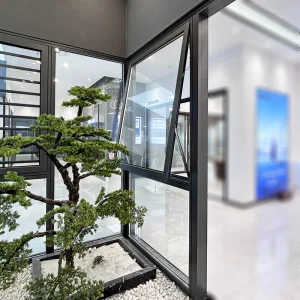
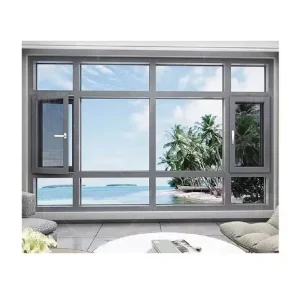
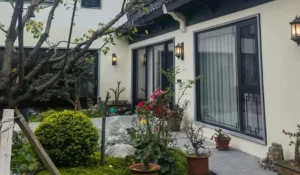
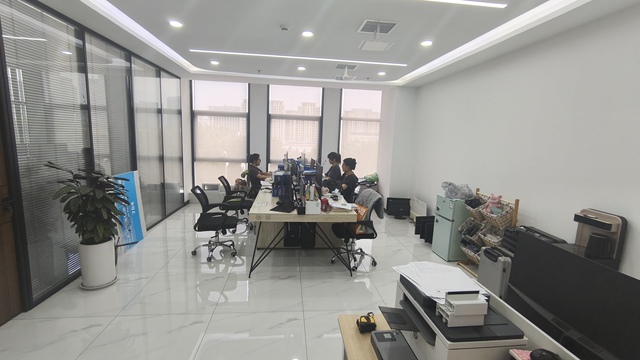
Foshan ORM Windows Co., Ltd. is a professional aluminum window manufacturer located in Foshan, Guangdong, China, one of the country's leading centers for architectural aluminum production and building materials manufacturing. Established in 2011, the company specializes in the design, engineering, manufacturing, and export of high-performance aluminum window systems for residential, commercial, and architectural projects worldwide.
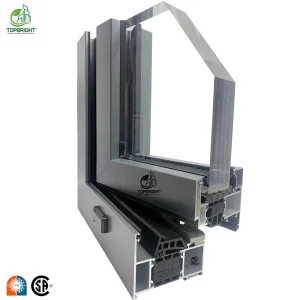
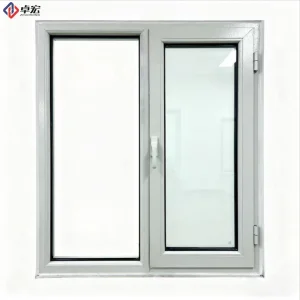
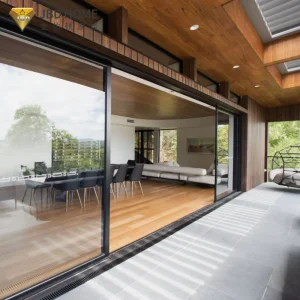
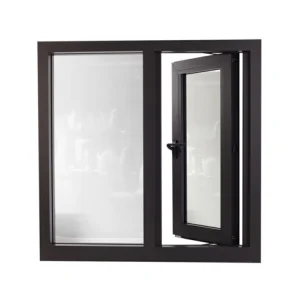
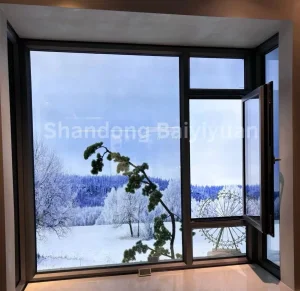
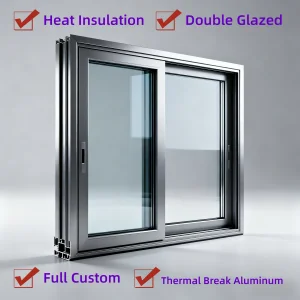
With a modern manufacturing facility covering more than 20,000 square meters and a team of over 280 skilled employees, ORM Windows is dedicated to providing reliable, energy-efficient, and aesthetically appealing window solutions. The company's product portfolio includes aluminum casement windows, sliding windows, awning windows, fixed windows, tilt-and-turn windows, thermal break window systems, double-glazed windows, and customized architectural window solutions designed to meet diverse building requirements.
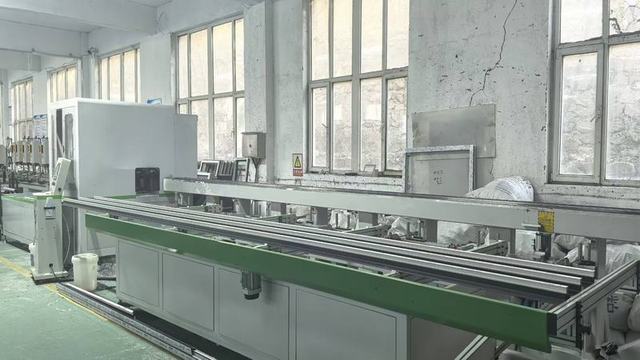
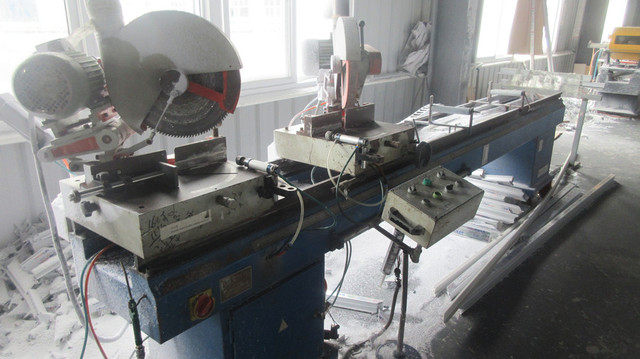
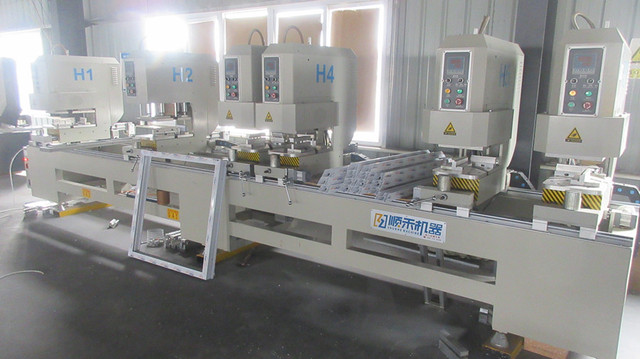
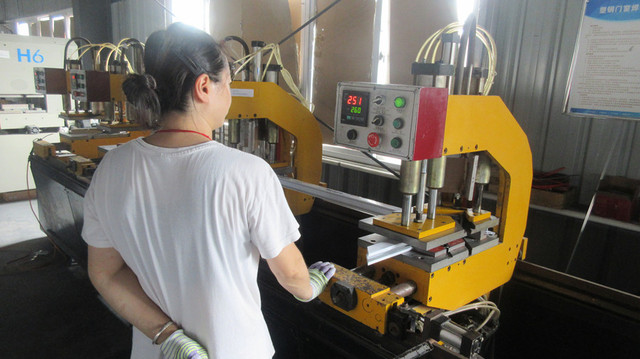
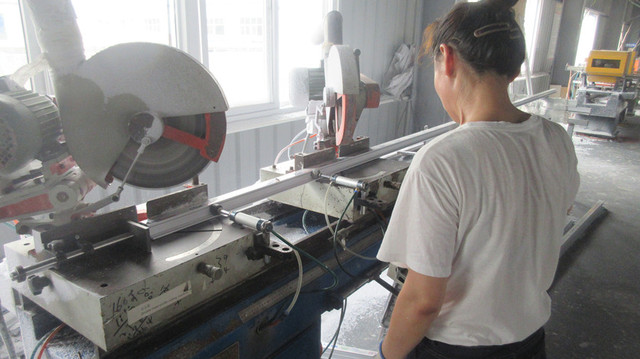
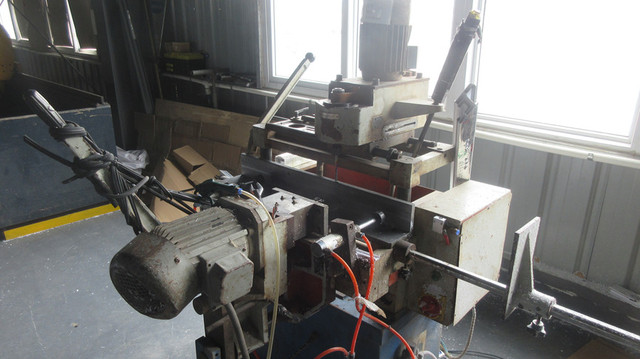
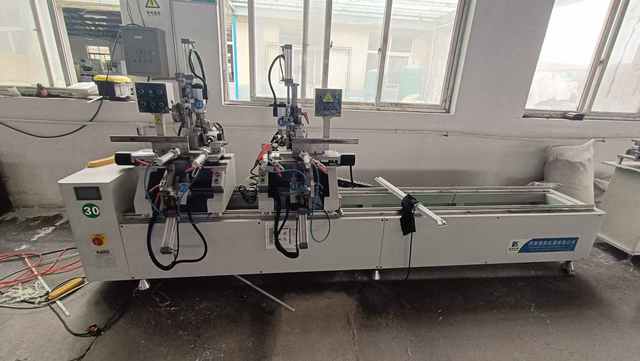
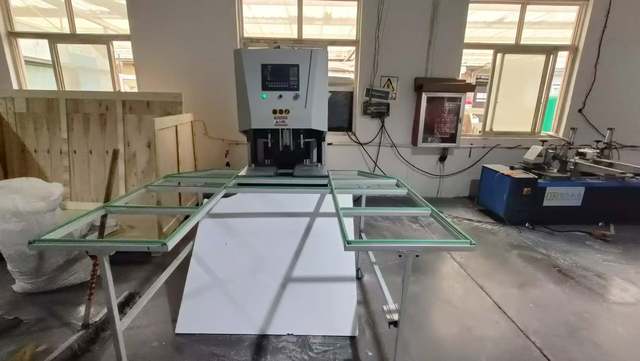
ORM Windows integrates advanced production equipment, precision fabrication technology, and strict quality management procedures throughout every stage of manufacturing. From aluminum profile processing and glass assembly to hardware installation and final inspection, every product is produced to ensure durability, weather resistance, thermal performance, and long-term reliability.
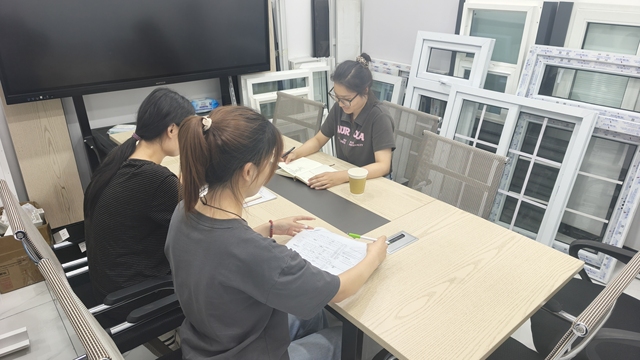
Supported by an experienced engineering and product development team, the company offers comprehensive OEM and ODM services, including customized dimensions, frame finishes, glazing options, hardware configurations, and private-label manufacturing. These flexible solutions enable builders, developers, distributors, and project contractors to meet specific market and project demands.
Serving customers across North America, Europe, the Middle East, Southeast Asia, Australia, and other international markets, Foshan ORM Windows Co., Ltd. has established a reputation for quality manufacturing, professional service, and dependable delivery. The company remains committed to providing innovative aluminum window solutions that enhance modern architecture while supporting sustainable and energy-efficient building development worldwide.
Importing industrial components and architectural systems into highly regulated markets requires adhering to strict local codes. Sourcing products with proper documentation protects operations from legal liabilities and customs delays.
Under the European Union's Carbon Border Adjustment Mechanism (CBAM), importers of aluminum products must declare direct and indirect embedded emissions. Partnering with factories utilizing green hydropower smelting ensures compliance and avoids steep carbon import taxes.
From Class A1 non-combustible ratings in the UK to specific CPR classifications in mainland Europe, material selections are matched to local fire loading requirements. Testing certifications are fully documented for local inspections.
For utility deployments, technical teams ensure that cable dimensions, cross-sections, and alloy selections conform strictly to national distribution network rules, such as UK Power Networks, Enedis (France), or Netze BW (Germany).
The horizon of aluminum engineering is marked by material science breakthroughs designed to extend structural lifespans and maximize thermal and electrical efficiency. Sourcing partners must invest continuously in next-generation manufacturing technology to remain competitive.
Research into aluminum-carbon nanotube composites aims to elevate electrical conductivity beyond 65% IACS (International Annealed Copper Standard) without compromising tensile strength, enabling lighter, high-capacity transmission solutions.
Advancements in micro-extrusion technology allow for complex internal chambers in profiles, maximizing structural strength while minimizing total weight. This enables energy-efficient double and triple-glazing setups.
Replacing traditional chromate pre-treatments with advanced titanium and zirconium-based conversion coatings provides excellent adhesion and corrosion protection with minimal environmental impact.
Essential insights for engineers, procurement directors, and project managers sourcing CE-certified aluminum systems.
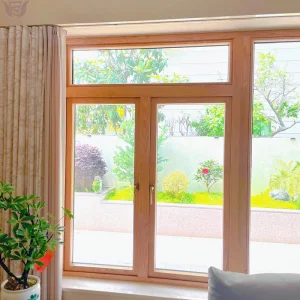
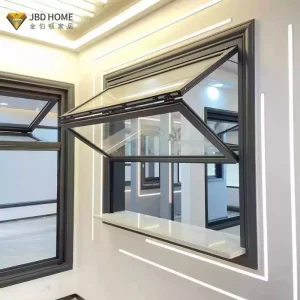
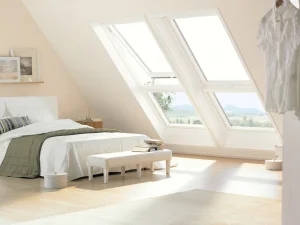
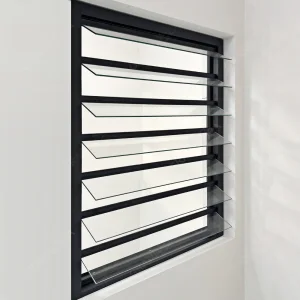
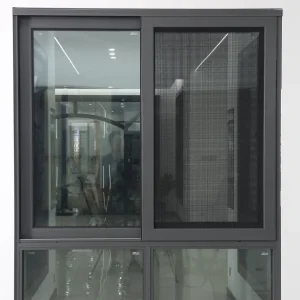
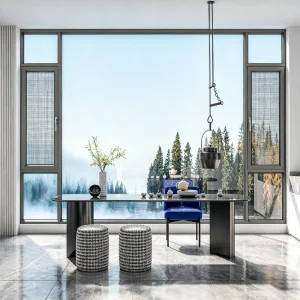
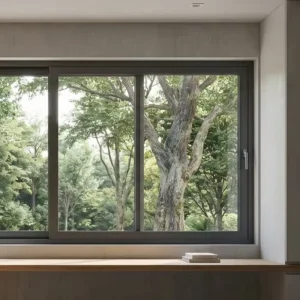
Explore our complete range of certified building elements, designed for extreme weather resistance and optimal thermal performance.
 ORM Windows