In the global paradigm of architectural design, the integration of aesthetics, structural durability, and energy efficiency is paramount. Foshan ORM Windows Co., Ltd. stands at the forefront of this evolution as a premier manufacturer of high-performance aluminum window systems and architectural curtain wall solutions. Founded in 2011, ORM has strategically positioned its operations within Foshan, Guangdong Province, China—a region globally recognized as the epicenter of architectural aluminum extrusion and building materials technology.
Spanning a modern manufacturing footprint of over 20,000 square meters and powered by a highly specialized workforce exceeding 280 engineers, technicians, and QA specialists, ORM delivers precision-engineered building envelope systems. The company's capabilities cover everything from conceptual design to strict laboratory testing, structural analysis, and automated CNC manufacturing. By incorporating cutting-edge production systems, ORM bridges the gap between raw metallurgical science and high-end facade architecture.
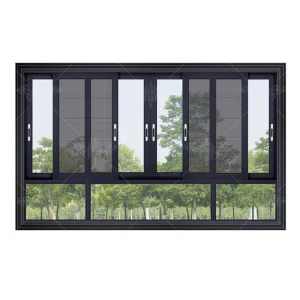
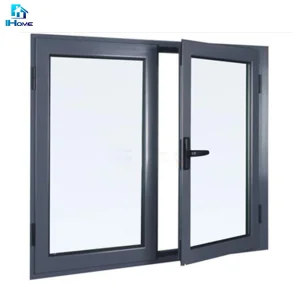
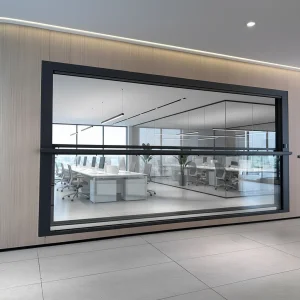
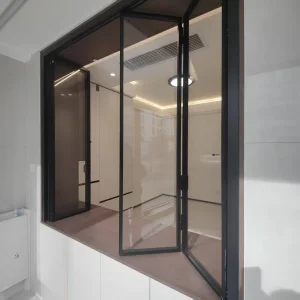
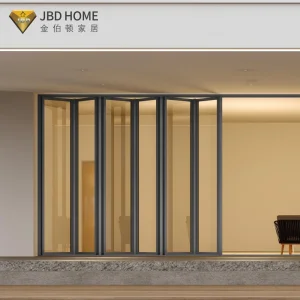
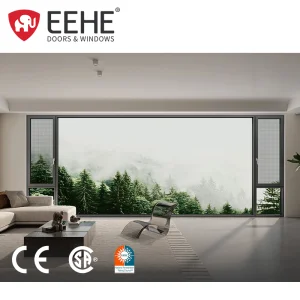
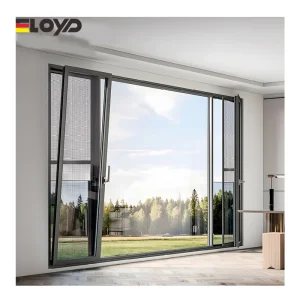
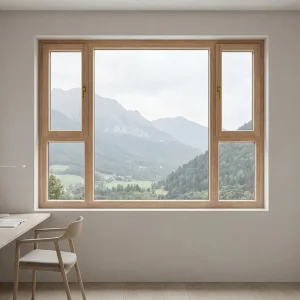
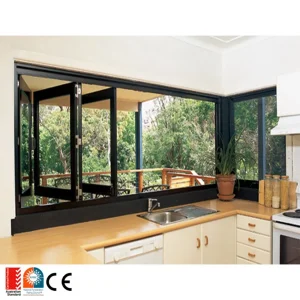
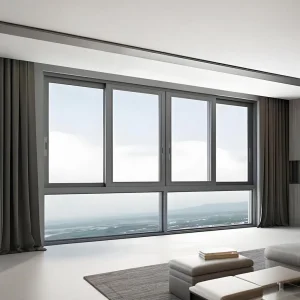
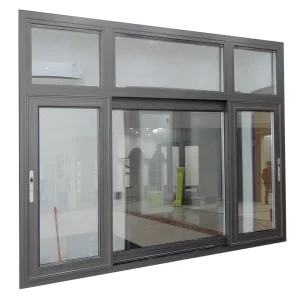
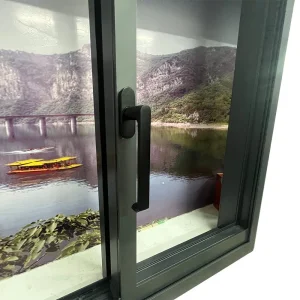
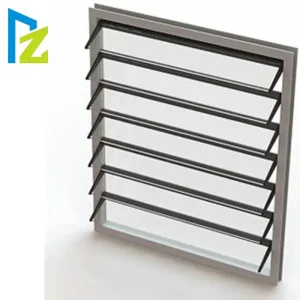
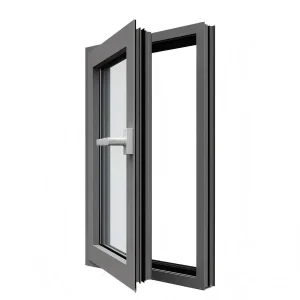
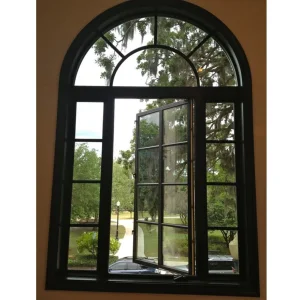
The company’s product line includes high-insulation thermal break windows, aluminum casement windows, structural glass sliding doors, heavy-duty folding systems, tilt-and-turn units, and fully customized architectural curtain wall envelopes. These systems are custom-engineered to meet the strict energy codes, seismic criteria, and load-bearing requirements of North America, Europe, the Middle East, Southeast Asia, and Australia.
Modern high-rise development and complex commercial architecture demand intelligent outer envelopes. Aluminum curtain walls are no longer just external cladding; they are active thermal, acoustic, and structural systems. ORM Windows addresses these challenges by developing stick and unitized curtain wall systems engineered for long span stability and structural performance.
Assembled on-site piece by piece, stick curtain walls offer unmatched architectural versatility. They allow for complex custom detailing, accommodate structural variances in building frames, and are highly cost-effective for low to mid-rise projects with complex geometries.
Pre-assembled and glazed in ORM's controlled factory environment, unitized systems are shipped to site as ready-to-install panels. This minimizes field labor, ensures high-quality sealing, and speeds up project completion, making them ideal for high-rise commercial structures.
By utilizing high-performance structural silicone sealants to secure the glass units to the aluminum framework, SSG provides a clean, uninterrupted glass surface. This enhances aerodynamic efficiency, eliminates cold bridging, and delivers a modern look.
From an engineering perspective, ORM's facade designs prioritize the mitigation of thermal bridge effects. Using premium polyamide thermal barriers (PA66 GF25) within the aluminum mullions and transoms, our systems dramatically lower overall U-values. This reduces HVAC operating costs and helps developers meet strict energy standards like ASHRAE 90.1, Title 24, and the European Energy Performance of Buildings Directive (EPBD).
For architectural envelopes destined for European Union markets, adherence to the Construction Products Regulation (CPR) is legally mandatory. The European standard EN 13830 specifies the performance requirements and testing protocols for curtain walling kits. ORM's manufacturing lines are strictly calibrated to ensure all output meets this standard, backed by rigorous third-party testing and factory production control (FPC) schemes.
| Performance Property | Standard Reference | Required Performance / Target Metrics | Engineering Implementation |
|---|---|---|---|
| Wind Load Resistance | EN 13116 | Up to ±3000 Pa (Serviceability limit state) | Reinforced aluminum alloys (6063-T6) with internal steel sleeves for high-span mullions. |
| Watertightness | EN 12154 / EN 12155 | Class RE1200 (Static & Dynamic test under pressure) | Triple-gasket EPDM pressure equalization drainage channels to discharge infiltrated moisture. |
| Air Permeability | EN 12152 / EN 12153 | Class AE (>600 Pa infiltration limit) | Continuous dual-durometer gasket loops with vulcanized corner junctions. |
| Acoustic Insulation | EN ISO 717-1 | Rw (C; Ctr) = 42 dB to 48 dB | Asymmetrical double/triple glazing units utilizing PVB/acoustic interlayers and argon gas fill. |
| Thermal Transmittance | EN ISO 10077-2 | Uf down to 1.2 W/(m²·K) | Multi-cavity polyamide thermal barriers (PA66 GF25) with low-emissivity (Low-E) glass coatings. |
Each custom curtain wall panel configuration goes through mechanical Finite Element Method (FEM) analysis during the engineering phase to calculate deflection limits (L/200 or L/300 depending on structural code). This ensures that wind loads are safely transferred back to the primary building structure without compromising the glass integrity or the weather-proofing seals.
Building requirements vary significantly by climate, geology, and local building codes. ORM’s custom curtain wall solutions are designed to handle these environmental differences.
In locations subject to high wind pressures and flying debris, facade systems must offer impact resistance. ORM's impact-rated systems use heavy-duty structural alloys combined with multi-layer laminated safety glass featuring SentryGlas (SGP) interlayers. These assemblies are tested to meet ASTM E1886/E1996 and Miami-Dade protocol standards, providing reliable protection against windborne debris and extreme cyclical wind pressures.
For sub-zero climates, minimizing heat loss and controlling condensation are critical. ORM incorporates triple-glazed units filled with 90% argon gas, warm-edge spacer bars, and multi-cavity thermal break extrusions. This design prevents thermal bridging, eliminates interior draft zones, and optimizes occupant comfort while reducing building heating requirements.
In hot climates with intense solar radiation and frequent sandstorms, building skins require specialized protection. ORM uses double-silver or triple-silver Low-E coatings to maintain low Solar Heat Gain Coefficients (SHGC) while allowing high levels of natural light. Our exterior coatings are formulated to resist sand abrasion and prevent UV degradation, preserving structural and aesthetic integrity over the long term.
ORM's production facility uses automated machinery and strict quality control processes. From raw aluminum extrusion sourcing to final CNC machining, assembly, and packaging, every stage is fully documented and traceable.
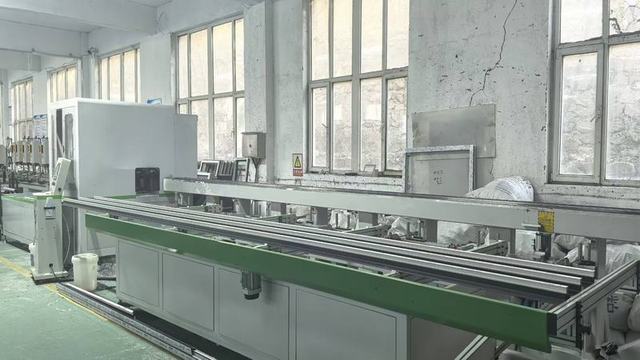
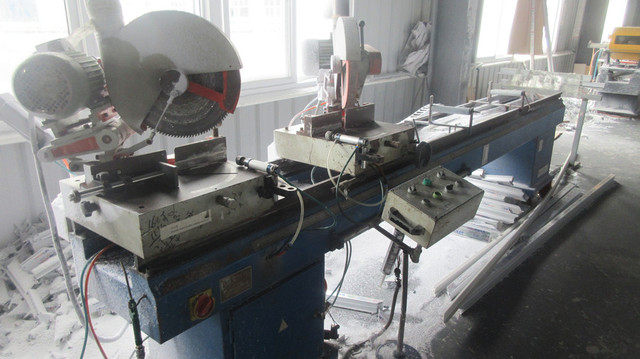
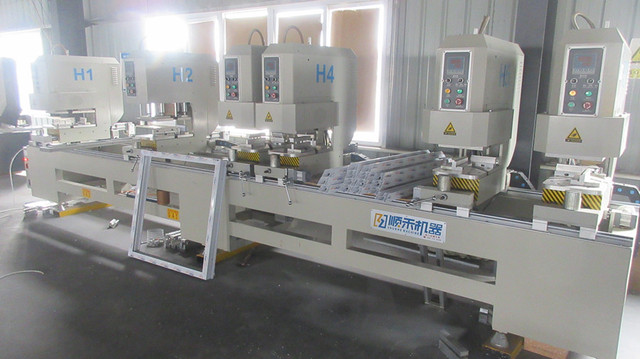
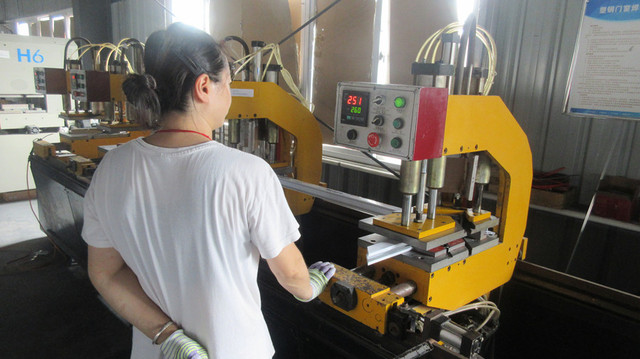
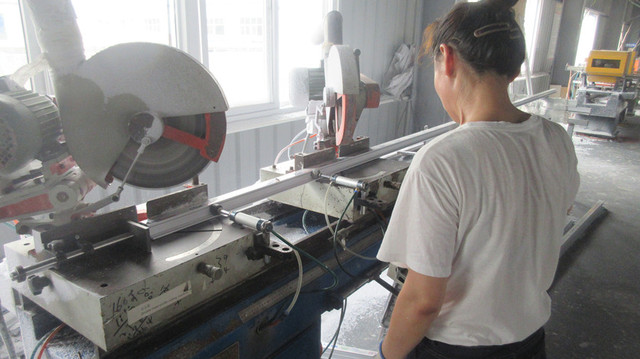
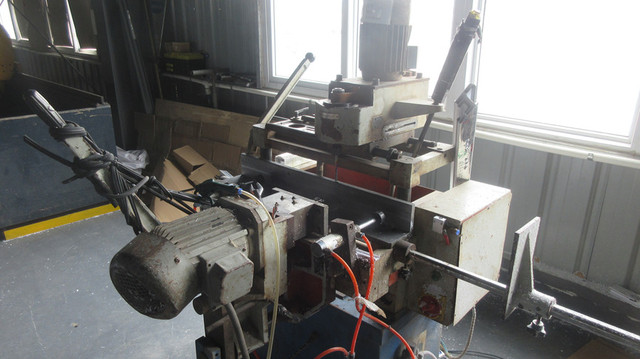
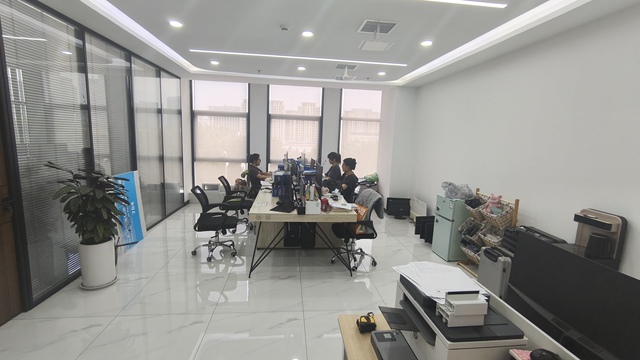
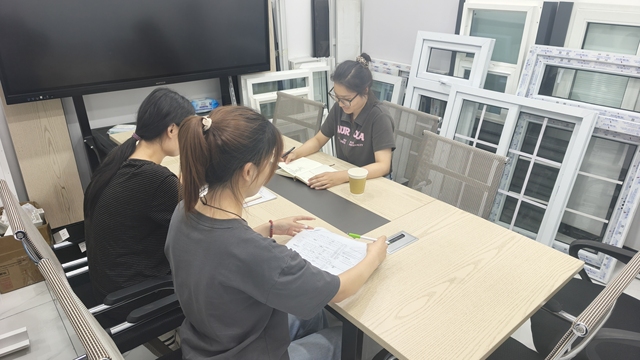
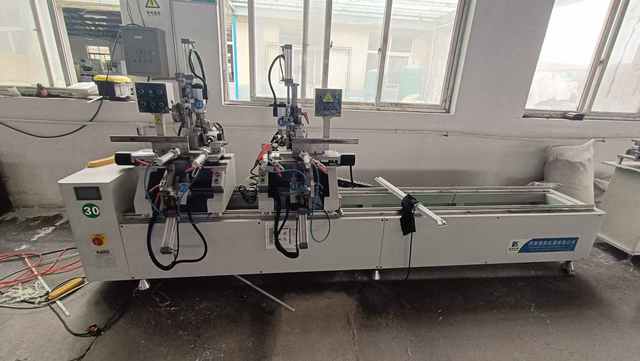
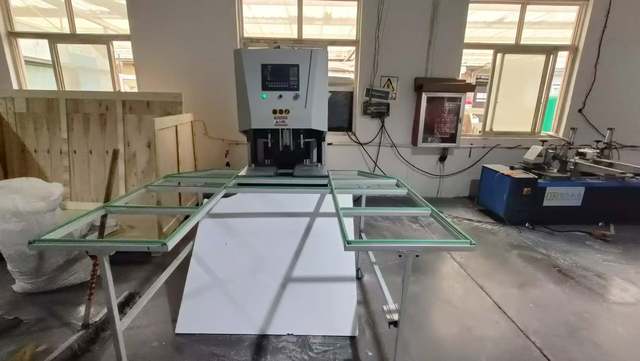
ORM's precision fabrication process relies on high-speed CNC milling machines that cut and prep aluminum profiles within a tolerance of ±0.5mm. Hardware mounting holes, weep holes, and corner connections are pre-machined to ensure precise assembly and seal alignment. All structural sealants are applied under monitored humidity and temperature levels, allowing the silicone to cure properly and achieve its full design strength.
Our Quality Assurance team performs regular QA tests, including paint adhesion tests (AAMA 2605), deglazing shear tests, and corner weld strength tests. Each project run receives a certified testing log verifying that it meets the target EN standards.
Building envelopes are evolving from passive thermal barriers into active, energy-generating structures. ORM's research and development team continues to develop next-generation facade technologies:
We are developing solutions to integrate photovoltaic modules directly into curtain wall spandrel panels. By converting sunlight into clean electricity, this technology helps high-density urban developments achieve Net Zero Energy Building (NZEB) certifications.
ORM is working to integrate electrochromic and thermochromic glass technologies within our curtain wall framing. These systems dynamically adjust solar heat gain based on outdoor temperatures and solar intensity, reducing cooling energy use while keeping indoor spaces comfortable.
To support global sustainability goals, ORM is expanding its use of low-carbon aluminum profiles. By sourcing aluminum extruded with clean hydro-power and high post-consumer recycled content, we help projects lower their overall embodied carbon footprint.
Under the Construction Products Regulation (CPR 305/2011), all permanent construction products sold and installed in the European Economic Area must be CE certified. For curtain walling, the relevant standard is EN 13830. This certification guarantees that the system has been tested for safety, structural integrity, fire reaction, wind load capability, water tightness, and air infiltration. Procurement managers should look for these test reports to ensure project compliance and minimize legal liabilities.
Stick systems are assembled piece-by-piece on-site, offering flexibility to adapt to field conditions but requiring more manual labor and time. Unitized systems consist of large pre-fabricated and glazed panels built in a controlled factory environment. These units are shipped to the site and installed using cranes. This dramatically speeds up site installation, improves quality control, and reduces on-site labor costs, though it requires more upfront coordination.
Aluminum has high thermal conductivity. Polyamide thermal breaks (specifically PA66 GF25, which is reinforced with 25% glass fiber) act as structural barriers between the interior and exterior aluminum profiles. This significantly reduces heat transfer, helping control interior temperatures and preventing condensation on the framing.
ORM's quality management system is certified to ISO 9001. We test incoming raw materials for chemical and physical properties, monitor dimensional tolerances during CNC machining, and run structural adhesion tests on glazed units. We also perform in-house water infiltration tests to verify unit seals before they are packed and shipped.
Yes. Our engineering team designs movement joints and expansion slots into the mullion connections to handle building drift, thermal expansion, and seismic events. We perform Finite Element Analysis (FEA) to ensure the system handles dynamic movement without glass breakage or seal failure.
 ORM Windows