Designed for commercial fitness centers, high-traffic athletic arenas, and extreme structural performance.
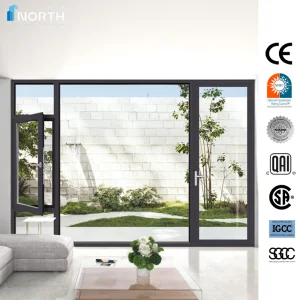
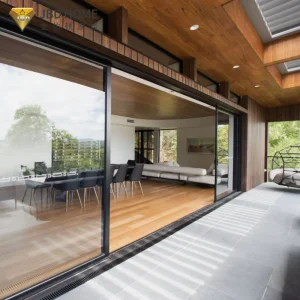
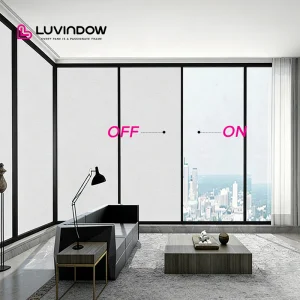
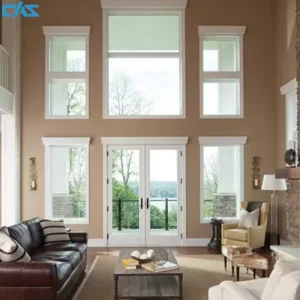
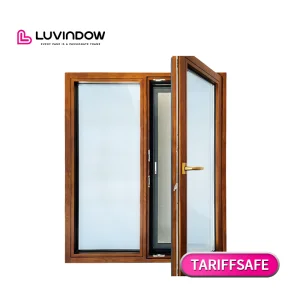
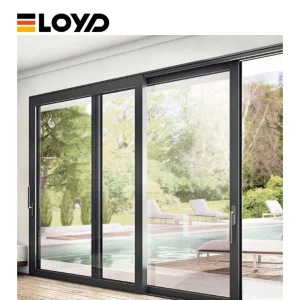
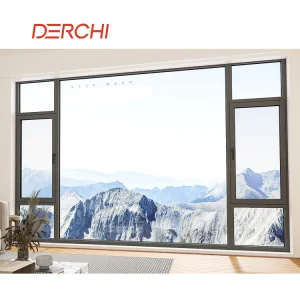
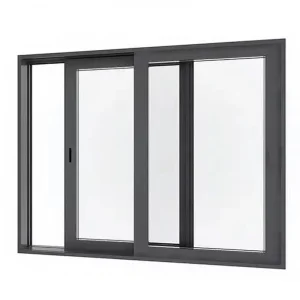
In modern commercial fitness construction and sports equipment manufacturing, materials play a critical role in determining structural safety, longevity, and aesthetics. Historically, steel has dominated heavy fitness framing systems; however, the global market is witnessing a tectonic shift toward CE certified high-tensile structural aluminum alloys. The reasons are rooted in material physics and lifecycle economics. Premium grade aluminum—specifically 6000-series (6061-T6 and 6063-T6) anodized profile structures—offers an unparalleled strength-to-weight ratio, native rust and corrosion immunity, and a highly customizable structural profile footprint.
For international procurers, developers of commercial gym towers, and sports equipment manufacturers, choosing a manufacturer that operates with strict CE Certification is a mandatory compliance gatekeeper. This ensures the structural components meet the EN ISO 20957 standards for stationary training equipment and structural installations, validating that the load-bearing calculations, weld integrity, and fatigue thresholds are designed to withstand continuous, high-intensity commercial loads.
B2B buyers, global architects, and fitness franchise developers are operating under highly compressed construction timelines and strict regulatory environments. Global procurement managers from North America, Europe, and Australia must address three primary risk vectors when sourcing aluminum structural components:
Importation into regions like the European Union demands verified CE markings, CE EN 1090-3 execution standards, and ROHS-compliant surface coatings. North American markets demand structural compliance (AAMA/WDMA/CSA 101/I.S.2/A440) for any facility-integrated envelope structures.
Sports facility installations require highly calculated wind-load thresholds and high-traffic acoustic damping. Substandard profiles result in localized structural flexing, early gasket failure, and hazardous structural stress-fractures.
Standard architectural layouts are rapidly giving way to custom-engineered gyms that feature modular sliding wall openings and indoor-outdoor training transitions. Procurement teams require flexible CAD/BIM tooling integrated directly into the manufacturing line.
Foshan ORM Windows Co., Ltd., situated in Foshan, Guangdong—the epicentre of high-grade architectural and structural aluminum extrusion—embodies the "Industry 4.0" approach to structural aluminum production. Operating a massive 20,000 square meter state-of-the-art facility and utilizing over 280 skilled technicians and automated extrusion machines, ORM is uniquely positioned to handle commercial-scale OEM/ODM projects.
ORM's precision fabrication process involves multi-stage QC gates, including alloy spectral testing, automated CNC profile machining, robotic corner assembly welding, and ultrasonic testing of load-bearing structural seams. From advanced architectural glazing to heavy-duty thermal break configurations, ORM maintains strict oversight from the raw ingot phase to the finished structural element, ensuring every product conforms to rigorous international standards, including CE, NFRC, and AS 2047.
Modern structural aluminum is deployed across several critical physical zones in elite commercial gym layouts, luxury hotel training clubs, and athletic centers:
Gyms built near coastal developments require superior resistance to saline environments. Standard framing elements fail due to galvanic corrosion. ORM’s heavy-gauge anodized aluminum profile assemblies utilize advanced PVDF marine coatings, guaranteeing rust-free performance under direct salt-spray conditions.
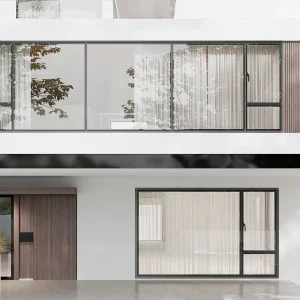
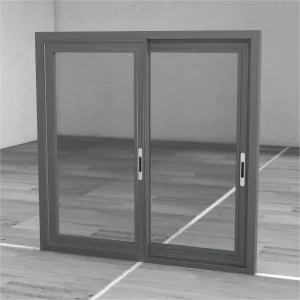
Dynamic spaces require the ability to rapidly convert indoor studios into open-air crossfit decks. Using heavy-duty, multi-pane thermal break sliding doors with reinforced architectural rollers, ORM allows structural gym facades to slide seamlessly while holding wind-load certifications up to Hurricane ratings.
Below are authentic photos capturing the scale of our production environment, from advanced automated extrusion lines to double-glazed glass assembly stations, illustrating why ORM Windows is a premier industrial partner for architects and developers globally:
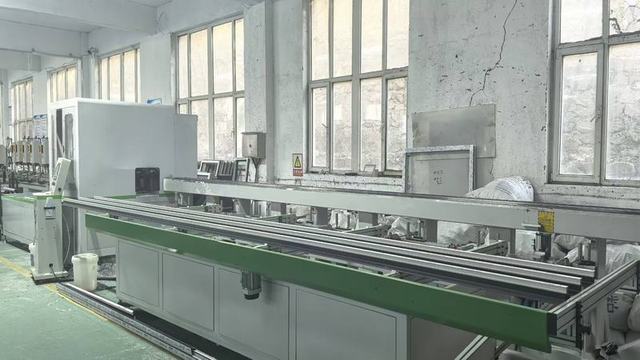
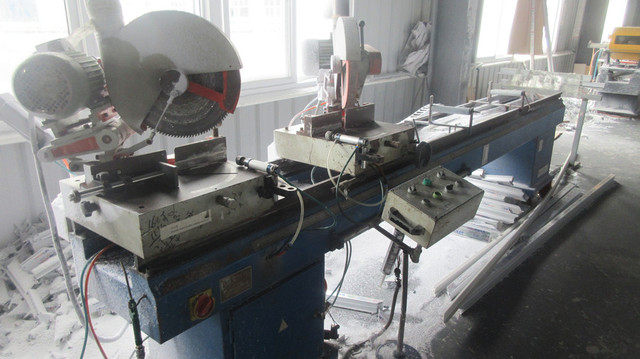
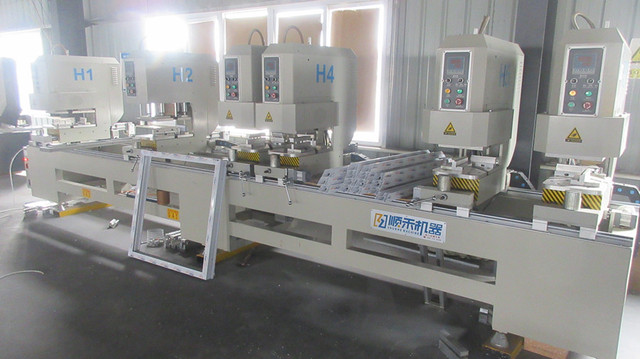
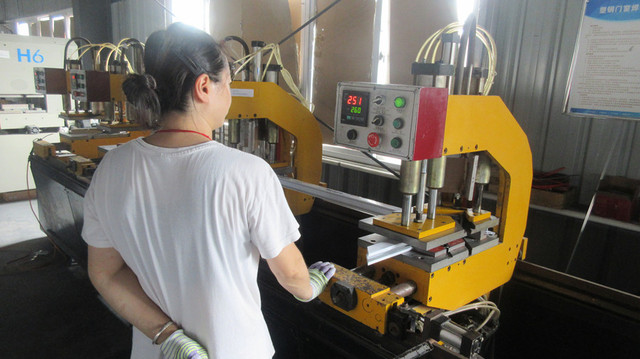
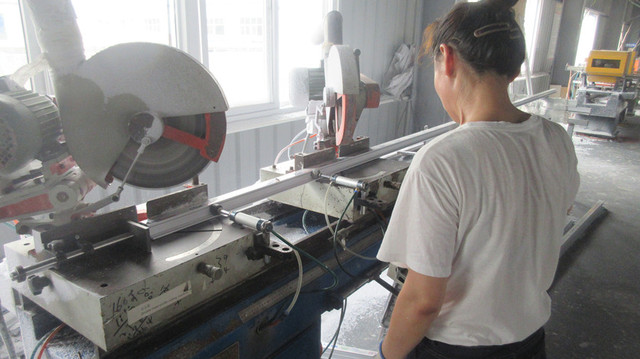
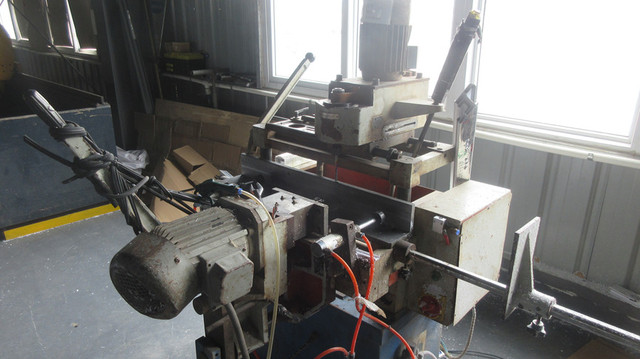
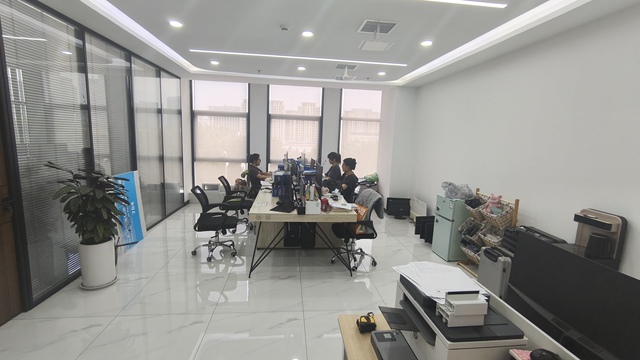
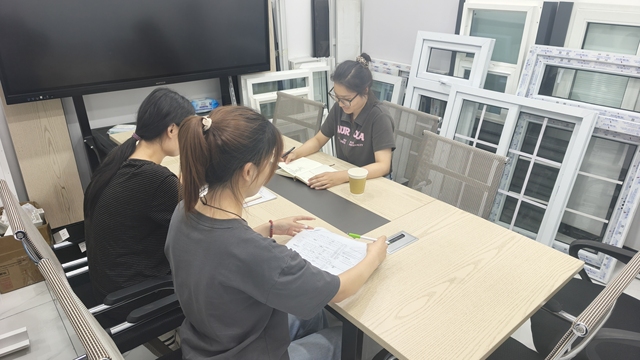
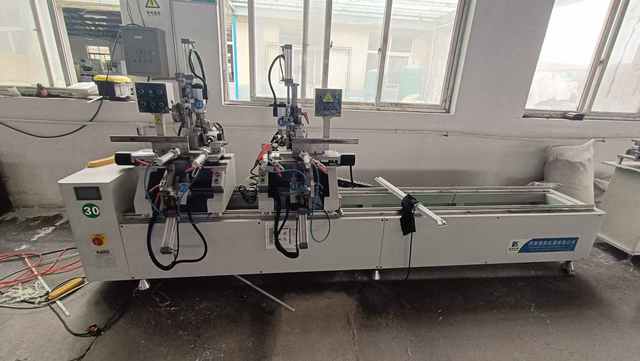
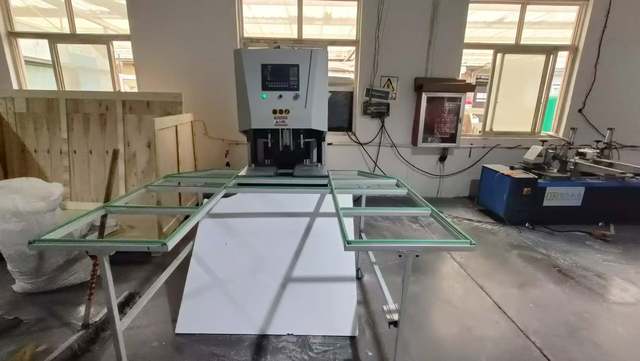
Engineered thermal systems and double-glazed windows designed to lower HVAC consumption in expansive sports facilities.
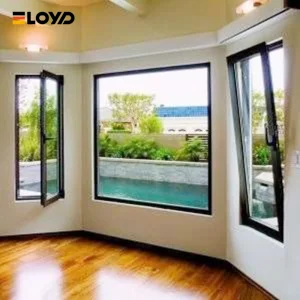
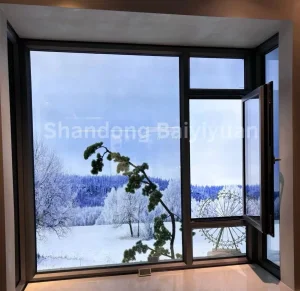
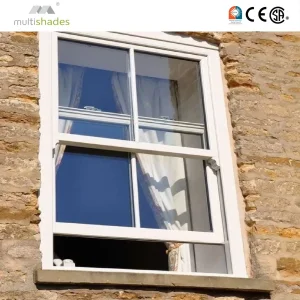
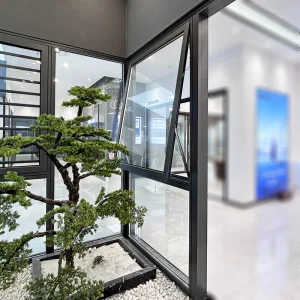
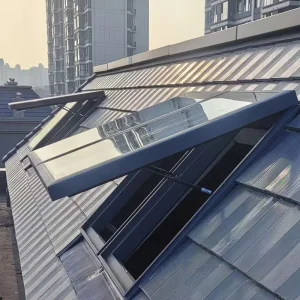
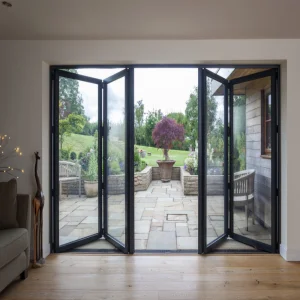
Answers to critical technical and compliance questions sourced from commercial project managers and structural engineers.
A: All structural aluminum extrusions produced in our facility undergo systematic testing compliant with European standards EN 1090-3 (execution of aluminum structures) and EN ISO 20957 (safety regulations for commercial fitness equipment & structural installations). We perform structural load analysis, verify welding certifications, and provide comprehensive trace reports on alloy composition (specifically 6063-T5/T6 and 6061-T6 profiles).
A: Commercial gyms generate high levels of internal heat and humidity from strenuous athletic activity. Standard aluminum profiles allow thermal energy to transfer rapidly, resulting in condensation build-up and increased load on HVAC climate control. Our thermal break profiles feature PA66 glass fiber-reinforced polyamide insulation barriers, isolating the exterior temperature, eliminating indoor condensation risks, and cutting overall facility energy expenses by up to 30%.
A: Yes. Backed by our 20,000+ square meter factory, high-pressure extrusion presses, and advanced CNC tooling centers, we offer full OEM and ODM services. We engineer custom dimensions, custom structural profile shapes, and specialty frame configurations. We also supply heavy-duty hardware systems rated for large-span multi-pane configurations, guaranteeing long-term mechanical reliability under high-frequency operation.
A: We provide two highly recommended options for high-humidity sports facilities: multi-layer powder coating with AkzoNobel or PPG resins, or deep anodizing treatments. Anodized aluminum forms a natural oxide protective layer that cannot chip, peel, or rust, even under persistent exposure to sweat, industrial cleaning agents, and high physical contact.
A: ORM implements an exhaustive multi-phase QA protocol. Our process begins with material spectral testing to verify alloy purity, followed by digital calliper checks for dimensional tolerances. We perform automated water-tightness and wind pressure resistance chamber tests on complete window and door systems, and conduct final manual inspections of all gaskets and locks prior to heavy-duty protective packaging.
 ORM Windows