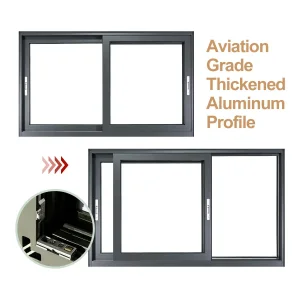
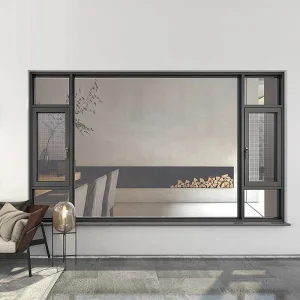
Explore our premium range of industrial, residential, and custom aluminum frames designed for maximum structural integrity, wind resistance, and thermal efficiency.
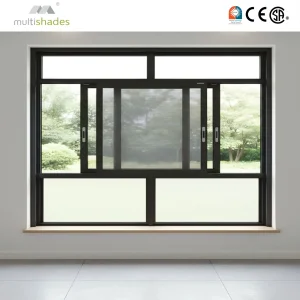
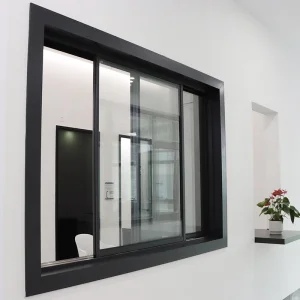
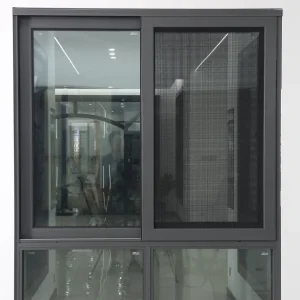
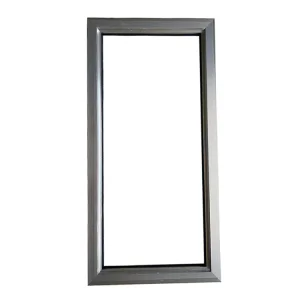
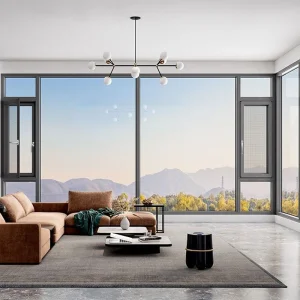
In B2B architectural environments, the integration of premium framing systems is no longer a matter of mere aesthetic selection; it is a critical engineering specification. As a leading CE Certified Aluminum Picture Frames Manufacturer & Supplier, Foshan ORM Windows Co., Ltd. builds framing systems that bridge architectural beauty and industrial-grade security.
CE certification guarantees compliance with demanding European directives. This includes mechanical strength, wind load resistance, and material safety. When specifying aluminum frames for commercial gallery installations, high-rise glass curtain walls, or modern villa profiles, understanding the metallurgical integrity is key. Our 6000-series alloy frames undergo rigorous aging processes to achieve the optimal T5 and T6 hardness ratings, providing exceptional tensile strength and resistance to deflection.
Whether implementing slim-profile glass mounts or heavy-duty architectural windows, CE compliance guarantees that your supply chain meets international standards for quality and structural reliability.
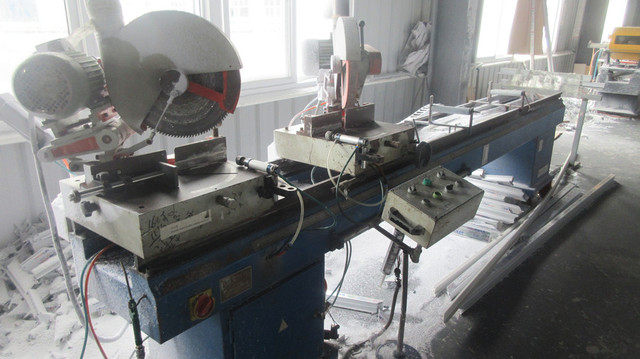
Our engineering standards ensure that every profile meets structural and regulatory benchmarks for global commercial applications:
| Parameter / Specification | Standards (CE Compliant) | Application & Operational Benefit |
|---|---|---|
| Alloy Composition | EN AW-6063 / 6060 T5 / T6 Aluminum | Exceptional surface finish capabilities, robust structural load-bearing capacity. |
| Anodizing Coating Depth | Class 15 / Class 20 (EN ISO 7599) | Corrosion resistance in maritime and highly polluted industrial environments. |
| Powder Coating Durability | Qualicoat Class 1 & Class 2 Standard | UV degradation resistance, anti-chalking, and color retention up to 15 years. |
| Thermal Transmittance | EN ISO 10077-2 (U-value < 1.4 W/m²K) | Reduced HVAC system loads for LEED and passive house building projects. |
| Wind Pressure Resistance | Class C5 (EN 12210) | Designed for high-rise facades and coastal storm-prone installations. |
Guangdong's Foshan district stands as the world's most advanced cluster for architectural aluminum extrusion, surface finishing, and assembly. This ecosystem enables manufacturers like Foshan ORM Windows Co., Ltd. to optimize every step of production.
By housing die design, billet casting, extrusion, powder coating, and hardware integration under one roof, we eliminate intermediate supply chain delays and reduce B2B procurement costs.
Our advanced 20,000 sqm facility houses high-tonnage extrusion presses, enabling the production of thin-walled, ultra-slim display and picture frames, as well as thick structural window mullions.
From micro-sandblasted anodizing to multi-stage woodgrain transfer coatings, Chinese industrial centers offer surface finishes that meet the strict requirements of museum-grade galleries and architectural installations.
This industrial concentration reduces B2B production lead times and provides flexibility for custom profiles. Our B2B customers benefit from rapid prototyping and competitive pricing without compromising on strict CE certifications.
Modern architecture and design demand versatile metal solutions. High-grade aluminum frames are utilized across multiple commercial and residential touchpoints:
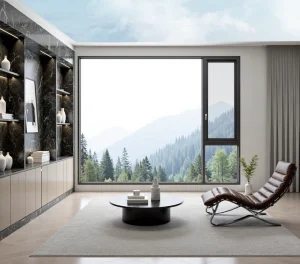
High-end retail storefronts use slim-frame profiles to maximize visibility. Our precision-machined aluminum profiles support large glazing spans without compromising structural safety under high wind loads.
Museum-grade, large-scale displays require structural integrity, zero-outgassing finishes, and security locking. Our heavy-duty aluminum mounting frames protect valuable artwork and signage under precise environmental controls.
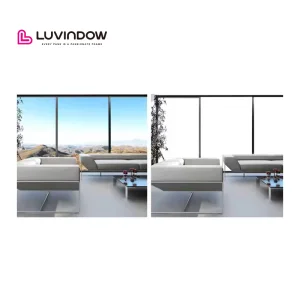
Modern commercial buildings integrate smart features directly into framing systems. Our profiles accommodate PDLC privacy smart glass, hidden wire management, and motorized automation systems.
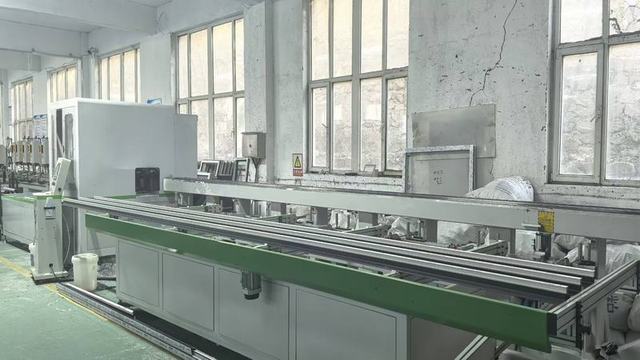
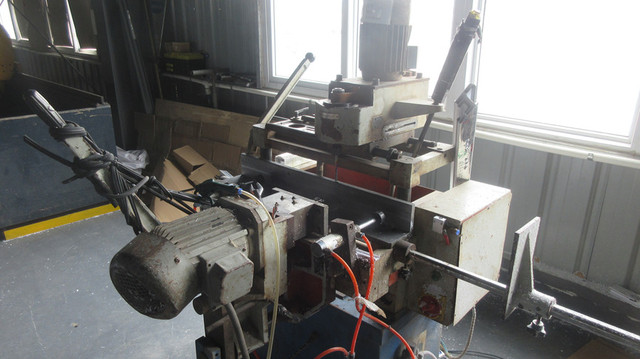
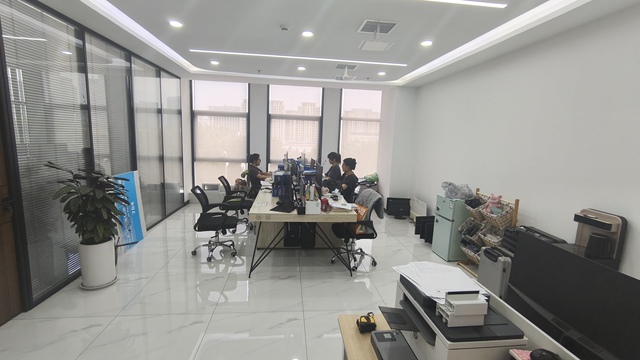
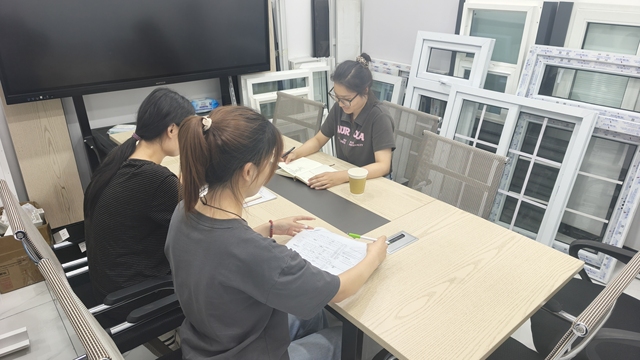
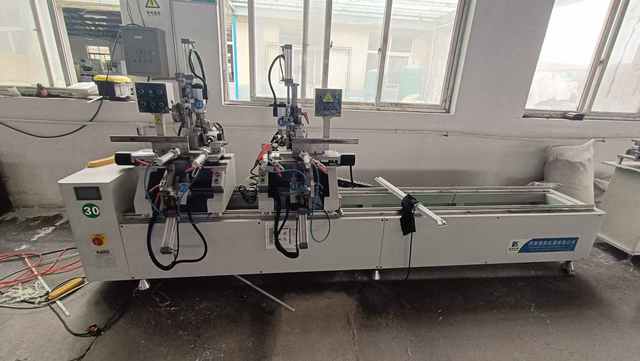
Take an inside look at Foshan ORM Windows Co., Ltd.'s production center, showing our material extrusion, precise welding, quality control, and packing stages.
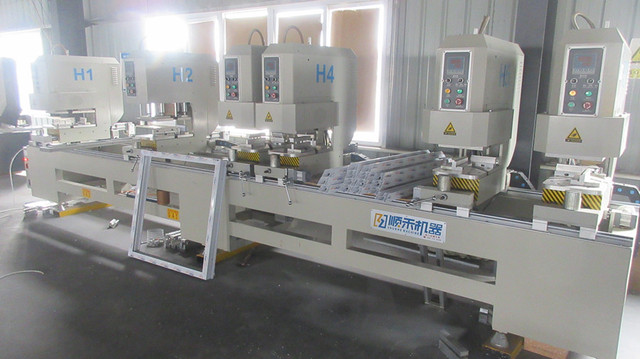
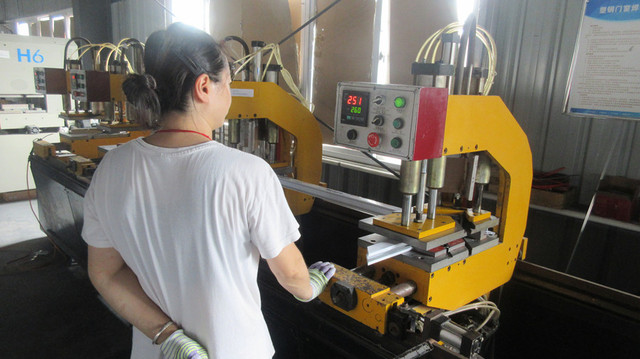
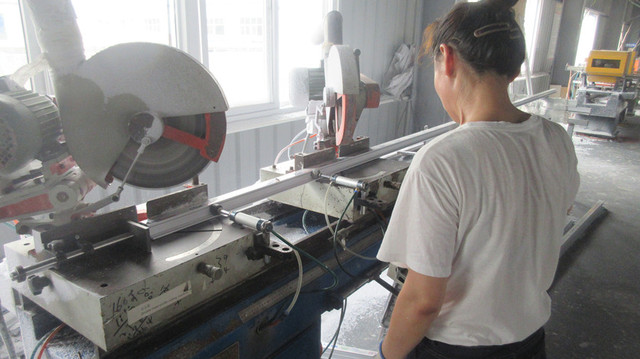
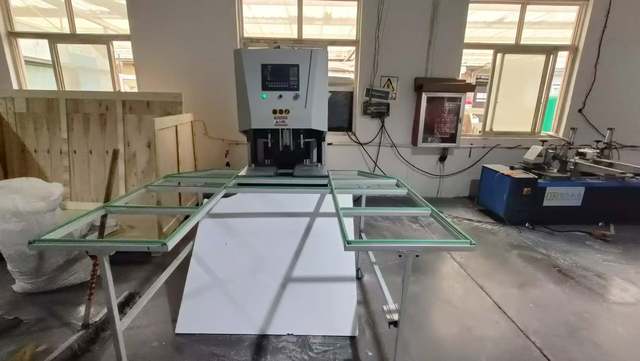
The aluminum framing sector is seeing rapid innovation driven by sustainability goals and smart building standards. As global developers target zero-carbon emissions, B2B sourcing teams must focus on these emerging developments:
Purchasing custom aluminum window profiles or framing hardware systems requires clear quality control and supplier verification. B2B buyers should look for:
Require certified chemical analysis reports (MTRs) to confirm alloy grades, together with verified CE and AS2047 test certificates from third-party laboratories.
We work with B2B clients by establishing clear quality gates, covering extrusion, powder coating adhesion tests, and pre-shipment dimensional tolerance checks.
For international shipments, frames are packed in custom steel crates, with protective film on exposed faces, corner protectors, and desiccant packs to prevent moisture damage in transit.
Find answers to common questions about CE certification, customization, structural engineering, and logistics from our B2B team.
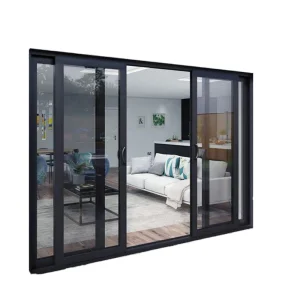
Explore additional window, door, and architectural profile systems manufactured at our Foshan facility.
 ORM Windows