Explore our premium product portfolio featuring high-performance architectural systems and precision engineered components.
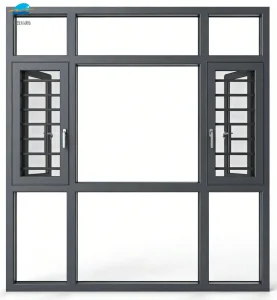
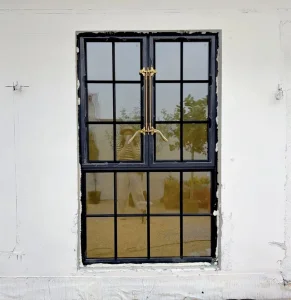
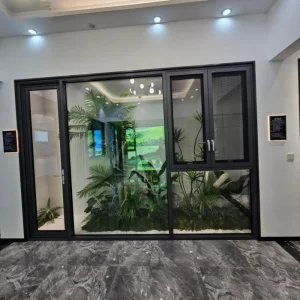
An in-depth analysis of engineering mechanics, supply chain optimization, and global standards for architectural building projects.
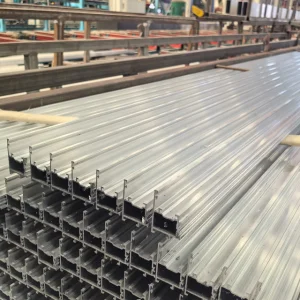
In modern structural design, the performance of aluminum windows, curtain walls, and structural frameworks is fundamentally dependent on the integrity of their connections. Aluminum connectors—including structural corner cleats, mechanical alignment connectors, structural frame couplers, and thermal-break isolation keys—are the hidden anchors that define the load-bearing capability and weather-proofing boundaries of architectural envelopes.
From a mechanical engineering perspective, window systems must withstand complex, dynamic external forces, specifically wind-load pressures, structural movements, thermal contraction, and seismic vibrations. Aluminum profiles cannot handle these stresses safely without precision corner joinery and internal reinforcements. High-grade aluminum connectors distribute local tensile and shear stresses evenly across structural members, preventing joint fatigue, bowing, or catastrophic sealing failures.
"In curtain wall layouts and large architectural spans, a deviation of even 0.5mm at the corner connection can lead to air infiltration, moisture intrusion, and severe thermal-insulation loss. Reliable connector engineering is the baseline for global structural safety."
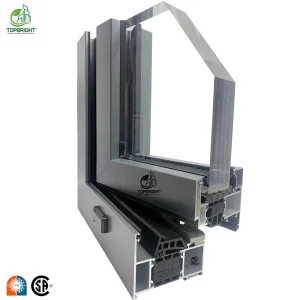
Furthermore, with the global rise of high-performance passive houses, thermal break connections have taken center stage. Traditional monolithic metal connections act as heat conductors, generating cold bridges that lead to internal condensation. Contemporary window designs solve this problem by incorporating advanced structural polyamide thermal barrier strips (typically reinforced with glass fibers) alongside specialized lock connectors, isolating thermal transmission paths without sacrificing structural rigidity.
When searching for the China best aluminum connectors factories & exporters, understanding the industrial logistics of Foshan, Guangdong is essential. Foshan is globally recognized as the epicenter of architectural aluminum manufacturing. The region represents a complete, highly integrated supply chain ecosystem.
This geographical cluster provides distinct, unreplicable advantages for international building component sourcing:
Because all stages of production occur within a 20-kilometer radius, production speed is dramatically maximized, while handling and transport costs are minimized. Consequently, manufacturers in Foshan can deliver highly customized, complex architectural components at prices that remain globally competitive, without compromising quality.
The physical behavior of aluminum connectors is determined by alloy design. The table below lists the metallurgical standards commonly specified in international fenestration engineering:
| Alloy & Temper | Tensile Strength (Min) | Yield Strength (Min) | Key Applications | Performance Profile |
|---|---|---|---|---|
| 6063-T5 | 150 MPa | 110 MPa | Standard Window Frames & Trim Connectors | Excellent surface finish, complex extrusion capability, moderate strength. |
| 6063-T6 | 205 MPa | 170 MPa | Heavy-Duty Windows & Structural Cleats | Improved mechanical strength, ideal for high-stress anchoring components. |
| 6061-T6 | 260 MPa | 240 MPa | Curtain Wall Connectors & Seismic Brackets | Superior structural strength, excellent weldability, and structural durability. |
| 6005A-T6 | 270 MPa | 225 MPa | Railway Carriages & High-load Architectural Parts | Outstanding fatigue limit, high mechanical strength, excellent corrosion resistance. |
For standard architectural connectors, the 6063 alloy is favored for its superior extrusion finish and precise dimensional accuracy, whereas the 6061 alloy is preferred for heavy-duty structural applications requiring high load capacities. High-quality manufacturers execute aging treatments under precise computer control to ensure structural components consistently meet these mechanical thresholds.
For international procurement managers, engineering firms, and high-volume distributors, securing reliable supply chains requires strict technical validation. Sourcing architectural products is not just a matter of price; it requires rigorous quality assurance.
Products must carry global certifications (e.g., AAMA, NFRC, CSA, EN standard ratings) to comply with regional building regulations and pass structural safety inspections.
Components must survive demanding cyclic salt spray testing (typically ASTM B117 standards) to guarantee reliable service in harsh coastal environments.
A supplier must show deep engineering capability to customize structural profiles, modify tolerances, and supply private-labeled, ready-to-install kits.
Additionally, the complexity of modern architectural designs requires suppliers to provide direct technical support, including wind-load simulations, thermal profile calculations (U-values), and complete installation blueprints. Enterprise purchasers look for partnerships with manufacturers that offer comprehensive services from initial design verification to final packaging.
Established in 2011, Foshan ORM Windows Co., Ltd. is a leading architectural aluminum window manufacturer located in Foshan, Guangdong, China. This region is globally recognized as the center for architectural aluminum production and building materials manufacturing. ORM Windows specializes in the design, engineering, manufacturing, and export of high-performance aluminum window systems for residential, commercial, and architectural projects worldwide.
Operating a modern manufacturing facility covering more than 20,000 square meters and supported by a team of over 280 skilled employees, ORM Windows delivers reliable, energy-efficient, and aesthetically appealing window solutions. The company's extensive product portfolio includes aluminum casement windows, sliding windows, awning windows, fixed windows, tilt-and-turn windows, thermal break window systems, double-glazed windows, and customized architectural window solutions designed to meet diverse building requirements.
A look inside our 20,000+ sqm factory showing our precision manufacturing, assembly lines, and testing equipment.
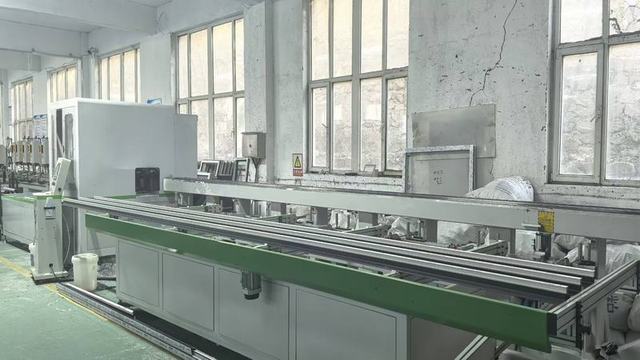
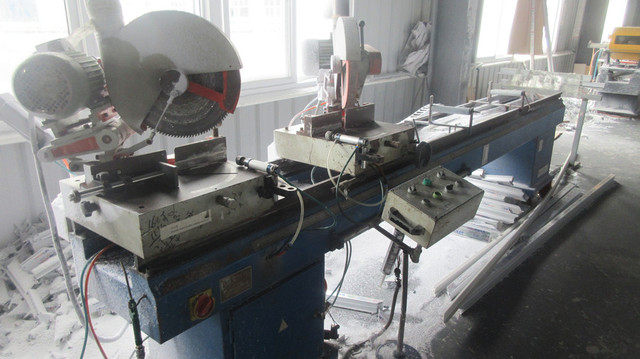
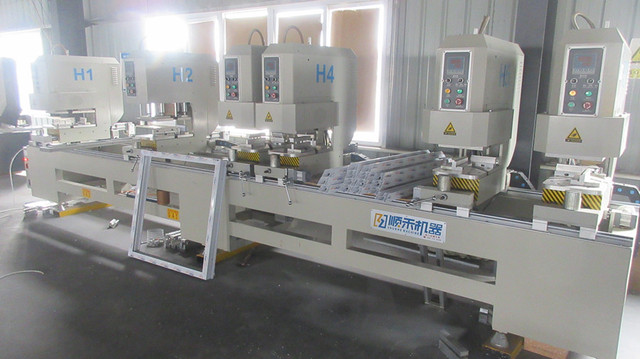
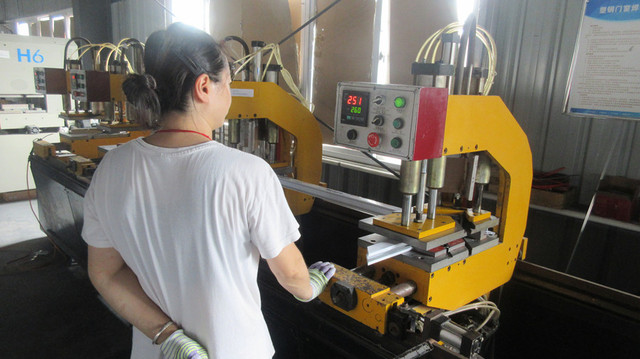
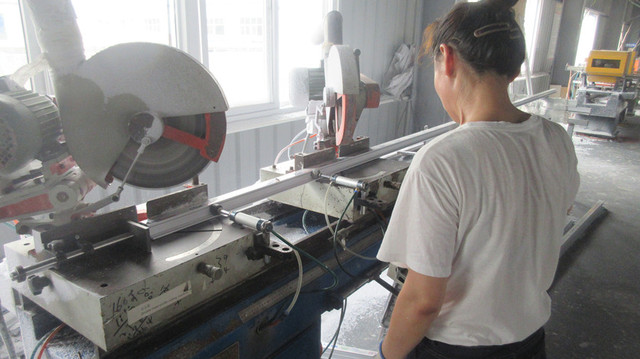
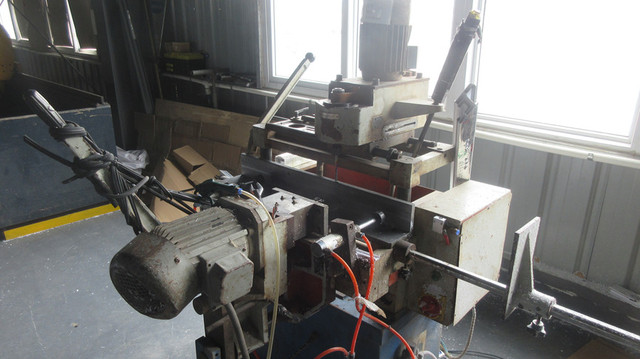
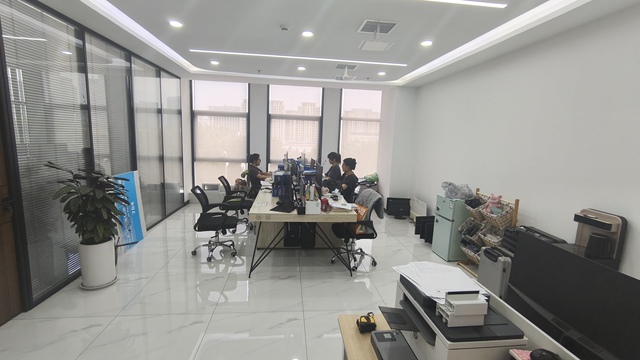
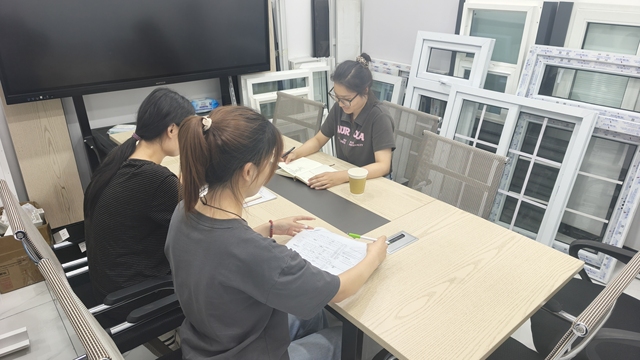
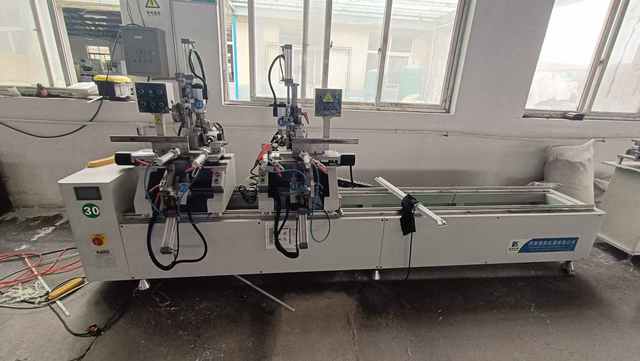
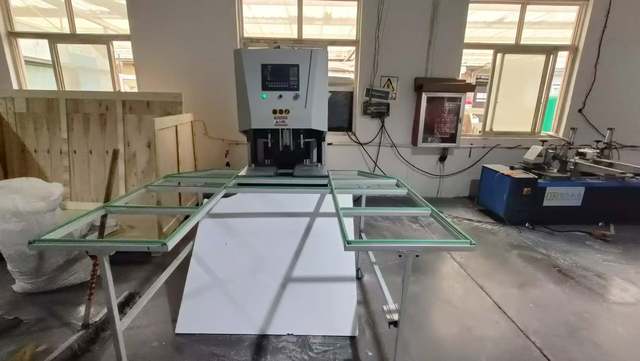
ORM Windows integrates advanced production equipment, precision fabrication technology, and strict quality management procedures throughout every stage of manufacturing. From aluminum profile processing and glass assembly to hardware installation and final inspection, every product is produced to ensure durability, weather resistance, thermal performance, and long-term reliability.
Supported by an experienced engineering and product development team, the company offers comprehensive OEM and ODM services, including customized dimensions, frame finishes, glazing options, hardware configurations, and private-label manufacturing. These flexible solutions enable builders, developers, distributors, and project contractors to meet specific market and project demands.
Serving customers across North America, Europe, the Middle East, Southeast Asia, Australia, and other international markets, Foshan ORM Windows Co., Ltd. has established a reputation for quality manufacturing, professional service, and dependable delivery. The company remains committed to providing innovative aluminum window solutions that enhance modern architecture while supporting sustainable and energy-efficient building development worldwide.
Architectural building products must perform reliably across different climates. A fenestration system that performs well in a dry desert climate might fail under extreme sub-zero conditions or along a tropical coastline.
Here is how localized environmental challenges are addressed:
The aluminum extrusion and building components industry is moving rapidly toward automation and reduced carbon emissions. These changes are reshaping the manufacturing landscape:
1. Intelligent Smart Manufacturing: Leading factories are adopting automated CNC machinery, robotic profile assembly systems, and vision-guided quality control systems. This automation reduces human error, guarantees tight dimensional tolerances, and increases throughput.
2. Sustainable & Recycled Alloys: With growing pressure to reduce carbon footprints, developers are prioritizing materials with high recycled content. Using recycled aluminum requires only 5% of the energy needed for primary smelting, significantly reducing the carbon footprint of structural elements.
3. Smart Hardware Integration: Modern building envelopes are increasingly integrating smart home tech. Windows and doors now incorporate automated opening systems, integrated ventilation, and smart lock assemblies, requiring innovative frame profiles that accommodate hidden wiring and electronic sensors.
Expert answers to the most common questions regarding structural connectors, profile engineering, and sourcing logistics.
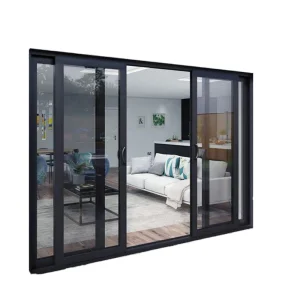
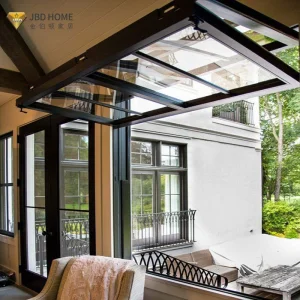
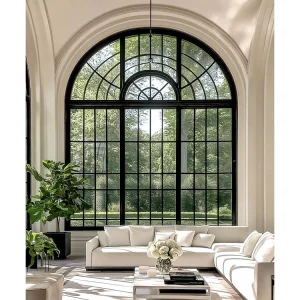
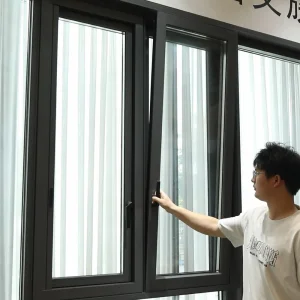
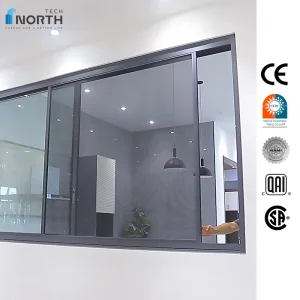
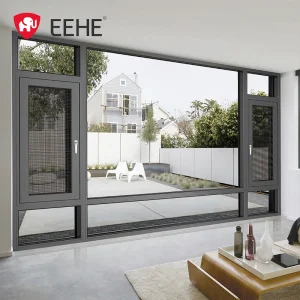
Premium architectural configurations engineered for maximum thermal efficiency, sound isolation, and structural durability.
 ORM Windows