High-performance double-glazed roof windows, impact doors, and structural skylights designed for energy efficiency and environmental resilience.
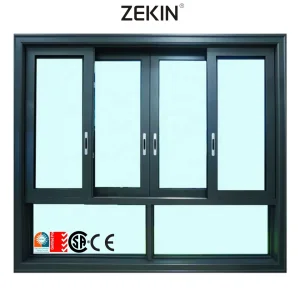
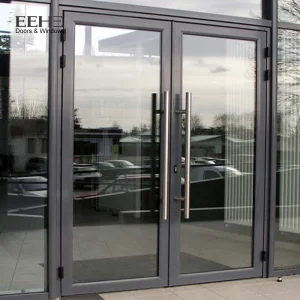
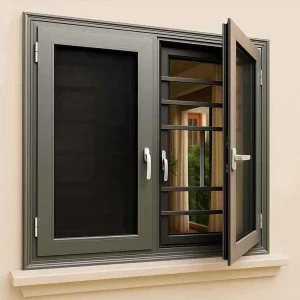
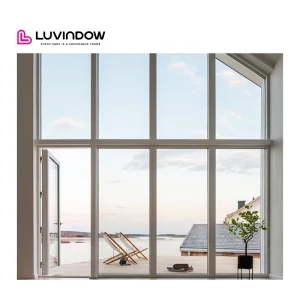
Understanding the technical paradigms that drive high-performance envelope engineering in commercial and high-end residential architectures.
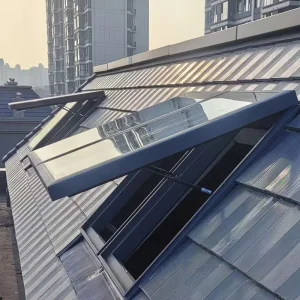
Aluminum roof systems and skylights utilize multi-cavity thermal barrier designs to isolate convective heat transfer, achieving ultra-low U-factors while maintaining optimal load-bearing profiles.
Engineered to withstand extreme positive and negative wind pressures, complying with strict regional codes such as AS2047, AAMA, and Florida building regulations for impact resistance.
Integrates multi-level drainage channels, pressure-equalization lines, and high-durability EPDM gasket systems to ensure complete water tightness under severe storm conditions.
Modern building envelopes demand an unprecedented level of integration between aesthetics, energy efficiency, and durability. As architecture transitions towards sustainable design, the deployment of advanced aluminum roof systems, customized skylights, and high-performance fenestration has become a standard. These systems provide the critical barrier between harsh external environments and controlled internal spaces, directly influencing the mechanical, thermal, and acoustic performance of commercial and residential developments.
China's aluminum fabrication industry has undergone a significant transformation, moving from basic manufacturing to high-tech, precise structural engineering. Led by regional centers such as Foshan in Guangdong Province, Chinese manufacturers leverage deep supply chain integration to provide global buyers with highly specialized architectural components. By selecting the correct grade of aluminum alloys (primarily 6063-T5 or 6063-T6), applying advanced multi-chamber thermal breaks, and using low-emissivity (Low-E) double or triple glazing, factories can supply systems tailored to extreme climates, from snow-laden alpine regions to typhoon-prone coastal regions.
Foshan ORM Windows Co., Ltd. is a professional aluminum window manufacturer located in Foshan, Guangdong, China, one of the country's leading centers for architectural aluminum production and building materials manufacturing. Established in 2011, the company specializes in the design, engineering, manufacturing, and export of high-performance aluminum window systems for residential, commercial, and architectural projects worldwide.
With a modern manufacturing facility covering more than 20,000 square meters and a team of over 280 skilled employees, ORM Windows is dedicated to providing reliable, energy-efficient, and aesthetically appealing window solutions. The company's product portfolio includes aluminum casement windows, sliding windows, awning windows, fixed windows, tilt-and-turn windows, thermal break window systems, double-glazed windows, and customized architectural window solutions designed to meet diverse building requirements.
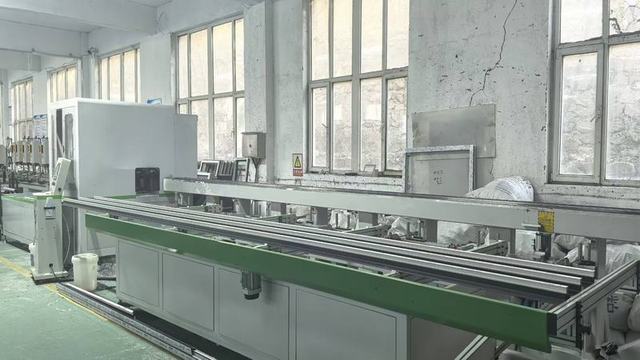
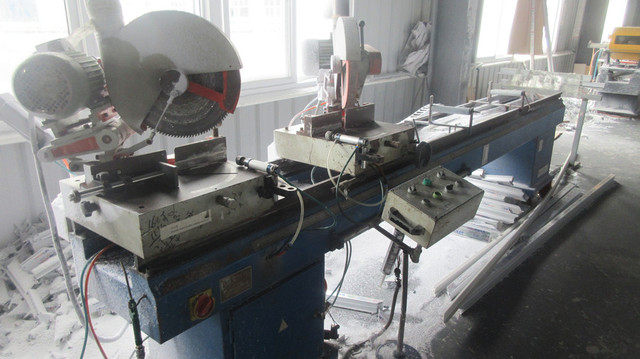
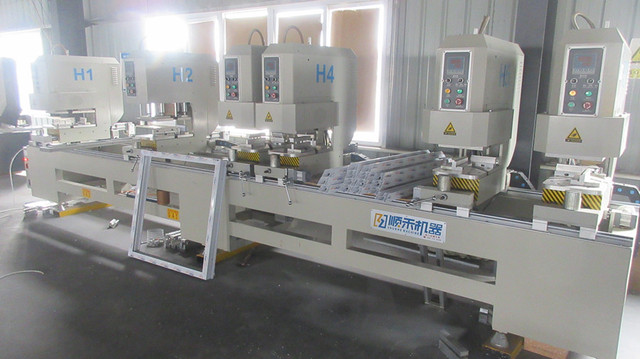
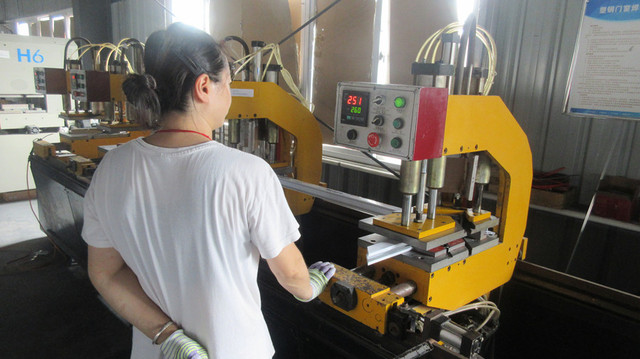
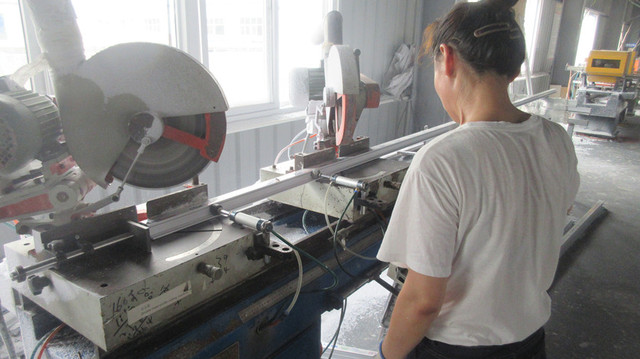
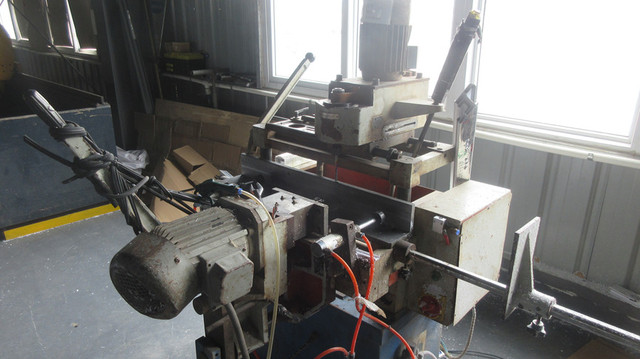
ORM Windows integrates advanced production equipment, precision fabrication technology, and strict quality management procedures throughout every stage of manufacturing. From aluminum profile processing and glass assembly to hardware installation and final inspection, every product is produced to ensure durability, weather resistance, thermal performance, and long-term reliability.
Supported by an experienced engineering and product development team, the company offers comprehensive OEM and ODM services, including customized dimensions, frame finishes, glazing options, hardware configurations, and private-label manufacturing. These flexible solutions enable builders, developers, distributors, and project contractors to meet specific market and project demands.
Serving customers across North America, Europe, the Middle East, Southeast Asia, Australia, and other international markets, Foshan ORM Windows Co., Ltd. has established a reputation for quality manufacturing, professional service, and dependable delivery. The company remains committed to providing innovative aluminum window solutions that enhance modern architecture while supporting sustainable and energy-efficient building development worldwide.
To ensure the mechanical stability of overhead glazing and aluminum roof structures, ORM Windows utilizes FEA (Finite Element Analysis) for wind pressure resistance up to 5.0 kPa, thermal transmittance modeling via THERM software, and rigorous hydrostatic chamber test protocols to prevent any potential structural failures.
Why architectural and engineering firms globally choose Chinese manufacturers for complex, large-scale structures.
The concentration of raw material refinement, die development, precision extrusion, surface finishing, and glass processing facilities in Guangdong provides unmatched operational efficiencies. This geographic proximity allows for rapid prototype testing, minimized logistics latency, and highly competitive cost structures that cannot be replicated in isolated production centers. Projects benefit from a seamless ecosystem that connects extrusion mills directly with custom tempering facilities.
Chinese factories employ high-tonnage extrusion presses (ranging from 1,000 to over 10,000 tons) capable of fabricating wide-span, thin-walled profiles with high dimensional tolerance. Using structural-grade alloys such as 6063-T6 or 6061-T6, these extrusions provide the mechanical strength needed to support heavy structural glass and high snow loads while remaining lightweight enough to reduce structural loads on buildings.
For buildings situated in harsh coastal or industrial zones, surface protection is paramount. Chinese suppliers offer advanced treatments including multi-coat Fluorocarbon (PVDF) paint systems, marine-grade anodizing, and eco-friendly electrostatic powder coatings. These treatments are certified to meet international standards such as AAMA 2605 and Qualicoat Class 3, providing resistance against UV radiation, salt spray corrosion, and chemical degradation.
Standardized solutions rarely fit the vision of modern architects. The Chinese manufacturing sector excels at flexible tooling, offering cost-effective custom die fabrication. This enables structural engineers to design bespoke mullions and transoms optimized for the unique geometry, wind-load profile, and mechanical requirements of their specific project without incurring prohibitive costs.
Ensuring seamless structural authorization and legal compliance across different international jurisdictions.
Products exported to North America must comply with NFRC (National Fenestration Rating Council) standards for thermal performance (U-factor, Solar Heat Gain Coefficient - SHGC) and AAMA (American Architectural Manufacturers Association) standards for air infiltration, water penetration, and structural wind resistance. High-velocity hurricane zones, such as Florida, require rigorous impact tests under TAS 201/202/203, utilizing laminated glass layouts with heavy PVB or SGP (SentryGlas Plus) interlayers to prevent penetration by wind-borne debris.
For the EU, compliance with EN 14351-1 and CE marking is mandatory, indicating certified water tightness, resistance to wind load, and acoustic properties. In Australia and New Zealand, systems must undergo type-testing to comply with AS2047 and AS1288 standards. This involves rigorous testing of deflection, air infiltration, water penetration, and ultimate strength, ensuring that the structural aluminum framing can survive the high UV exposure and severe storms characteristic of the Southern Hemisphere.
| Standard Code | Target Region | Focus Parameters | Engineering Implications |
|---|---|---|---|
| AAMA 101 / WDMA | North America | Air tightness, Water tightness, Design Pressure (DP) | Determines structural rating class (LC, CW, AW) |
| AS2047 | Australia | Structural Deflection, Water Penetration (Pa) | Ensures performance in high-wind Australian suburbs |
| EN 14351-1 | Europe Union | U-value, Thermal Transmittance, Load-bearing capacity | Necessary for CE Marking and European energy certificates |
| TAS 201/202/203 | USA (Florida HVHZ) | Large Missile Impact, Cyclic Wind Pressure | Critical for storm-resistant and coastal construction |
Adapting advanced aluminum glazed profiles to distinct geographic challenges and structural demands.
Designed with integrated condensation collection channels and motorized skylight systems for natural smoke ventilation. Large-span architectural profiles reduce structural steel usage while maximizing daylight harvesting.
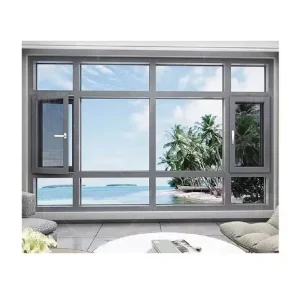
Thermal-break frame designs combined with high-performance Low-E coatings maintain moderate internal temperatures in sub-zero winters and hot summers, minimizing reliance on HVAC systems.
Utilizing high-thickness structural profiles (6063-T6, minimum 2.0mm thickness) and high-load laminated glass, these systems withstand heavy wind forces and resist salt-water corrosion.
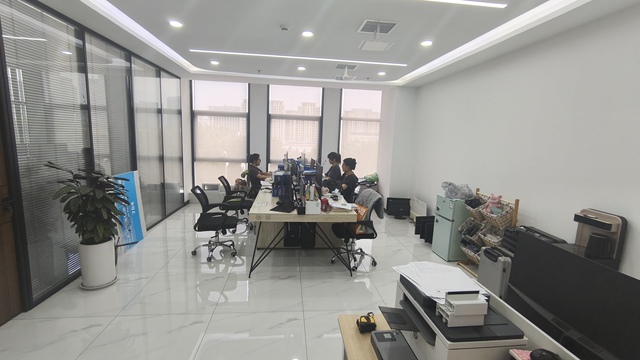
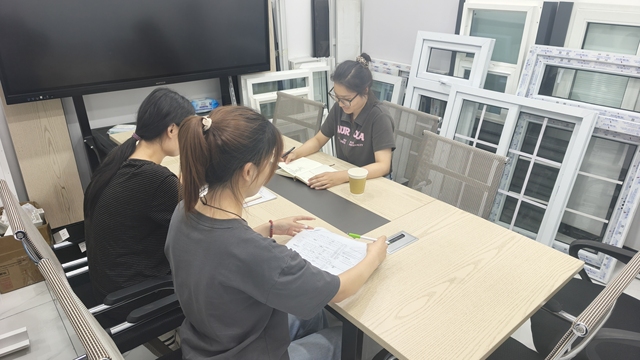
An inside look at our state-of-the-art production floor, quality control labs, and packaging stages in Foshan.
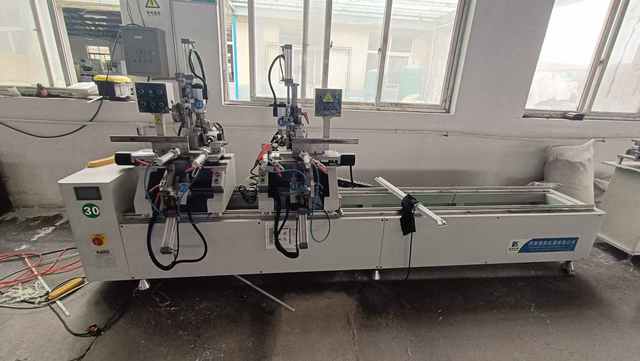
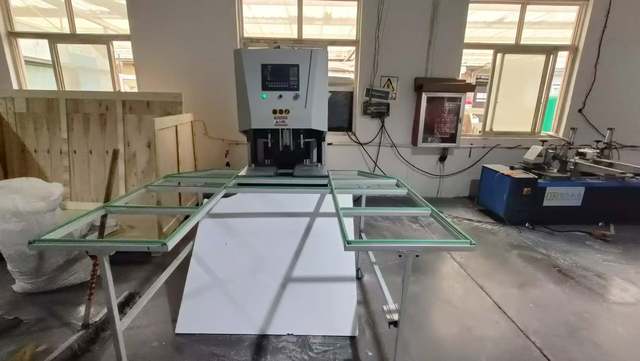
Technical clarifications on sourcing, structural performance, engineering options, and shipping protocols.
6063-T6 aluminum provides an optimized balance of high tensile strength, excellent corrosion resistance, and superb finishing characteristics. Its mechanical properties allow for precision extrusion of complex multi-chamber structures, maintaining dimensional stability under high wind pressures and heavy glass loads.
Thermal break systems insert a low-conductive polyamide strip (such as PA66 GF25) between the internal and external aluminum profiles. This creates a barrier to thermal conductivity, preventing heat from escaping in cold climates and reducing solar heat gain in warm climates, improving overall HVAC efficiency.
Yes. Qualified manufacturers design and test their systems to meet ASTM, AAMA, and Florida Building Code (HVHZ) requirements. This involves using heavy-duty profiles, multi-point locking systems, and SGP/PVB laminated impact-resistant glass designed to withstand cyclical wind pressures and impact testing.
Overhead glazing requires safety-glass compliance. The standard configuration is double-glazed unit (DGU) consisting of a tempered outer pane (to withstand impact) and a laminated inner pane (to prevent glass falling if fractured). Low-E coatings and argon gas filling are recommended for thermal performance.
ORM Windows employs an ISO 9001-certified quality control system. This covers raw material testing (alloy composition and hardness), dimensional verification using high-precision gauges, water infiltration chamber testing, hardware cyclic wear testing, and final visual inspections before packaging.
Standard fabrication takes 30 to 45 days after profile drawing approvals. Products are packed in protective foam wrapping, wooden crates, or steel racks to prevent damage. We arrange sea freight from Foshan, Shenzhen, or Guangzhou ports, coordinating customs documentation for global destinations.
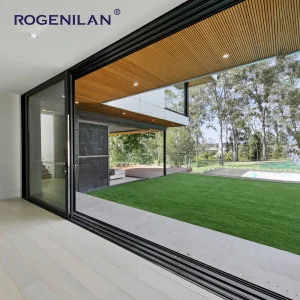
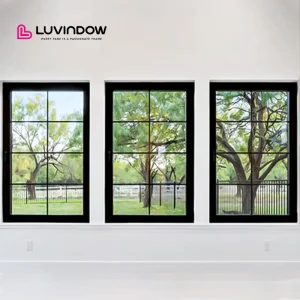
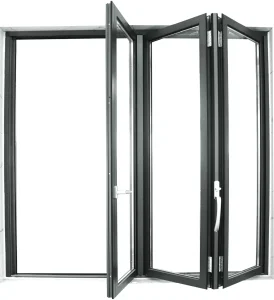
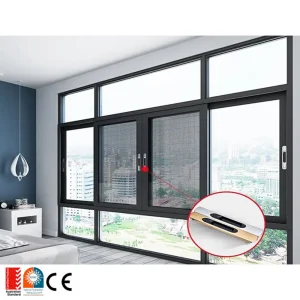
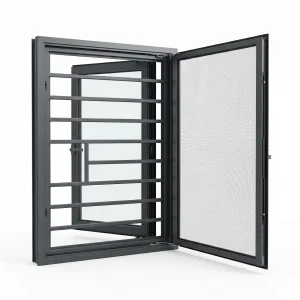
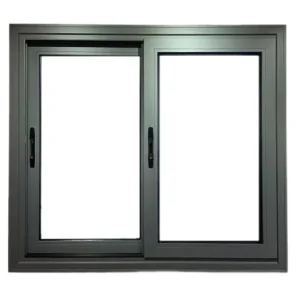
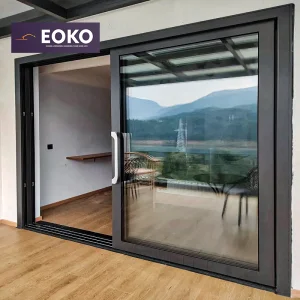
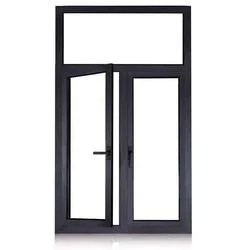
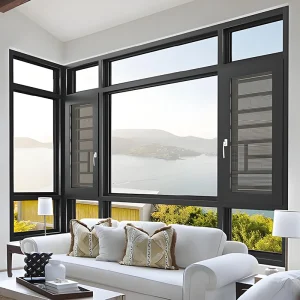
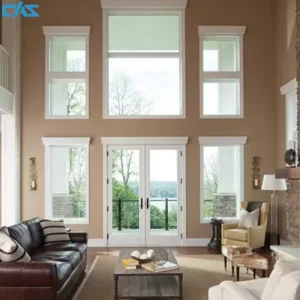
High impact windows, thermal-break sliding profiles, and architectural fixed panes engineered for longevity.
 ORM Windows