The global commercial infrastructure and retail environments have entered an era of rapid transition. Modern visual merchandising demands elements that combine high structural integrity with minimal weight, environmental sustainability, and endless aesthetic adaptability. According to recent industrial data, the shift from conventional welded steel and low-grade plastics toward modular aluminum alloys in display architectures has experienced a compound annual growth rate (CAGR) of over 6.8%. Precision-engineered OEM Aluminum Display Stands sit at the heart of this shift, offering high load-bearing capacities, resistance to environmental degradation, and superior recyclability.
Industries ranging from automotive showrooms, high-end electronics, luxury retail, to heavy-duty industrial trade expos are abandoning single-use display structures in favor of modular aluminum profile frameworks. Aluminum’s exceptional strength-to-weight ratio allows designers to achieve ultra-slim profiles and minimal sightlines without compromising safety. Globally, regions such as Europe and North America have established strict carbon emission parameters for retail spaces, encouraging procurement teams to source circular materials. Highly structural aluminum, which is infinitely recyclable, represents the peak of sustainable visual design.
Highly integrated t-slot configurations and customized aluminum profiles enable rapid prototyping, swift assembly, and seamless mechanical lock systems for complex layouts.
Achieving optimum corrosion resistance with marine-grade architectural anodizing, multi-layer powder coating, and premium electrophoretic surface sealing technologies.
Engineered to withstand physical impact, static loading profiles, and intense public handling. Built strictly to architectural wind-load and mechanical stress thresholds.
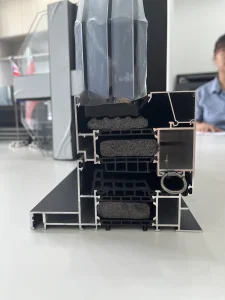
To remain competitive, display manufacturers must align fabrication methodologies with cutting-edge aerospace and architectural standards. The integration of intelligent structural thermal breaks (adapted from high-end curtain walls) into display systems is the new technology frontier. For refrigerated merchandise, luxury outdoor showcases, and highly illuminated electronics displays, controlling condensation and local thermal transmission is essential to protect high-value product displays and integrated IoT sensors.
Furthermore, the industry is witnessing a transition toward smart, automated display systems. Interactive displays that feature motorized lifts, proximity sensors, anti-collision safeguards, and built-in LED circuits require internal wire management matrices within the aluminum hollow profiles. Our engineering pipeline uses multi-cavity extrusion shapes that conceal control modules, high-voltage wiring, and kinetic drive gears directly within the display framework, keeping profiles clean and minimalist.
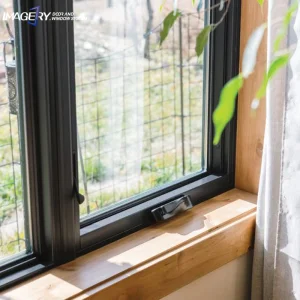
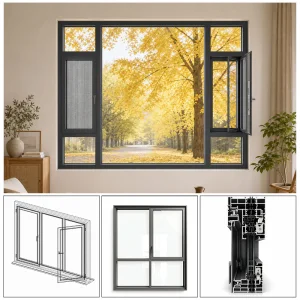
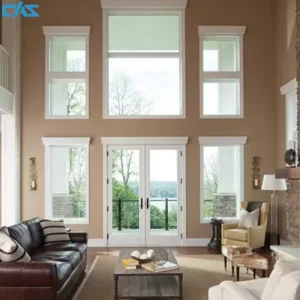
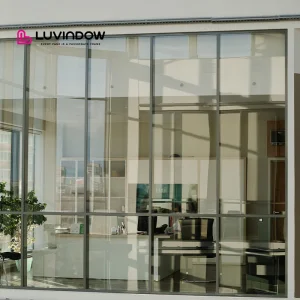
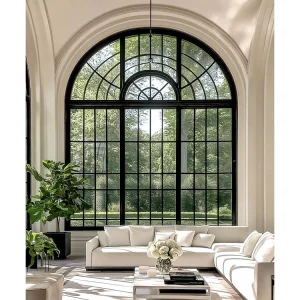
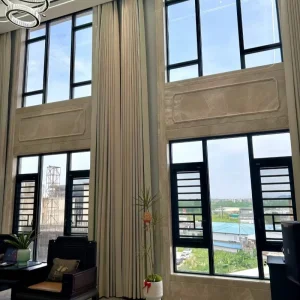
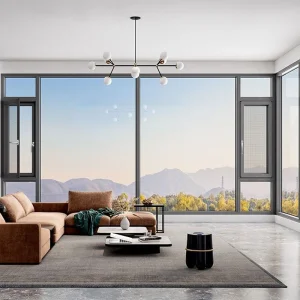
Aluminum displays do not exist in isolation. In modern architectural layouts, they function in tandem with storefront curtain walls, high-efficiency entrance doors, and structural partition systems. High-rise retail venues, luxury villas, and complex residential developments require structural aluminum elements to share consistent aesthetic properties. By using uniform aluminum extrusion methods, ORM bridges the gap between architectural glazed windows and internal product displays.
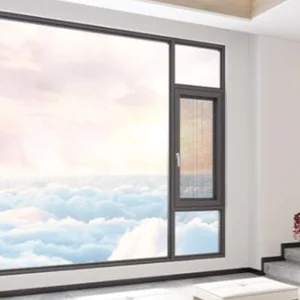
For instance, in luxury retail storefront systems, the perimeter aluminum display stands must align perfectly with the storefront glass curtain walls. By utilizing thermally broken double-glazed setups and matching PVDF color finishes across both elements, builders can achieve a seamless transition. This design philosophy protects product displays from solar thermal loading and intense UV rays, maintaining structural stability even under direct, harsh lighting.
| Sector Application | Core Challenge | Aluminum Structural Solution | Expected Long-Term Benefit |
|---|---|---|---|
| Luxury Showrooms | Vibration from external structures, thermal distortion from intense display lighting. | High-grade 6063-T6 aluminum alloys combined with thermal isolation joints. | Zero deformation under continuous heat, perfect mechanical stability. |
| High-End Retail Portals | Aesthetic discontinuity between exterior windows/doors and internal display stands. | Coordinated PVDF and anodized surface finishes on both profiles. | A unified brand aesthetic and premium visual transition. |
| Automotive Pavilions | Heavy static loads, frequent reconfigurations, structural weathering in open bays. | Heavy-duty profiles featuring internal mechanical locks and modular track setups. | Rapid setup reconfiguration, high wind-load tolerance, and long life cycles. |
Foshan ORM Windows Co., Ltd. is a professional aluminum window manufacturer located in Foshan, Guangdong, China, one of the country's leading centers for architectural aluminum production and building materials manufacturing. Established in 2011, the company specializes in the design, engineering, manufacturing, and export of high-performance aluminum window systems for residential, commercial, and architectural projects worldwide.
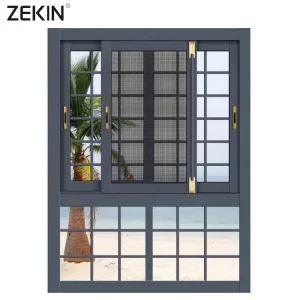
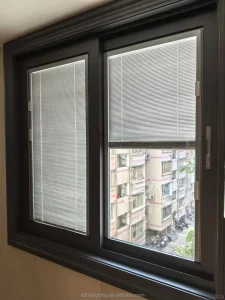
With a modern manufacturing facility covering more than 20,000 square meters and a team of over 280 skilled employees, ORM Windows is dedicated to providing reliable, energy-efficient, and aesthetically appealing window solutions. The company's product portfolio includes aluminum casement windows, sliding windows, awning windows, fixed windows, tilt-and-turn windows, thermal break window systems, double-glazed windows, and customized architectural window solutions designed to meet diverse building requirements.
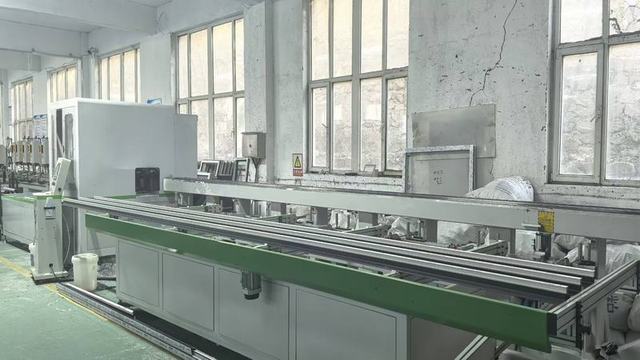
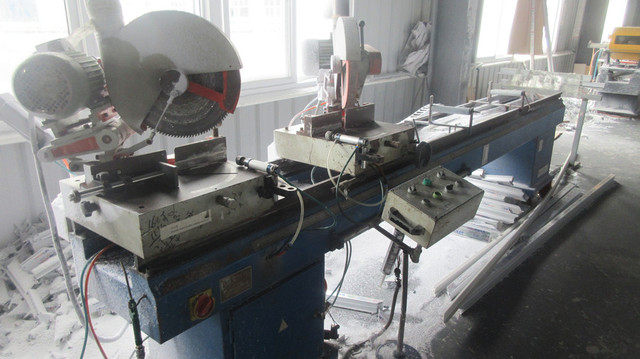
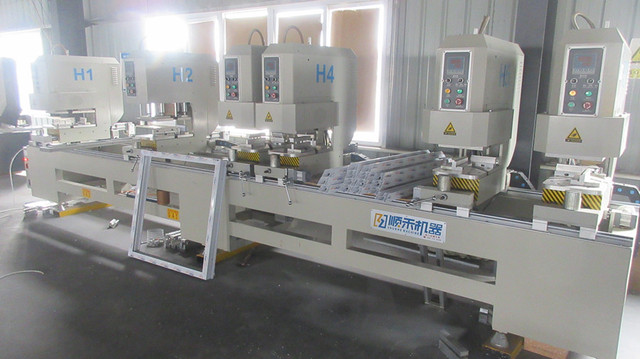
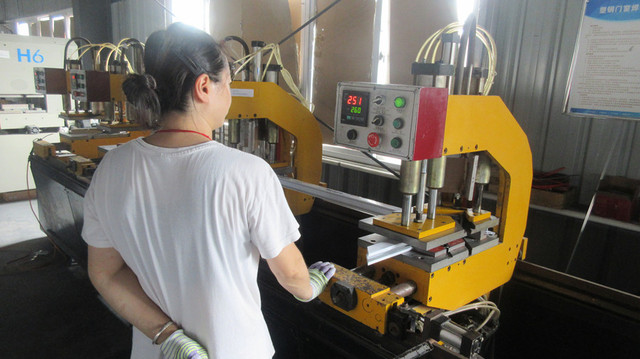
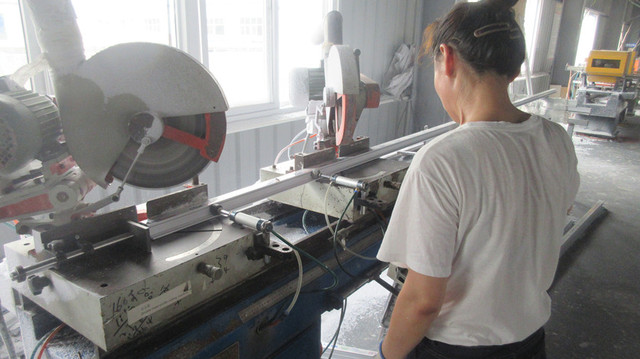
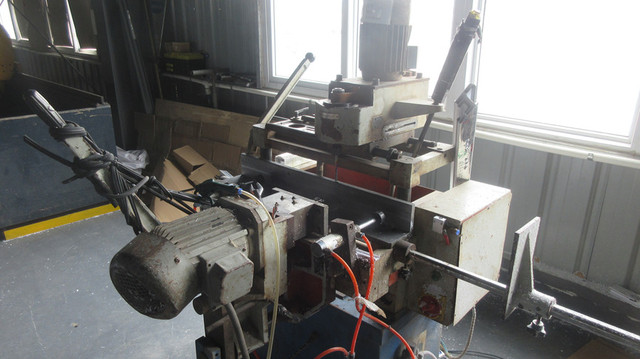
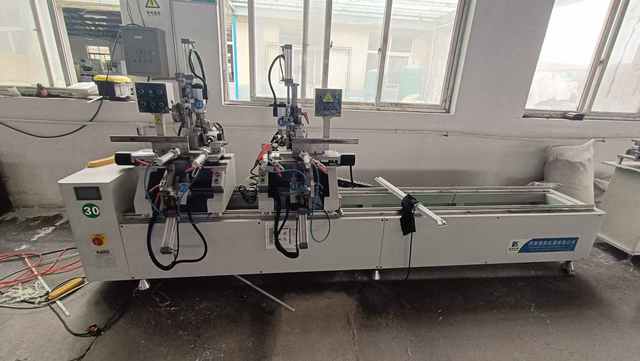
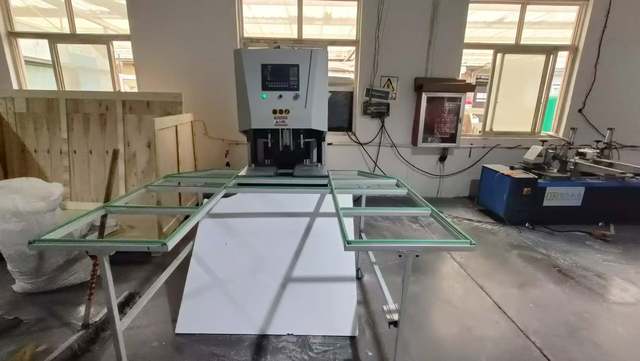
ORM Windows integrates advanced production equipment, precision fabrication technology, and strict quality management procedures throughout every stage of manufacturing. From aluminum profile processing and glass assembly to hardware installation and final inspection, every product is produced to ensure durability, weather resistance, thermal performance, and long-term reliability.
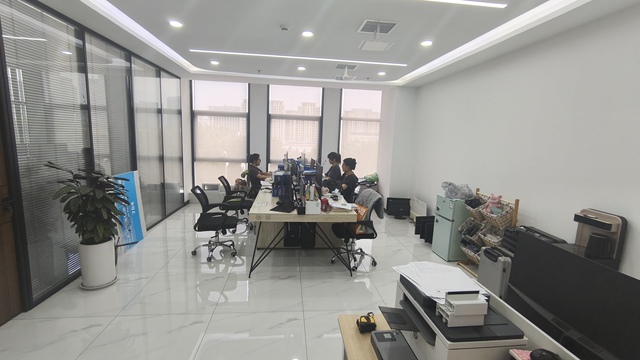
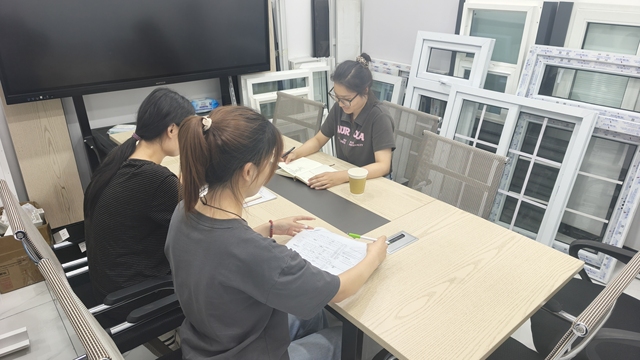
Supported by an experienced engineering and product development team, the company offers comprehensive OEM and ODM services, including customized dimensions, frame finishes, glazing options, hardware configurations, and private-label manufacturing. These flexible solutions enable builders, developers, distributors, and project contractors to meet specific market and project demands.
Serving customers across North America, Europe, the Middle East, Southeast Asia, Australia, and other international markets, Foshan ORM Windows Co., Ltd. has established a reputation for quality manufacturing, professional service, and dependable delivery. The company remains committed to providing innovative aluminum window solutions that enhance modern architecture while supporting sustainable and energy-efficient building development worldwide.
 ORM Windows