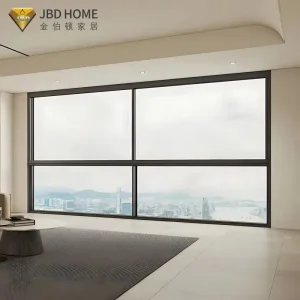
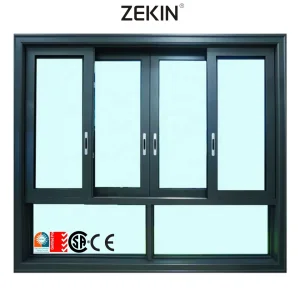
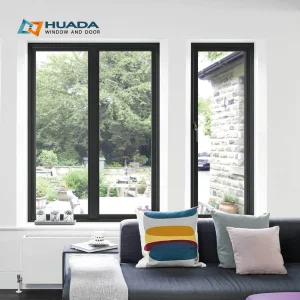
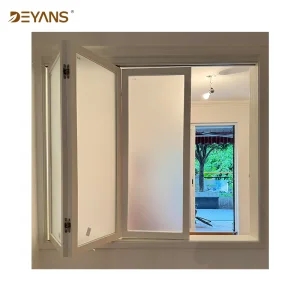
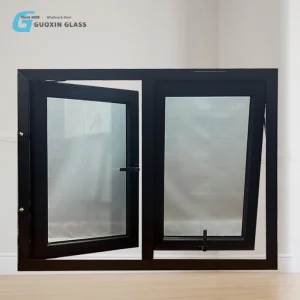
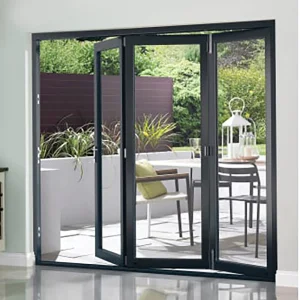
Explore our core manufacturing line of architectural elements, customized for high soundproof capacity, impact rating, and thermal performance.
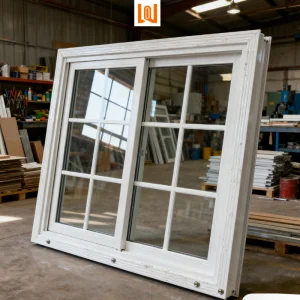
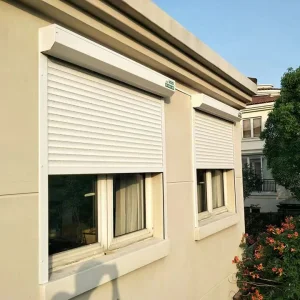
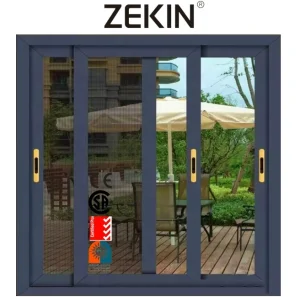
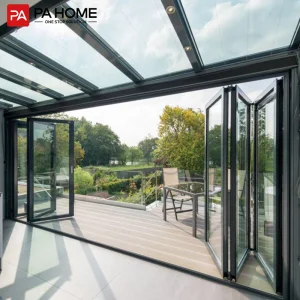
Established in 2011 and based in Foshan, Guangdong, China—the leading center for global architectural aluminum production—Foshan ORM Windows Co., Ltd. has evolved into an integrated manufacturing powerhouse. Over more than a decade, our engineering scope has expanded from premium window systems to high-performance modular structural applications, notably architectural and industrial OEM/ODM Aluminum Fencing.
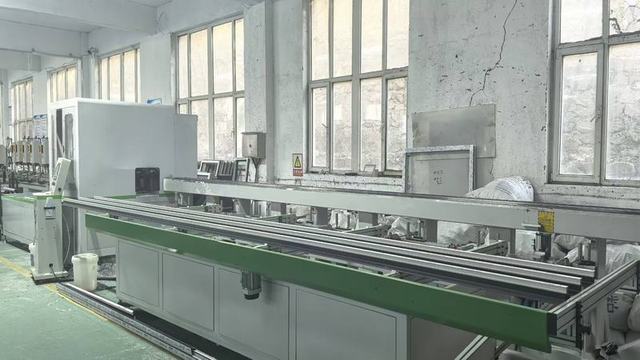
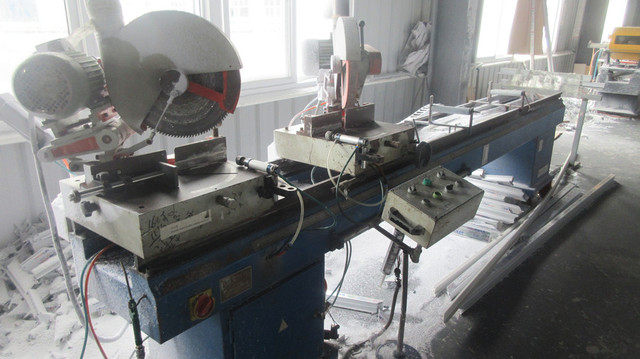
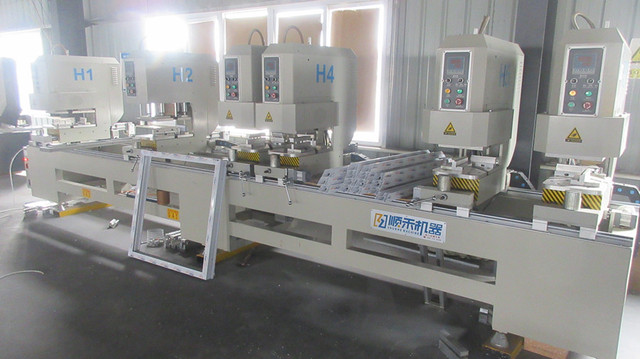
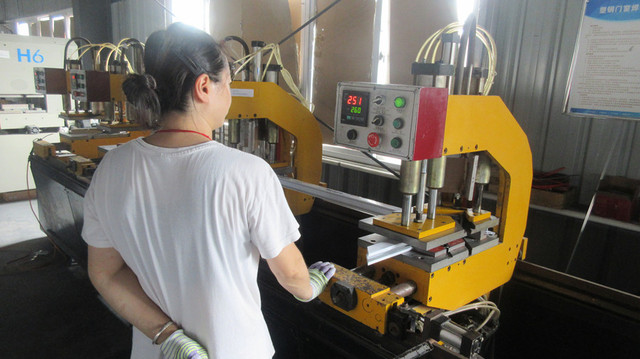
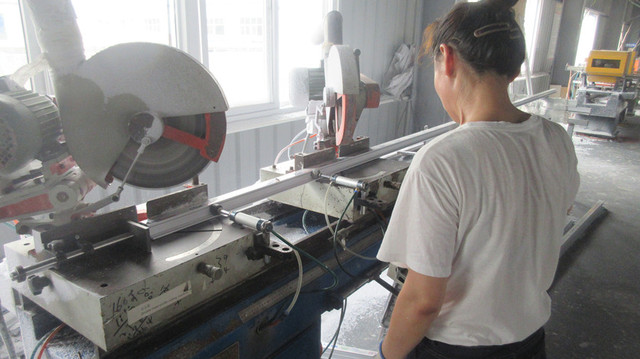
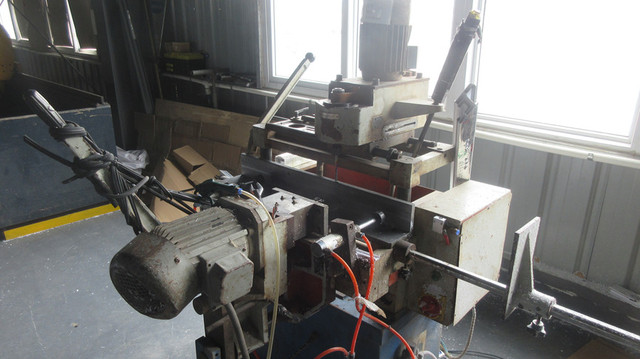
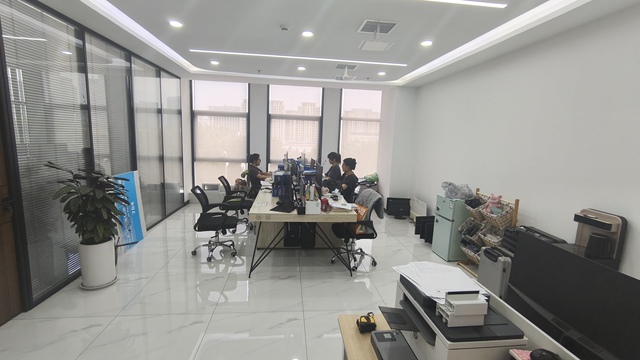
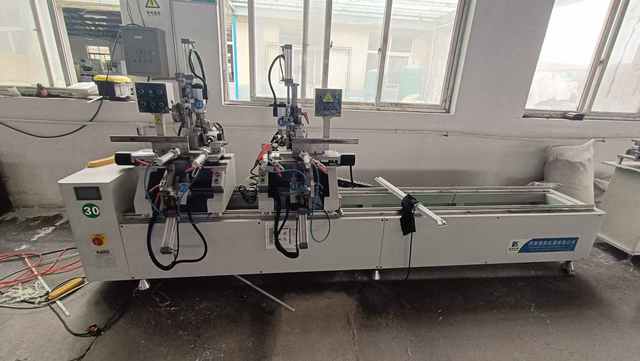
Operating a modernized, digitally-managed manufacturing facility spanning over 20,000 square meters, our operation brings together 280+ high-skilled fabrication technicians and engineering specialists. With our roots in high-performance structural glazing, our facility utilizes advanced metallurgy, mechanical profiling, and automated surface treatment systems to manufacture robust, wind-load-rated aluminum fencing packages alongside architectural windows.
By controlling the process from premium raw billet selection through design, extrusion, CNC routing, surface coating, and rigorous quality inspection, we guarantee mechanical consistency and absolute batch reliability across international markets.
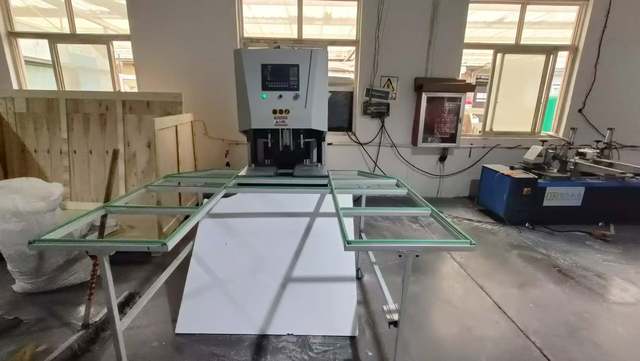
Our factory floor operates multiple precision aluminum extrusion presses, a fully automated vertical powder-coating line complying with AAMA 2604/2605 requirements, and multi-axis CNC machining centers. This robust industrial base allows us to maintain tight tolerances (+/-0.1mm) on custom fence post brackets, slats, pickets, and structural frames.
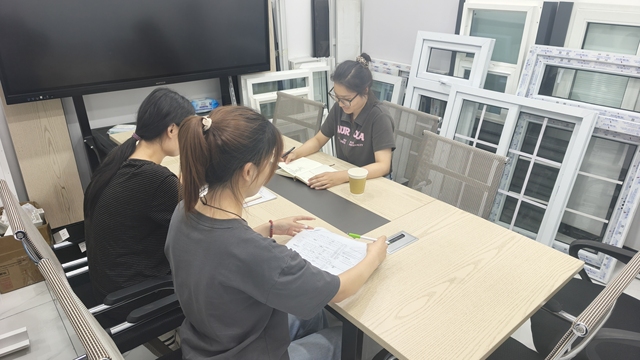
Through CAD and BIM architectural files, our team executes design translation services. We assist global clients in adjusting wind-load designs, modifying slat dimensions, engineering concealed-fastener interlocking mechanisms, and applying architectural-grade powder coatings or wood-grain sublimation processes.
Why architectural engineering firms, civil contractors, and volume distributors are switching to engineered aluminum fencing systems.
We use 6063-T5 and 6063-T6 premium structural aluminum extrusions. These structural tempers guarantee tensile strength ratings up to 240 MPa and yield strengths up to 145 MPa. Perfect for high wind-load conditions and industrial physical perimeters.
Unlike iron or galvanized steel systems, our aluminum fencing will not rust or rot. Combined with a multi-stage chromate pre-treatment and electrostatic powder coating, the fencing is rated to survive extreme UV exposure and high-salinity marine environments.
To reduce on-site labor overheads, our engineering team designs mechanical interlocking systems that require no welding. Post-to-rail connection joints are designed with internal structural sleeves and hidden stainless steel fasteners.
| Performance Parameters | ORM 6063-T6 Extruded Aluminum | Hot-Dip Galvanized Wrought Iron | PVC / Vinyl Composite | Pressure Treated Timber |
|---|---|---|---|---|
| Structural Yield Strength | Excellent (145 - 200+ MPa) | Outstanding (250+ MPa) | Low (Under 30 MPa) | Moderate (Depends on Grain) |
| Corrosion & Rust Resistance | Absolute (Forms self-protecting oxide layer) | Vulnerable (If galvanized coating is scratched) | Immune (But subject to UV cracking) | Poor (Prone to rot, warp, and mold) |
| Weight vs Strength Ratio | High (Approx. 2.7g/cm³ - lightweight/strong) | Low (Approx. 7.8g/cm³ - high load on supports) | Moderate (Lacks structural rigidity) | Low (High absorption variations) |
| Finishing Standards | AAMA 2604/2605, Qualicoat Class 2 | Standard Primer & Wet Spray Coating | Through-Color Compound | Stained, Sealed, or Latex Paint |
| Expected Service Lifespan | 30+ Years (Zero structural degradation) | 15 - 20 Years (Requires routine sanding/painting) | 10 - 15 Years (Fades and embrittles from UV) | 7 - 12 Years (Requires biennial preservation) |
Optimizing aluminum fencing configurations for specialized regulatory and geographic needs.
For oceanfront hotels, residential developments, and marine ports, coastal air acts as a catalyst for oxidation. We apply a specialized multi-stage marine-grade pre-treatment process that removes surface iron particles, followed by a double-coat fluorocarbon (PVDF) polymer layer to ensure salt-spray resistance over 3,000 hours (ASTM B117).
Industrial campuses, electric substations, and distribution hubs require perimeter systems that prevent breach. We manufacture custom security fencing featuring heavy-gauge pressed spear tops, anti-climb slat spacing, and integrating reinforced structural posts to support perimeter monitoring cameras and active sensing wires.
In regions subject to tropical cyclones (e.g., Caribbean, Florida, Northern Australia), fences must withstand dynamic pressure loads. Our engineers compute cross-sectional load formulas to design internally ribbed heavy-wall profiles that meet local building safety codes, such as AS/NZS 1170 and Florida Building Code wind loads.
As urbanization increases near highway corridors, sound pollution mitigation is a priority. ORM is designing engineered acoustic fencing options. These utilize multi-cavity interlocking aluminum slats filled with dense mineral wool cores to absorb high-frequency street noise, generating decibel drops in residential zones.
By partnering with local primary smelters, ORM is working toward utilizing higher percentages of post-consumer recycled aluminum alloys. Refining recycled billets requires only 5% of the energy utilized in refining virgin bauxite ore, assisting developers in meeting ESG targets and qualifying projects for LEED building points.
The global construction sector is demanding smart, active integration. Fences are transitioning from basic structural property barriers into integrated infrastructure networks. Our development team is working to integrate technology within our structural aluminum extrusions.
Our upcoming design pipeline features Photovoltaic Integrated Fencing (PIF). By using low-profile monocrystalline solar sheets within the angled surfaces of custom louver and privacy slats, our fences can function as auxiliary solar collectors. This enables them to generate power for perimeter lighting and smart security devices directly from the fence panels.
Furthermore, our engineering teams are refining modular tracking channels within post structures to accommodate hidden low-voltage wiring harnesses, fiber optics, and smart access-control mechanisms for automatic gate setups.
Detailed technical and logistical answers for project engineers, procurement managers, and B2B distributors.
Discover additional configurations designed to coordinate with modern building designs and custom structures.
 ORM Windows