Engineered aluminum structural frames featuring premium insect protection and integrated meshes
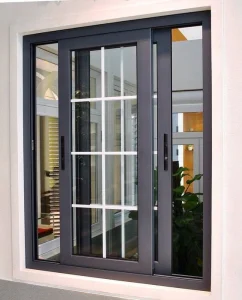
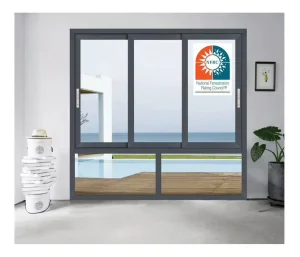
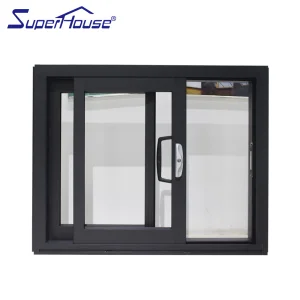
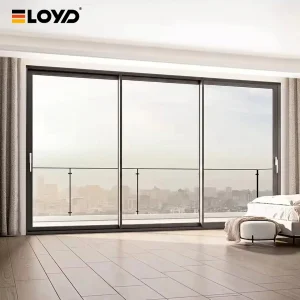
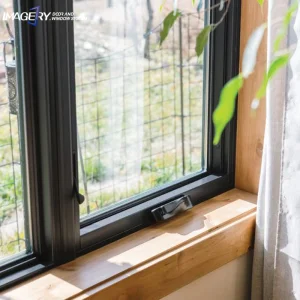
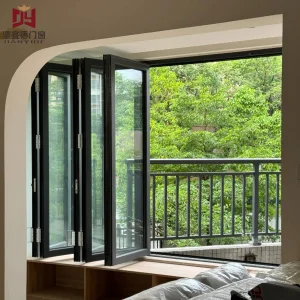
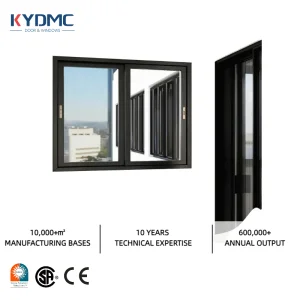
Modern architectural design is undergoing a paradigm shift where structural aesthetics, energy codes, and occupants' health converge. In this landscape, the humble insect screen has evolved into a highly engineered, multifunctional component. As leading global OEM/ODM Aluminum Window Screens Manufacturers & Suppliers, our R&D focus is centered on structural aluminum profiles that support multi-tier screening solutions, addressing seismic wind loads, thermal bridge disruption, and micro-particle filtration.
Historically, window screens were treated as post-installation accessories. Today, they are structural elements built directly into thermal break casements or multi-pane sliding systems. This integration ensures clean lines and maximizes the glass area while fulfilling local safety codes regarding occupant fall prevention and impact protection.
By leveraging high-tensile architectural alloys, particularly 6063-T5 and T6 structural aluminum, we provide systems capable of weathering extreme environmental degradation. This guarantees that modern facade assemblies retain their structural integrity while maintaining continuous, unobstructed airflow.
To assist procurement managers, architects, and engineering firms in assessing supplier competencies, our designs focus on the following regulatory compliance frameworks:
Adapting manufacturing parameters to diverse environmental and regulatory climates worldwide.
Firms sourcing under OEM programs demand compliance with Miami-Dade County hurricane requirements (TAS 201/202/203) and NFRC certifications. Screens must incorporate heavy-duty stainless steel security meshes (typically 304 or 316 marine-grade steel) that prevent insect intrusion while doubling as impact-resistant structural barriers.
With standard U-value targets sliding below 0.8 W/(m²K), screens are integrated with thermal-break profiles. These assemblies require custom micro-mesh components that maximize daylight entry while filtering particulate matter, helping projects attain BREEAM or LEED certifications.
B2B custom orders from Southeast Asia, Oceania, and coastal Gulf locations request enhanced corrosion-resistant surface coatings. Standard anodization is insufficient; we employ PVDF (polyvinylidene fluoride) liquid paint coatings and Qualicoat-certified powders to resist saline air degradation.
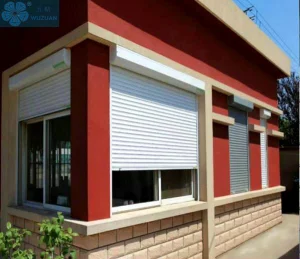
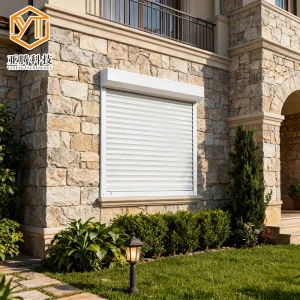
In addition to spatial trends, smart home integration has reshaped design expectations. Real estate developers prioritize mechanized screen enclosures controlled via building management systems (BMS). As top-tier ODM partners, our manufacturing line integrates tubular motors, magnetic guides, and weather sensors directly into the structural aluminum framing, creating smart, auto-retractable screening systems.
Global sourcing is not merely about finding a competitive price point; it is about securing a resilient supply chain that guarantees continuous delivery. Located in Foshan, Guangdong—the absolute epicenter of the world's architectural aluminum profile industry—our factory leverages localized raw material networks, specialized smelting lines, and custom tooling facilities. This geographical clustering yields a significant logistics, sourcing, and development advantage for international contractors.
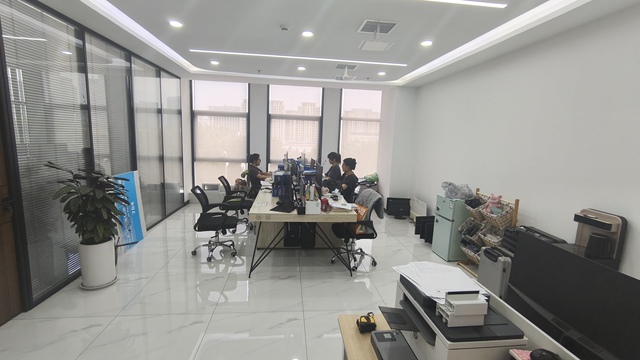
Foshan ORM Windows Co., Ltd. is a professional aluminum window manufacturer located in Foshan, Guangdong, China. Established in 2011, the company specializes in the design, engineering, manufacturing, and export of high-performance aluminum window systems for residential, commercial, and architectural projects worldwide.
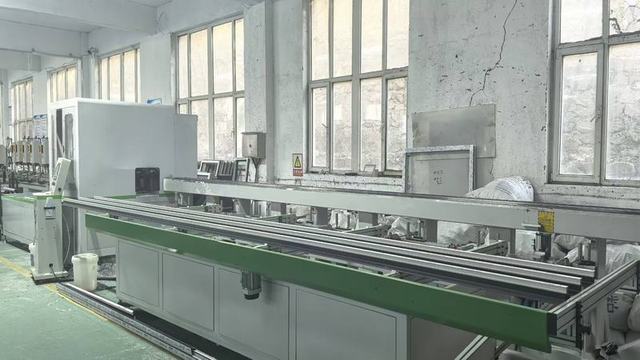
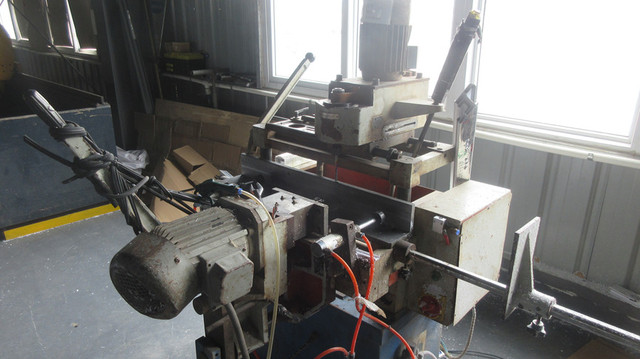
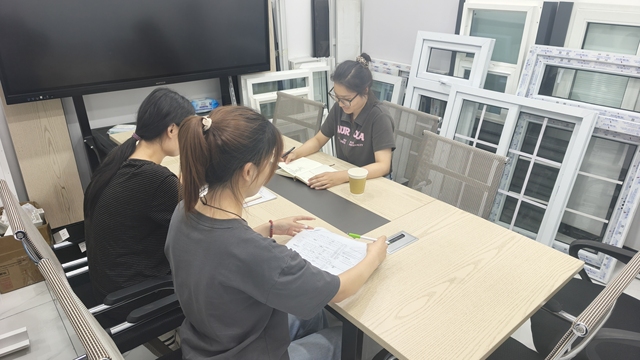
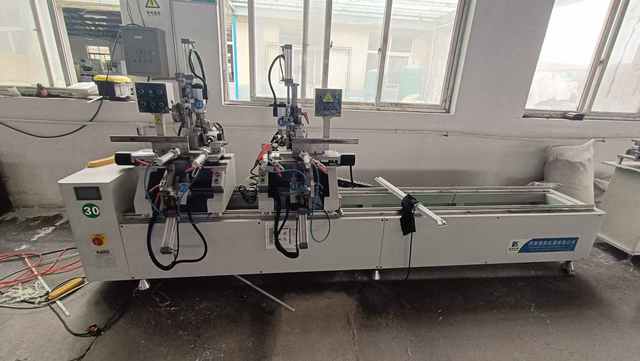
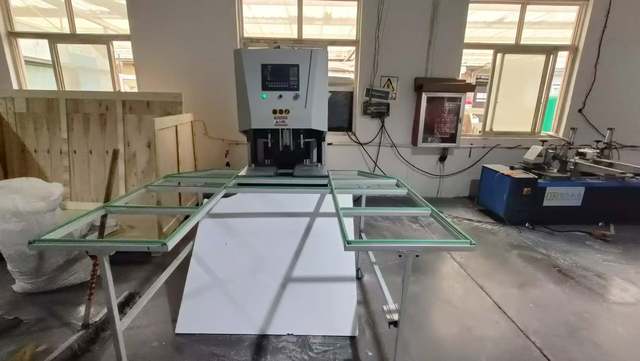
Covering more than 20,000 square meters of state-of-the-art manufacturing space and powered by over 280 skilled specialists, the facility integrates advanced engineering software with computerized CNC machining centers. This minimizes structural tolerances to ±0.5mm, ensuring clean assembly alignment and reliable weather-stripping engagement across our entire product line.
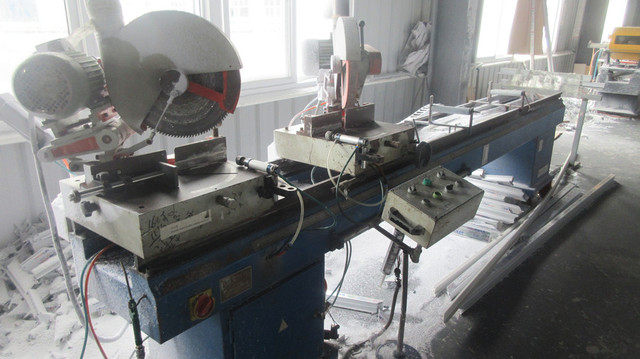
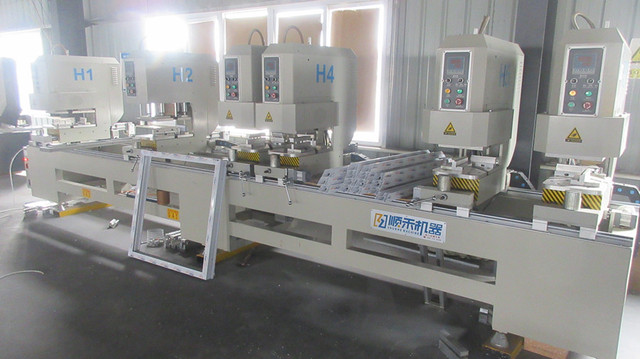
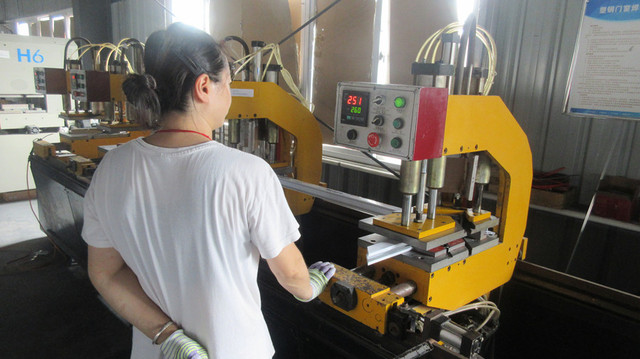
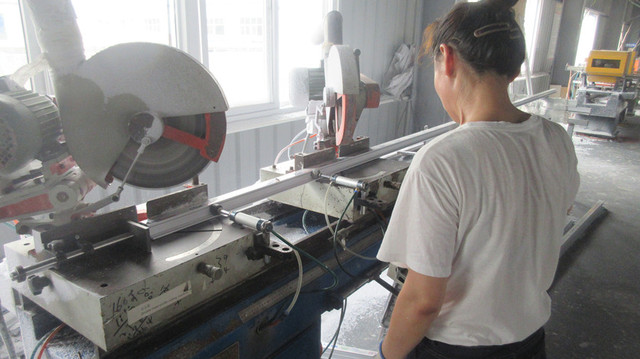
Our production facilities utilize a closed-loop system encompassing extrusion, precision surface treatments, automated double-glazing line runs, manual assembly, hardware calibration, and final quality checks. This ensures that every ODM/OEM batch, whether configured with standard mesh, pleated folding screens, or heavy-duty security metal, conforms perfectly to design specifications.
Furthermore, our dedicated structural testing laboratory conducts routine tests for air infiltration (ASTM E283), water penetration (ASTM E331), and structural load capacity. This empirical approach guarantees the long-term reliability of our products, giving our global clients the technical confidence to win competitive public and commercial tenders.
Production Facility (SQM)
Expert Operators & Engineers
Global Export Track Record
ASTM & CE Standard Compliant
A deep dive into our modular product capabilities and materials engineering
A primary bottleneck in international procurement is the rigid sizing structures of manufacturers. Foshan ORM Windows bypasses this limitation by adopting a fully modular design paradigm. This enables developers to order windows with custom dimension scales, profile wall thicknesses, and mesh specifications.
Extruded from 6063-T5/T6 structural aluminum with wall thicknesses ranging from 1.4mm for residential window systems up to 3.0mm for heavy-duty commercial storefront assemblies.
Options include 304/316 marine-grade stainless steel wire mesh (up to 0.9mm wire diameter), heavy-duty pet-resistant polyester grids, micro-fiber fiberglass screen rolls, and pleated PP/PE insect mesh.
Equipped with international premium hardware packages, including Siegenia, Roto, and HOPPE systems, as well as customized internal locking tracks designed to resist burglar forced entry.
Our surface finishing plant offers electrophoretic coatings, multi-tone wood grain transfers, and customized fluorocarbon coatings. This guarantees that your windows match any facade system while retaining colorfastness under severe environmental exposure.
How our custom systems resolve complex structural, environmental, and thermal engineering challenges.
1. Coastal Developments (High Salinity & Extreme Wind Load Zones): Traditional window assemblies in coastal zones suffer from rapid oxidation and structural screen blowouts. In a recent development project in Queensland, Australia, we supplied double-glazed thermal break sliding windows integrated with 316 marine-grade stainless steel security screens. The frames were treated with a 25-micron thick PVDF finish to resist high-salinity marine environments. This design ensured continuous ventilation during calm evenings while offering storm impact protection and structural durability under cyclic high wind pressures.
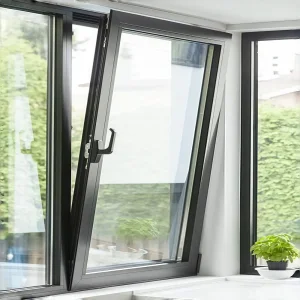
2. Urban Infill Projects (Acoustic Isolation & Particulate Filtering): Modern urban environments demand protection from noise pollution and fine airborne particles. For a residential tower block in London, UK, our engineers developed a custom-configured tilt-and-turn window featuring double-glazed insulated units filled with argon gas. These units were integrated with microscopic anti-pollen nylon mesh screen inserts, achieving an acoustic reduction rating of Rw = 42 dB while keeping airborne allergens out of living areas.
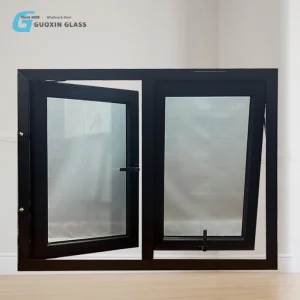
3. Educational Institutions (High Traffic & Student Safety Compliance): Window systems in schools require fall prevention engineering alongside robust insect protection. For a school renovation project in Toronto, Canada, we delivered structural awning and casement windows equipped with integrated, heavy-duty stainless steel security screens and locking limiters. This construction allows optimal airflow while eliminating the risk of accidental falls, meeting local building safety regulations without compromising thermal insulation or ventilation.
Technical answers for architects, structural engineers, and commercial procurement departments.
For custom profile extrusions and architectural screen integration, lead times range from 30 to 45 days. This timeline accounts for structural drawing approvals, custom die manufacturing (if required), profile extrusion, powder coating or anodization, glass cutting, assembly, calibration, and rigorous quality inspection. High-volume repeat orders can be expedited via scheduled container programs.
Integrated insect screens have a minimal direct impact on the glass center-of-glass U-value. However, high-quality, high-transmittance stainless steel meshes allow optimal solar energy flow, preventing heat buildup between the glass and screen. In climates requiring strict compliance with low U-values (e.g., U-vales < 0.25), we pair our insect screens with multi-chambered thermally broken aluminum profiles and low-emissivity (Low-E) double or triple glazing.
Our window systems are tested under rigorous international frameworks. Depending on specification requirements, we supply test certifications complying with AAMA/WDMA/CSA 101/I.S.2/A440 (North American Standard), EN 12207 (Air Permeability), EN 12208 (Water Tightness), and AS 2047 (Australian Standard for Windows in Buildings). This ensures hassle-free approvals at local building inspections.
Yes. Our in-house coating lines accommodate standard RAL color matching, bespoke anodized bronze and silver finishes, and multi-layer fluorocarbon finishes. Additionally, we customize frame extrusions to seamlessly match existing curtain walling, structural glazing, or storefront systems on the job site.
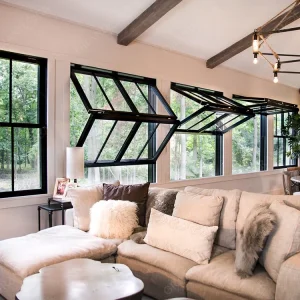
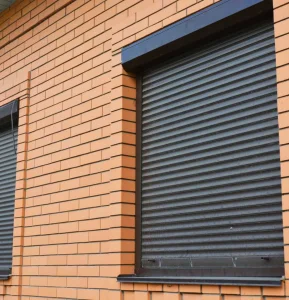
Engineered thermal break assemblies, folding systems, and automated roller shutter solutions
 ORM Windows