Navigating the complex ecosystem of modern architectural fenestration requires deep technical insight into global manufacturing hubs, stringent structural compliance, and advanced material science.
Explore our high-performance engineered window and door portfolios built for extreme weather resistance, acoustic insulation, and thermal efficiency.
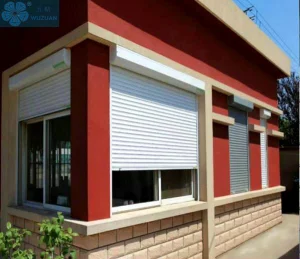
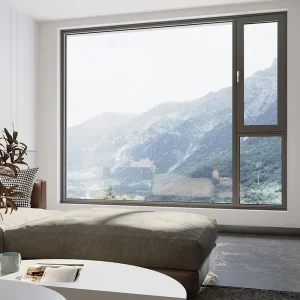
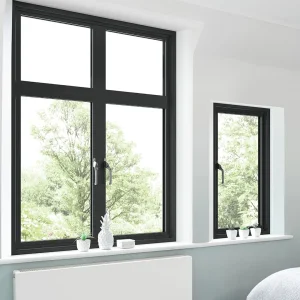
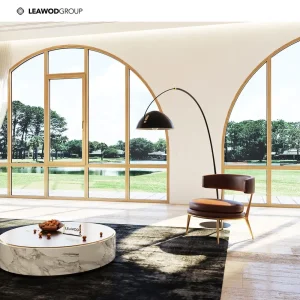
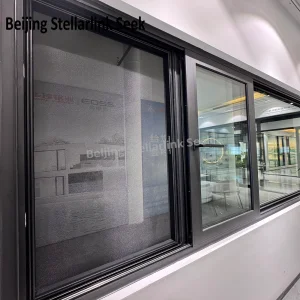
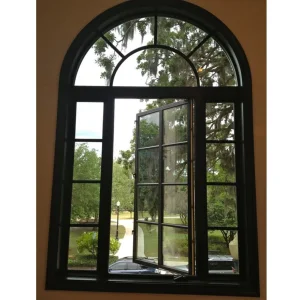
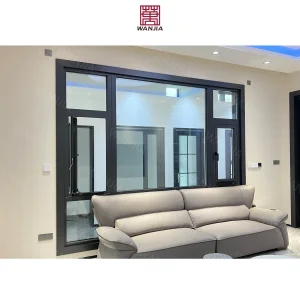
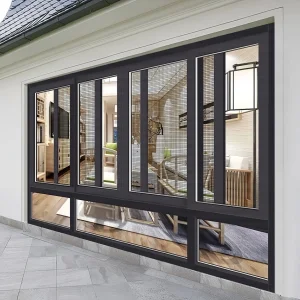
Why global developers and contractors source architectural aluminum systems from Foshan, Guangdong—the world’s epicenter of aluminum extrusion and fenestration technology.
Foshan offers an integrated supply chain ecosystem where primary aluminum smelting, precision extrusion dies, advanced surface treatments (anodizing, PVDF, powder coating), and hardware accessories operate within a tight geographic radius, drastically cutting lead times and production costs.
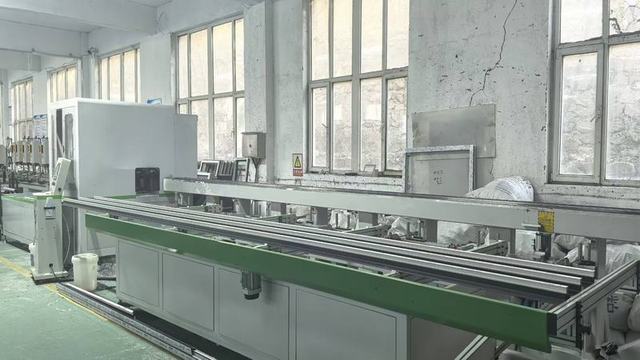
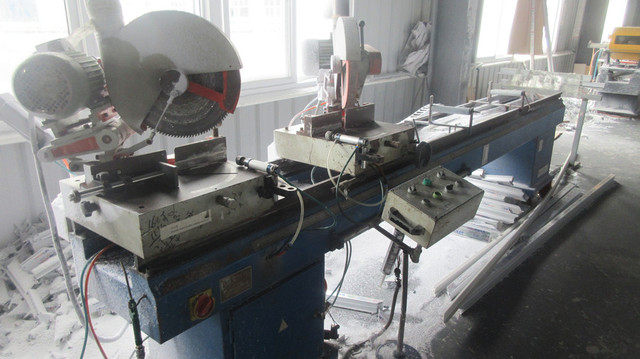
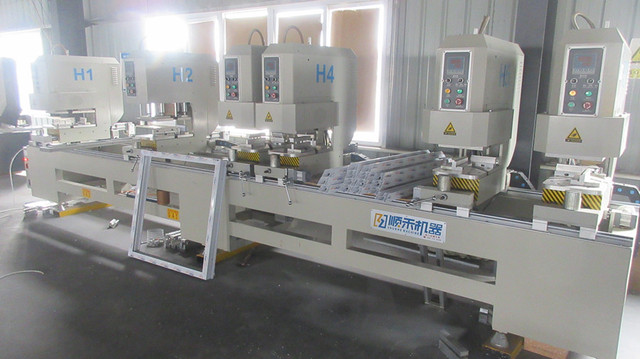
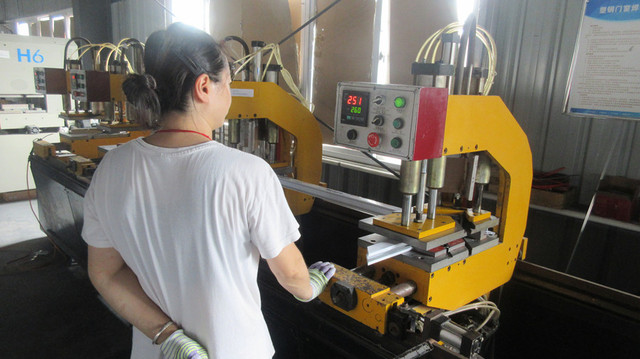
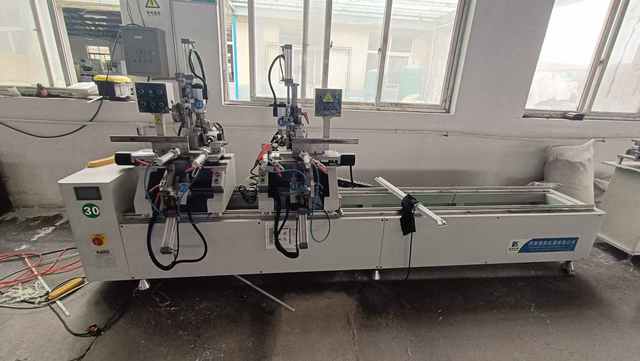
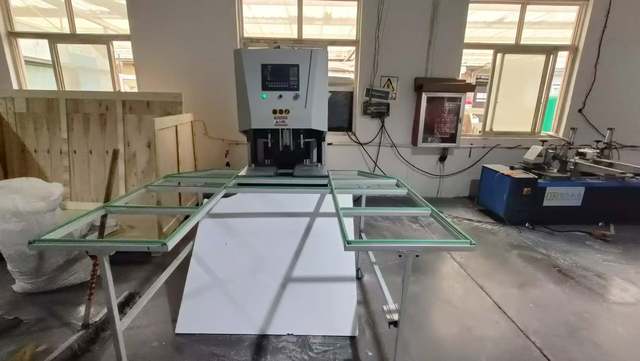
Leading manufacturers like ORM Windows invest heavily in automated CNC machining centers, precision glass assembly lines, and rigorous R&D protocols ensuring compliance with international structural standards like NFRC, AS2047, and CE.
Global procurement teams benefit from tailored manufacturing capabilities, accommodating unique project blueprints, bespoke dimensions, distinct thermal break profiles, and private-label requirements for massive commercial and residential developments.
Analyzing how sustainability mandates, energy efficiency codes, and smart building technologies are transforming the global architectural facade sector.
With stringent global carbon emission caps and green building certifications (LEED, BREEAM), demand for thermal break aluminum profiles combined with Low-E double or triple-glazed glass has surged. Architects and developers prioritize facades that minimize thermal bridging and optimize indoor climate control.
Climate change has driven stringent building codes in coastal and hurricane-prone regions across North America, Australia, and Southeast Asia. Sourcing hurricane-proof, impact-resistant aluminum sliding and casement windows is now a non-negotiable procurement standard.
Tailored aluminum facade and window configurations designed for diverse architectural typologies worldwide.
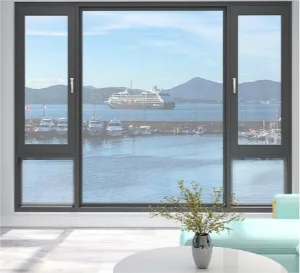
Featuring wide-span sliding glass doors, motorized skylights, and slim-profile thermal break casement windows that blend expansive outdoor vistas with airtight weather sealing.
Utilizing high-strength aluminum curtain wall systems, unitized facades, and multi-point locking mechanisms engineered to withstand high wind loads and seismic shifts.
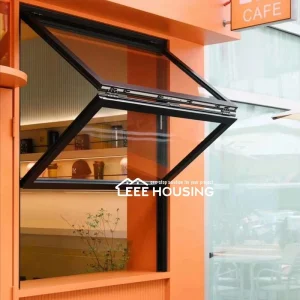
Incorporating bi-fold kitchen bar pass-through windows, acoustic sliding systems, and automated motorized operational windows designed for heavy commercial traffic and guest comfort.
Browse our comprehensive selection of folding windows, skylights, acoustic soundproof series, and industrial-grade aluminum extrusions.
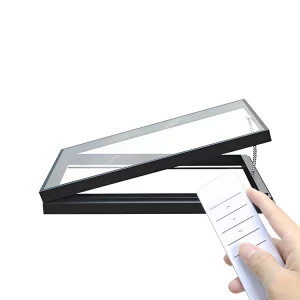
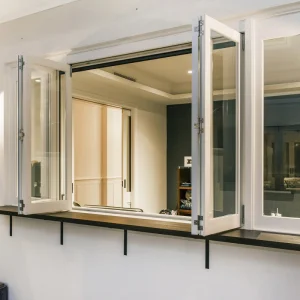
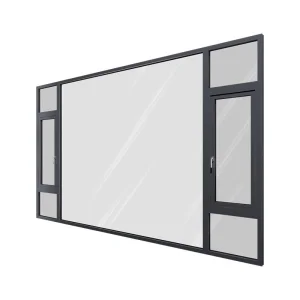
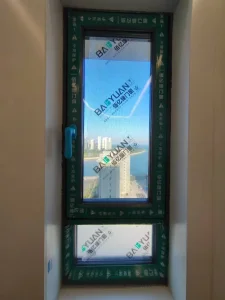
Supported by an experienced engineering and product development team, the company offers comprehensive OEM and ODM services.
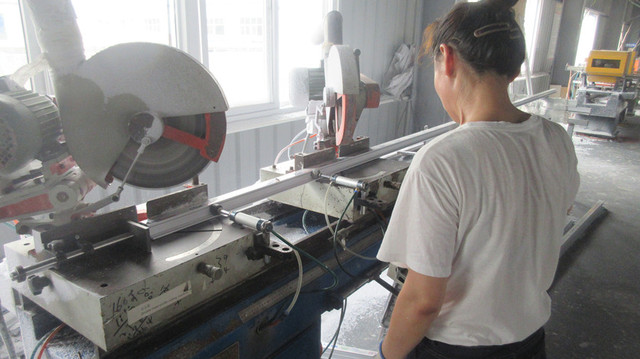
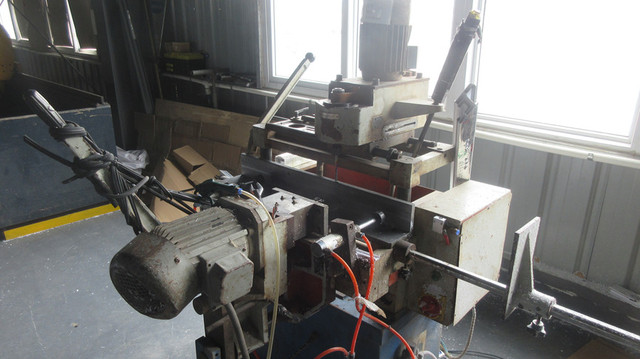
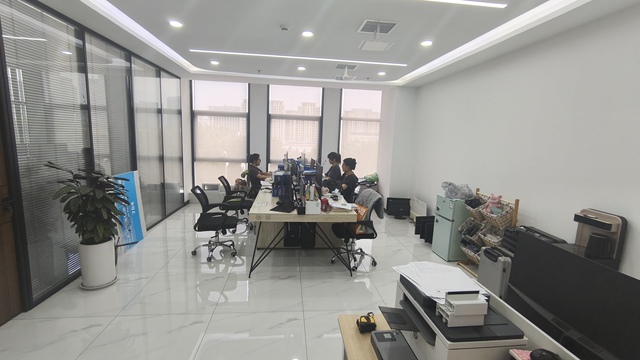
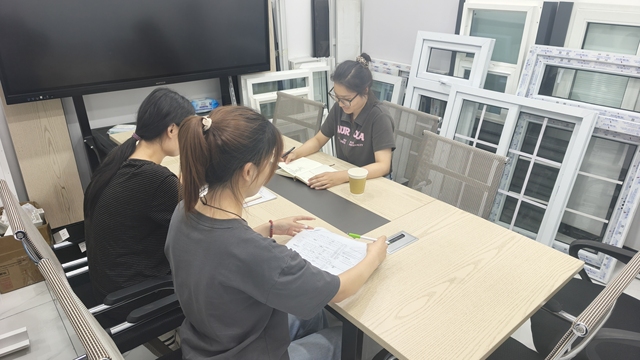
Expert insights on importing, certifying, and customizing aluminum building facades and window systems from China.
Our aluminum windows and facade systems are engineered to comply with major international standards including NFRC (National Fenestration Rating Council) and AS2047 (Australian Standard for Windows and External Glazed Doors), ensuring high performance in thermal insulation, water penetration resistance, and structural wind load.
Yes. With over 20,000 square meters of manufacturing capacity and an expert R&D team, we provide full OEM/ODM services. We customize dimensions, frame colors (anodized, powder coated, PVDF), glazing thickness, and hardware configurations to match exact project specifications.
Standard production lead times range between 25 to 35 days depending on the scale and complexity of the order. We utilize robust export-grade packaging (protective film, EPE foam, and sturdy wooden crates) to ensure safe transit to North America, Europe, Australia, and the Middle East.
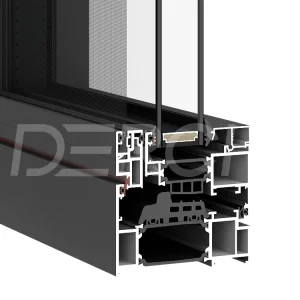
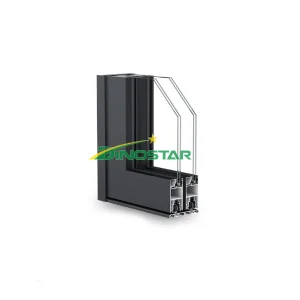
Thermal break aluminum profiles incorporate a polyamide insulation strip between the interior and exterior metal frames. This significantly reduces thermal transfer, improves energy efficiency, prevents condensation, and helps buildings meet strict green building and carbon-reduction codes.
 ORM Windows