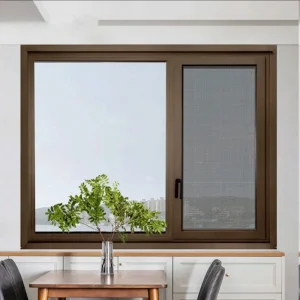
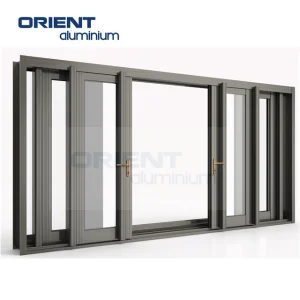
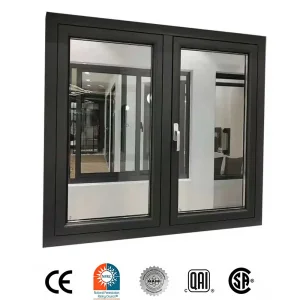
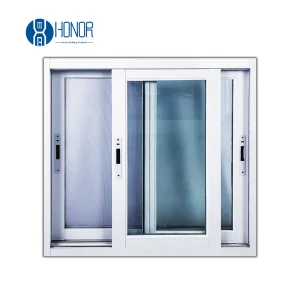
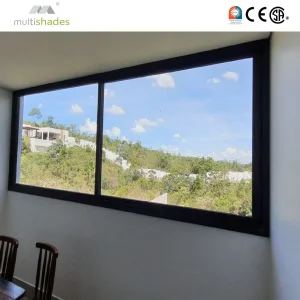
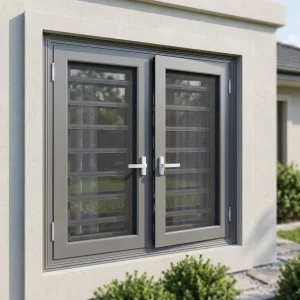
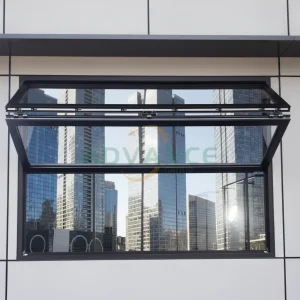
Below is our curated selection of architectural structural systems and custom extruded profile configurations. These items serve as structural examples for window and door frame installations, demonstrating precision manufacturing and strict quality thresholds.
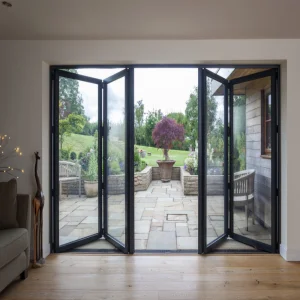
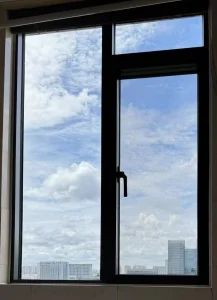
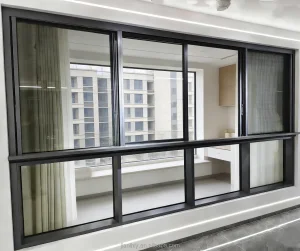
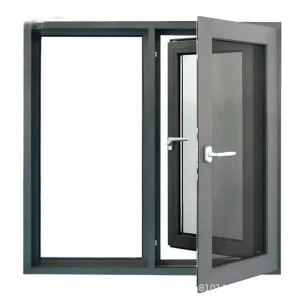
The global aluminum channels and profiles sector serves as the structural foundation of modern architecture, logistics, and electronics. Often designed in U, C, T, and H cross-sections, these structural channels act as the load-bearing framework for structural glazing, curtain walls, solar racking, and modern high-performance fenestration systems. As urban centers shift towards higher energy efficiency, the demands placed on manufacturers have migrated from simple profile geometries to thermal break solutions and precise engineering tolerances.
The manufacturing ecosystem of architectural aluminum structural channels is heavily clustered. South China, particularly the Foshan region in Guangdong, remains the undisputed world capital for structural aluminum profile manufacturing. This cluster benefits from integrated smelting, extrusion tooling, surface treatment (anodizing, fluorocarbon PVDF powder coating), and advanced logistics networks. Conversely, design engineering, specification consulting, and regulatory compliance standards are mostly governed by Western entities such as AAMA (American Architectural Manufacturers Association) in North America, and European Standards (EN codes) focusing on thermal insulation and carbon-neutral raw material sourcing.
For enterprise buyers, sourcing directly from high-capacity industrial hubs like Foshan allows for unparalleled tooling customization. This enables structural profiles with customized wall thickness configurations, customized cavity alignments for EPDM gaskets, and precise compatibility with global architectural hardware suites.
To assist procurement managers, facade consultants, and structural engineers in navigating international markets, we establish a rigid technical rating framework. Identifying a reliable supply partner requires evaluating several core capabilities:
Extrusion dies must be designed using advanced FEA simulation. The tolerance controls should meet or exceed EN 755-9 or ANSI H35.2 standards. Any deviation in wall thickness can lead to glazing leaks and structural failure under localized wind load.
Manufacturers must display capability in crimping Polyamide 66 reinforced with glass fiber (PA66-GF25) strips. The resulting structural bond must maintain shear strength under temperature variations from -30°C to 80°C.
Outer layers require protective coatings certified by Qualicoat (Class 1, 2, or 3) or AAMA 2605 specifications. This ensures long-term resistance against UV radiation, acid rain, and highly corrosive maritime environments.
Established in 2011, Foshan ORM Windows Co., Ltd. is a professional manufacturer specializing in the engineering, fabrication, and custom extrusion of high-performance architectural systems and structural aluminum profiles. Operating from a modern industrial facility covering more than 20,000 square meters in Foshan, China—the global epicenter for architectural aluminum—the company services a wide array of international commercial projects.
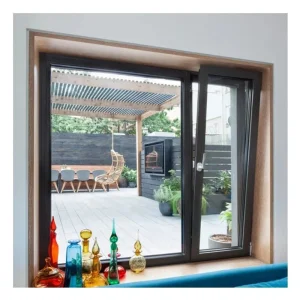
With a workforce exceeding 280 skilled personnel, ORM Windows integrates complex extrusion engineering with high-performance glass assembly. By managing operations from the initial alloy configuration, design, and extrusion processing, through to final assembly and testing, they maintain strict quality control standards. Their extensive catalog includes thermal break window channels, sliding profiles, modern residential tilt-and-turn configurations, and customizable structural glass channels.
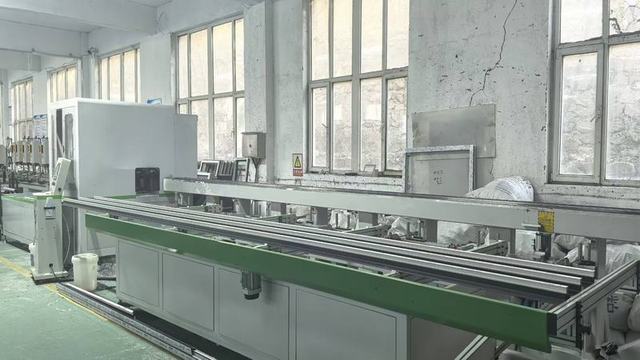
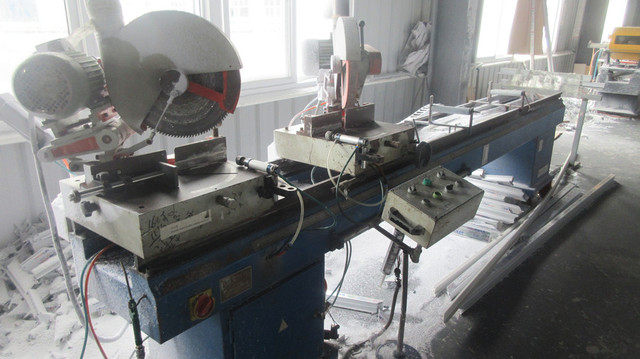
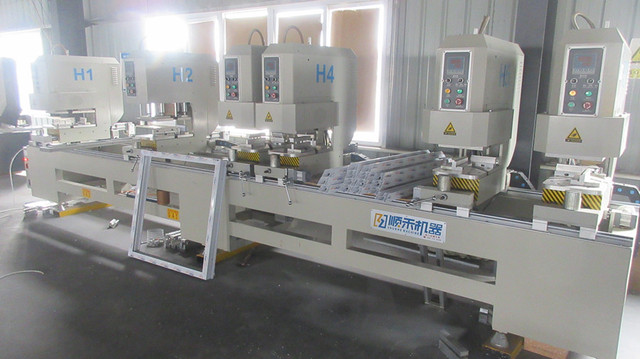
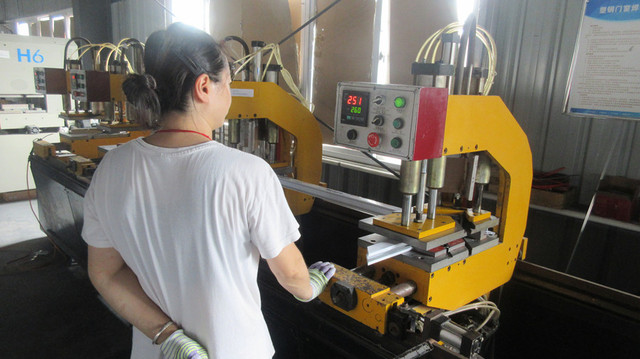
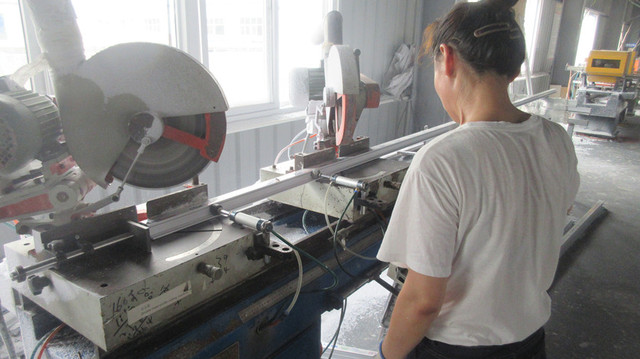
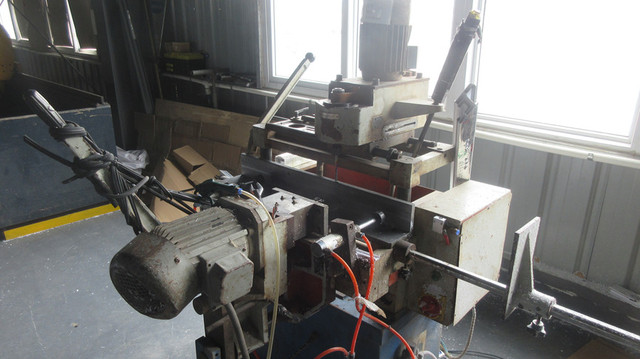
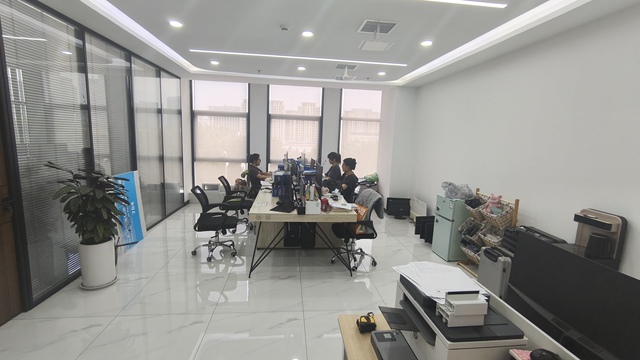
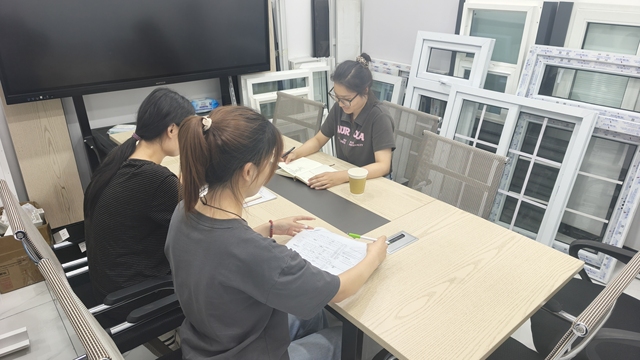
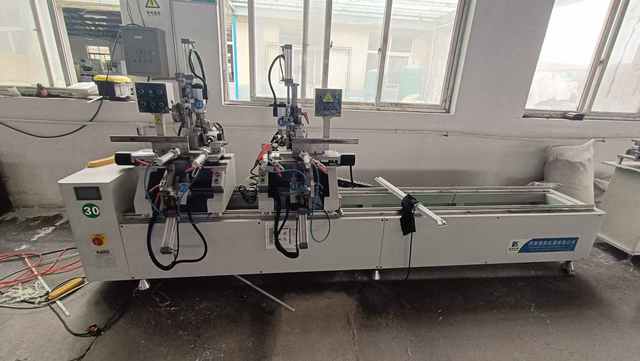
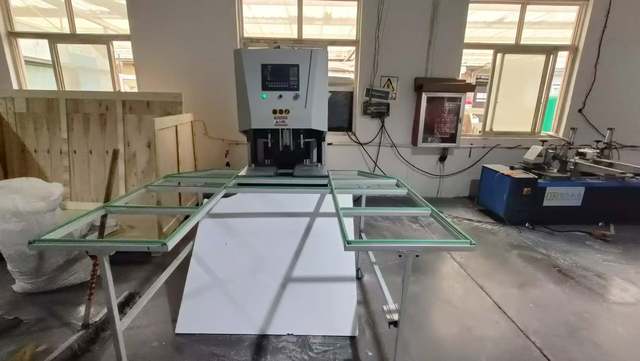
ORM's production processes run on CNC processing stations and automated glass line setups. The following gallery shows the factory floor, material handling, assembly, and quality assurance processes:
The aluminum extrusion and channel processing industry is undergoing significant technological developments. For decades, simple mill-finished U-channels were the standard. Today, advanced metallurgy, composite structural assembly, and digital integration are reshaping architectural expectations.
Rising global ESG requirements demand that top manufacturers utilize recycled aluminum scrap (often 6063-T6 variants derived from 75%+ post-consumer scrap). The melting process utilizes cleaner energy, cutting carbon footprints by up to 70% compared to primary smelter extractions.
Standard polyamide thermal breaks are being paired with low-density aerogel infills in thermal cavities. This step minimizes convective heat transfer through the aluminum channels, helping projects meet passive house standards.
Next-generation architectural facades utilize custom structural channels engineered to house sensors, automated actuators, and wiring runs. This facilitates real-time monitoring of frame stresses, wind pressure, and seal integrity.
Compliance with standards such as AAMA/WDMA/CSA 101/I.S.2/A440 (NAFS) is a core requirement for commercial deployment in North America. These criteria set strict performance ratings for air leakage, water penetration resistance, and structural design pressures. Similarly, Australian standards require test validations according to AS2047, which evaluates how framing systems perform under high wind loads and rain conditions typical of coastal zones.
High-performance architectural aluminum structural profiles resolve complex engineering challenges across residential and commercial projects:
By utilizing high-strength structural alloys (such as 6061-T6 or customized 6063-T6 templates), structural designers can create large, floor-to-ceiling glass expanses. The aluminum channels are calculated to resist dead loads and dynamic lateral wind pressure forces, reducing the need for heavy steel sub-frames.
In cold climates, standard solid aluminum frames present high thermal conductivity, resulting in interior condensation, mold growth, and heat loss. Integrating multi-cavity thermal break channels isolates the cold exterior profile from the warm interior frame, lowering the overall U-factor of the building envelope.
Urban and transport-adjacent zones require high sound insulation. Heavy-duty aluminum structural framing accommodates thick, double- or triple-glazed units containing laminated acoustic glass and argon gas fills, helping to reduce noise levels.
Environmental dynamics differ by region. Purchasing decisions must align with local environmental demands:
High salt mist and humidity levels require corrosion protection. Specify anodized coatings with a thickness of at least Class I (25 microns) or PVDF fluorocarbon coatings to prevent pitting corrosion and color fading. Structurally, window systems must feature heavy-gauge profiles to resist high winds and storms.
Thermal efficiency is the primary metric here. Select multi-chambered thermal break channels (24mm to 35mm polyamide strip width) paired with argon-filled low-E insulated glass units (IGUs) to meet energy code requirements.
Acoustic performance and ease of maintenance are key. Multi-point locking hardware integrated within structural channels provides reliable security, while deep-groove glass pockets accommodate soundproof laminated glazing.
6063-T5 and 6063-T6 differ primarily in heat treatment. The T6 temper undergoes artificial aging to achieve higher yield and tensile strength (minimum yield strength of approximately 170 MPa vs. 110 MPa for T5). T6 is typically used for load-bearing structures and structural curtain walls, while T5 is used for standard architectural windows and door frames due to its balance of strength and surface quality.
Aluminum is a natural thermal conductor. Without a thermal break, outdoor heat or cold transfers directly to the interior space, causing energy loss and condensation. The insertion of a low-conductivity polyamide barrier breaks this path, helping maintain stable interior temperatures and improving energy performance.
Anodizing is an electrochemical process that converts the metal surface into a durable, corrosion-resistant anodic oxide finish. It is highly resistant to scratching and chemical exposure. Powder coating involves spraying an organic powder electrostatic charge onto the profile before curing it under heat. Powder coating offers a wider range of colors and gloss levels, but anodizing provides a more industrial aesthetic and resists peeling in coastal environments.
Look for manufacturers certified under ISO 9001 for quality systems, and ISO 14001 for environmental management. For structural performance, verify that the products carry test certifications relevant to your region, such as CE (Europe), AAMA (USA), and AS2047 (Australia). These tests confirm that the profiles have been evaluated for air infiltration, water resistance, and structural integrity.
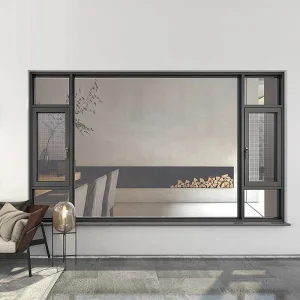
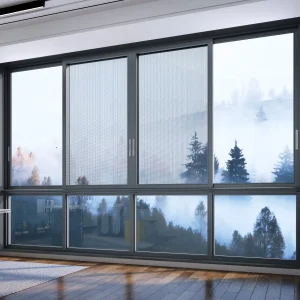
The following architectural window systems demonstrate different configurations of thermal-break channels, multi-point locking mechanisms, and frame finishes.

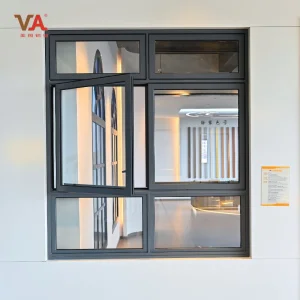
 ORM Windows