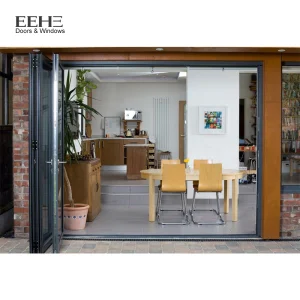
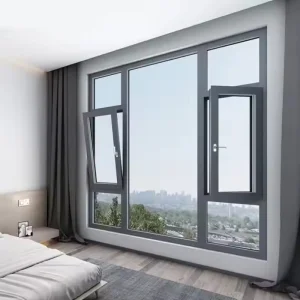
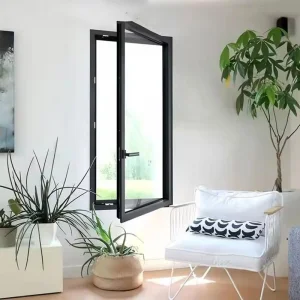
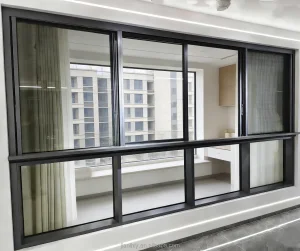
Explore our high-performance thermal-break aluminum profiles, weather-resistant structural glazing, and customizable exterior systems engineered for global projects.
Analyzing manufacturing systems, performance parameters, compliance benchmarks, and supply chain logistics for enterprise buyers.
In modern civil and commercial architecture, high-performance structural enclosures require materials that deliver high structural strength, corrosion resistance, thermal stability, and design flexibility. Anodized, PVDF, and powder-coated aluminum extrusions represent the structural backbone of premium glazing systems. By utilizing advanced coating technologies (such as fluoropolymer PVDF systems meeting AAMA 2605 specifications), manufacturers can ensure that structural profiles endure up to 25 years of extreme UV exposure and marine environment atmospheric conditions without significant chalking or color degradation.
Global procurement of architectural fenestration has evolved from simple hardware component sourcing to the integration of complex system engineering. The top global manufacturers of aluminum coated systems operate at the intersection of metallurgy, surface chemistry, and thermodynamic design. For enterprise procurement managers, project architects, and commercial developers, choosing the right manufacturer involves assessing not only structural capacities, but also processing capabilities, surface integrity, thermal performance profiles, and multi-national compliance certifications.
Key Procurement Insight: The longevity of structural aluminum is directly correlated to its surface treatment chemistry and extrusion alloy composition. Specifying 6063-T5 or T6 grade aluminum with architectural powder coating guarantees the mechanical load resistance required for modern commercial façades.
The manufacturing of high-end architectural aluminum products is geographically clustered. Analyzing these global manufacturers reveals distinct production patterns:
A critical consideration for global buyers is sourcing from fabricators that control the entire value chain—from structural aluminum extrusion to secondary surface finish treatments and glazing installation. This vertical integration directly mitigates raw-material variations and structural failures.
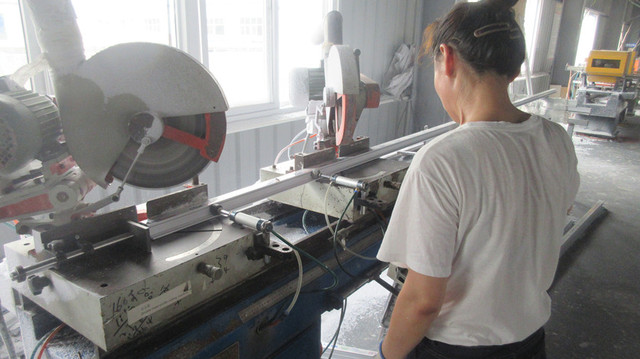
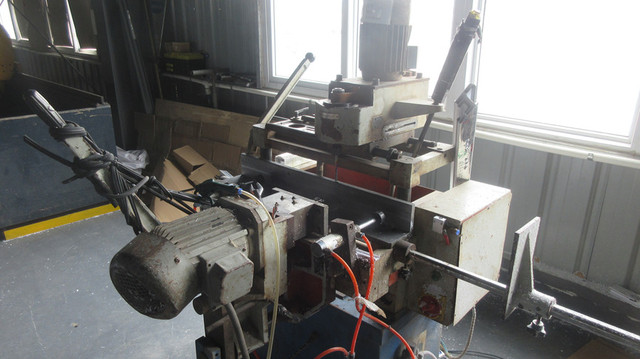
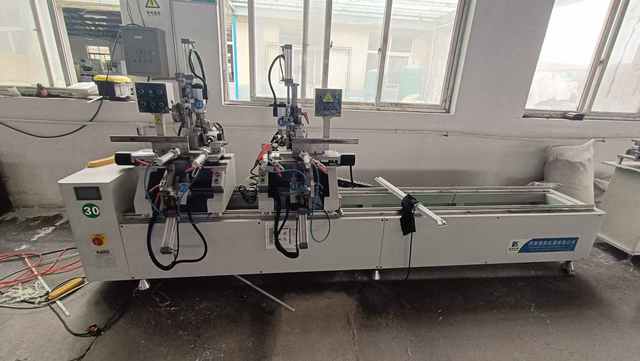
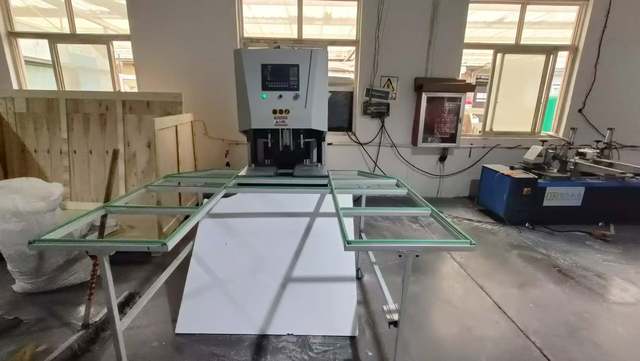
Established in 2011, Foshan ORM Windows Co., Ltd. is a leading manufacturer specializing in the engineering, fabrication, and export of premium aluminum window and door systems. Based in Foshan, Guangdong Province—the heart of China's structural aluminum manufacturing sector—the company has expanded to operate a modern facility spanning over 20,000 square meters. The plant integrates advanced CNC profile cutting, automatic corner-crimping equipment, thermal break assembly machines, and cleanroom double/triple glass glazing lines.
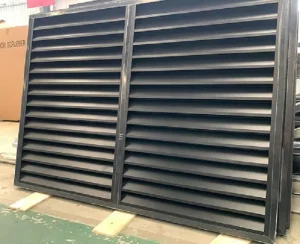
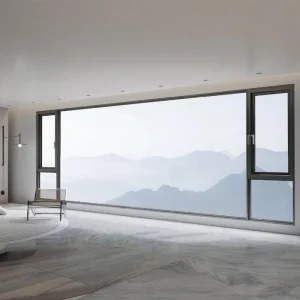
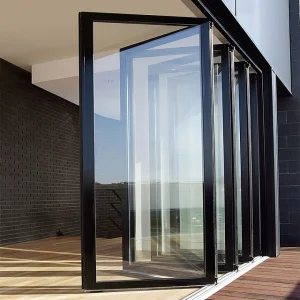
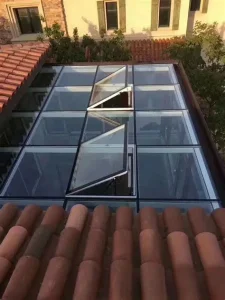
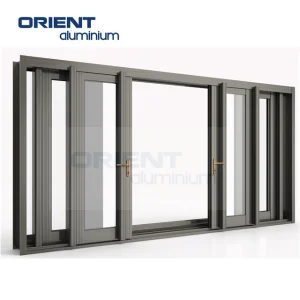
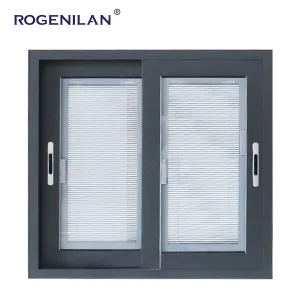
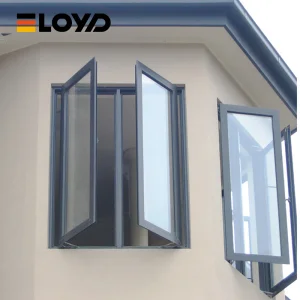
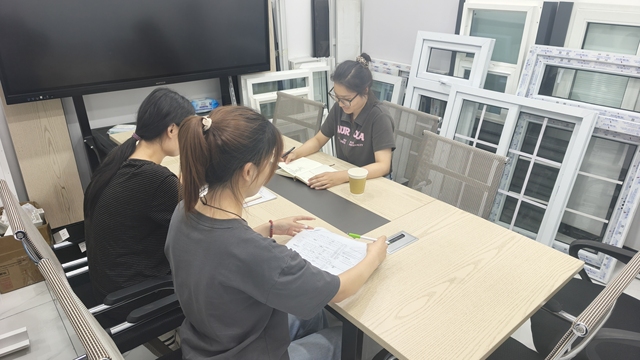
Supported by a workforce of over 280 skilled professionals, including specialized structural engineers and QA/QC inspectors, ORM Windows focuses on international building standard compliance. The catalog covers thermal break casement windows, architectural sliding profiles, double-glazed soundproof doors, integrated blind windows, and custom smart-control structural skylights. By controlling manufacturing inputs and maintaining partnerships with global glass brands and high-grade hardware systems (e.g., German Siegenia or Sobinco), ORM ensures structural durability, low thermal transmittance, and long-term wind and water pressure resistance.
Complete custom die design, profile extrusion, structural glass integration, and custom paint matching according to RAL or AAMA guidelines.
Utilizing high-speed multi-axis CNC machines to achieve fabrication tolerances within 0.5mm, ensuring airtight structural joinery.
All structural designs are optimized to meet strict regional building codes, including AS2047, NFRC, CE, and Florida Hurricane impact requirements.
The production of architectural fenestration systems depends heavily on geographic proximity to raw material producers and specialized chemical treatment operations. Foshan, China, is the world's most concentrated cluster for architectural aluminum profiles. For international B2B buyers, this concentration translates into significant supply-chain advantages:
Architectural products are subject to strict regional building codes designed to ensure energy efficiency, structural integrity, and public safety. Sourcing overseas requires working with a manufacturer that understands and implements these engineering standards:
North American Standards (NFRC & AAMA): Performance in North America is measured by National Fenestration Rating Council (NFRC) thermal standards, evaluating U-factor, Solar Heat Gain Coefficient (SHGC), and Visible Transmittance. Structural window frames must resist high wind loads and air infiltration in accordance with the North American Fenestration Standard (NAFS/AAMA/WDMA/CSA 101/I.S.2/A440).
Australian Standards (AS2047 & AS1288): All windows imported into Australia must be tested and certified to AS2047, which specifies structural deflection, air infiltration, and water penetration resistance. Sourcing glass must also comply with AS1288 for thickness, structural spanning, and safety limits.
European CE Marking (EN 14351-1): Products bound for the EU must bear CE labels demonstrating conformity with EN 14351-1, which governs air permeability, water tightness, wind resistance, and acoustic performance.
The fenestration sector is moving toward high-efficiency thermal envelopes and integrated smart technologies. Three primary trends shape the industry today:
Every architectural project presents unique environmental and structural challenges:
Coastal High-Wind & Marine Environments: Projects in coastal regions require high wind load capacity and marine-grade coatings (such as PVDF or specialized pre-anodizing treatments) to resist salt-spray corrosion and wind-driven water intrusion.
Urban Acoustic Dampening: Multi-family residential units near major transport hubs rely on double or triple glazed acoustic systems. Combining varying glass thicknesses with PVB laminated layers helps reduce outdoor sound transmission class (STC) levels.
Commercial High-Rise Facades: For multi-story structures, structural deflection, thermal contraction, and seismic movement must be carefully engineered into the frame profiles and structural anchoring systems.
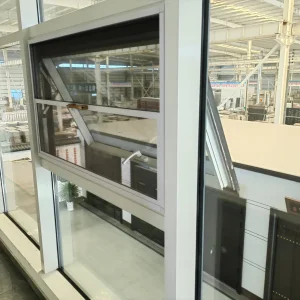
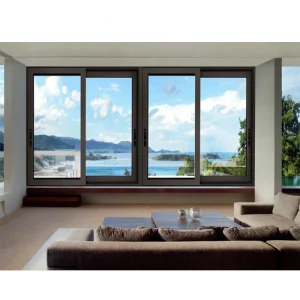
Explore our heavy-duty sliding windows, integrated blind designs, high-performance thermal breaks, and hurricane-resistant profiles engineered for demanding B2B applications.
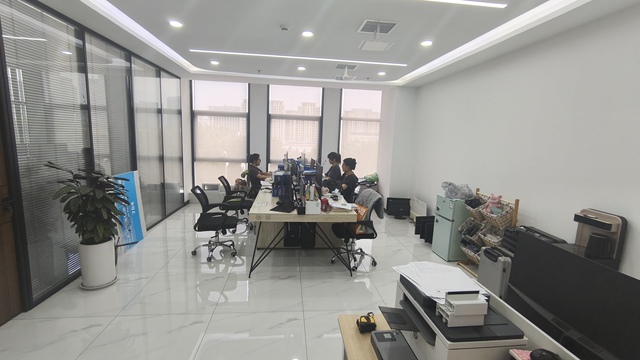
Inside our 20,000 square meter Foshan facility, showing fabrication precision, automated glass assembly, surface treatment lines, and quality verification workflows.
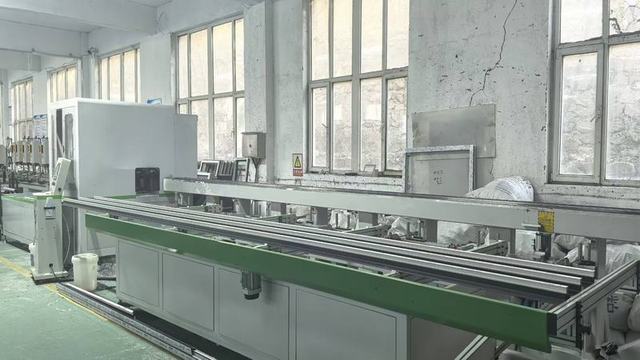
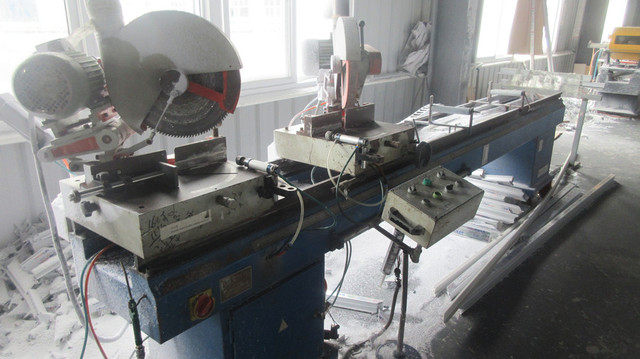
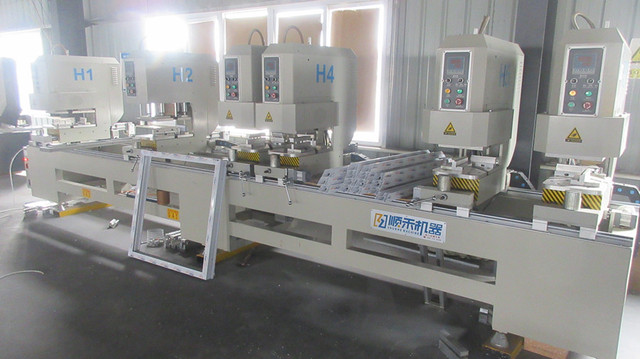
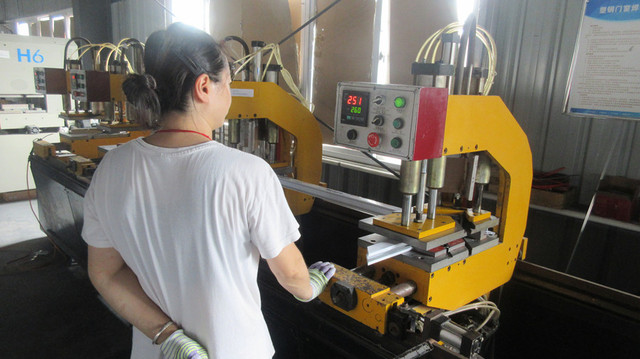
Providing detailed specifications, testing metrics, and logistical insights to help builders and developers make informed sourcing decisions.
Depending on the profile design and glazing specifications, ORM's thermal break systems achieve U-factors ranging from 1.2 to 2.2 W/m²·K (0.21 to 0.38 BTU/h·ft²·°F). Using triple-pane glass (such as Low-E coatings filled with 90% Argon gas) paired with 24mm structural polyamide thermal barriers yields optimal results, which is suitable for cold-climate applications.
Our hurricane impact-resistant series undergoes structural wind-load testing up to design pressures of +/- 4500 Pa (equivalent to Category 5 wind speeds). We use high-tensile 6063-T6 aluminum alloys and laminate the IGUs with specialized PVB or SentryGlas (SGP) interlayers. This configuration meets the testing requirements of ASTM E1886 and ASTM E1996 for wind-borne debris impact.
Yes. We offer complete OEM and ODM design support. This includes drafting customized architectural extrusions, designing custom structural dies, adjusting profile wall thicknesses for high-rise wind loads, and matching powder coatings to RAL, Dulux, or AAMA standards. We also integrate proprietary hardware systems.
Our products can be configured to meet certifications for major markets. We have system configurations verified under the National Fenestration Rating Council (NFRC) framework for North America, CE marking (EN 14351-1) for Europe, and AS2047 standard compliance for Australia. All glass packages are certified to SGCC (US) or AS/NZS 2208 (Australia).
Standard production runs for customized window profiles require 25 to 35 days from technical drawing sign-off to container loading. We package all shipments in fully enclosed plywood crates with protective foam corner guards to prevent surface scratching and glass damage during sea transit.
 ORM Windows