Precision-engineered structural aluminum profiles designed to isolate, protect, and illuminate irreplaceable historical artifacts. Discover high-performance architectural display solutions.
Modern museum design has shifted from static, simple wooden display cases to highly complex, dynamic architectural environmental controls. Today, aluminum museum display systems represent the pinnacle of conservation engineering. Driven by the expansion of cultural heritage institutions, private galleries, and multi-million dollar archives across Europe, North America, and the Middle East, the demands placed on manufacturers have reached unprecedented scientific levels.
The primary driver of the global museum display market is the preservation of fragile artifacts from moisture, air contaminants, UV degradation, and physical security threats. Structural aluminum profiles form the rigid skeleton of these systems. Unlike wood, which releases harmful volatile organic compounds (VOCs) that tarnish metals and deteriorate fabrics (known as the outgassing effect), engineered aluminum is naturally inert. It can be precision-extruded to include thermal breaks, continuous rubber sealing channels, and integrated security locks.
"The selection of architectural-grade structural aluminum frames is no longer just an aesthetic choice. It is a critical conservation strategy that guarantees structural stability and hermetic sealing over decades of continuous public exhibition."
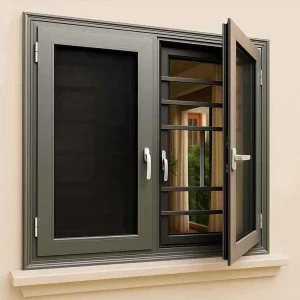
Furthermore, the modern architectural envelope of the museum itself requires a seamless transition from exterior glazing systems to interior display cases. Manufacturers that specialize in high-performance aluminum window profiles, structural glass assemblies, and thermal break engineering have stepped up to bridge this gap, supplying cultural institutions with museum-grade fenestration and specialized internal showcases.
China, specifically the Foshan industrial corridor in Guangdong, accounts for over 60% of the world's high-grade architectural and structural aluminum exports. As a global hub, Foshan combines massive raw-material processing capabilities with ultra-advanced CNC milling, automatic electrostatic powder coating, and precision assembly lines.
When procurement directors choose Chinese manufacturers for museum displays or high-performance architectural glass systems, they leverage:
For example, Foshan ORM Windows Co., Ltd. (established in 2011) has leveraged this ecosystem to build a 20,000-square-meter facility with over 280 skilled personnel. Specializing in advanced thermal-break profiles and structural glazing systems, ORM delivers the exact structural tolerance (often within ±0.5mm) required by modern museum enclosures and high-security architectural facades.
Advanced profile designs that prevent air exchange, keeping internal relative humidity stable to protect ancient manuscripts and wooden relics.
Integration of multi-point locking mechanisms, anti-impact glass frames, and reinforced structural corners ensuring maximum security.
Thermal-break cavities paired with argon-filled double glazing block external heat sources and ambient sound, enhancing visitor focus.
Understanding how aluminum museum displays and structural fenestration systems perform in real-world contexts is crucial. Different geographic regions present unique environmental challenges:
A. High-Humidity Coastal Environments (e.g., Southeast Asia, Gulf Regions): Here, external relative humidity fluctuates wildly. Display frames must employ advanced EPDM sealing gaskets and non-corrosive powder-coated aluminum profiles to prevent moisture intrusion and structural rusting.
B. High-Seismic Zones (e.g., Japan, California): Display cases and perimeter glass viewing walls require high-tensile 6063-T6 aluminum alloys and elastic glazing compounds to absorb kinetic shocks without shattering.
C. Extreme Temperature Gradient Regions (e.g., Northern Europe, Canada): Thermal break technology, which separates the exterior aluminum profile from the interior with a polyamide barrier, is vital to prevent condensation on the glass and frame, safeguarding display climate integrity.
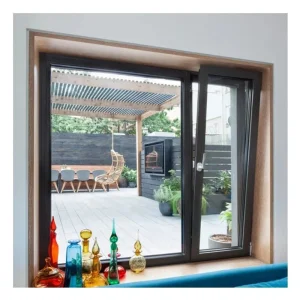
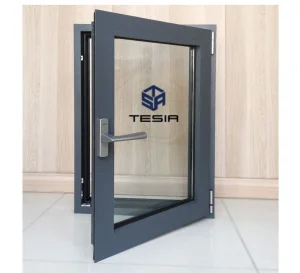
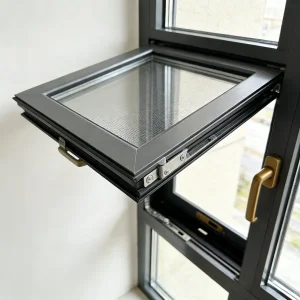
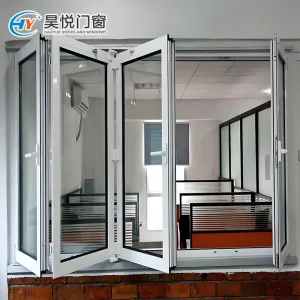
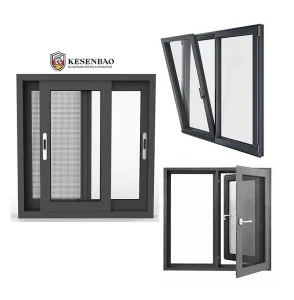
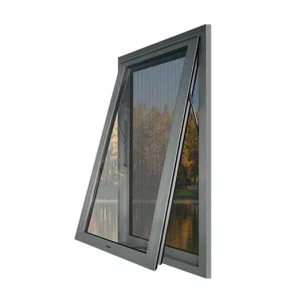
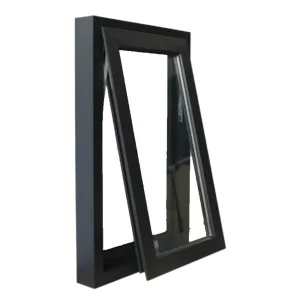
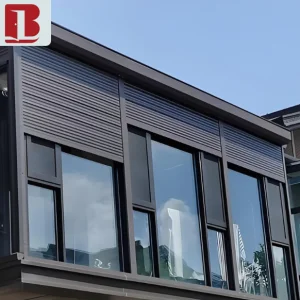
Integrating Foshan ORM's double-glazed and tilt-and-turn architectural structures into museum lobbies and viewing galleries ensures a seamless transition between external light control and absolute safety.
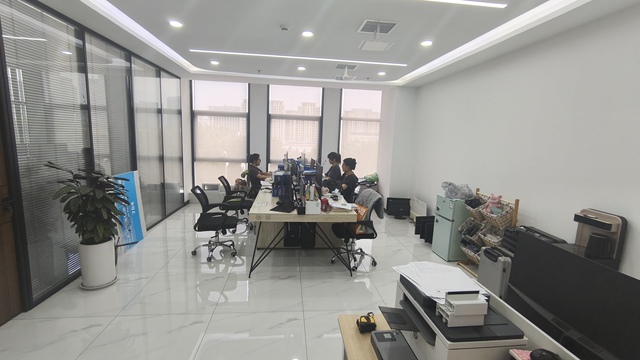
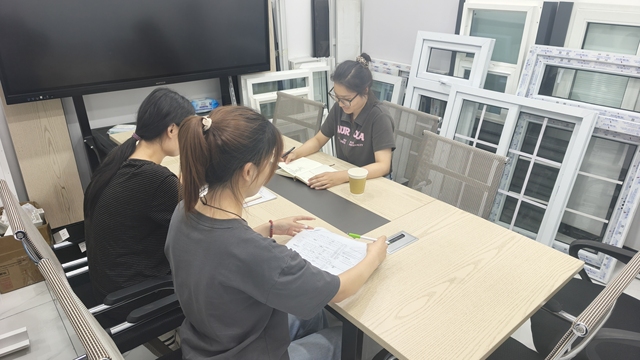
Foshan ORM Windows Co., Ltd. is a leading-edge architectural aluminum and window manufacturer located in Foshan, Guangdong, China. Founded in 2011, ORM has established itself as an engineering pioneer, specializing in the design, engineering, fabrication, and export of high-performance architectural systems.
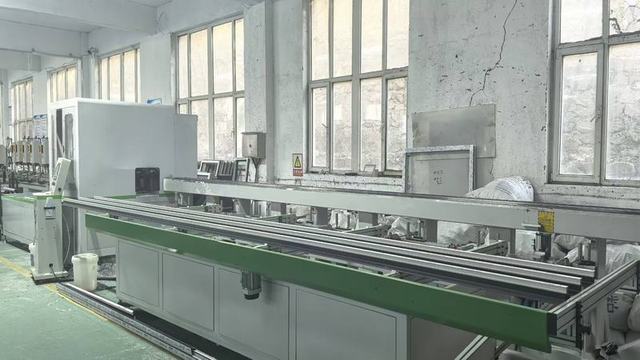
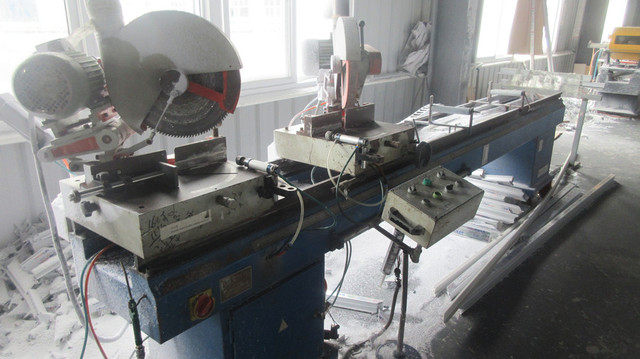
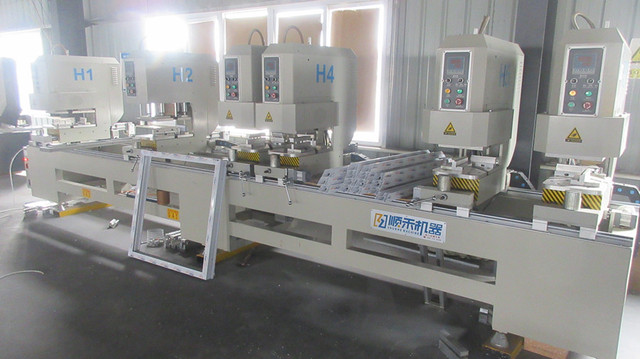
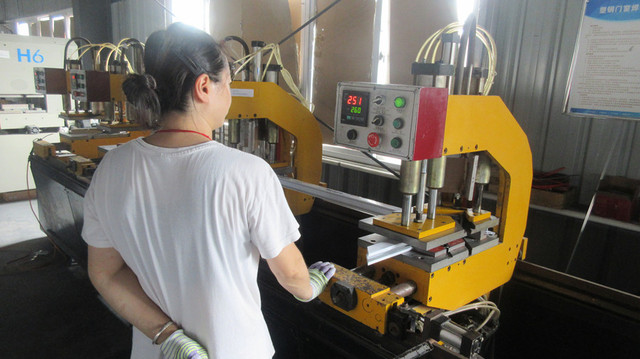
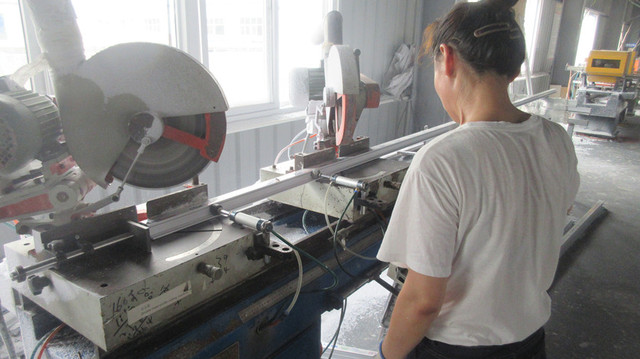
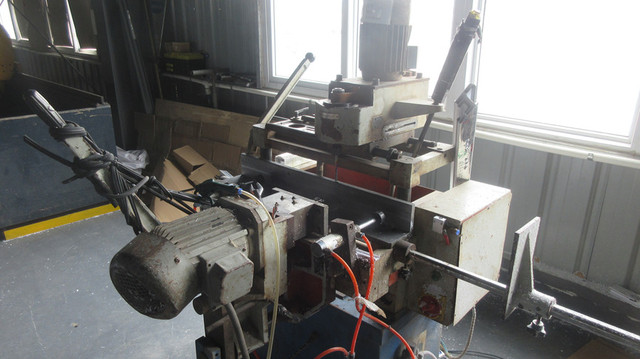
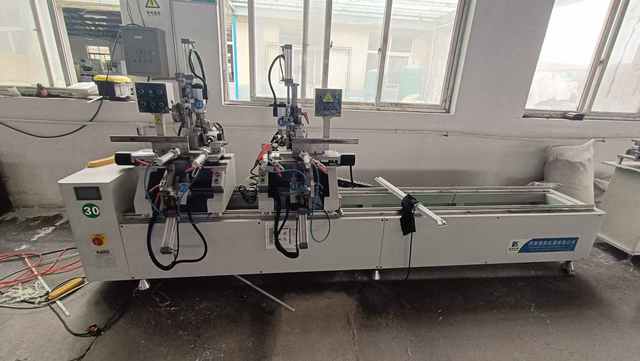
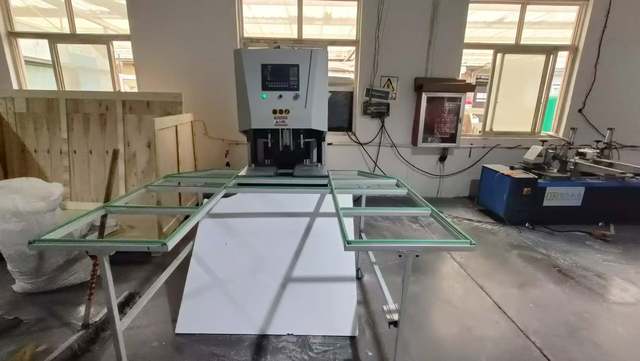
With a state-of-the-art manufacturing plant covering 20,000 square meters and a team of over 280 skilled employees, ORM is uniquely positioned to handle massive commercial and institutional museum projects. The factory integrates high-precision CNC cutting centers, automatic corner-joining machines, and strict quality control measures to ensure that every profile, from thermal break casements to large-span sliding systems, possesses the structural durability required for high-occupancy public spaces.
ORM's comprehensive OEM and ODM support allows architects and gallery designers to customize frame finishes, acoustic double-glazing layers, and safety locks. This level of customization ensures that the display frame fits perfectly within the overall architectural blueprint of the museum.
Global buyers (museum designers, general contractors, and governmental conservation ministries) look for specific technical indicators when sourcing display infrastructure:
As we look to the future, intelligent displays are rising rapidly. The integration of IoT environmental sensors directly inside the thermal break aluminum frame allows curators to monitor humidity, temperature, and light lux in real-time. Moreover, the demand for ultra-clear anti-reflective glass set in flush, minimalist aluminum frames is driving modern research toward stronger, thinner profiles.
Get professional, engineering-level answers regarding aluminum structural showcases and window systems.
Aluminum is structurally lightweight, naturally corrosion-resistant, and easily extruded into complex profile shapes. Crucially, aluminum is an inert metal that does not release harmful volatile organic compounds (VOCs) like wood, protecting delicate artifacts from rapid tarnishing and biological decay.
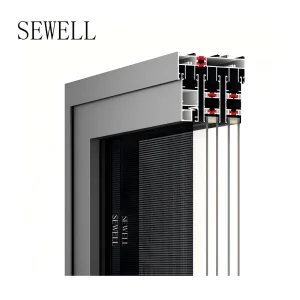
Thermal break profiles introduce a low-conductivity polyamide barrier between the inner and outer aluminum frames. This prevents heat transfer, maintains internal climate stability within the showcase, and stops condensation from forming on the glass surfaces when temperature differentials exist.
Leading Foshan factories like ORM utilize automated CNC double-head cutting saws and heavy-duty hydraulic corner crimpers that hold tolerances below 0.5mm. After strict pre-assembly checking, products are wrapped in multiple protective PE foam layers and packed into robust, fumigated plywood crates to survive maritime shipping.
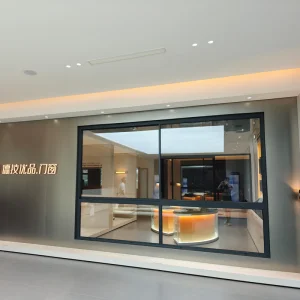
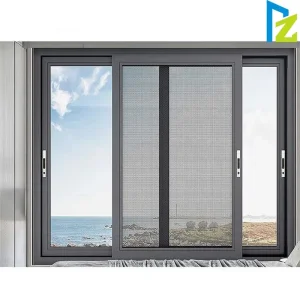
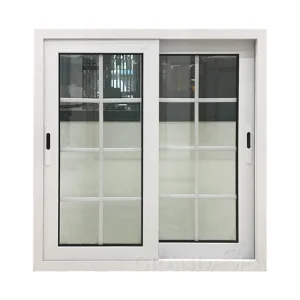
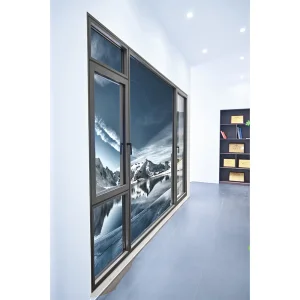
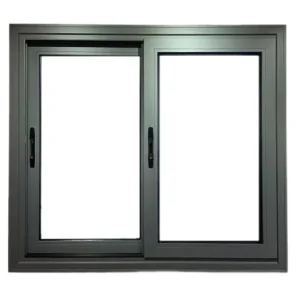
Yes. Many modern museums incorporate double-glazed thermal break sliding doors and large fixed window panes to partition main showrooms, isolate climate zones, and establish high-security viewing windows facing internal courtyards or exterior light wells.
Look for ASTM, CE, NFRC, or ISO 9001 certifications. For security parameters, EN 356 (resistance against manual attack) and airtightness test certificates confirming low air exchange rates (AER) are highly recommended.
Explore our highly-acclaimed custom solutions utilized in institutional and residential developments globally.
 ORM Windows