Premium-grade structural thermal barrier window profiles and architectural systems engineered for harsh marine, residential, and commercial environments.
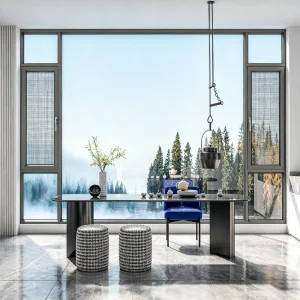
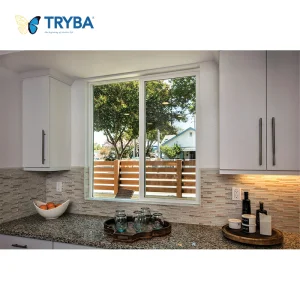
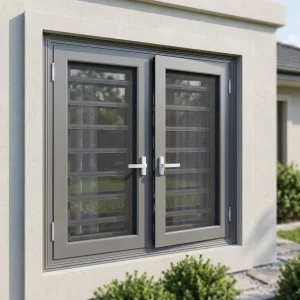
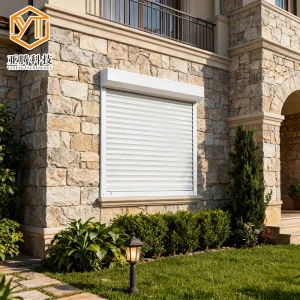
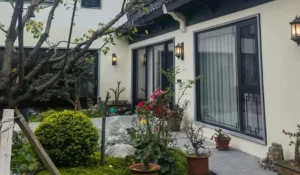
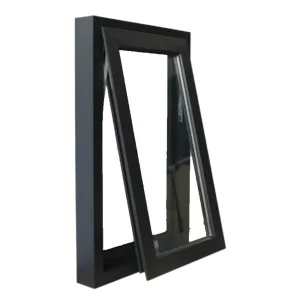
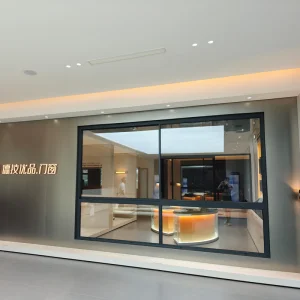
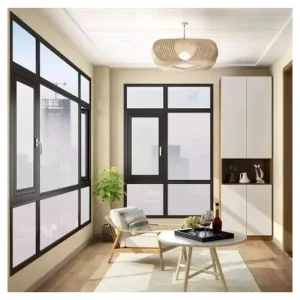
In contemporary industrial architecture, visual identification systems (commercial signage) and building envelope systems (high-performance windows, doors, and curtain walls) share a foundational dependency on precision-extruded aluminum alloys. Whether deploying architectural pylon signage that must withstand Category 5 hurricanes or installing thermal break window systems in high-rise residential towers, procurement executives must look beyond superficial aesthetics. This guide systematically breaks down the global landscape of structural aluminum manufacturing, alloy material science, international compliance standards, and the capabilities of Foshan’s elite industrial manufacturing cluster.
The global demand for commercial architectural aluminum products has undergone a significant paradigm shift. Urban green building codes now mandate strict life-cycle assessments (LCA) for structural alloys. The principal trends shaping the industry include:
Understanding alloy chemistry is vital for commercial viability. The primary alloys utilized in high-end structural signage frame profiles and window frames are 6063 and 6061:
Surface degradation is the leading cause of failure for exterior structural profiles. High-performance lines implement Fluorocarbon (PVDF) coatings under the AAMA 2605 specification. This standard guarantees the finish can withstand up to 4000 hours of continuous salt spray and maintains color integrity under intense UV exposure.
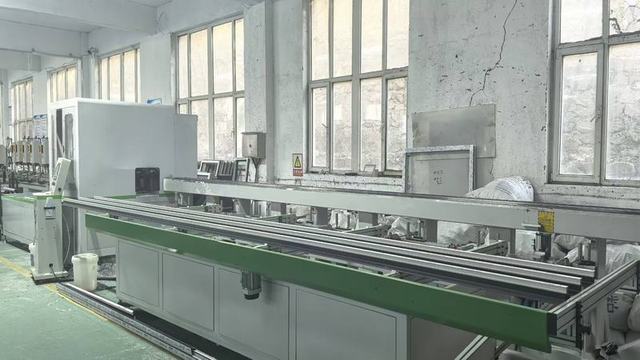
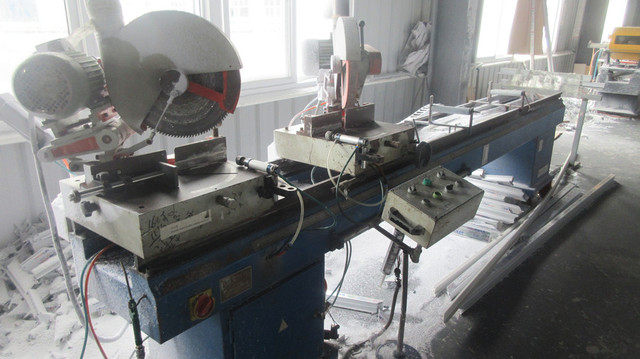
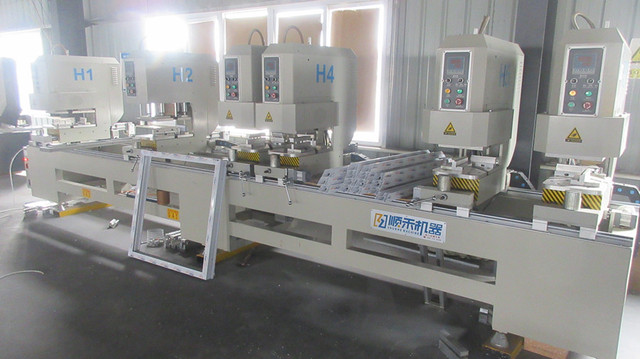
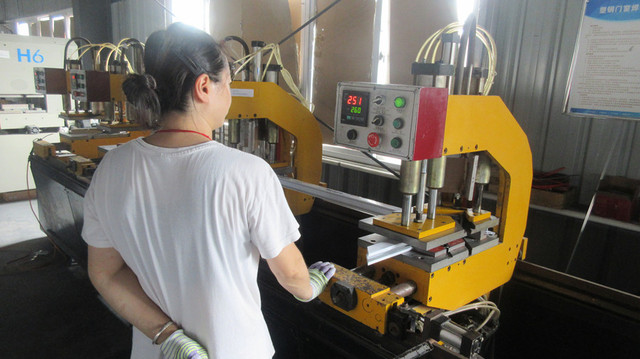
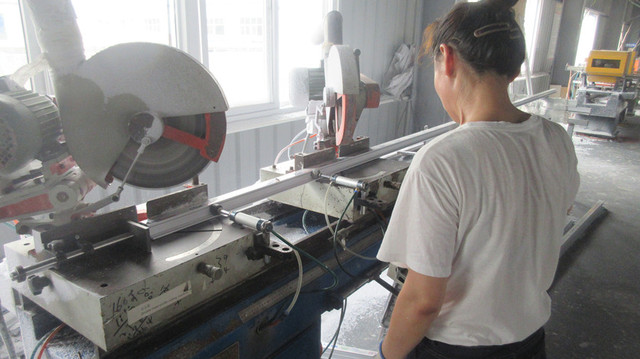
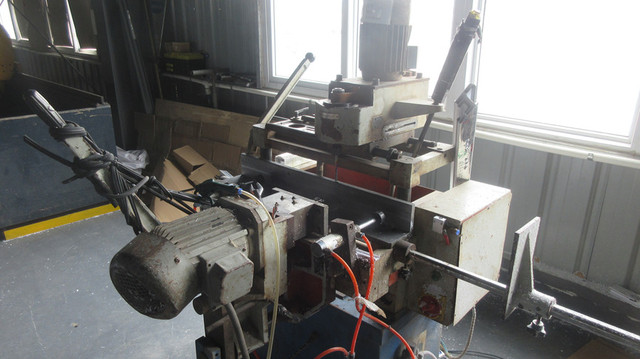
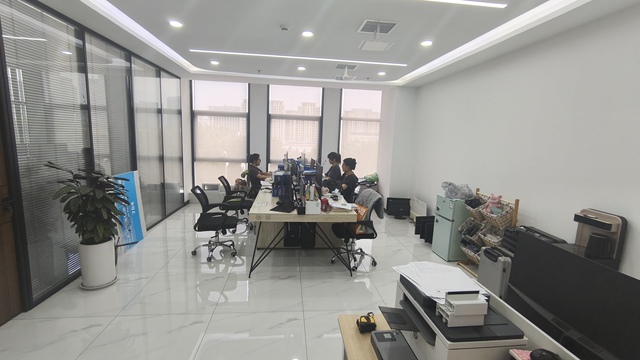
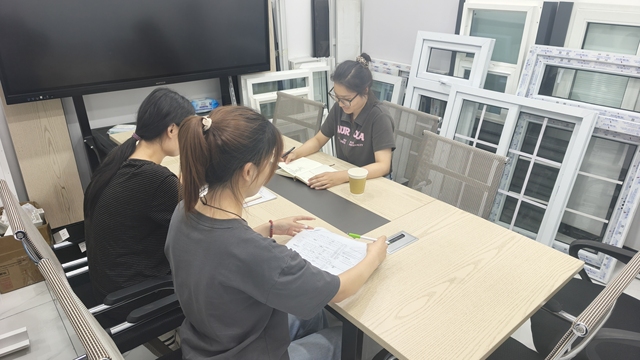
Located in the heart of China’s largest architectural aluminum center (Foshan, Guangdong), Foshan ORM Windows Co., Ltd. (established in 2011) represents the pinnacle of precision engineering and manufacturing capability. With a modern facility stretching across 20,000 square meters and utilizing over 280 skilled technicians, the enterprise bridges the gap between raw extrusion and highly customized architectural applications.
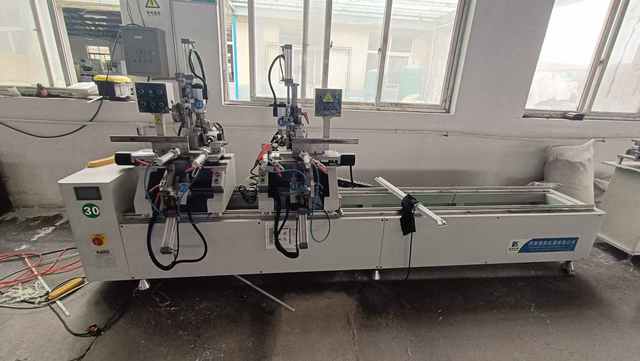
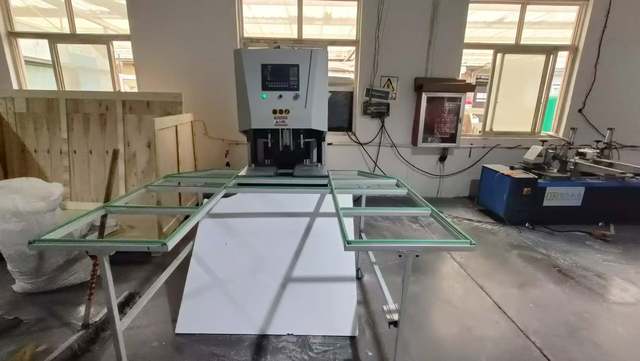
ORM's production systems encompass the entire metal fabrication lifecycle: raw extrusion profile optimization, advanced multi-axis CNC machining, high-performance thermal break insertion, automated glazing assembly, and rigorous QA. This integration guarantees that profiles used in structural envelopes or high-capacity exterior structures meet exact international standards for wind resistance, thermal transmittance, and structural integrity.
When executing international procurement contracts, check for adherence to these primary industry standards:
The aluminum fabrication landscape is advancing rapidly. The next five years will define new thresholds of efficiency:
How elite manufacturers structure their technical value proposition for global commercial enterprises.
Finite Element Analysis (FEA) and Wind Load Simulation testing ensure structural sign frames and window profile walls handle localized wind pressures exceeding 5000 Pa.
State-of-the-art horizontal and vertical powder coating lines combined with high-grade PVDF liquid systems deliver AAMA 2605 compliant finishes for harsh coastal installations.
Direct proximity to Nanhai aluminum cluster enables rapid extrusion tooling creation (7-10 days) and dynamic sample validation cycles for fast-track construction timelines.
Answers to essential technical and commercial questions compiled by our senior engineering team.
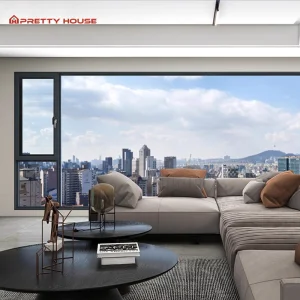
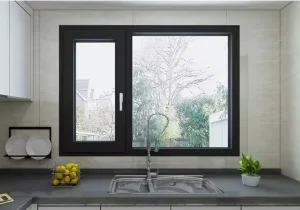
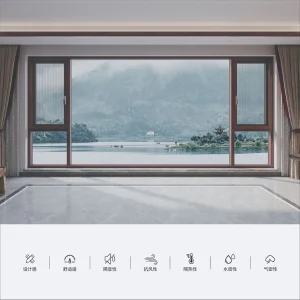
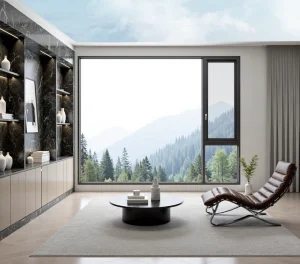
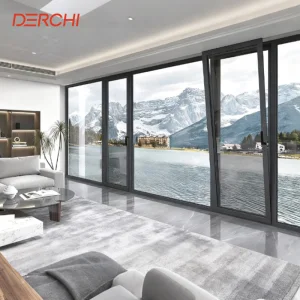
Engineered for extreme performance, structural sound reduction, hurricane-level impacts, and modern architectural aesthetics.
 ORM Windows