Explore our high-performance structural systems, precision engineered profiles, and custom architectural elements manufactured to global safety and utility specifications.
In the modern architectural, civil engineering, and heavy industrial sectors, safety, structural integrity, and efficiency are paramount. The transition from heavy, labor-intensive steel scaffolding to lightweight, high-tensile Aluminum Scaffolding Systems represents a monumental shift in site assembly dynamics. Globally, industrial projects demand access systems that not only minimize setup times but also withstand harsh environmental stresses, maritime salinity, and load-bearing constraints.
As urban landscapes grow vertically and civil infrastructure expands, the logistical costs of vertical access become critical. Aluminum scaffolding, engineered from specialized structural alloys such as 6082-T6 and 6061-T6, offers a strength-to-weight ratio that outperforms structural steel. This reduces the dead weight of structures by up to 50%, significantly lessening the load on supporting bases, lowering crane operation dependencies, and minimizing transportation costs. Modern scaffolding must meet rigid global standard frameworks, transitioning from custom configurations to modular, highly standardized components that guarantee compatibility and predictability.
Information Gain Insights: Unlike generic market offerings, professional-grade aluminum scaffolding must integrate advanced mechanical design variables. Elements like robotic MIG/TIG joint-welding precision, specialized structural nodal casting, and profile wall tolerances (often defined down to ±0.1mm) differentiate industrial-grade assets from standard light-duty utility kits.
Providing heavy-duty, modular ringlock and frame scaffolding solutions tailored for intricate cladding, high-level structural masonry, and curtain wall engineering projects.
Non-corrosive, spark-resistant aluminum access platforms engineered specifically for shipyard overhauls and aerospace assembly lines, ensuring volatile-free environments.
Cleanroom-compliant aluminum towers designed to prevent paint chipping, iron oxide contamination, and heavy particulate emissions during critical interior electrical fits.
Established in 2011, Foshan ORM Windows Co., Ltd. (parent group of our advanced aluminum division) represents a pinnacle of structural aluminum engineering. Located in Foshan, Guangdong, China—the globally recognized epicentre for architectural aluminum production and advanced metallurgical extrusion—our operations are designed to supply high-end, custom aluminum solutions globally.
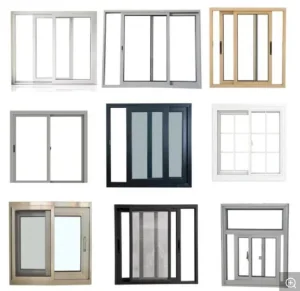
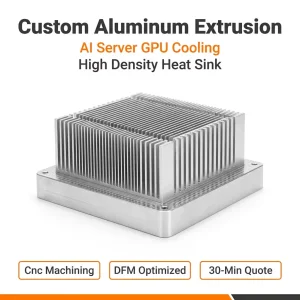
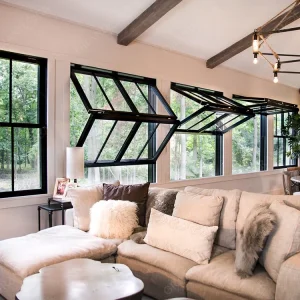
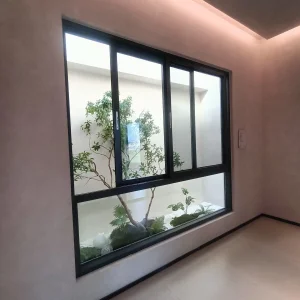
Operating within a modern, state-of-the-art manufacturing facility spanning over 20,000 square meters and powered by an elite workforce of more than 280 highly skilled technicians, engineers, and QA inspectors, ORM integrates comprehensive structural engineering expertise. Our production scope ranges from high-durability thermal break window systems, hurricane-resistant architectural profiles, to high-density custom aluminum extrusions (such as specialized GPU AI server cooling heat sinks). This deep metallurgical versatility is the foundation of our structural safety and quality assurance.
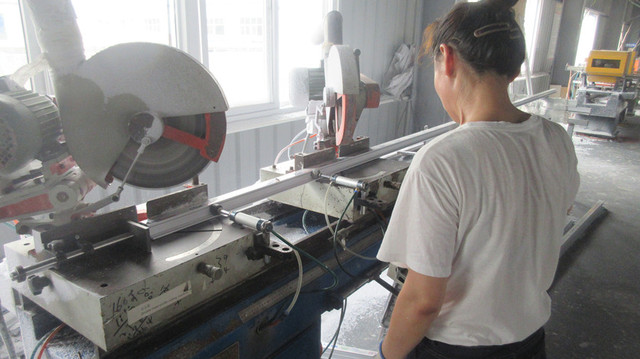
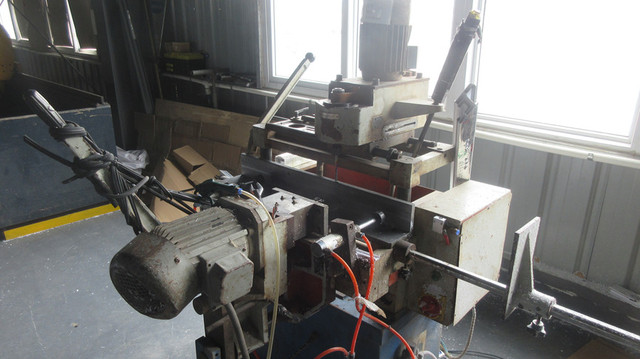
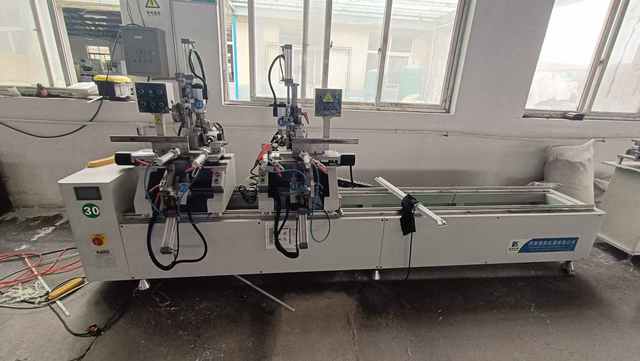
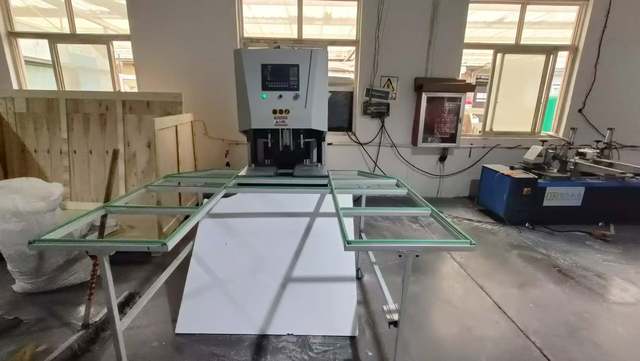
Our facility integrates advanced extrusion machinery, precision automated multi-angle cutting equipment, multi-axis CNC machining centers, and structural welding stations. By managing the entire production cycle—from raw alloy billet testing and profile extrusion to automated welding and surface anodizing—we ensure that every modular scaffolding part, locking ring, and connection hook complies with rigorous physical tolerances. This vertically integrated manufacturing framework reduces supply chain risks, allowing us to maintain a consistent output of high-reliability, certified aluminum solutions.
In structural scaffolding, selecting the correct aluminum alloy is crucial for user safety. We design and manufacture our structural tubes and components using premium 6082-T6 and 6061-T6 aluminum alloys. These alloys are specifically selected for their high yield strength, excellent weldability, and resistance to corrosion, ensuring optimal performance under heavy vertical and lateral loads.
Technical Note: Aluminum alloy 6082-T6 is the standard material for structural scaffolding across Europe, offering a tensile strength of up to 310 MPa and a yield strength of 260 MPa. For specialized exports, we also utilize 6061-T6, which offers exceptional resistance to atmospheric oxidation in coastal and chemical environments.
ORM's quality management protocols comply with international standards. To ensure safety at high elevations, every scaffolding tower and support system undergoes rigorous compliance checks:
Our testing process includes loading towers to 2.5 times their rated capacity to verify deflection, testing weld joints using non-destructive ultrasonic techniques, and simulating wind loads of up to 50 km/h to confirm structural stability.
Different markets present unique regional, environmental, and regulatory challenges. Our systems are engineered to adapt to these specific conditions, ensuring safe and reliable operation worldwide:
Designed to comply with OSHA regulations, featuring integrated internal ladderways, fall-prevention toe-boards, and high-clearance base jacks for structural retrofitting.
Compact, modular mobile towers engineered to EN 1004 standards. Features non-marking polyurethane casters, making them ideal for navigating historical streets and interior museum restorations.
Heavy-duty, corrosion-resistant ringlock scaffolding systems designed for high-humidity coastal refineries, offering quick assembly and exceptional structural stability.
By analyzing the specific load demands and site dynamics of each region, ORM provides customized configuration schematics, detailed wind calculations, and structural finite element analysis (FEA) reports to help construction firms secure fast local authority approvals.
The future of height access systems is driven by smart sensing, advanced materials science, and carbon-reduction initiatives. As a forward-thinking structural manufacturer, ORM is investing in key technological areas:
Green Aluminum Initiatives: In response to corporate sustainability goals, ORM is adopting low-carbon aluminum profiles. These profiles are extruded using renewable energy sources, significantly reducing the embodied carbon footprint of our scaffolding and window systems without compromising structural performance.
Automated Robotic Welding: By utilizing robotic welding arms, we achieve high precision on critical joints, ensuring uniform bead formation and minimizing the risk of micro-fissures or structural stress failure.
IoT Load & Tilt Monitoring: We are testing integrated digital telemetry modules for large industrial installations. These sensors send real-time tilt, load, and shift data to structural managers, providing early warnings to prevent safety hazards on site.
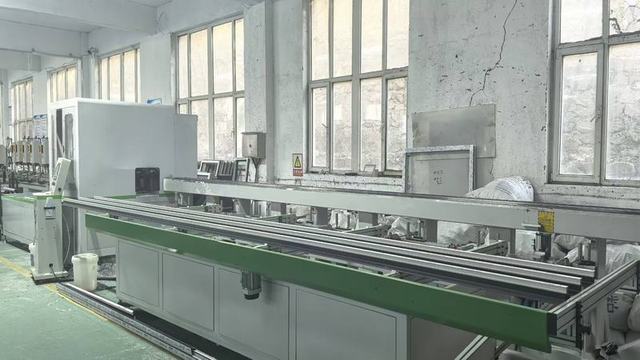
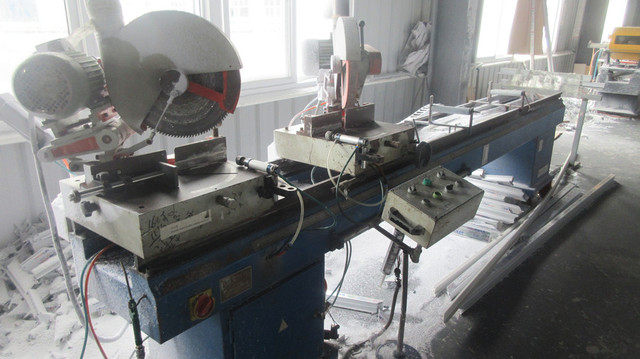
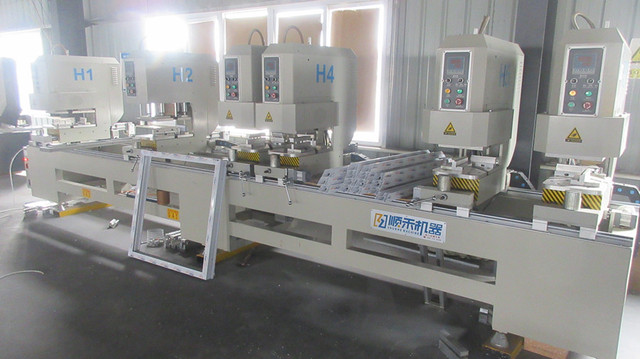
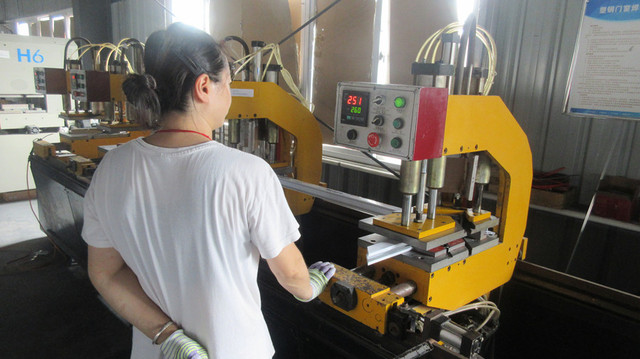
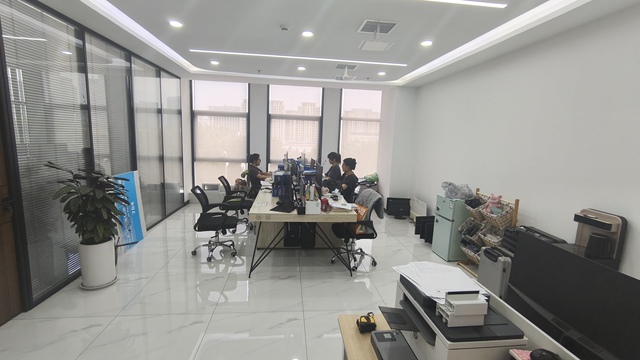
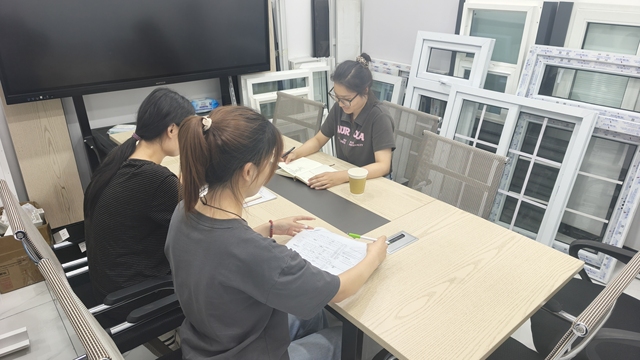
Visual demonstration of our manufacturing footprint, showing precision CNC milling, cleanroom profile assembly, automated welding, and our extensive extrusion warehouses.
Expert clarifications regarding metallurgy, safety certifications, loading specifications, and customs support.
Review our catalog of custom-extruded thermal break profiles, specialized server heat sinks, and window units designed for energy efficiency and structural stability.
 ORM Windows