Direct from Foshan Factory: Advanced thermal break configurations customized to meet Dutch energy and wind performance standards.
Analyzing key structural shifts, regulatory compliance barriers, and climatic demands driving current Dutch procurement trends.
The Netherlands presents unique environmental and regulatory conditions that necessitate advanced window engineering. Close proximity to the North Sea creates highly corrosive marine atmospheres and powerful coastal wind pressures. Under Dutch building codes (NEN standards) and the stringent European EN 12210 code, windows installed along coastal regions (such as North Holland, South Holland, and Zeeland) must withstand class 4 wind loads. Systems must resist wind pressures up to 1600 Pa, requiring precision profile chambers and robust corner joints.
Simultaneously, the Netherlands' BENG (Bijna Energieneutrale Gebouwen) energy standards enforce strict U-value limits on external building envelopes. Modern residential and commercial developments demand window systems with thermal transmittance values (U-value) below 1.2 W/m²K, and increasingly down to 0.8 W/m²K for passive energy builds. Standard aluminum windows without advanced thermal breaks cannot meet these criteria.
How our technical innovations address insulation, airtightness, and structural longevity to ensure long-term durability in the Netherlands.
We incorporate PA66 GF25 polyamide thermal break strips (24mm to 34mm) that isolate interior and exterior profiles, reducing thermal transfer and preventing winter condensation in high-humidity Dutch coastal regions.
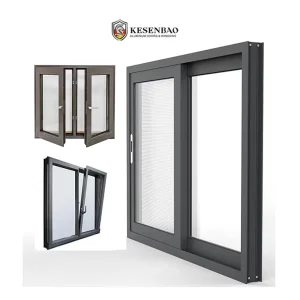
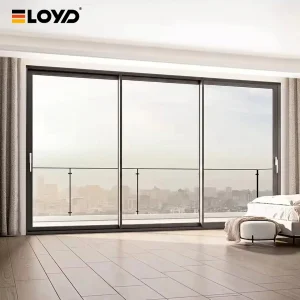
Our sliding windows integrate multi-point lock systems, heavy-duty anti-lift locks, and key-operated handles designed to comply with SKG** burglary resistance standards, matching the NEN 5096 RC2 classification.
Engineered with deeper sash tracks supporting glass configurations up to 42mm. Optimal configuration: 4mm Low-E + 16mm Argon + 4mm Float + 16mm Argon + 4mm Low-E, delivering outstanding acoustic and thermal efficiency.
| Performance Indicator | Dutch Standard Requirement (BENG/NEN) | ORM Aluminum Sliding Window Spec | Test Standard Compliance |
|---|---|---|---|
| Thermal Transmittance (U-Value) | ≤ 1.4 W/m²K (Target ≤ 1.0) | 0.95 - 1.2 W/m²K (with Triple Glass) | EN ISO 10077-1 / EN ISO 10077-2 |
| Acoustic Insulation (R_w) | ≥ 35 dB (Near main transportation zones) | Up to 45 dB (Laminated soundproof configuration) | EN ISO 717-1 |
| Air Permeability | Class 3 | Class 4 (Highest rating) | EN 12207 |
| Watertightness | Class 7A (300 Pa) | Class E1050 (1050 Pa) | EN 12208 |
| Wind Load Resistance | Class C3 (1200 Pa) | Class C5 / B5 (2000 Pa) | EN 12210 |
| Burglary Resistance | RC2 Class (NEN 5096) | SKG** / RC2 Certified Locksets | NEN 5096 / EN 1627 |
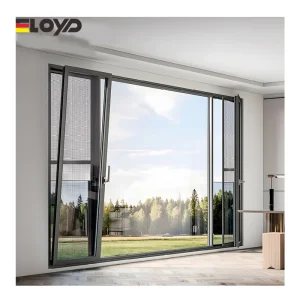
Expanding the baseline architecture to meet modern, minimalist, and smart architectural configurations.
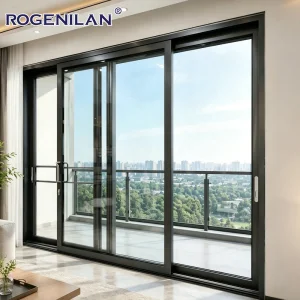
A trusted, specialized partner combining lean manufacturing processes, European testing standards, and a highly optimized global supply chain.
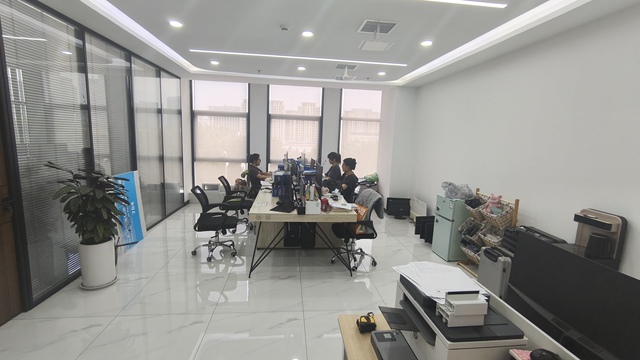
Located in Foshan, Guangdong, China—the global epicenter of architectural aluminum manufacturing—Foshan ORM Windows Co., Ltd. has established itself as an elite engineering partner since 2011. Operating from a modern facility spanning over 20,000 square meters, our 280+ skilled employees execute high-performance glazed solutions designed for residential, commercial, and public works sectors globally.
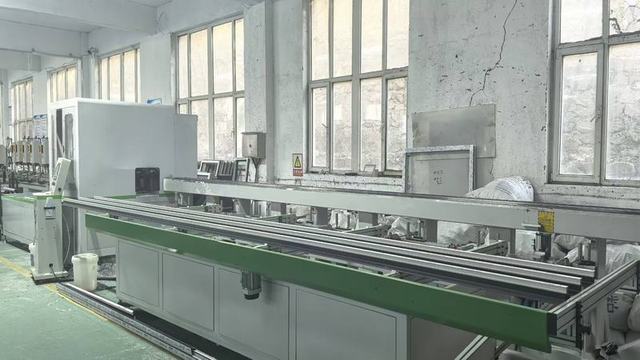
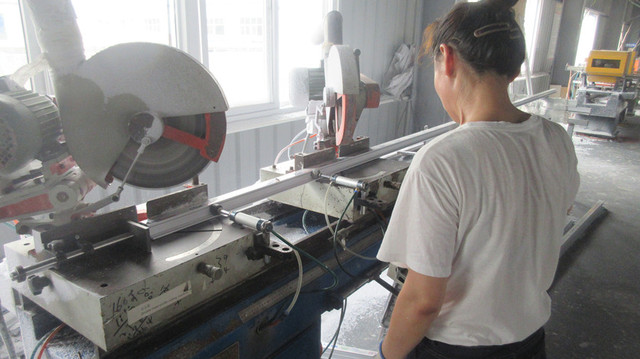
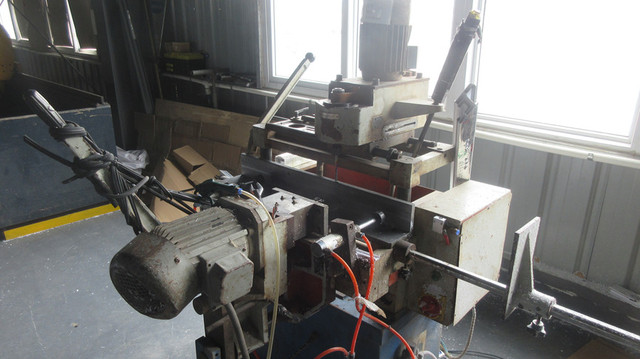
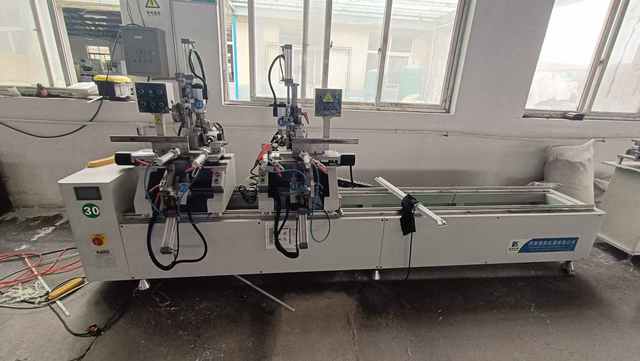
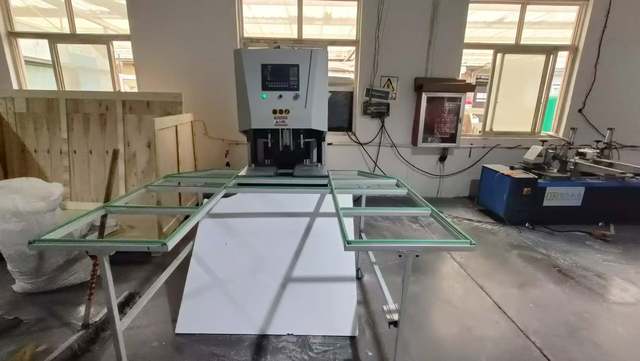
Our infrastructure operates under ISO 9001:2015 standards and utilizes high-speed automated CNC double-head cutting systems, robotic corner crimping lines, and integrated quality control monitors. This production precision ensures consistent squareness, airtight gasket seals, and perfect surface finishes (under Qualicoat-certified powder coating or anodizing) to defend against the salty, humid environments typical of coastal Dutch towns.
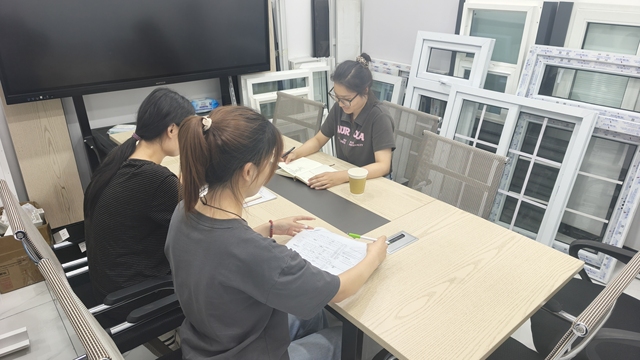
By leveraging advanced digital engineering software, we provide fast, detailed CAD and BIM modeling outputs to support architectural design phases. This proactive approach minimizes on-site assembly issues and shortens local development schedules.
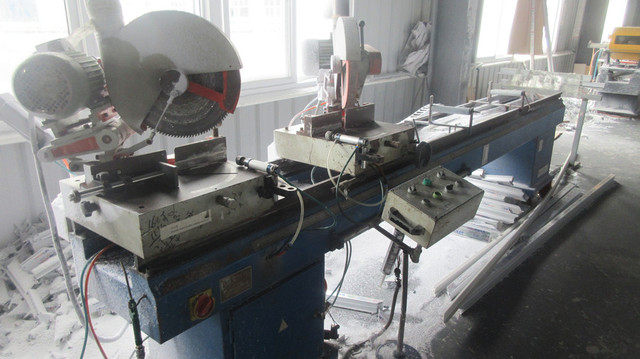
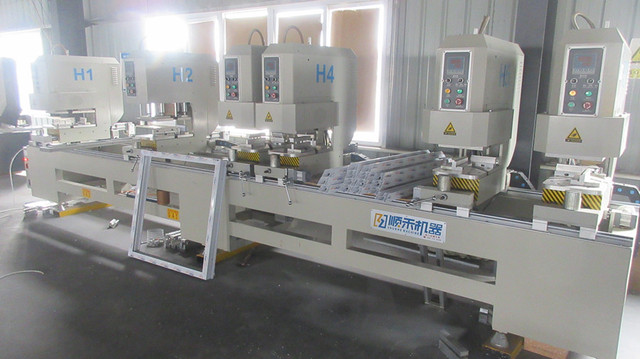
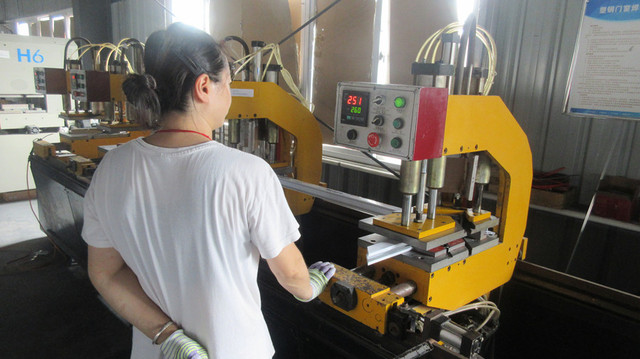
Ensuring cost efficiency, safe handling, and compliance from our Foshan facility to the Port of Rotterdam.
Aluminum profile sections and tempered double/triple glass require specialized packaging to prevent dynamic transit damage. All ORM window orders are prepared using rigid structural A-frames, heavy-duty plywood crates, and protective peelable films. This packaging design allows forklift operators at the Port of Rotterdam or at local job sites to unload and position units quickly and safely.
We work closely with Dutch freight forwarders to optimize customs clearance. By using the Netherlands' Article 23 VAT deferment license, commercial developers can postpone import VAT payments, improving project cash flow and reducing administrative overhead. Additionally, we provide comprehensive documentation—including CE declarations, manufacturer data sheets, and custom-designed installation guides—to ensure straightforward clearance and compliance checks.
Addressing the top technical, regulatory, and logistics questions from Dutch architects, builders, and developers.
Our high-performance aluminum window systems integrate multi-chamber polyamide thermal break strips (PA66 GF25) ranging from 24mm to 34mm. Combined with argon-gas-filled triple Low-E glazing, we achieve system-wide U-values as low as 0.95 W/m²K, which easily complies with the maximum requirements set by the Netherlands' Bijna Energieneutrale Gebouwen (BENG) framework.
Yes. We design our sliding profiles with specialized lock cavities that accommodate high-security European hardware systems. By matching our structures with multi-point hook locks and anti-lift blocks, the complete window assemblies can meet SKG** or SKG*** certifications, aligning with the Dutch NEN 5096 (RC2) residential safety standards.
Our systems are tested to meet wind load resistance class C5 according to EN 12210, resisting extreme pressures up to 2000 Pa. Double-sealed structural silicone glazing and heavy-wall profile extrusion designs keep sashes stable during North Sea gales and high-velocity wind zones along the Dutch coastline.
Typically, manufacturing is completed within 30–35 days after shop drawings are finalized. Shipping from Shenzhen or Guangzhou port to Rotterdam Port takes 28–35 days. We also offer DDP and Article 23 import clearance support to help Dutch clients manage local VAT and tax processes.
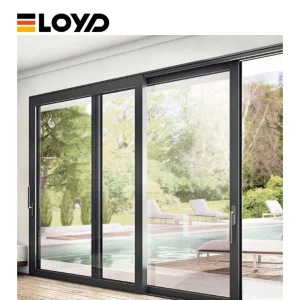
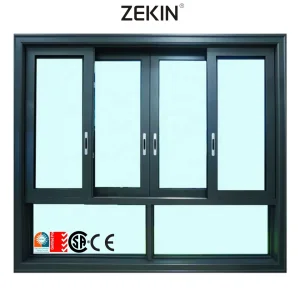
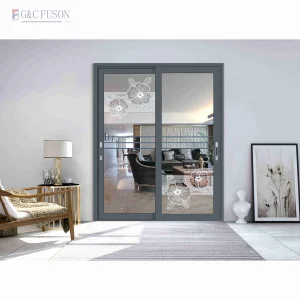
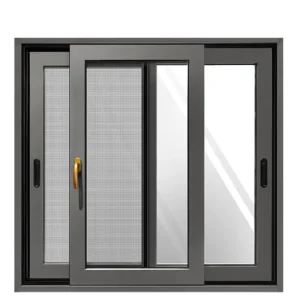
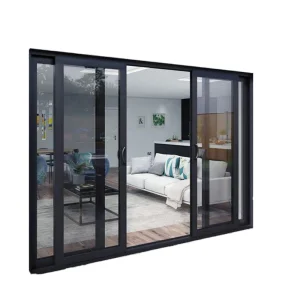
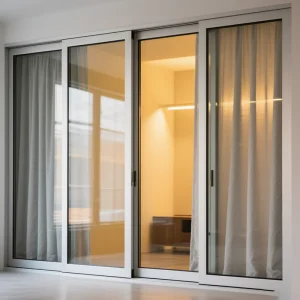
Premium solutions featuring high-performance thermal insulation, soundproofing, and integrated weather screens.
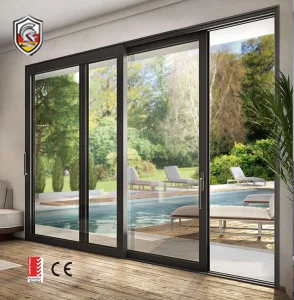
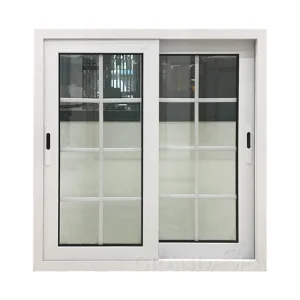
Need technical shop drawings or sample cross-sections of our Dutch BENG-compliant systems? Contact our engineering team today to receive a detailed, project-specific quote.
Send Inquiry Now ORM Windows