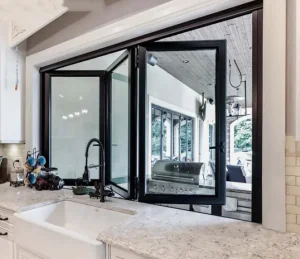
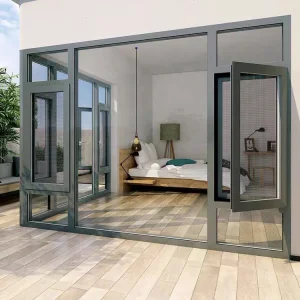
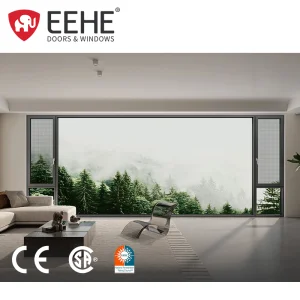
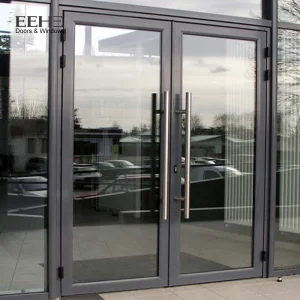
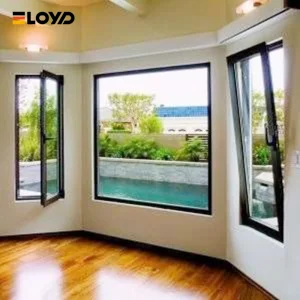
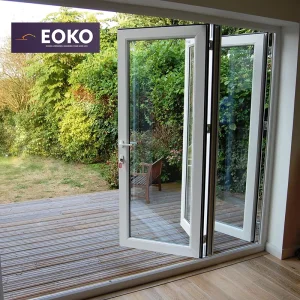
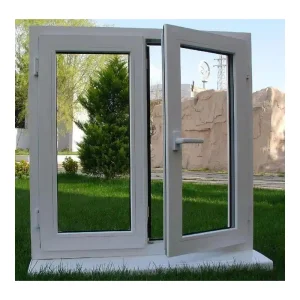
High-performance window systems specifically configured to withstand high wind loads, intense UV radiation, and torrential rains typical of the Vietnamese monsoon environment.
Vietnam is currently undergoing one of the fastest rates of urbanization and industrialization in Southeast Asia. Major urban metropolises such as Ho Chi Minh City, Hanoi, and Da Nang are experiencing a transition from low-rise brick housing to premium high-rise commercial buildings, luxury residential condominiums, and sprawling industrial parks. This transition requires structural envelopes that can support high-density architectural demands while fulfilling localized green building standards such as LOTUS and LEED.
Commercial spaces in coastal economic zones like Hai Phong, Da Nang, and Nha Trang require windows that can withstand extreme environmental elements. The demand is shifting away from low-cost, uninsulated aluminum systems toward thermal break aluminum frames combined with low-emissivity (Low-E) insulated glass. Developers and contractors are prioritizing materials that minimize solar heat gain coefficient (SHGC) while achieving high levels of wind pressure resistance and water tightness.
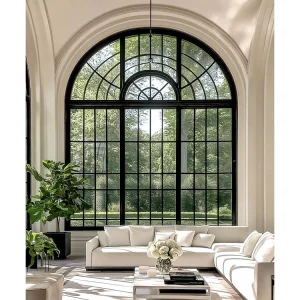
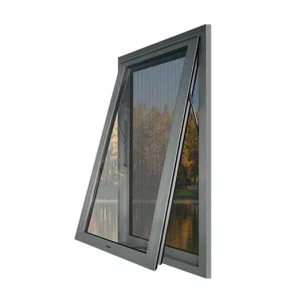
Vietnam's climate poses significant engineering challenges: severe typhoons, heavy monsoon rainfall, intense UV rays, and corrosive coastal saline atmospheres. Here is how ORM Windows resolves these challenges.
Our systems conform to Vietnam’s building code TCVN 2737. Using high-tensile 6063-T5/T6 architectural-grade aluminum alloys, our profiles are structurally engineered to withstand wind pressures up to 5.0 Kpa. This ensures structural integrity during severe weather events along coastal zones.
To prevent pitting corrosion in high-humidity coastal projects, our aluminum extrusions receive specialized exterior surface treatments. We offer PVDF coatings (complying with AAMA 2605) and specialized anodized coatings that withstand salty sea air for up to 25 years.
Vietnam’s tropical solar heat gain is mitigated through high-performance polyamide (PA66-GF25) thermal barriers. Integrated with double or triple insulated glass units (IGU) containing low-emissivity coatings and argon gas, our systems significantly reduce HVAC operational energy consumption.
Based in Foshan, China—the global capital of architectural aluminum production—we combine engineering experience with scaled production to support projects worldwide.
Foshan, Guangdong is widely recognized as the global ecosystem for architectural glass, aluminum extrusion, and hardware manufacturing. Sourcing from Foshan ORM Windows Co., Ltd. allows Vietnamese developers and contractors to leverage this supply chain efficiency.
Our proximity to major southern ports (Guangzhou and Shenzhen) translates to efficient shipping lanes directly to Vietnam. Transit times to the Port of Hai Phong (serving Hanoi) or the Port of Cat Lai (serving Ho Chi Minh City) typically range between 3 to 7 days. This close geographic proximity, combined with the ASEAN-China Free Trade Agreement (ACFTA) framework, minimizes logistical overheads and custom duty impacts.
Explore our complete range of certified systems, which can be modified in profile thickness, glass type, color, and hardware configurations to suit your design requirements.
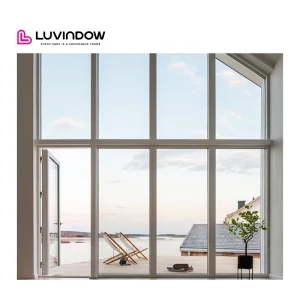
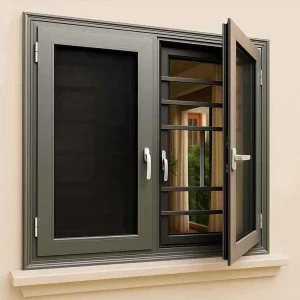
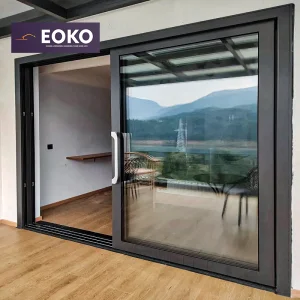
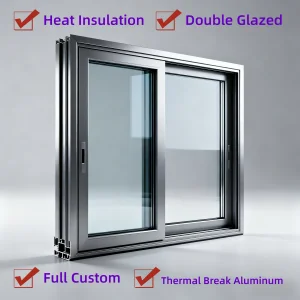
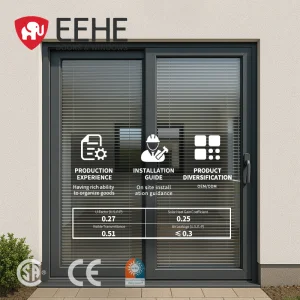
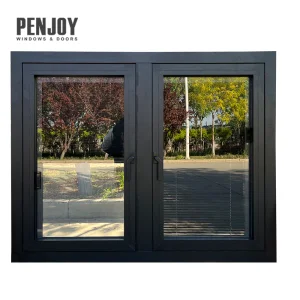
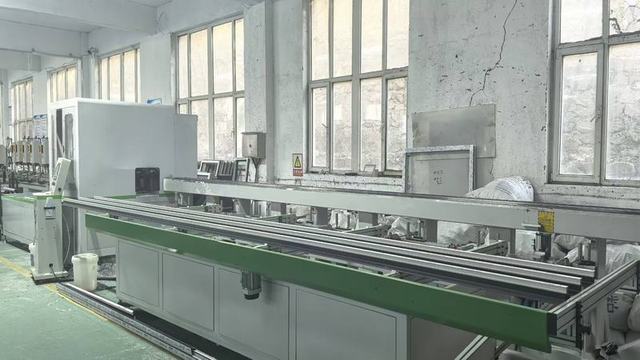
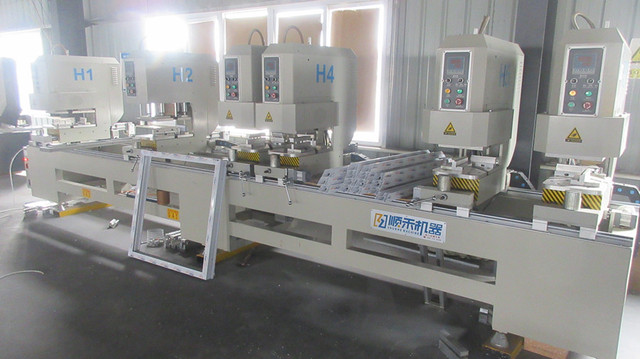
Foshan ORM Windows Co., Ltd. operates a modern production facility featuring precision extrusion processing, automated glass sealing, and structured quality inspection.
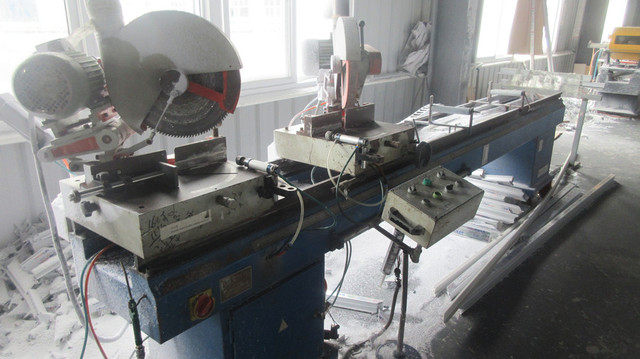
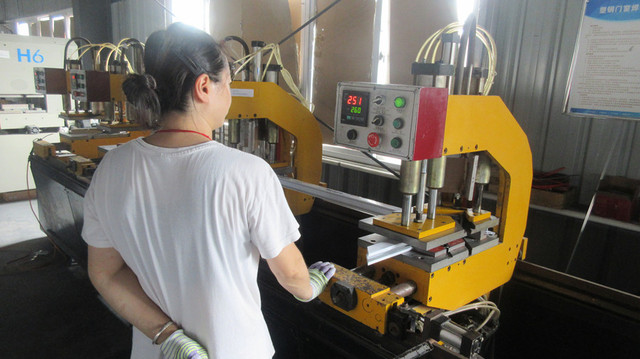
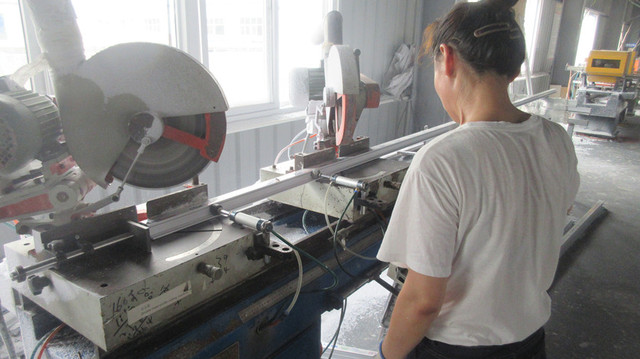
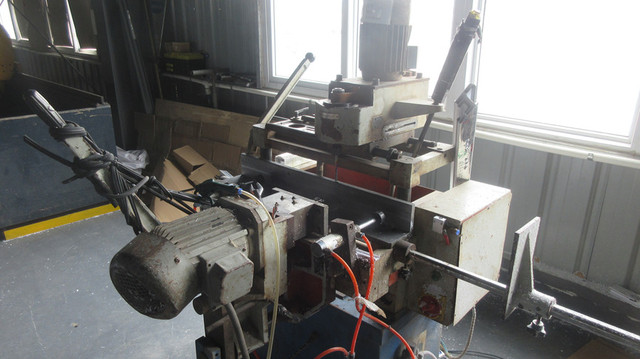
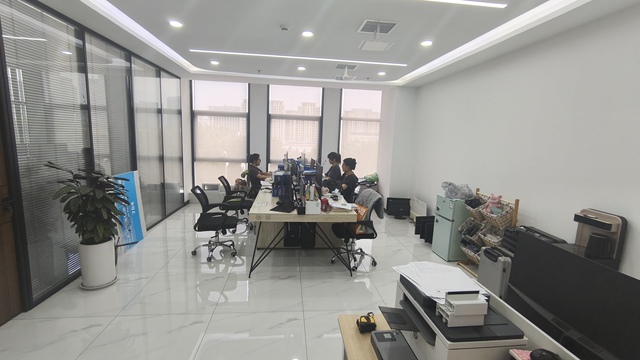
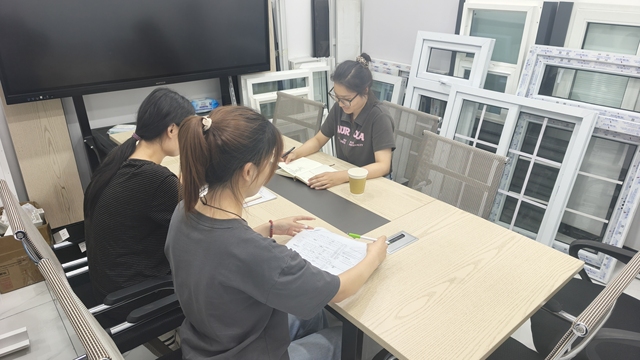
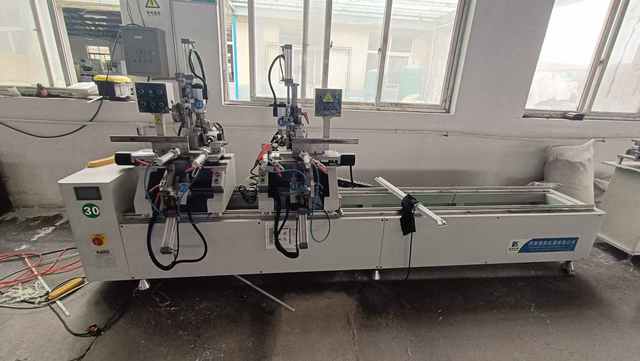
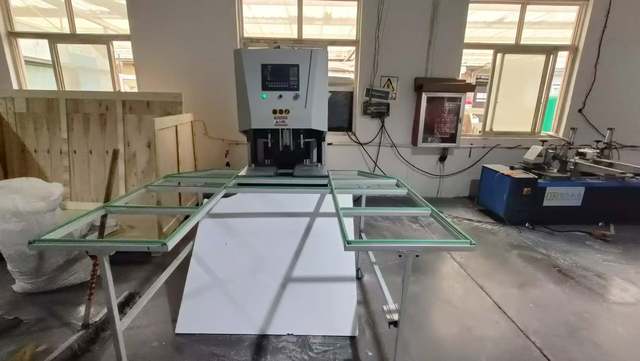
Established in 2011, ORM Windows integrates advanced technology at every stage of manufacturing. From raw profile cutting and multi-chamber corner crimping to architectural glazing, each unit undergoes strict QA procedures to ensure air infiltration, water penetration, and structural wind resistance meet the relevant commercial international standards.
Book a Virtual Factory TourImporting architectural building elements from China to Vietnam requires compliance with local construction documentation, customs declaration processes, and shipping timelines. ORM Windows provides complete support to ensure on-time delivery on site.
Under the China-ASEAN Free Trade Agreement, importers can secure preferential customs tariffs by utilizing the Form E Certificate of Origin. Our export team coordinates with local customs brokers to supply all necessary documentation.
We support project architects and engineers by providing shop drawings in DWG format, wind load structural calculations, and glass U-value and SHGC thermal performance data. This simplifies local design approvals with municipal construction boards.
An engineering analysis of thermal transfer, air tightness, and structural physics in subtropical and tropical building designs.
In regions like southern Vietnam where high ambient temperatures persist year-round, minimizing cooling loads is a primary engineering objective. The solar performance of a window is dictated by two key metrics:
1. U-Value (Thermal Transmittance): Measures the rate of non-solar heat transfer through the window assembly. A lower U-value reduces the heat conducted into the air-conditioned interior from the warm outdoor air. The use of thermal break profiles filled with structural polyamide insulates the indoor frame from the outdoor frame.
2. Solar Heat Gain Coefficient (SHGC): Measures the fraction of solar radiation admitted through the glazing. For tropical applications, maintaining an SHGC below 0.30 is recommended. This is achieved by applying multi-layered silver low-emissivity (Low-E) coatings to the glass.
Vietnam’s rapid urbanization has led to high ambient noise levels in commercial and residential areas in cities like Hanoi and Ho Chi Minh City. Standard single-pane windows do not provide adequate acoustic insulation. Acoustic performance is measured by the Sound Transmission Class (STC) or Weighted Sound Reduction Index (Rw).
Integrating acoustic PVB interlayers in laminated glass units disrupts sound wave propagation. Combining double glazing with asymmetrical glass thicknesses (e.g., 6mm outer pane + 12mm air gap + 8mm inner pane) mitigates noise transmission across varied frequencies, achieving up to 45dB of sound reduction.
The structural performance of aluminum profiles depends on the alloy composition and tempering state. We utilize primary aluminum ingots extruded into 6063-T5 and 6063-T6 profiles. T6 tempering provides higher tensile strength and yield strengths, making it suitable for large-span curtain walls and tall commercial storefronts.
Technical, logistical, and commercial answers for developers, architects, and main contractors sourcing for projects in Vietnam.
Partner with a reliable manufacturer. Contact our project engineering desk today to request structural calculations, custom profile catalog configurations, or a comprehensive price quote.
 ORM Windows