Architectural aluminum window systems engineered for high acoustic isolation, wind-load resistance, and thermodynamic efficiency.
Milan, the economic engine of Italy and a global capital of design and fashion, is undergoing a profound architectural renaissance. Led by major urban regeneration initiatives in districts such as Porta Nuova, CityLife, and the emerging MIND (Milano Innovation District), the city's building envelopes are transitioning toward strict environmental metrics. Commercial aluminum windows are no longer viewed as simple structural enclosures; they have evolved into critical thermodynamic control barriers.
Architects and facade engineers operating within Milan face strict municipal building codes, governed by Lombardy’s local energy transition rules and national legislative decrees (such as the Decreto Requisiti Minimi). These regulations mandate exceptionally low thermal transmittance values ($U$-values) to reduce heating load in winter and cooling requirements during hot Milanese summers. Structural aluminum window profiles integrated with advanced thermal breaks, multi-cavity insulation, and high-performance low-emissivity (Low-E) glazing represent the definitive technological solution to meet these rigorous standards.
The global procurement pipeline for architectural glazing has shifted from regional fabrication toward precision-engineered, large-scale international manufacturing hubs. While Milan boasts elite design and structural engineering firms, the capacity for high-volume, cost-efficient, and ISO-certified production resides in advanced fabrication clusters.
As a premier global supplier, Foshan ORM Windows Co., Ltd. bridges this gap by combining state-of-the-art Chinese manufacturing capacity with rigorous compliance with European standards. Situated in Foshan, Guangdong—the epicenter of global architectural aluminum extrusion—ORM Windows leverages a 20,000-square-meter modern facility to fabricate window systems that meet European CE marking requirements, EN 14351-1 harmonized standards, and specific acoustic and air-permeability classes requested by Milanese contractors.
By adopting a direct-to-site supply strategy, Milan developers can reduce procurement costs by up to 35% compared to local fabricators, without sacrificing technical tolerances, thermal barrier depth, or hardware durability. This synergy allows Italian developers to achieve high-performance certification (such as LEED or BREEAM) while maintaining project financial feasibility.
Multi-layered laminated PVB interlayers designed to block Milanese urban transit noise, trams, and city traffic.
Equipped with 24mm to 39mm polyamide PA66 GF25 insulation strips, achieving $U_f$ values down to 1.2 W/m²K.
Engineered to withstand class C5/B5 wind pressures, ideal for Milan high-rise commercial structures and towers.
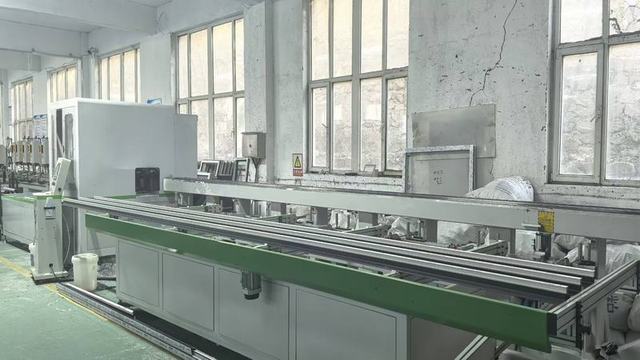
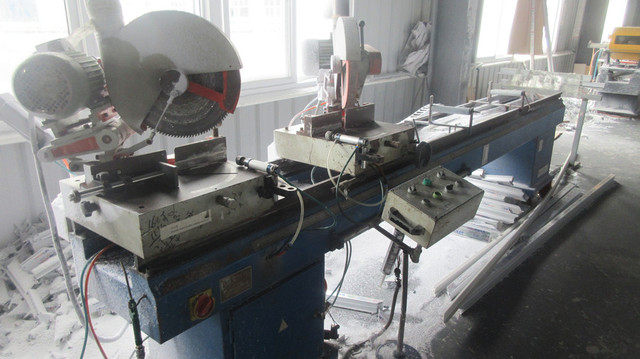
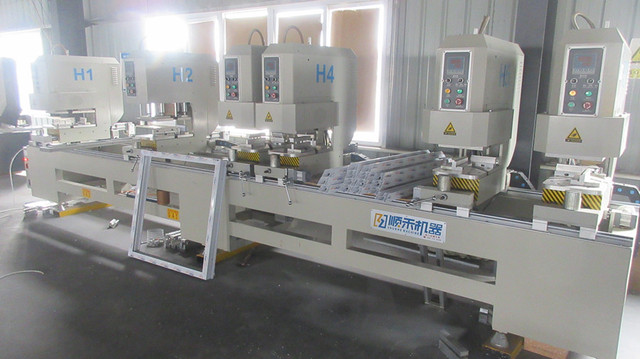
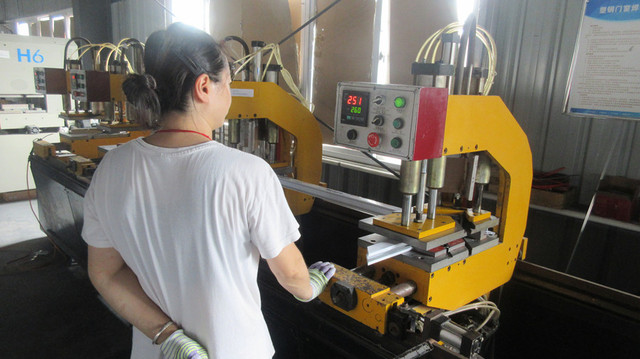
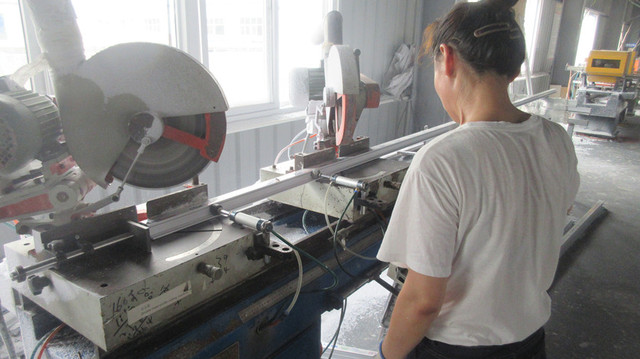
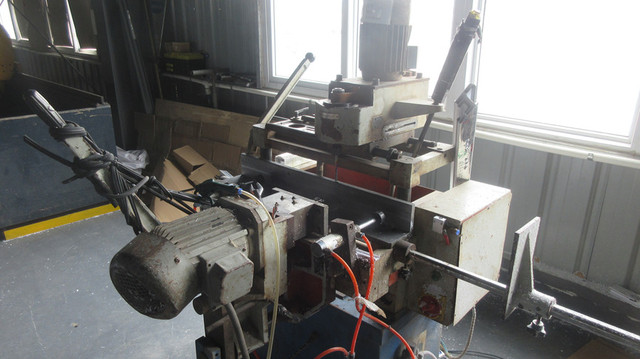
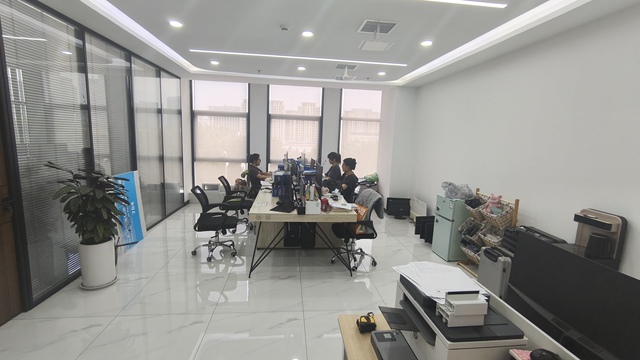
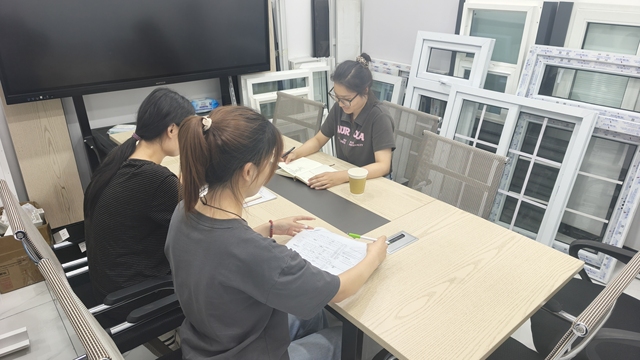
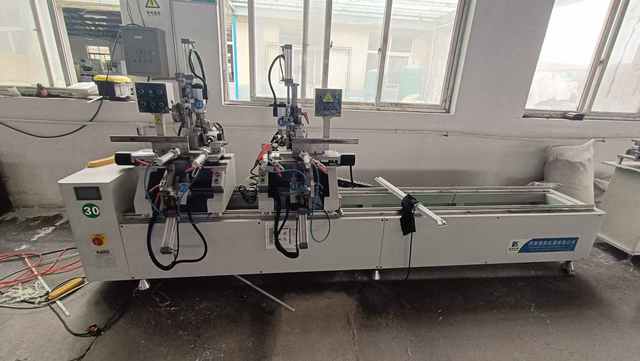
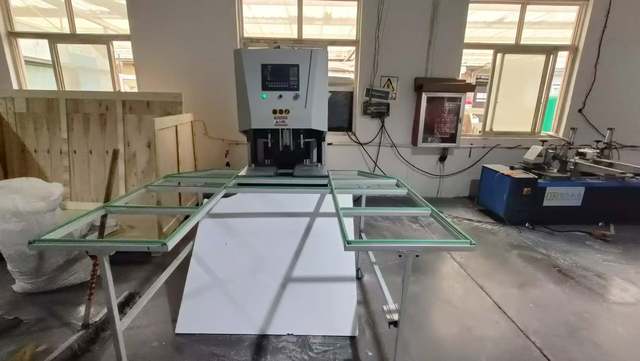
Established in 2011, Foshan ORM Windows Co., Ltd. is a specialized architectural aluminum window and door manufacturer located in Foshan, Guangdong, China. Spanning over a modern production facility of 20,000 square meters and staffed by 280+ high-caliber glass technicians, structural engineers, and quality assurance personnel, ORM Windows is recognized as an industry-leading partner for global developers.
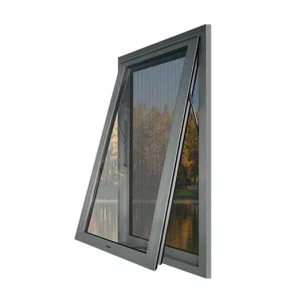
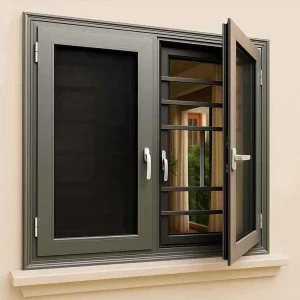
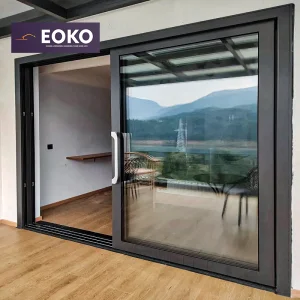
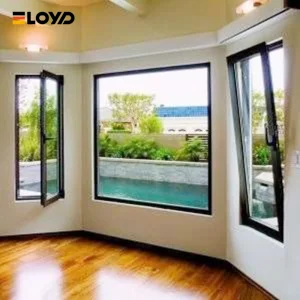
The company's core focus is the development of custom architectural window systems, including thermal-break casement systems, minimalist sliding doors, heavy-duty tilt-and-turn configurations, and integrated sound-insulating glazed units. These products are rigorously tested to satisfy European EN standards, American NFRC, and global AS2047 criteria, ensuring seamless structural approval upon arrival at Milan job sites.
Selecting the ideal window system requires analyzing thermodynamic, acoustic, and structural characteristics. Below is the technical specification matrix designed to assist Milanese project managers in determining the correct profile for specific zoning requirements.
| Window System Type | Average Thermal Transmittance ($U_w$) | Acoustic Insulation Rating ($R_w$) | Air Permeability / Wind Resistance Class | Recommended Milan Local Use Case |
|---|---|---|---|---|
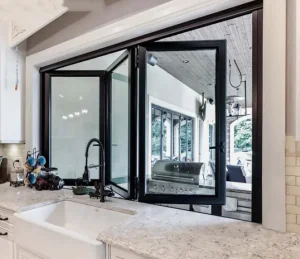
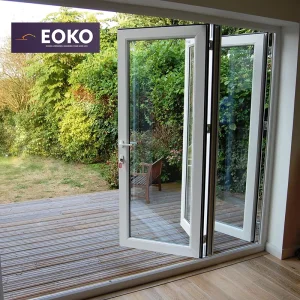
| Bifold System | 1.6 - 1.8 W/m²K | 35 - 38 dB | Class 4 / Class C3 | Commercial Patios, Retail Facades, Restaurants in Brera |
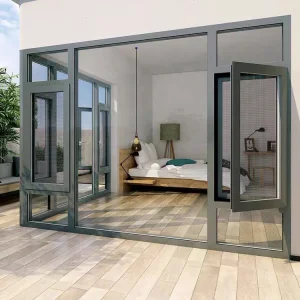
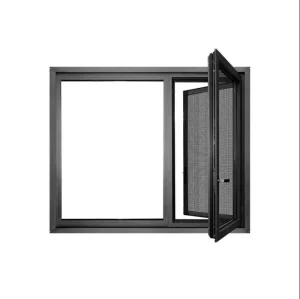
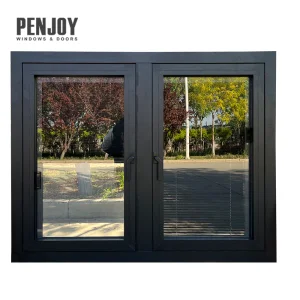
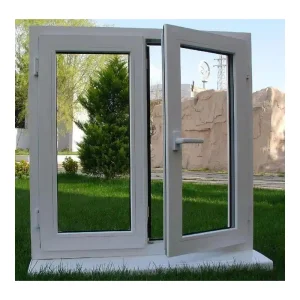
| Tilt-Turn Casement | 0.9 - 1.2 W/m²K | 42 - 45 dB | Class 4 / Class C5 | High-rise Corporate Offices in Porta Nuova & CityLife |
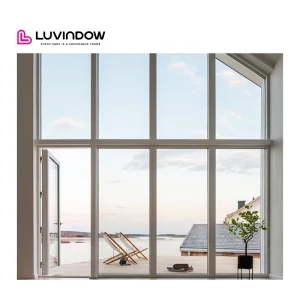
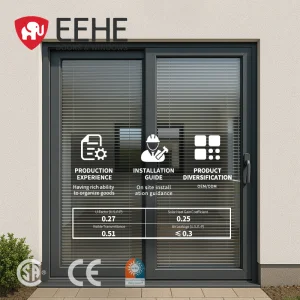
| Minimalist Sliding | 1.3 - 1.5 W/m²K | 38 - 40 dB | Class 3 / Class C4 | Luxury Residential Lofts & Penthouses, Navigli Canal Duplexes |
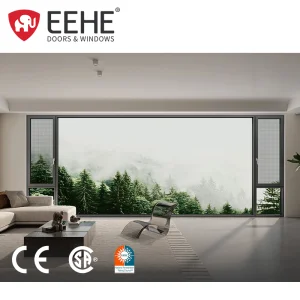
| Fixed Panel Glazing | 0.8 - 1.0 W/m²K | 45 - 48 dB | Class 4 / Class C5 | Structural Storefronts, Showrooms, Corporate Building Plinths |
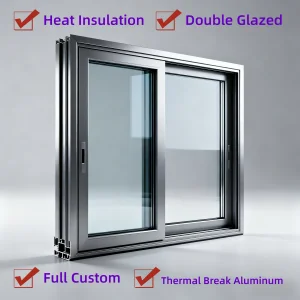
The performance of commercial aluminum windows relies heavily on two main components: the engineering of the aluminum extrusion profile and the composition of the Insulating Glass Unit (IGU). Aluminum is highly conductive by nature. To combat thermal bridging, ORM Windows integrates advanced polyamide thermal barriers. These fiberglass-reinforced nylon strips divide the interior and exterior aluminum profiles, significantly breaking the path of heat transfer.
Milan experiences hot summers and damp winters. Optimal facade performance requires balancing the solar heat gain coefficient ($g$-value) with the thermal transmittance ($U$-value). During winter, low $U$-values prevent heat loss, reducing the rely on HVAC systems. In summer, the low-emissivity coating reflects infrared radiation while transmitting high visible light.
For optimal thermal insulation, triple-pane glass structures filled with 90% Argon gas are recommended. By combining two low-emissivity coatings on surfaces #2 and #5, the window assembly can achieve $U_w$ values under 1.0 W/m²K, aligning with Class A Italian energy rating goals.
Urban density in Milan requires careful management of acoustic pollution. Standard double glazing fails to block low-frequency noises generated by passing streetcars and heavy urban traffic. To isolate buildings from sound transmission, ORM Windows utilizes laminated glass panels with acoustic polyvinyl butyral (PVB) interlayers.
Varying the thickness of the glass panes (e.g., using a 6mm outer pane and an 8mm inner laminated pane) prevents structural resonance, delivering up to 48dB of acoustic noise reduction.
Importing structural components into Lombardy requires strict compliance with regional building rules. Every window product must feature the CE mark, proving compliance with the harmonized standard EN 14351-1:2006+A2:2016.
Foshan ORM Windows Co., Ltd. coordinates complete technical documentation, structural calculations, and testing certificates for mechanical strength, wind load resistance, air permeability, and water tightness. This documentation enables Italian project architects and engineers to submit structural certifications smoothly to local municipal authorities (SUE - Sportello Unico Edilizia).
Explore our full range of certified high-performance window and door configurations, customizable for Milan commercial projects.
Crucial commercial insights regarding standards compliance, logistics, and performance requirements for Milanese facade projects.
Need engineered details, CAD files, or custom pricing for a commercial project in Milan?
Send Inquiry Now ORM Windows