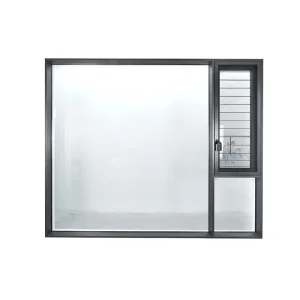
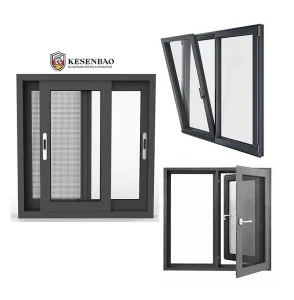
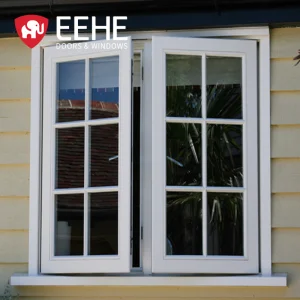
Premium architectural grade aluminum window and door systems customized for top-tier condominium, villa, and hospitality developments in Bangkok.
A comprehensive analysis of fenestration standards, structural challenges, and customized aluminum system integration in Thailand's tropical capital.
Bangkok's monsoon seasons bring sudden structural challenges. Facades require high water tightness (up to 700 Pa) and wind load resistance (up to 3000 Pa) to prevent internal water ingress and structure failure.
Thailand's high average solar radiation makes heat control vital. Thermally broken systems with Low-E glass drastically reduce Solar Heat Gain Coefficient (SHGC) down to 0.22, cutting cooling utility costs by up to 35%.
Dense transportation networks like Sukhumvit and Sathorn require intensive acoustic engineering. Double-glazed systems containing heavy PVB lamination isolate traffic decibels up to 45dB, creating quiet indoor environments.
Modern architecture in Bangkok is shifting away from standard residential setups toward highly engineered, bespoke glazed solutions. Developers of premium condominiums (such as those along the Chao Phraya River) face demanding atmospheric conditions, including tropical monsoonal systems, consistent solar radiation, and extreme localized wind turbulence. Conventional off-the-shelf window profiles fail to meet the performance criteria necessary for these conditions.
Foshan ORM Windows Co., Ltd. resolves these microclimatic challenges through structural engineering, utilizing top-tier architectural alloys (6063-T5/T6 extrusions) combined with high-performance thermal break barriers. By isolating external profiles from internal frames using premium fiberglass-reinforced polyamide strips (PA66-GF25), heat conduction is minimized, maintaining comfortable indoor temperatures while lowering utility costs for HVAC systems.
Design Pressure (DP): Calculated specifically for wind loads in Bangkok's skyscraper zones, ensuring structural integrity up to 3.5 kPa.
Water Penetration Resistance: Achieved through multi-point locking mechanisms and multi-tier EPDM sealing gaskets, certified for heavy rainfall up to 750 Pa.
High-density districts like Rama IX require robust safety considerations. Windows and doors at higher floors must handle intense negative and positive wind pressures. ORM Windows utilizes profiles engineered to match ASTM E330 standards, incorporating internal galvanized steel reinforcements or heavy-duty aluminum structural fins to avoid deflection.
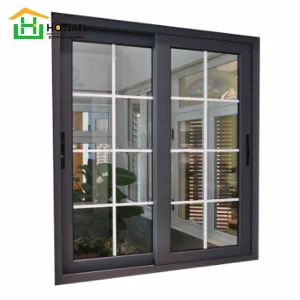
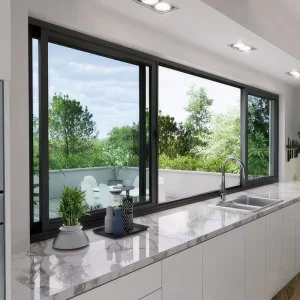
Our systems comply with the internationally recognized AS2047 and NFRC guidelines. These standards guarantee that our sliding and casement assemblies function reliably under repetitive physical stress. These technical properties are essential for builders looking to secure building permits and pass local structural inspections in Thailand.
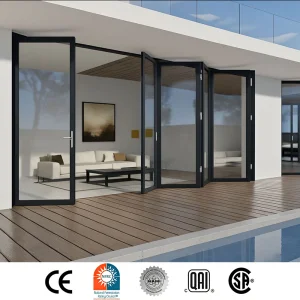
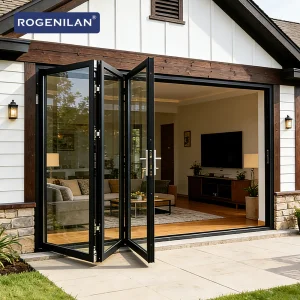
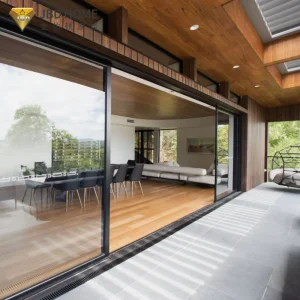
Engineered for high-end villas, resort developments, and spacious interior-exterior conversions in the Bangkok Metropolitan Area.
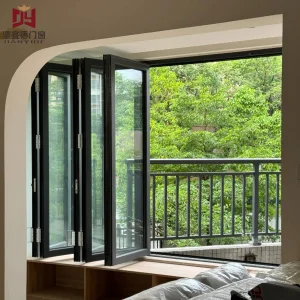
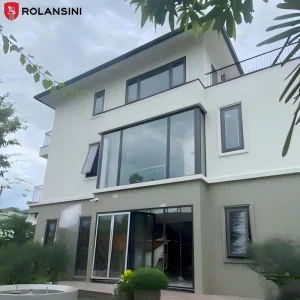
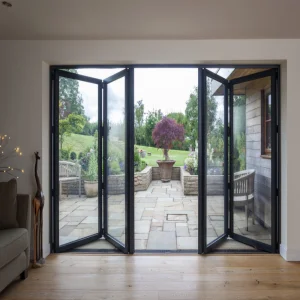
A technical comparison of our premium configurations optimized for Southeast Asian climates.
| System Series | Aluminum Profile Type | Wind Load (ASTM E330) | Water Tightness (ASTM E331) | Acoustic Insulation (STC) | Thermal U-Value Target |
|---|---|---|---|---|---|
| ORM Premium Casement 70T | Thermal Break 6063-T6 (2.0mm) | 3500 Pa | 700 Pa | 42 dB | 1.8 W/m²·K |
| ORM Heavy Duty Sliding 120S | Thermal Break 6063-T5 (2.2mm) | 3200 Pa | 650 Pa | 39 dB | 2.0 W/m²·K |
| ORM Multi-Lite Fixed Storefront | Structural Aluminum (3.0mm) | 4000 Pa | 750 Pa | 45 dB | 1.6 W/m²·K |
| ORM Panorama Bifold 80F | Thermal Break 6063-T6 (2.5mm) | 3000 Pa | 600 Pa | 38 dB | 2.2 W/m²·K |
Leveraging advanced precision manufacturing in Foshan, China to supply premium, project-ready glazing systems to Bangkok developers.
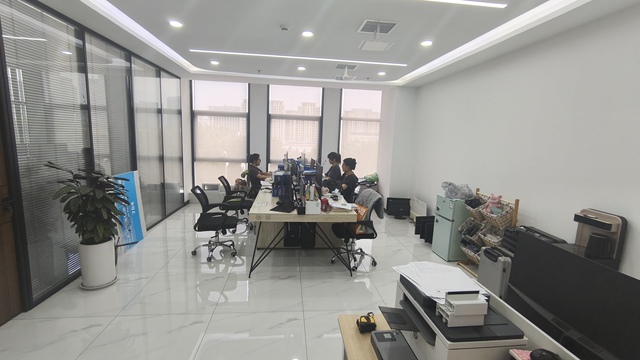
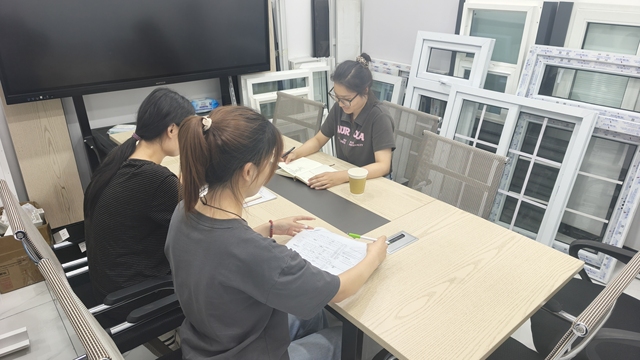
Foshan ORM Windows Co., Ltd., based in Foshan, Guangdong, China—a hub for architectural aluminum production—operates a modern manufacturing facility covering more than 20,000 square meters. With over 280 skilled personnel, the company specializes in engineered window systems for residential and commercial projects globally.
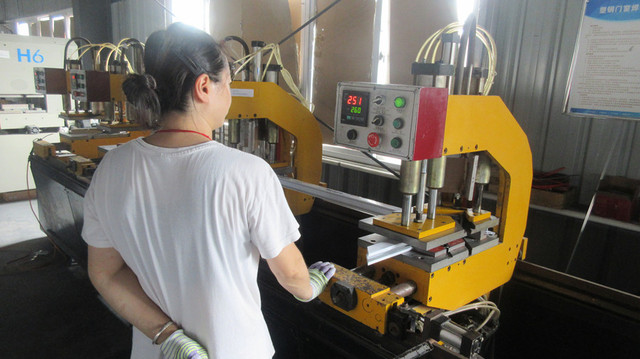
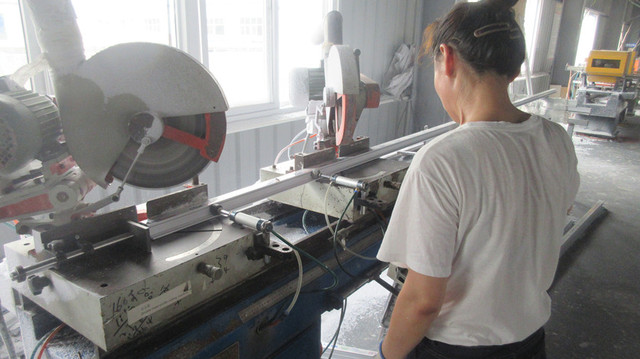
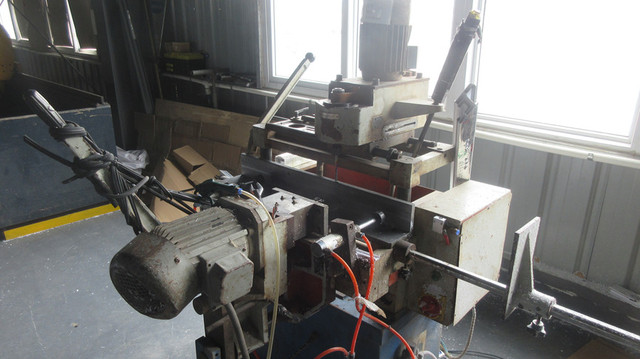
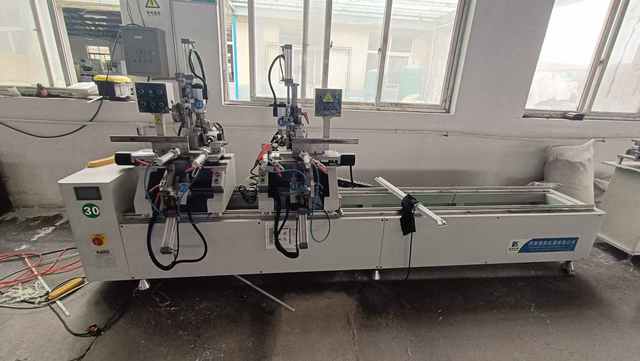
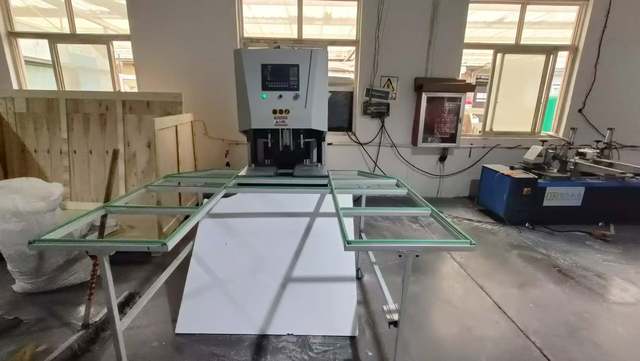
ORM Windows handles the fabrication process in-house, from raw profile extrusion inspection to glass washing, multi-pane gas filling, and structural curing. This integrated manufacturing ensures consistent profile quality and product durability. Using advanced double-head cutting saws, CNC milling centers, and automatic sealant application machines, every frame corner is joined securely, preventing air and water leaks under challenging weather conditions.
For developers, architects, and procurement managers in Bangkok, sourcing from ORM Windows in Foshan offers logistical and financial advantages. Benefiting from the ASEAN-China Free Trade Area (ACFTA), importers can secure a Form E Certificate of Origin, which may lower customs tariffs on architectural aluminum components entering Thai ports (Klong Toey and Laem Chabang).
Our export division manages the packaging and shipping process, utilizing steel racks, protective foam wraps, and waterproof crates to protect structural glazing during transit. This attention to shipping protection ensures that items arrive ready for installation, reducing delays on-site.
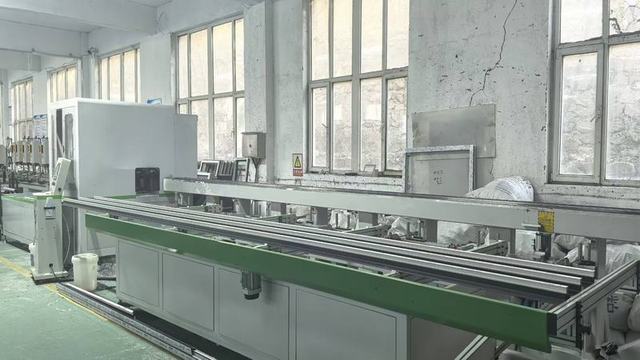
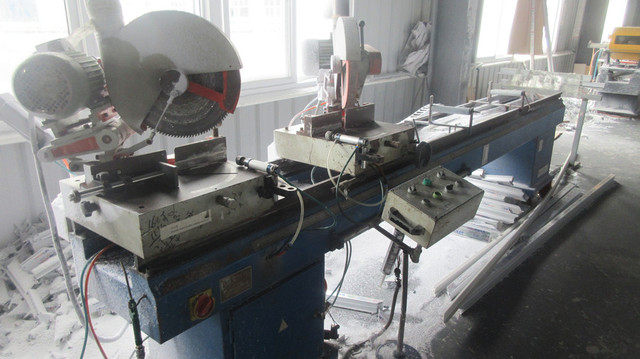
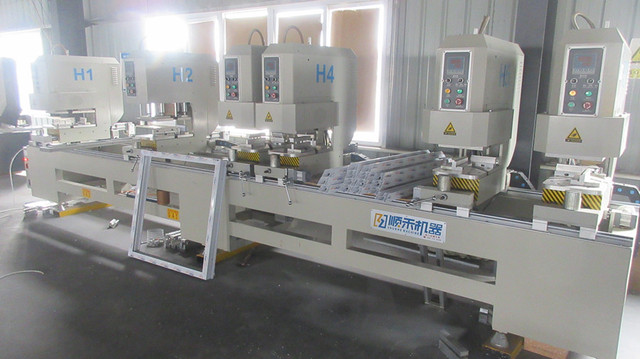
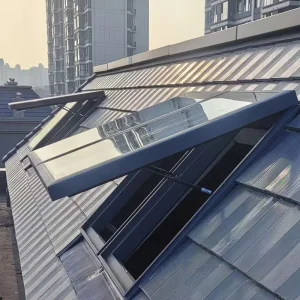
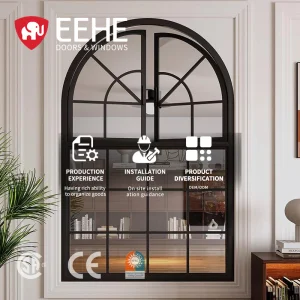
Engineered to international specifications, these high-performance options are optimized for residential, hospitality, and institutional projects in Bangkok.
Technical guidance for architects, contractors, and real estate developers procuring architectural fenestration.
Get in touch with our engineering team for technical drawings, performance testing details, and pricing for your construction project.
 ORM Windows