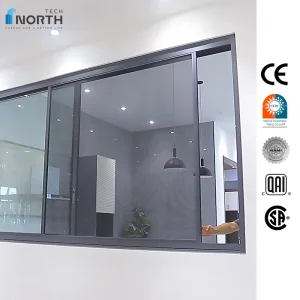
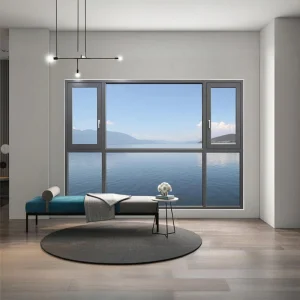
The European building sector represents approximately 40% of energy consumption and 36% of greenhouse gas emissions. In Central Europe, particularly in Poland, these statistics have driven an unprecedented transformation in national construction codes. The introduction of the Warunki Techniczne 2021 (WT 2021) standards has made energy performance regulations for building envelopes significantly more stringent. Under WT 2021, the maximum thermal transmittance coefficient ($U_w$) for standard vertical windows in residential projects must not exceed 0.9 W/(m²·K). This has forced architects, real estate developers, and window exporters to move away from legacy uninsulated systems and shift toward high-performance double-glazed and triple-glazed thermal break aluminum window profiles.
Poland has established itself as a major European manufacturing and assembly center for doors and windows. The country's structural fenestration market is characterized by a unique duality: it operates both as a primary exporter of high-grade PVC and aluminum window systems to neighboring Germany, France, and Scandinavia, and as a highly competitive domestic market seeking cost-optimized, premium-spec components. To maintain this export momentum and meet strict local energy certifications, Polish fabricators and real estate developers are increasingly sourcing high-precision structural aluminum profiles and glazed units from global supply chains. These chains combine heavy industrial scalability with the speed of Industry 4.0 automation.
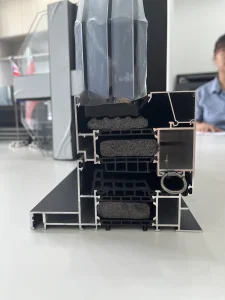
The thermal performance of an aluminum window system depends heavily on its insulation design. Uninsulated aluminum profiles have high thermal conductivity, which can lead to thermal bridging and condensation in cold climates like Poland's. To prevent this, our systems utilize advanced Thermal Break Technology. By inserting structural polyamide insulating strips (typically PA66-GF25 glass fiber reinforced polyamide) between the inner and outer aluminum extrusions, the thermal bridge is effectively broken. This configuration significantly reduces the profile’s thermal transmittance coefficient ($U_f$).
Equally critical is the Insulated Glass Unit (IGU). While double-glazed units filled with 90% Argon gas and Low-Emissivity (Low-E) coatings offer excellent insulation for milder zones ($U_g \approx 1.1 \text{ W/(m²·K)}$), colder Polish winters often demand triple-glazed configurations. Triple-pane systems incorporate two Low-E glass layers, gas-filled chambers, and warm-edge spacers (like thermoplastic or stainless steel hybrid spacers) to achieve $U_g$ values down to 0.5 W/(m²·K). This combination easily enables the complete window assembly to surpass the WT 2021 $U_w$ requirement of 0.9 W/(m²·K).
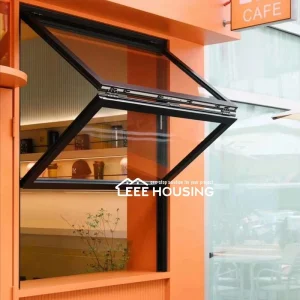
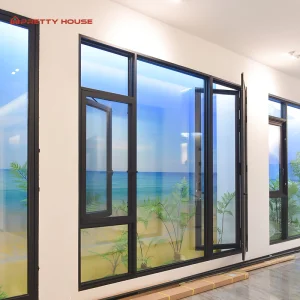
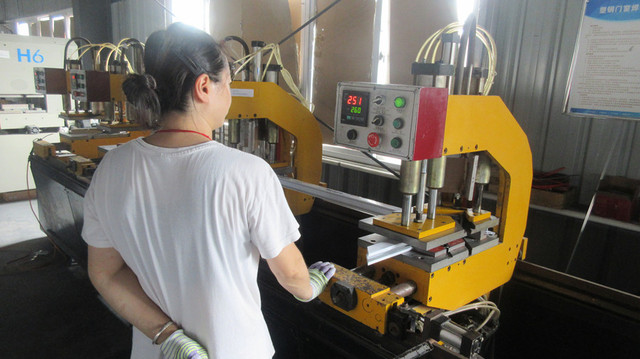
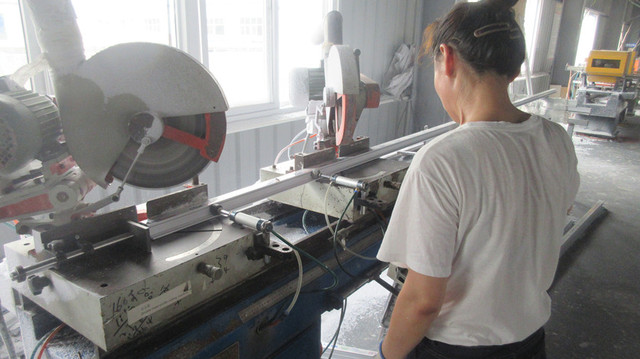
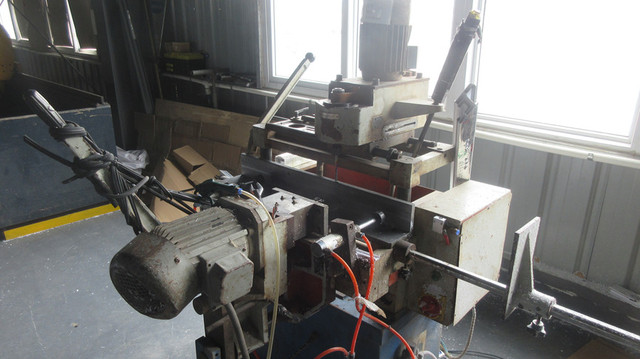
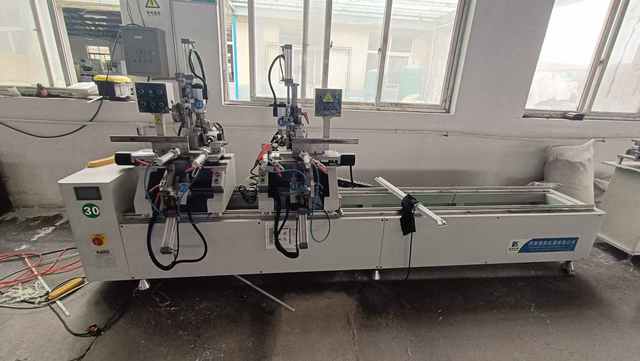
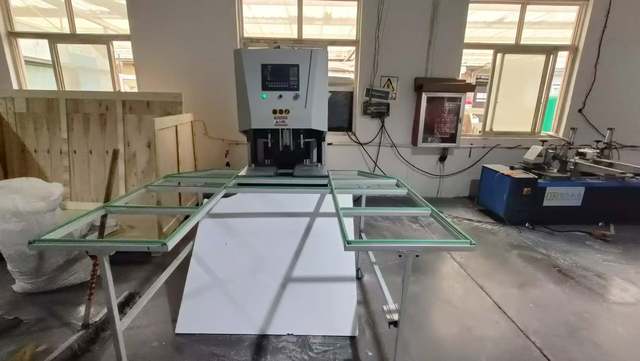
While local European sourcing offers short transit distances, it is frequently constrained by limited production capacity, high raw material surcharges, and long fabrication lead times. Foshan ORM Windows Co., Ltd., operating from Guangdong, China, bypasses these challenges through a vertically integrated Factory 4.0 ecosystem. Covering more than 20,000 square meters and staffed by 280+ skilled technicians, our facility uses computerized double-head precision cutting lines, automated CNC milling centers for hardware routing, and robotic glass assembly systems.
By managing everything in-house—from initial structural profile design and extrusion to anodizing, powder coating, double/triple glazing, and final QA inspection—we reduce production cycles by up to 30% compared to typical European fabricators. Our supply chain resilience is built on long-term relationships with leading primary aluminum ingot suppliers. This ensures stable material costs even during periods of global market volatility.
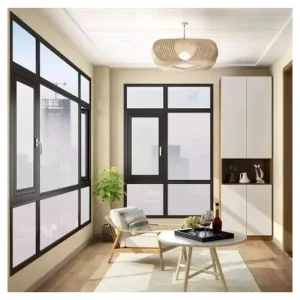
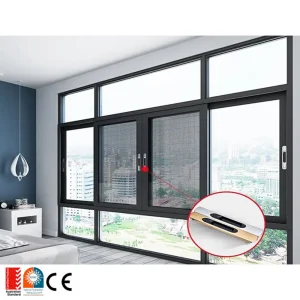
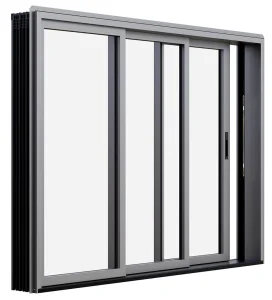
High-tensile architectural aluminum profile base offering superior wind-load performance and structural rigidity for high-rises.
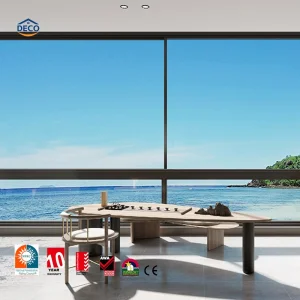
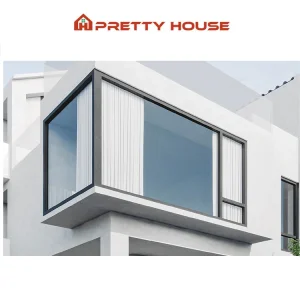
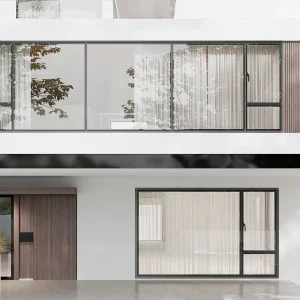
Argon-filled units with thermal edge spacer bars. Easily achieves compliance with European WT 2021 standards.
For Polish architects and developers, customization is key. ORM Windows offers extensive OEM and ODM services that allow buyers to customize frame profiles, wall thicknesses, glazing specifications, and finishes. We offer high-durability surface treatment options, including Qualicoat-certified powder coatings in any RAL color, alongside PVDF coatings and anodized options designed to withstand coastal Baltic air.
Additionally, our systems are engineered to integrate seamlessly with standard European hardware grooves (Euro-Groove 15/20 mm). This allows for straightforward installation of premium European hardware components from brands such as ROTO Frank, Siegenia-Aubi, GU, or Sobinco. By combining China-built structural aluminum frames with locally trusted European locking and hinge mechanisms, importers can offer systems that feel familiar to local installation crews while maintaining a competitive Total Cost of Ownership (TCO).
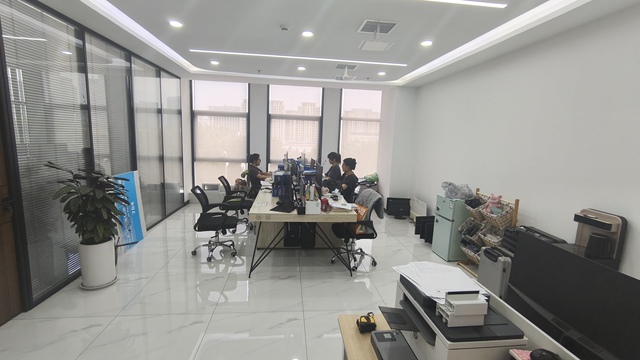
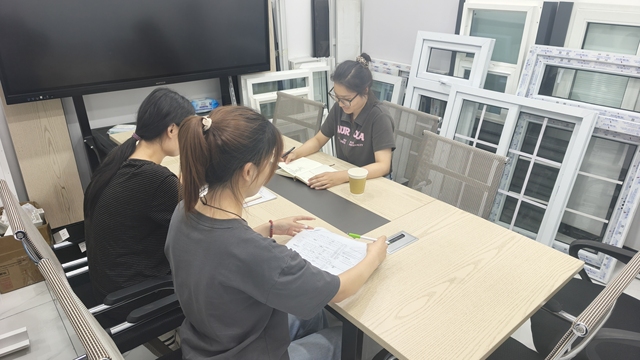
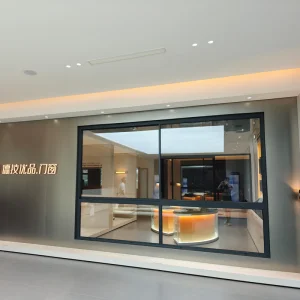
Explore our advanced 20,000+ sqm manufacturing facility, showing our profile extrusion, precision machining, hardware integration, and QA testing zones.
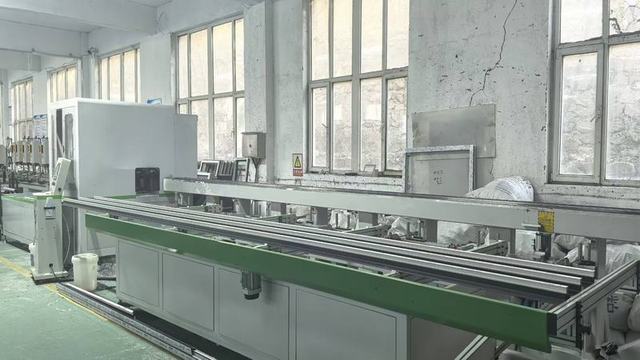
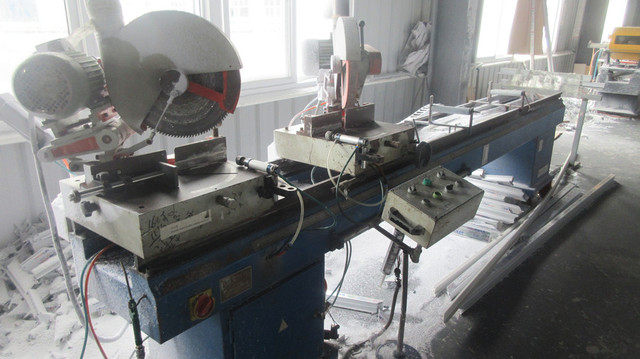
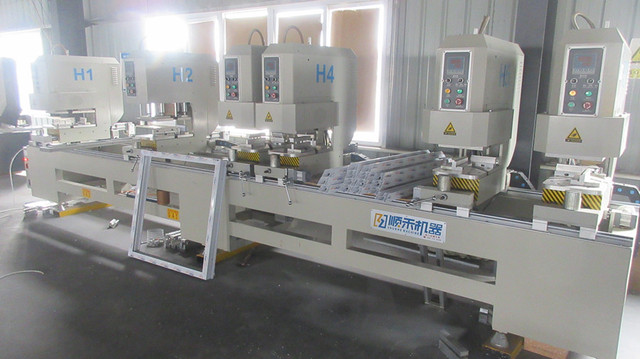
Our systems use multi-chamber polyamide thermal breaks (PA66-GF25) and high-performance double or triple-glazed units. By combining low-emissivity coatings, argon gas fills (90% density), and warm-edge spacers, we can configure our windows to achieve an overall thermal transmittance value ($U_w$) below the mandated 0.9 W/(m²·K). We provide comprehensive laboratory test reports to support structural calculations during the design phase.
Production lead times typically range from 25 to 35 days, depending on custom profile requirements and colors. Sea transit from Shenzhen or Guangzhou ports to Polish hubs (Gdańsk, Gdynia, or Szczecin) takes approximately 32 to 40 days. We offer CIF and DDP shipping terms to handle customs clearance and delivery directly to your project site or warehouse.
Yes. All of our structural aluminum window systems are designed with European-standard grooves (Euro-Groove). This allows for direct compatibility with premium European hardware systems, including Roto Frank, Siegenia-Aubi, GU, and Sobinco. We can import these hardware sets directly to assemble in our factory, or ship the frames pre-routed for local hardware assembly by your teams.
Our manufacturing processes follow ISO 9001:2015 quality management guidelines. Our structural profiles use 6063-T5/T6 alloys, and all powder coating options meet Qualicoat standards. Additionally, we provide CE marking documentation and product certifications in line with the EN 14351-1 harmonized standard for window and door assemblies.
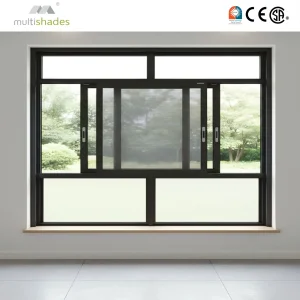
Get in touch with our engineering and logistics team to request a customized quote, project estimation, CAD profile match, or detailed test data sheets for Polish building code approvals.
 ORM Windows