ORM Windows
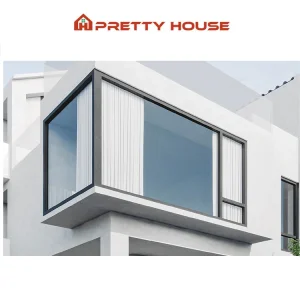
Whitepaper: Industrial Dynamics & Technical Sourcing of Double-Glazed Aluminum Windows for Finland
An authoritative engineering analysis of thermal efficiency, regulatory standards, local applications, and China-based fabrication advantages.
Introduction & Executive Summary
In modern architectural engineering, the window is no longer considered a passive structural element; it is an active envelope barrier that controls heat transfer, solar energy gain, acoustic transmission, and atmospheric infiltration. In high-latitude, subarctic climates like Finland, the design criteria for fenestration products are exceptionally demanding. High-performance double-glazed and triple-glazed aluminum window systems have become the gold standard for residential and commercial construction due to their structural robustness, low maintenance, and design versatility.
This industry document explores the structural requirements of the Finnish construction sector, compares regional and global supply chain dynamics, details the manufacturing process at Foshan ORM Windows Co., Ltd., and analyzes how advanced thermal break systems enable modern aluminum windows to achieve U-values compliant with strict European standards. Through structural optimization and advanced automated processing, Chinese manufacturing centers offer significant cost-efficiency advantages while maintaining strict compliance with CE (EN 14351-1) and regional performance benchmarks.
Thermal Insulation
Multi-chamber PA66GF25 thermal breaks and Low-E double glazing achieve structural U-values down to ≤ 1.0 W/m²K, minimizing cold-bridge effects in subarctic zones.
Structural Rigidity
Made of premium architectural aluminum alloy 6063-T5/T6, providing wind load defiance up to Class C5 (EN 12210) for coastal environments.
Direct Factory Sourcing
Integrated processing at our 20,000 m² Foshan facility lowers project procurement costs by up to 30-40% compared to domestic EU fabricators.
Chapter 1: The Finland Market Landscape & Meteorological Imperatives
The Finnish construction industry operates under some of the most stringent building codes in the world, governed by the Ministry of the Environment (Ympäristöministeriö) and standardized by the Finnish Standards Association (SFS). Finland is divided into distinct climate zones, where winter temperatures frequently fall below -30°C in the north (Lapland) and hover around -10°C to -15°C with high relative humidity and severe wind shear in southern coastal cities like Helsinki, Espoo, and Turku.
Consequently, thermal transmittance (U-value) regulations are highly restrictive. For heated buildings, the national building regulations mandate standard window U-values of 1.0 W/m²K or lower. For passive solar designs and energy-efficient retrofits, developers target U-values as low as 0.7 to 0.8 W/m²K. Achieving these figures with aluminum profiles—which are inherently highly conductive—requires sophisticated thermal breaking. This involves inserting structural, glass-reinforced polyamide strips (PA66GF25) to separate the interior and exterior aluminum profiles, completely breaking the path of thermal transmission.
Additionally, condensation resistance is critical. High temperature gradients between interior spaces (+21°C) and exterior environments (-25°C) can cause significant condensation on the perimeter and glazing unit edges if warm-edge spacer bars (such as stainless steel or composite plastic) and high-purity argon gas fills are not utilized. Our systems are engineered to prevent local cold bridges, eliminating moisture accumulation and associated biological growth risks in wood-frame integrations.
Chapter 2: Global vs. Local Industrial Dynamics
The supply chain for architectural window systems has undergone major globalization. Historically, local Finnish and Scandinavian manufacturers dominated the market by offering timber and timber-aluminum composite windows. However, while wood-cladded systems offer low thermal conductivity, they are susceptible to moisture absorption, dimensional warping under high humidity cycles, and require periodic surface maintenance. This has led to a significant market shift toward full aluminum systems, which provide superior structural integrity, allow for ultra-slim frame profiles, and are 100% recyclable.
Comparing local European fabrication with global sourcing reveals a stark contrast in cost structures and processing efficiency:
- Raw Material Control: Southern China, particularly the Foshan region, is the global epicenter of aluminum extrusion and profile processing. The localized industrial cluster allows for immediate access to high-grade raw alloys, customized die tooling, and advanced surface finishing treatments (such as Qualicoat-approved powder coatings and high-micron anodizing).
- Energy & Overhead Costs: European manufacturers face high energy costs, which directly impact the manufacturing cost of raw aluminum and glass tempering. Sourcing from our Foshan facility allows developers to bypass these regional energy premiums.
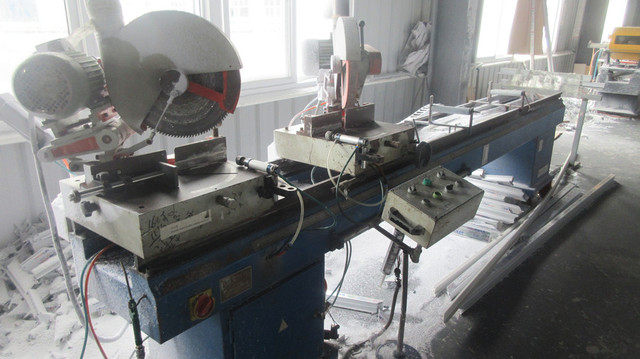
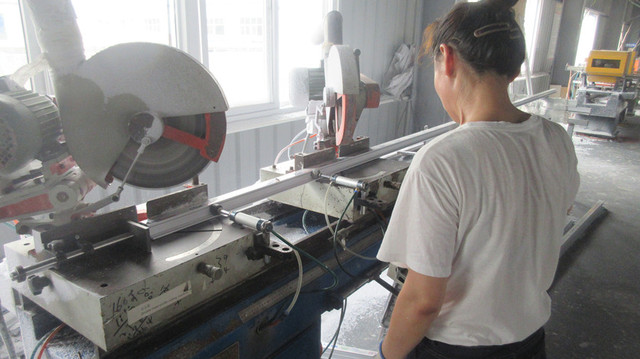
- Machining Scalability: Modern commercial construction projects require hundreds of customized window configurations, differing in dimensions, opening types, and glazing specs. Our automated CNC fabrication lines can execute high-volume runs with tolerances within 0.1mm, ensuring swift execution that matches tight European project timelines.
Chapter 3: Sourcing Efficiency & Manufacturing Process of Foshan ORM Windows Co., Ltd.
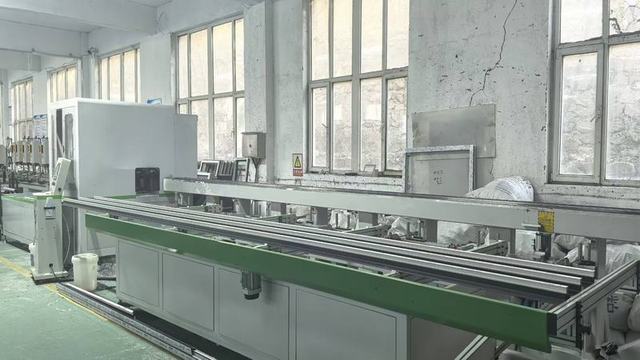
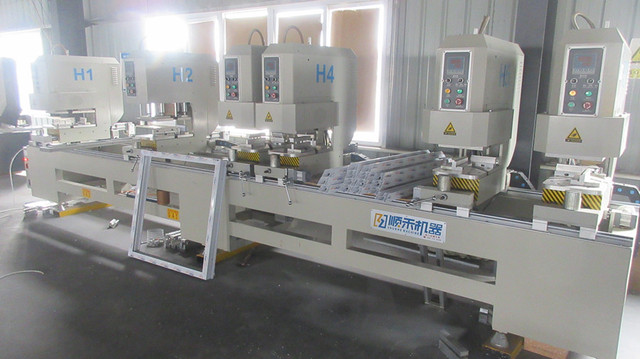
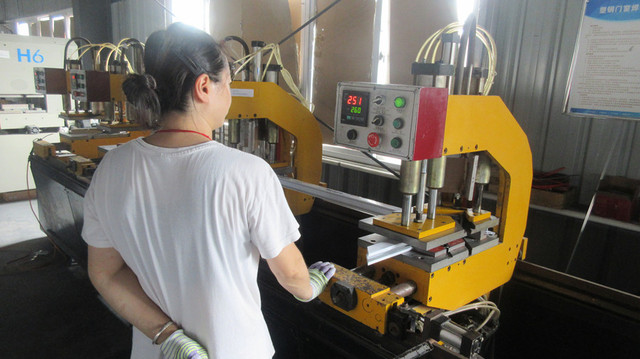
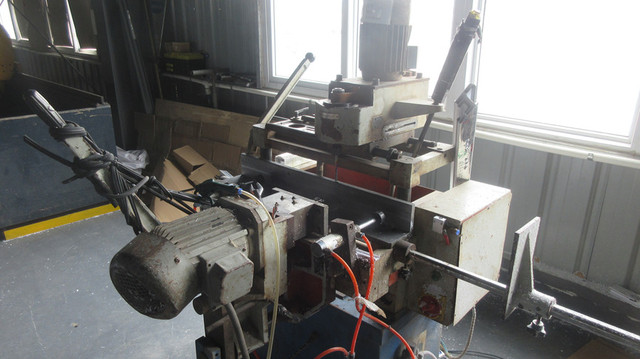
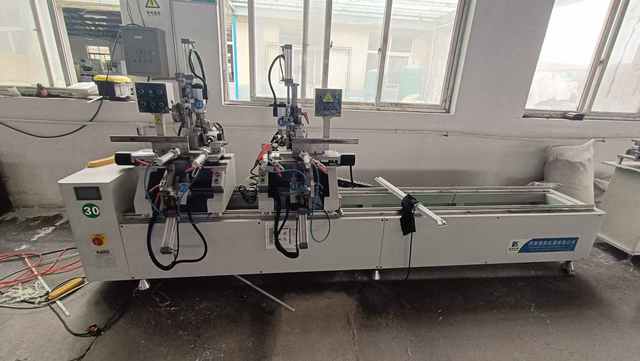
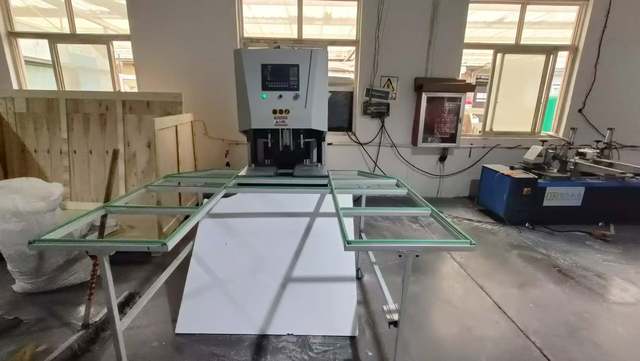
Foshan ORM Windows Co., Ltd. represents the peak of modern Chinese manufacturing efficiency integrated with international quality management. Established in 2011, our 20,000-square-meter facility features advanced tooling and production machinery, including automated multi-axis CNC cutting centers, automatic corner crimping lines, and integrated double-glazed glass assembly stations.
Our manufacturing workflow is strictly structured to ensure every window meets CE standards:
- Profile Extrusion & Heat Treatment: We use primary architectural 6063-T5 or T6 aluminum alloy profiles, featuring a minimum wall thickness of 1.4mm for residential systems and up to 2.0mm–3.0mm for commercial curtain walls and heavy-duty sliding systems.
- Polyamide Thermal Break Insertion: High-precision rolling machines insert PA66GF25 thermal barrier strips, which are then mechanically crimped to form a high-strength composite profile capable of resisting shear stresses.
- Insulated Glass Unit (IGU) Assembly: Within our dust-controlled glazing facility, dual-seal insulated glass units are assembled using automated spacer bending and desiccant filling. Low-emissivity (Low-E) coatings are applied to the inner glass surfaces, and the cavities are filled with 90%+ pure argon gas.
- Hardware Integration: To ensure reliability, we integrate premium international hardware systems (such as German ROTO, SIEGENIA, or top-tier Chinese brands like Kin Long) that guarantee over 100,000 opening cycles without mechanical failure.
- Testing & Quality Assurance: Every production batch undergoes strict testing for air tightness (EN 12207 Class 4), water tightness (EN 12208 Class E900), and resistance to wind load (EN 12210 Class C5).
Chapter 4: Localized Applications & Case Studies in Finland
Our double-glazed aluminum window systems are deployed across various building typologies in Finland, demonstrating high adaptability:
1. Helsinki Waterfront Residential Complexes
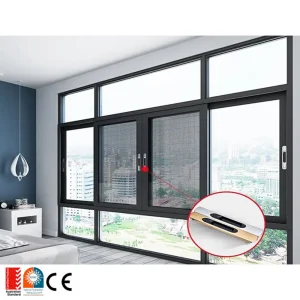
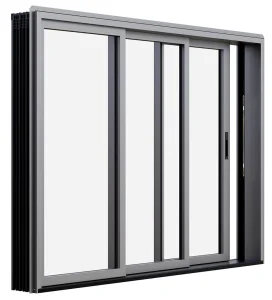
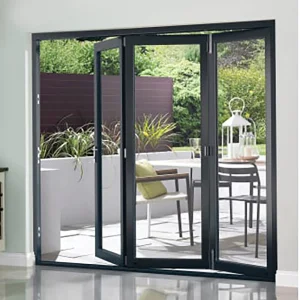
Coastal developments in Helsinki face high wind speeds and high saline concentrations. Standard window frames quickly degrade or leak under driving rain. Our custom heavy-duty sliding windows use marine-grade anodizing and multi-point locking systems, ensuring zero water penetration under pressures up to 900 Pa while resisting salt-spray corrosion over decades.
2. Lapland Eco-Resorts & Glass Cabins
For tourism infrastructure in northern Finland, maintaining panoramic wilderness views without high heating bills is a key design challenge. Our ultra-slim frame profiles maximize the glazed area, while high-performance double-glazed insulated units with warm-edge spacers prevent condensation even when interior/exterior temperature differences exceed 50 degrees.
3. Tampere Commercial Office Developments
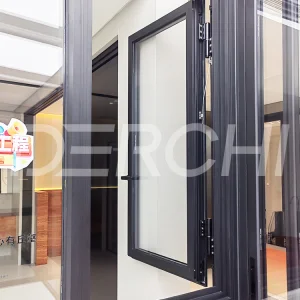
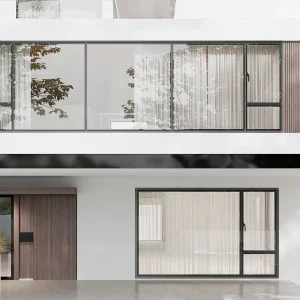
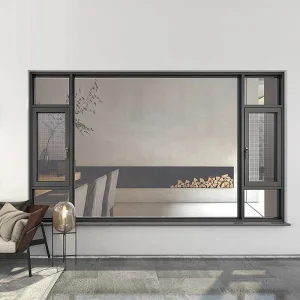
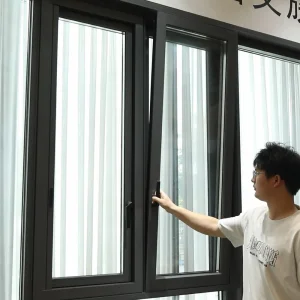
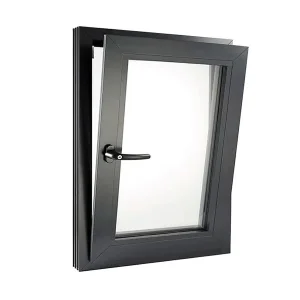
Large-span commercial window systems require high structural rigidity. Our KSPC75 thermal break casement and fixed window series offer the structural inertia needed for multi-story glass facades, combined with acoustic laminates that reduce city traffic noise by up to 45 decibels (Rw + Ctr = 45 dB).
4. Energy-Efficient Renovation Projects
Older apartment buildings throughout Finland are undergoing deep energy-efficiency retrofits to comply with the European Union's Energy Performance of Buildings Directive (EPBD). Replacing outdated wooden frames with our low-maintenance, thermally broken aluminum systems helps properties achieve higher energy certification ratings, increasing asset value.
Chapter 5: Future Trends in Aluminum Fenestration
The global and Finnish fenestration industries are rapidly evolving toward decarbonization and smart building integration. Key trends include:
- Recycled & Low-Carbon Aluminum: The carbon footprint of window profiles is a major consideration in modern life-cycle assessments (LCA). The industry is shifting toward post-consumer recycled aluminum, which requires only 5% of the energy needed for primary aluminum production.
- Smart Switchable Glass: Integrating PDLC (Polymer Dispersed Liquid Crystal) and electrochromic technology directly into double-glazed units allows building management systems to adjust shading dynamically, reducing solar heat gain coefficients (g-value) and lowering summer cooling loads.
- Ultra-Minimalist Profile Sightlines: Modern European architectural trends favor hidden sash profiles, where the window frame is virtually invisible from the exterior, maximizing daylight transmission while maintaining high structural performance.