Engineered double glazed aluminum window systems recommended for regional infrastructure developments in Bangladesh.
Decoding the rapid structural shift in Bangladesh’s architectural standards, driven by energy efficiency and urbanization.
Bangladesh is undergoing an unprecedented architectural and infrastructural renaissance. With urbanization rates accelerating in metropolitan centers like Dhaka, Chittagong, Sylhet, and Khulna, the demand for highly durable, green building envelopes has reached a critical inflection point. Historically dominated by single-pane steel or low-grade timber window systems, the market is actively shifting towards high-performance Double Glazed Aluminum Windows. This transition is not merely cosmetic; it is driven by pressing macroeconomic pressures, local meteorological realities, and a nationwide alignment with international green building benchmarks.
Globally, building envelopes accounts for approximately 30% of a building's overall heat gain or loss. In tropical monsoon zones like Bangladesh, where temperatures routinely exceed 38°C alongside relative humidity levels of over 85%, standard glass configurations cause massive thermal transmission. This places an unsustainable burden on HVAC systems, inflating operating costs for residential high-rises and commercial skyscrapers alike. By implementing double-glazed structural framing with specialized air cavity gaps, architects in Bangladesh are decreasing peak energy consumption in office buildings by up to 25%, establishing a direct pathway to obtaining prestigious LEED (Leadership in Energy and Environmental Design) certifications.
Simultaneously, the global supply chain for aluminum profiles is centering on advanced manufacturing clusters. Foshan, China, stands as the premier hub for custom-engineered architectural aluminum. The synergy between Foshan's high-tech manufacturing capacity and Bangladesh's construction boom allows developers to source certified, AS2047-compliant, and weather-proof window solutions at scale, maintaining optimal project budgets without compromising structural integrity.
A deep dive into wind-load mechanics, thermal transmittances, and acoustic performance thresholds.
Thermal breaks utilize high-density polyamide insulating strips (PA66-GF25 reinforced with fiberglass) to disrupt the continuous conductive path of aluminum profiles. This dramatically lowers the overall U-value from a standard 5.8 W/m²K down to below 2.0 W/m²K, optimizing heat containment during winter and rejecting ambient solar thermal energy during summers.
Dhaka's ambient noise pollution levels frequently exceed 80 dB. Double-glazed systems featuring asymmetric glass configurations (e.g., 6mm Low-E + 12mm Argon Space + 5mm Clear Tempered Glass) absorb soundwaves across multiple frequencies, reducing indoor noise levels to a quiet 35-40 dB, perfect for residential comfort.
Bangladesh’s coastal region experiences intense wind loads and cyclone conditions with design pressures reaching up to 3.0 kPa. High-strength aluminum extrusions (6063-T5 or T6 alloys) with customized structural reinforcements ensure minimal deflection under extreme meteorological duress.
For procurement managers in Bangladesh, identifying these specific parameters is key. Aluminum frames should ideally feature a wall thickness of no less than 1.4mm for windows and 2.0mm for sliding doors, conforming with standard building regulations. The double-glazing configuration should feature an airtight perimeter seal filled with Argon gas to prevent internal fogging and condensation issues common in tropical regions.
A Global Leader in Premium High-Performance Aluminum Fenestration Systems.
Foshan ORM Windows Co., Ltd. is a professional aluminum window manufacturer located in Foshan, Guangdong, China—one of the country's leading centers for architectural aluminum production and building materials manufacturing. Established in 2011, the company specializes in the design, engineering, manufacturing, and export of high-performance aluminum window systems for residential, commercial, and architectural projects worldwide.
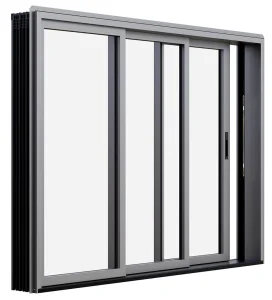
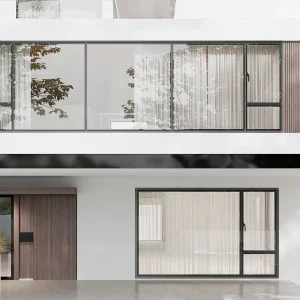
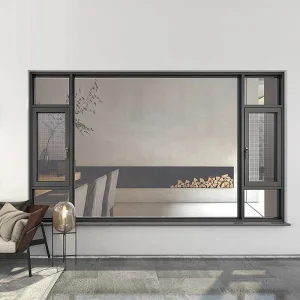
With a modern manufacturing facility covering more than 20,000 square meters and a team of over 280 skilled employees, ORM Windows is dedicated to providing reliable, energy-efficient, and aesthetically appealing window solutions. The company's product portfolio includes aluminum casement windows, sliding windows, awning windows, fixed windows, tilt-and-turn windows, thermal break window systems, double-glazed windows, and customized architectural window solutions designed to meet diverse building requirements.
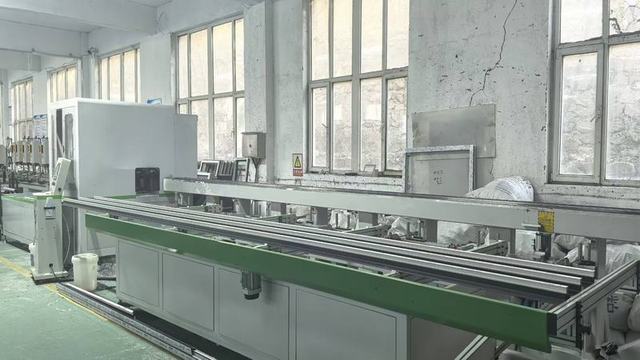
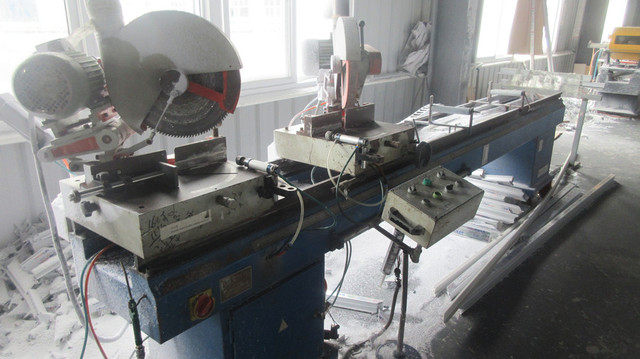
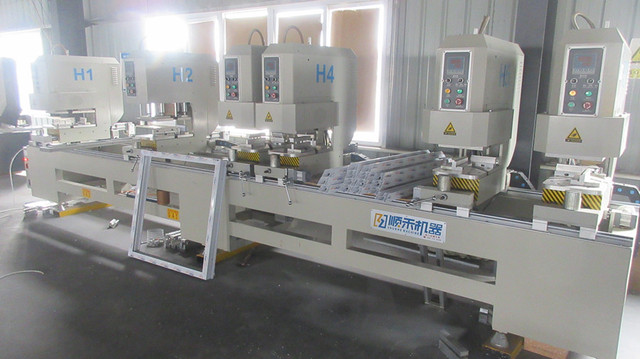
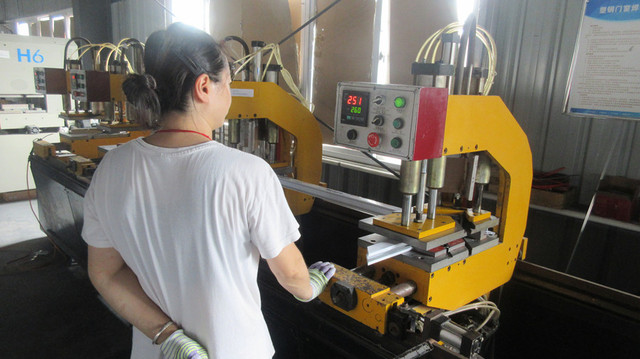
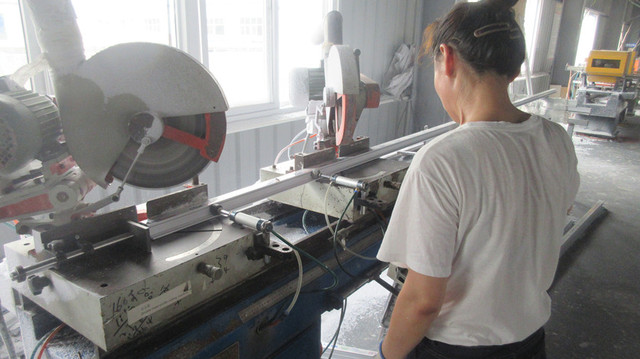
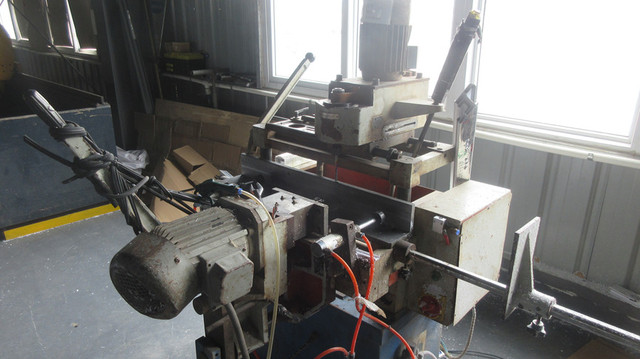
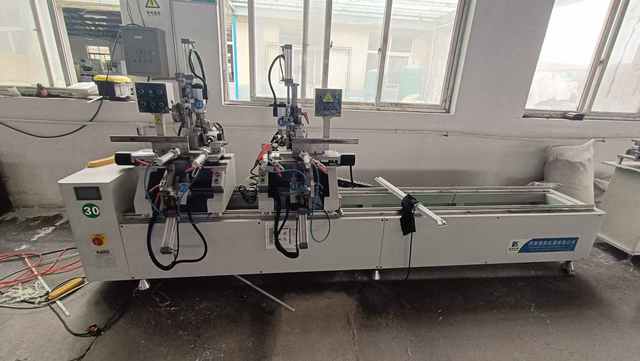
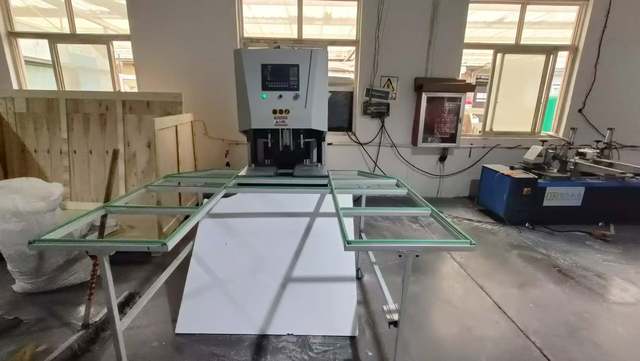
ORM Windows integrates advanced production equipment, precision fabrication technology, and strict quality management procedures throughout every stage of manufacturing. From aluminum profile processing and glass assembly to hardware installation and final inspection, every product is produced to ensure durability, weather resistance, thermal performance, and long-term reliability.
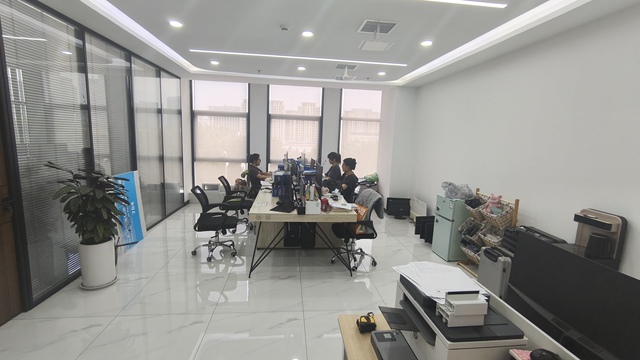
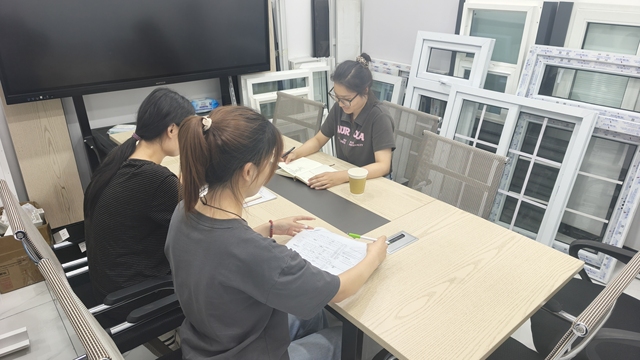
Supported by an experienced engineering and product development team, the company offers comprehensive OEM and ODM services, including customized dimensions, frame finishes, glazing options, hardware configurations, and private-label manufacturing. These flexible solutions enable builders, developers, distributors, and project contractors to meet specific market and project demands.
Serving customers across North America, Europe, the Middle East, Southeast Asia, Australia, and other international markets, Foshan ORM Windows Co., Ltd. has established a reputation for quality manufacturing, professional service, and dependable delivery. The company remains committed to providing innovative aluminum window solutions that enhance modern architecture while supporting sustainable and energy-efficient building development worldwide.
Optimizing building envelopes for specific geographical microclimates across Bangladesh.
When deploying double-glazed architectural systems in Bangladesh, a "one-size-fits-all" approach fails to deliver the expected long-term value. The microclimate conditions vary significantly between industrial zones, urban centers, and coastal belts, requiring different configuration specifications:
Urban density in Dhaka creates massive thermal island effects and constant sound exposure. Fenestration systems must focus heavily on acoustic dampening (STC ratings) and high-efficiency dust-sealing. Multi-point locking mechanisms paired with double-barrier EPDM weatherstripping gaskets ensure that modern high-rise buildings remain dust-free and isolated from external traffic noise.
As the second-largest RMG exporter globally, Bangladesh's textile factories are under constant pressure to meet international ESG (Environmental, Social, and Governance) targets. Large-scale structural skylights and window walls require high-performance low-emissivity (Low-E) double glazing. This controls the Solar Heat Gain Coefficient (SHGC) while maintaining a high Visible Light Transmittance (VLT), providing adequate daylighting for workers while lowering cooling costs.
Coastal developments are subject to harsh environments. Salt-spray corrosion can degrade standard aluminum finishes within months. To address this, ORM Windows recommends using architectural aluminum profiles with marine-grade PVDF (Fluorocarbon) coatings or thick anodization (class AA20/AA25). Wind pressures must also satisfy localized BS 6399 codes for structural stability during cyclone events.
Engineered options designed for specialized industrial and commercial structures in Bangladesh.
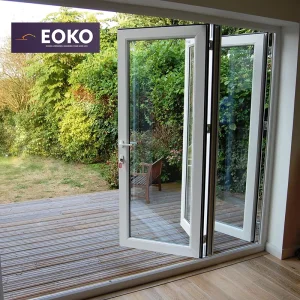
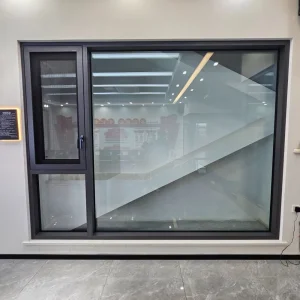
The technological landscape of the building envelope sector heading into 2030.
As the construction landscape shifts towards net-zero buildings, double-glazed systems are evolving to integrate smart materials and advanced engineering designs. Several key innovations are set to shape the future of architectural installations in South Asia:
Also known as switchable glass, this system actively adjusts its transparency and light transmittance properties based on automated light sensors or building management settings. This technology can reduce peak solar heat gain in commercial buildings by up to 45%.
Merging recycled structural aluminum with localized thermal composites drastically lowers the carbon footprint of structural frames, helping green projects achieve points toward carbon offset credits.
Smart window frames featuring micro-ventilation pathways allow fresh air exchange without sacrificing the primary soundproofing and dust protection capabilities of the closed window system.
Explore our core collection of certified double glazed aluminum profiles engineered for Bangladesh's demanding climate.
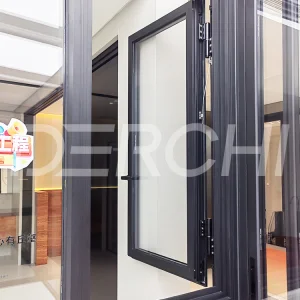
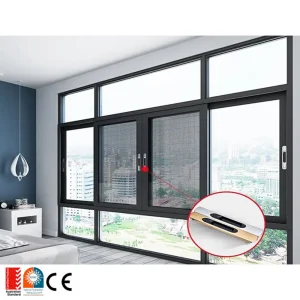
Detailed professional guidance on importing, installing, and certifying double-glazed window configurations.
Double glazing features a multi-pane structure separated by a sealed air or gas gap (typically 12mm filled with dry air or Argon). In Bangladesh’s warm climate, it acts as a thermal barrier, rejecting solar heat gain and lowering overall energy usage. It also offers excellent sound insulation, which helps reduce traffic and noise pollution in busy urban areas.
For high wind pressure resistance, we recommend architectural-grade 6063-T5 or T6 heat-treated aluminum alloys. These alloys provide the necessary tensile strength and structural integrity, ensuring profiles resist bending or damage during the intense monsoon season in Bangladesh's coastal zones.
ORM Windows offers extensive export experience to Bangladesh, managing logistics from our Foshan facility to Chittagong or Mongla ports. We provide full documentation—including custom CAD designs, AS2047 performance test reports, and bills of lading—to ensure a smooth import clearance process for local builders and distributors.
Yes, we provide full OEM and ODM services. Architects and builders can customize profile dimensions, paint finishes (such as PVDF coating, anodizing, or wood grain powder coating), hardware configurations (such as HOPPE or Siegenia), and specific glass layouts (such as Low-E, reflective, or tinted safety glass) to match regional structural specifications.
 ORM Windows