Engineered for high wind load deflection and rapid pressure equalization at elevated floor levels.
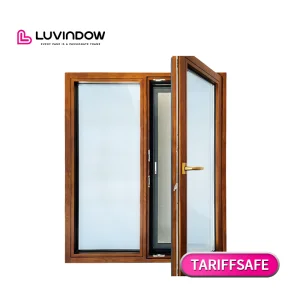
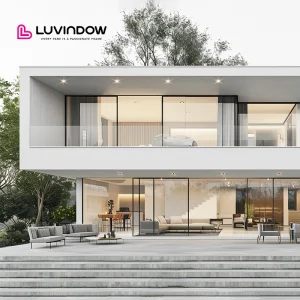
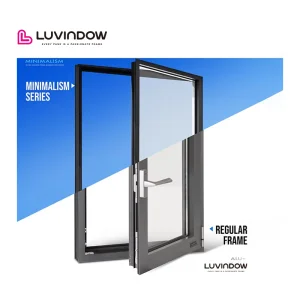
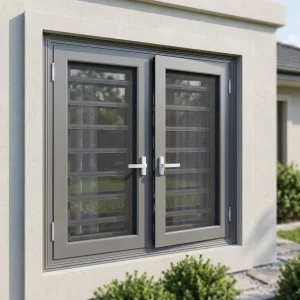
Kuala Lumpur, characterized by its iconic, soaring skyline from the Petronas Twin Towers to Merdeka 118, poses extreme challenges for architectural building envelopes. Unlike standard low-rise installations, window systems in Kuala Lumpur's high-rise towers are exposed to continuous tropical microclimatic stresses, including severe monsoonal driving rains, high UV radiation, and dramatic temperature differentials.
Specifically, wind pressures escalate exponentially at heights above 100 meters, requiring structural window systems with high deflection limits and superior wind load capability. Standard window frames cannot withstand the structural shear and wind loads typical of the Ampang, KLCC, and TRX financial districts. The window frames must prevent air filtration and water penetration under severe storms while maintaining structural safety.
As a leading window manufacturer and exporter, our engineering department simulates wind load configurations according to MS 1553 (Malaysian Standard for Wind Loads). This guarantees that all exported building profiles handle local building criteria with safety margins that exceed the baseline requirements.
Utilizing high-performance thermal break technology and insulated multi-layer glazing units.
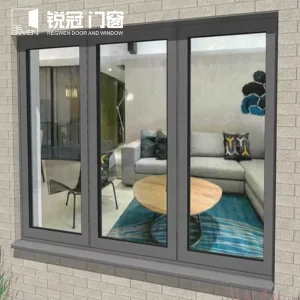
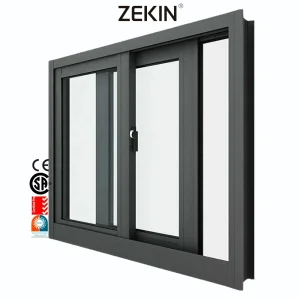
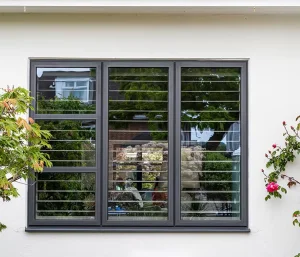
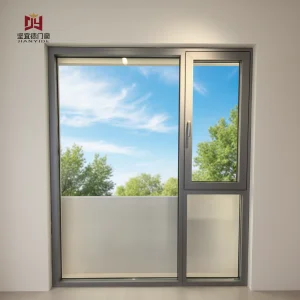
High-rise properties in central Kuala Lumpur, such as high-density developments in Bukit Bintang and Sentral, must integrate excellent thermal isolation alongside structural durability. Under the Malaysian Uniform Building By-Laws (UBBL) Clause 38A, designers must calculate and limit the building's Overall Thermal Transfer Value (OTTV) to below 50 W/m². High-efficiency windows play a vital role in meeting this standard by mitigating direct solar gain through advanced glass technology.
Our solutions feature Double Silver and Triple Silver Low-E glass coatings. By reflecting infrared radiation while transmitting visible light, these coatings significantly lower structural cooling loads and HVAC energy consumption. Additionally, filling the air space between glass panes with Argon gas reduces convective heat transfer, providing optimal thermal insulation.
Acoustic performance is equally critical. City center noise levels require window envelopes with a high Sound Transmission Class (STC) rating. Utilizing multi-layered laminated safety glass with PVB or SGP interlayers, our systems damp external high-frequency and low-frequency noises, dropping urban sound levels from 80 dB down to a comfortable 35 dB inside the workspace or residential home.
As low as 1.2 W/m²K using polyamide thermal barriers (PA66 GF25) coupled with triple glazing.
Optimized between 0.22 and 0.35 to match tropical sunlight angles, blocking over 75% of solar infrared rays.
Achieving STC ratings of 42-45 dB, preventing urban sound propagation in residential high-rises.
Premium architectural configurations for commercial developments, corporate offices, and luxury residential projects.

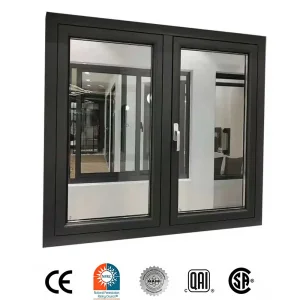
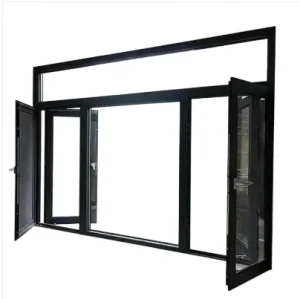
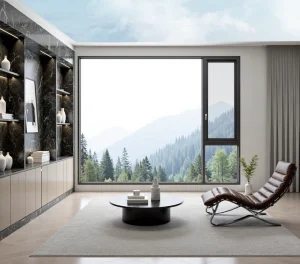
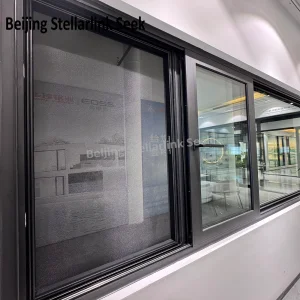
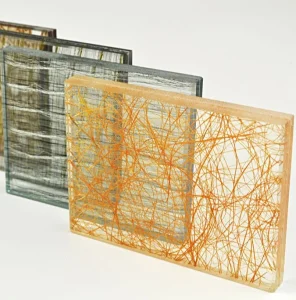
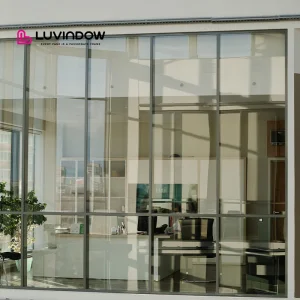
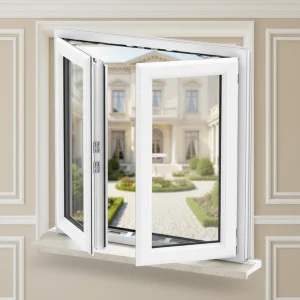
Foshan ORM Windows Co., Ltd. is a premier, high-performance aluminium window manufacturer situated in Foshan, Guangdong, China. Foshan is widely recognized as a leading global cluster for architectural aluminum production and advanced glazing materials. Established in 2011, ORM Windows has dedicated over a decade to structural engineering, custom configuration, precision manufacturing, and direct export of window and curtain wall systems to commercial and residential sites globally.
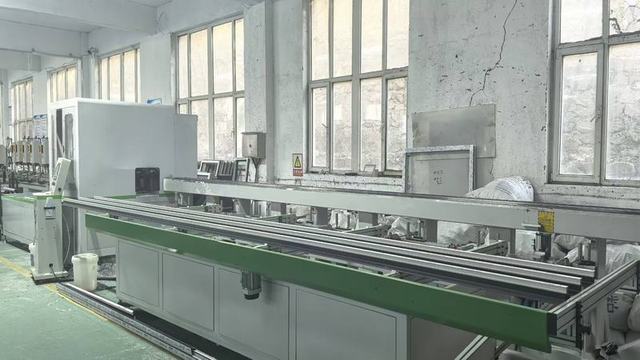
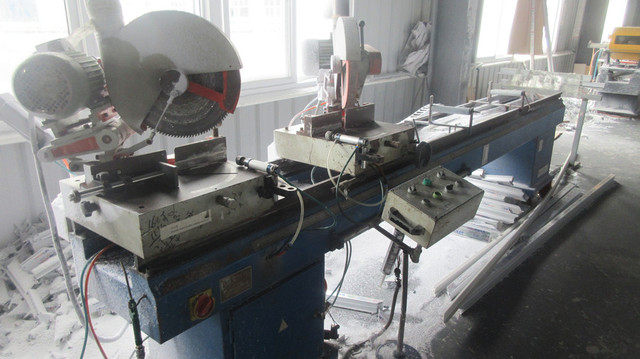
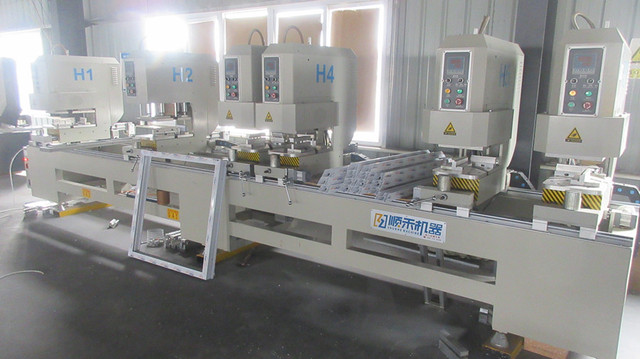
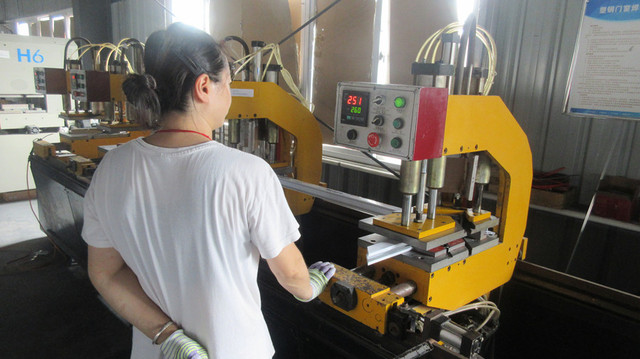
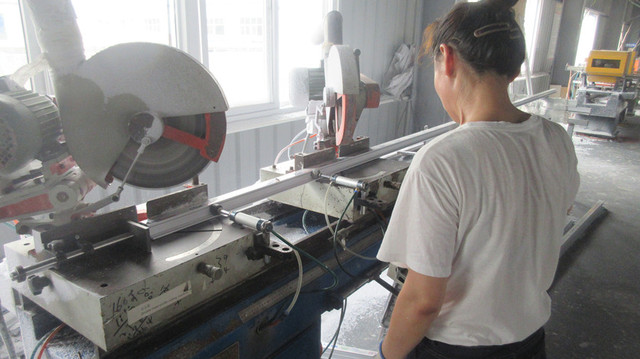
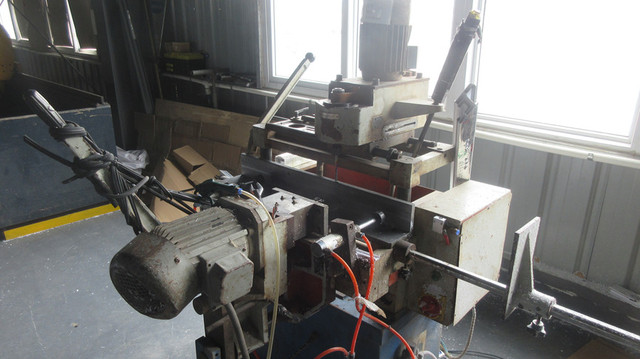
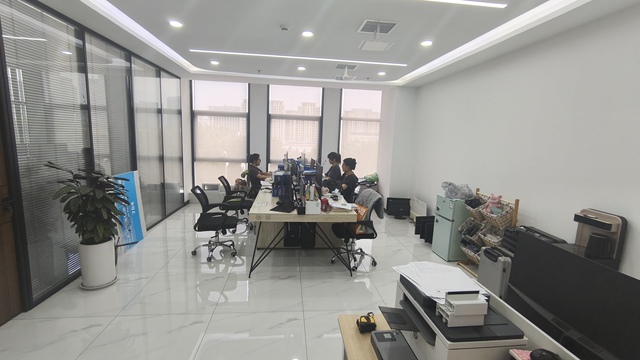
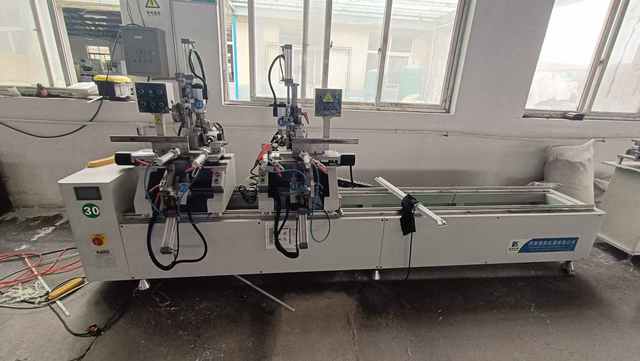
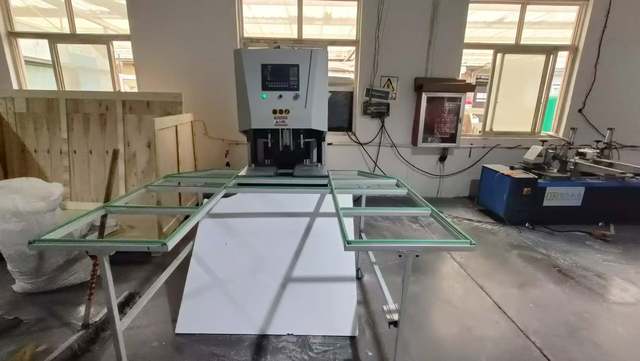
Our modern manufacturing facility spans over 20,000 square meters and is equipped with advanced automated production lines, CNC machining centers, and comprehensive quality control laboratories. With a dedicated team of over 280 skilled personnel, we maintain complete control over the production workflow—from design and material sourcing to custom glazing, structural calculations, and final packaging.
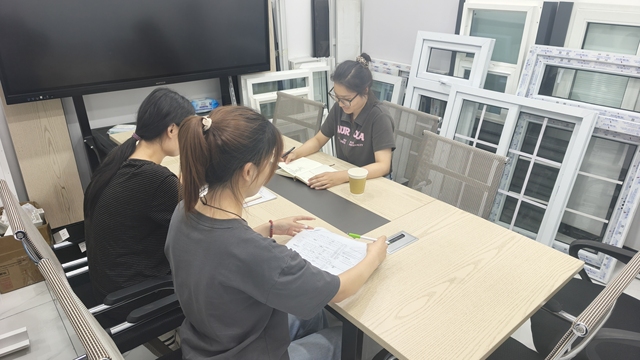
To serve the Kuala Lumpur and broader Southeast Asian markets, we specialize in high-capacity supply routes that minimize logistics lead times. Our technical engineers work directly with local consultants to verify compliance with local regulations, including structural wind load parameters, water tightness levels, and installation anchoring systems.
We provide structural engineering options designed for architects, real estate developers, and construction contractors. Our specialized export logistics cover critical aspects of modern facade manufacturing:
Technical compliance, structural certifications, and strict testing protocols for high-rise building envelopes.
High-rise facade specifications in Malaysia are governed by strict quality benchmarks. MS 1017 (Malaysian Standard for aluminum windows and doors) defines the performance thresholds for air infiltration, water tightness, and structural wind pressure. Because high-rise buildings in regions like Mont Kiara, Bangsar, and the TRX Zone face strong gusts during monsoons, windows must be designed to withstand severe wind loads without structural failure.
Our manufacturing and engineering design processes integrate the following quality procedures to meet these requirements:
Multi-chamber EPDM weather gaskets are integrated with continuous compression seals to minimize air leakage. This limits warm, humid tropical air from entering the building, reducing load on internal air conditioning systems.
Our drainage systems incorporate pressure equalization tracks and weep holes equipped with gravity flaps. This design ensures rainwater drains out under gravity, even when subjected to wind pressures up to 600 Pa.
Exporting high-value, fragile glass facade products requires meticulous logistics coordination. Every batch of windows sent from our Foshan facility to Kuala Lumpur undergoes robust packing and transit protection protocols:
Direct answers from our engineering team regarding wind loads, thermal barriers, logistics, and compliance for the Malaysian market.
Key parameters include wind pressure resistance (designed according to MS 1553:2011 to withstand pressures up to 3.0 kPa depending on height), water tightness under driving rain (typically rated at 600 Pa or higher), and structural deflection limits (typically L/175 or L/240). Additionally, the Overall Thermal Transfer Value (OTTV) and Solar Heat Gain Coefficient (SHGC) must align with local UBBL guidelines for building energy performance.
All our high-rise architectural series are designed and tested to meet or exceed MS 1017 requirements. We conduct performance tests at our factory using specialized chambers to simulate wind pressure, water penetration, and air leakage. We also collaborate with third-party testing organizations to issue compliance certificates for international audits.
While thermal break systems are often associated with cold climates, they are equally important in tropical climates. Outside temperatures in KL often reach 34°C with intense solar radiation, while indoor temperatures are kept around 22°C. A thermal break profile utilizing polyamide strips (PA66 GF25) blocks heat transfer from the hot frame to the air-conditioned interior. This significantly reduces cooling energy consumption.
For high-density city locations like KL Sentral, we recommend double-glazed systems using laminated glass (e.g., 6mm Low-E + 12Argon + 5mm + 1.14PVB + 5mm). The PVB or SGP safety interlayer acts as an acoustic damper, reducing noise levels by up to 45 dB and creating a quieter indoor environment.
We offer comprehensive logistics coordination from our Foshan facility. Products are packed in reinforced, moisture-resistant steel or wooden crates, loaded into ocean containers, and shipped directly to Port Klang. From there, we coordinate with local customs clearance agents and transport partners to deliver the materials to sites across Kuala Lumpur and Selangor.
Yes, we offer comprehensive OEM and ODM support. Our design team works with architectural specifications, structural drawings, and wind pressure calculations to customize frame dimensions, profile thicknesses, glass configurations, and hardware systems for specific project requirements.
We recommend high-durability fluorocarbon (PVDF) coatings or Qualicoat Class 2 / Class 3 polyester powder coatings. These treatments provide excellent resistance to UV radiation, thermal expansion, and tropical moisture, protecting against fading, peeling, and corrosion.
We operate under an ISO 9001:2015 certified quality management system. Quality control is integrated at every phase: raw material inspection (metal alloy certificates, glass quality, EPDM gaskets), processing precision audits, assembly checks, and final wind/water tightness verification. Every shipping container is tracked with QC logs to guarantee product quality on-site.
Get in touch with our technical team today for a free design review, structural engineering analysis, and detailed price quote for your Kuala Lumpur project.
Send Inquiry Now ORM Windows