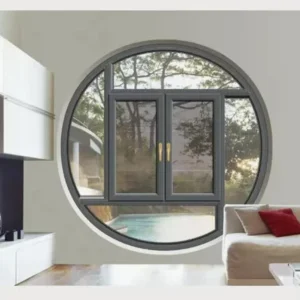
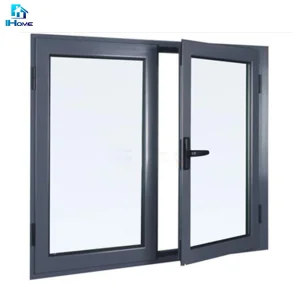
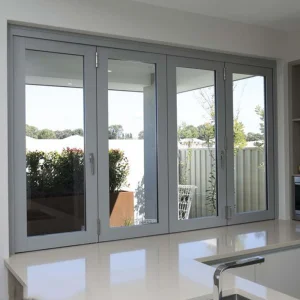
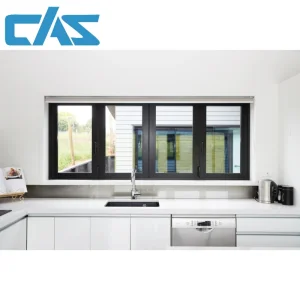
Navigating the United States architectural landscape requires strict adherence to localized building standards. The US Eastern Seaboard and Gulf Coast are subject to extreme wind forces, demanding Fenestration systems that go far beyond standard load calculations. At the center of these regulations is the Florida Building Code (FBC), which defines the benchmarks for structural engineering in hurricane-prone zones.
Specifically, the High Velocity Hurricane Zone (HVHZ) guidelines, active in Miami-Dade and Broward counties, mandate that all structural glazing survive rigorous missile impact tests. To achieve compliance, fenestration products must undergo testing in line with ASTM E1886 (resistance to wind-borne debris) and ASTM E1996 (performance under cyclic pressure testing). These tests simulate the impact of flying lumber (e.g., a 9-pound 2x4 stud shot at 50 feet per second) followed by thousands of pressure cycles representing hurricane wind loads.
By specifying architectural systems certified to these levels, developers mitigate structural liability, lower building insurance premiums, and guarantee occupant safety in High-Velocity zones.
In response to changing energy performance codes and structural requirements across the US (such as ASHRAE 90.1 and IECC regulations), modern impact-resistant window design has evolved. This evolution is defined by three key engineering breakthroughs:
Utilizing primary aluminum extrusions with T6 temper ensures maximum yield strength, enabling structural profiles to resist severe deflection under negative wind pressure.
Compared to standard PVB, SentryGlas® Plus (SGP) interlayers are 5 times tear-resistant and 100 times stiffer, ensuring structural integrity even if the glass fractures.
Reinforced polyamide (PA66 GF25) thermal breaks isolate the interior profile, lowering U-factors to meet strict Energy Star requirements without sacrificing wind load capacity.
This multi-layered approach ensures that high-rise commercial structures and coastal residential estates remain protected from wind-borne debris while maintaining high energy efficiency and structural stability.
| Performance Indicator | Standard Configuration | Premium Impact System | Applicable US Test Standard |
|---|---|---|---|
| Design Pressure (DP) | DP 35 - DP 50 | DP 70 - DP 100+ | ASTM E330 / AAMA 101 |
| Air Infiltration | < 0.30 cfm/sq.ft | < 0.10 cfm/sq.ft | ASTM E283 |
| Water Penetration | 7.5 psf (360 Pa) | 15.0 psf (720 Pa) | ASTM E331 / ASTM E547 |
| U-Factor (Thermal) | 0.48 - 0.55 BTU/h·ft²·°F | 0.28 - 0.38 BTU/h·ft²·°F | NFRC 100 / 200 |
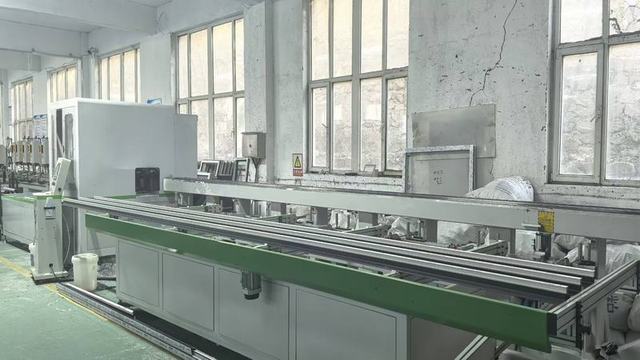
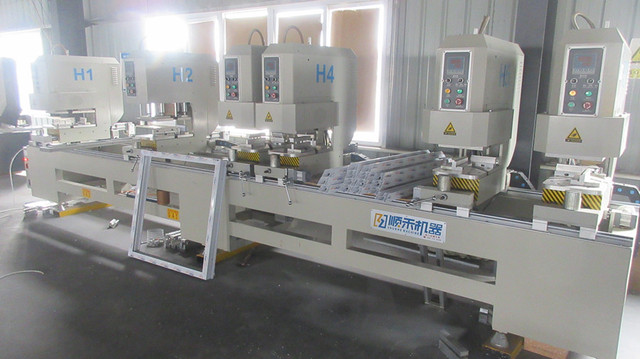
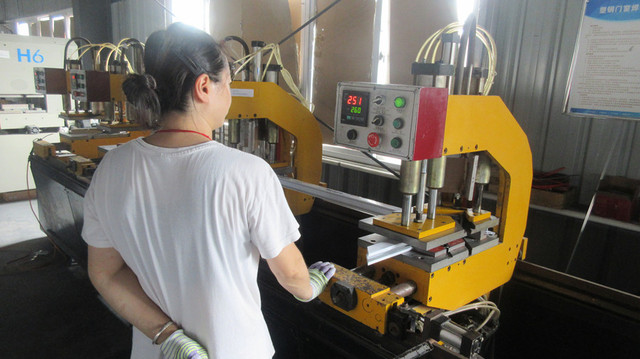
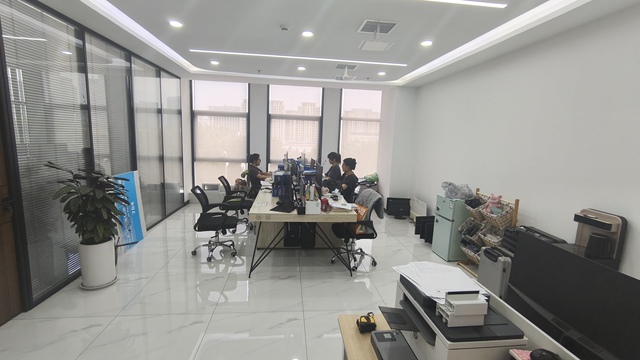
Based in Foshan, Guangdong—the global manufacturing hub for architectural aluminum and building materials—Foshan ORM Windows Co., Ltd. offers a highly integrated supply chain. With a state-of-the-art facility spanning over 20,000 square meters and staffed by more than 280 skilled professionals, ORM Windows combines precision design, engineering, and manufacturing under one roof.
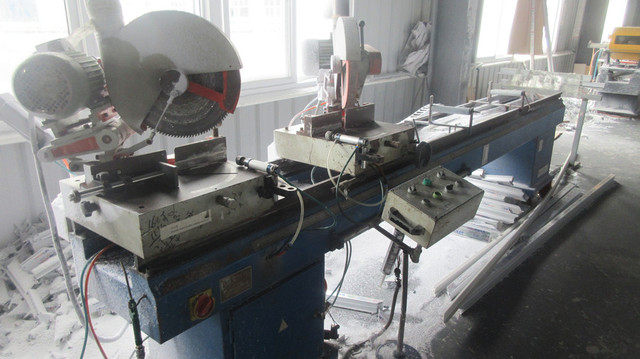
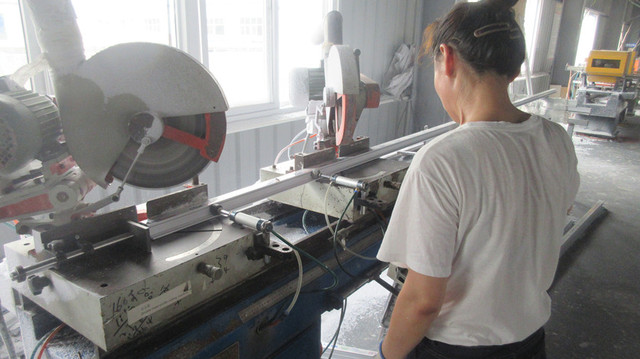
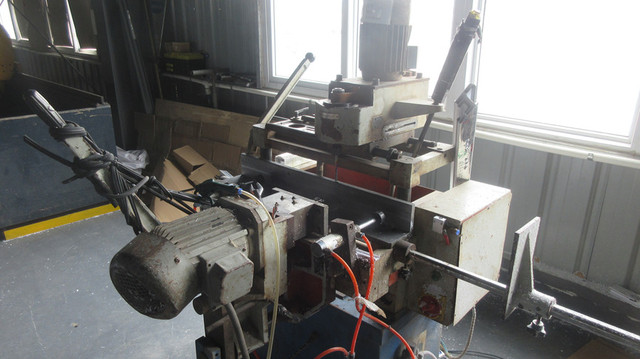
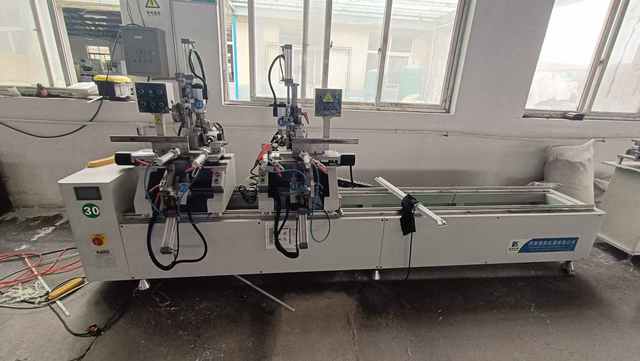
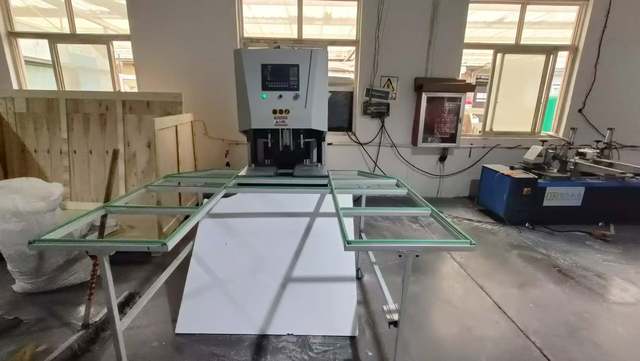
Our raw material sourcing benefits from local industrial ecosystems, allowing us to source premium 6063-T6 aluminum alloys and high-grade glazing materials at optimized price-to-performance ratios. Combined with automated CNC cutting, double-head precision miter saws, and assembly workflows, ORM Windows ensures consistent quality control throughout production.
For US importers, distributors, and developers, this translation of vertical manufacturing means optimized lead times, highly customizable design options, and direct cost efficiencies that help projects stay on budget and on schedule.
Impact-resistant aluminum fenestration systems are no longer limited to high-end coastal villas in South Florida. With changing weather patterns globally, high-capacity storm windows are increasingly specified for mid-to-high-rise residential developments, commercial hospitality projects along the Gulf and Atlantic coasts, and critical infrastructure facilities like hospitals, schools, and command centers.
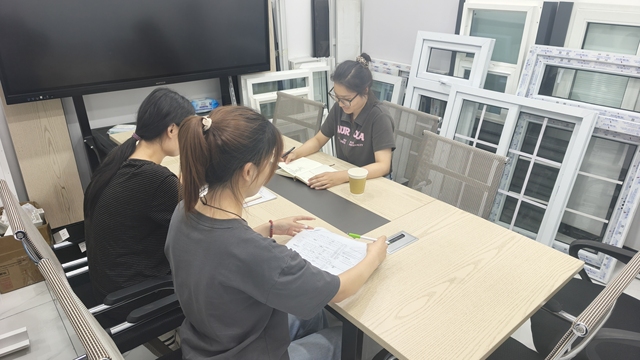
Recognizing the complex logistical challenges of international shipping, ORM Windows has established robust supply-chain protocols to handle shipping to the US. Our engineering team provides detailed CAD shop drawings and BIM models for US structural engineers and building departments to streamline local permitting.
For safe transport, products are packed in ISPM 15 certified solid wood A-frame crates, protecting frames and glass during transport. We offer complete support for US customs clearance, ocean freight logistics, and door-to-port or door-to-jobsite delivery services, ensuring a smooth path from factory to job site.
Get in touch with our engineering team for custom architectural specifications, structural shop drawings, and competitive manufacturing quotes tailored for the United States market.
 ORM Windows