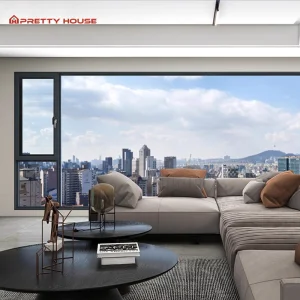
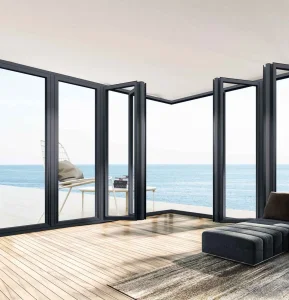
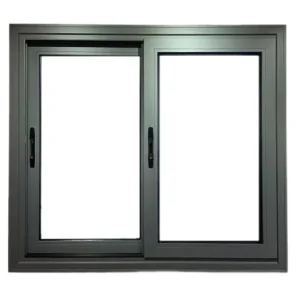
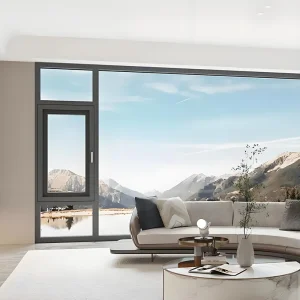
Specially engineered residential aluminum systems customized for architectural resilience across Indian coastal, tropical, and sub-continental urban developments.
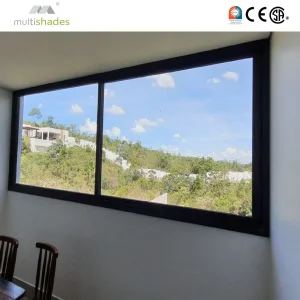
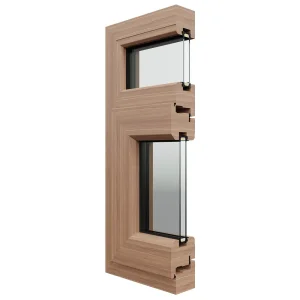
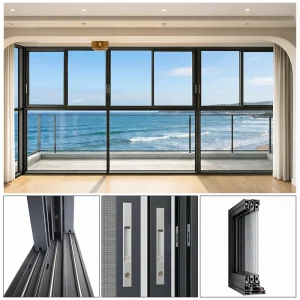
Unpacking the rapid architectural shift, climatic engineering demands, and regulatory evolution shaping the premium building materials market in India.
India is undergoing an unprecedented infrastructure boom. Rapid urbanization across Tier 1 cities like the Mumbai Metropolitan Region (MMR), New Delhi NCR, Bangalore, Pune, Hyderabad, and Chennai has fueled a massive surge in high-rise luxury residential developments. Modern Indian homeowners and project developers are shifting rapidly from traditional timber frames and low-quality uPVC systems to premium structural-grade architectural aluminum windows.
This transition is driven by structural and aesthetic imperatives. Slim sightlines allow maximum natural daylight, aligning with contemporary architectural sensibilities. More importantly, high-density residential towers demand building envelopes that can withstand severe structural stress and high wind loads, especially at heights exceeding 100 meters.
India's geography features unique climatic extremes. The coastal belts of Maharashtra, Karnataka, Kerala, Goa, and Tamil Nadu face heavy monsoon downpours and high atmospheric salinity, which causes accelerated corrosion in low-grade hardware. Conversely, northern and central inland regions experience extreme temperature swings, rising from 4°C in winter to over 48°C in peak summer.
Standard window profiles frequently warp, peel, or leak under these demanding conditions. Specialized engineering is required. High-performance aluminum profiles treated with PVDF (Polyvinylidene Fluoride) or marine-grade powder coatings provide optimal UV and salt-spray resistance, keeping the structural frame stable for decades.
How premium window manufacturers design systems that comply with both global criteria and the Bureau of Indian Standards (BIS).
In the premium residential sector, importing window systems requires careful alignment with local structural codes. The primary technical guideline in India is the IS 875 (Part 3) Code of Practice for Design Loads for Buildings and Structures. This standard defines wind pressure zones across the subcontinent. For instance, high-wind coastal zones require windows to handle design wind pressures exceeding 2.5 kPa without structural failure or permanent deflection (limiting deflection to L/175 of the span).
| Engineering Property | Standard Requirement (India Zone III/IV) | Foshan ORM Window Systems Value | Testing Protocol |
|---|---|---|---|
| Aluminum Alloy Selection | Architectural Grade 6063-T5 / T6 | 6063-T5 & T6 High-Tensile Extrusions | GB/T 5237 / ASTM B221 |
| Wind Load Resistance | Up to 2.0 kPa (Coastal Zone 4) | Passed up to 3.0 kPa (High-Rise Class) | BS EN 12211 / ASTM E330 |
| Water Penetration Resistance | Zero leakage at 250 Pa static pressure | Watertight up to 450 Pa | BS EN 12208 / ASTM E331 |
| Thermal Transmittance (U-Value) | < 3.0 W/m²K (ECBC Code Compliance) | 1.6 - 2.2 W/m²K (Thermal Break Systems) | ISO 10077-2 / ASTM C1363 |
| Acoustic Attenuation (STC) | Minimum 30 dB in high-density urban areas | 35 dB - 45 dB (Double & Triple DGU Systems) | ASTM E90 / ISO 140-3 |
| Powder Coating Durability | Minimum 60 microns thickness | 80 - 120 microns AkzoNobel Interpon / PVDF | AAMA 2604 / AAMA 2605 |
Additionally, energy efficiency is no longer optional in high-end developments. The Indian Energy Conservation Building Code (ECBC) sets strict targets for Solar Heat Gain Coefficient (SHGC) and U-values. By utilizing advanced polyamide thermal break barriers (PA66 GF25), heat transfer from the outside to the air-conditioned interior is significantly reduced. This results in direct HVAC power savings, making the investment highly economical over the building's lifecycle.
We manage the complexities of global trade, from Foshan to major ports including Nhava Sheva (Mumbai), Chennai, and Mundra.
Exporting high-value glass and architectural aluminum over thousands of miles requires specialized packaging. ORM Windows utilizes a multi-layered protection protocol:
Navigating Indian customs requires strict documentation to ensure timely clearance. ORM Windows provides complete support for all import paperwork:
Foshan ORM Windows Co., Ltd. combines precision design, advanced manufacturing, and strict quality control.
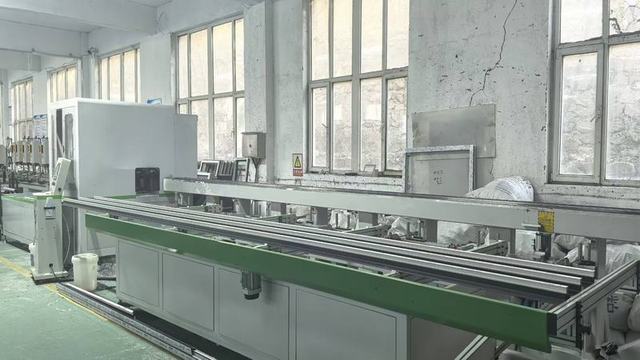
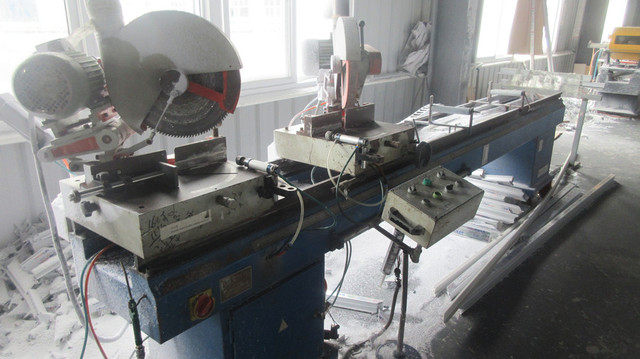
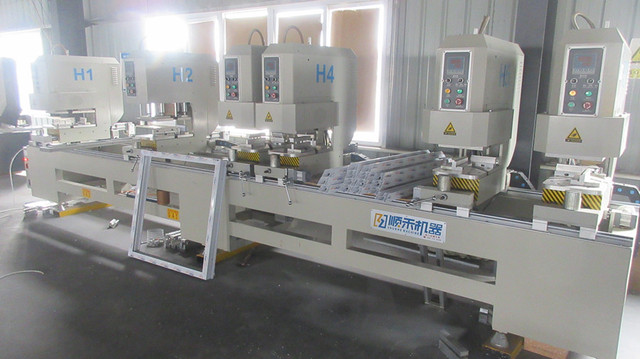
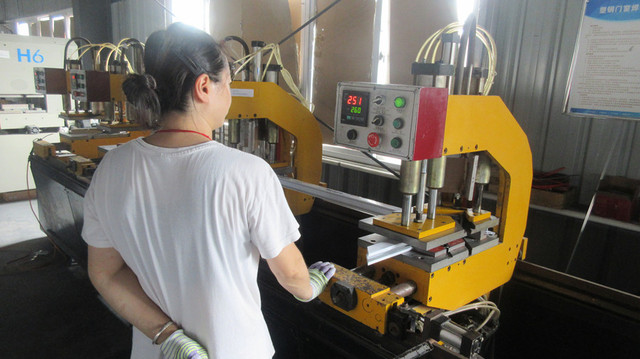
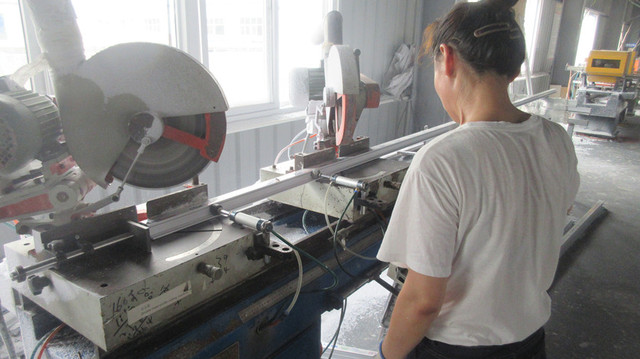
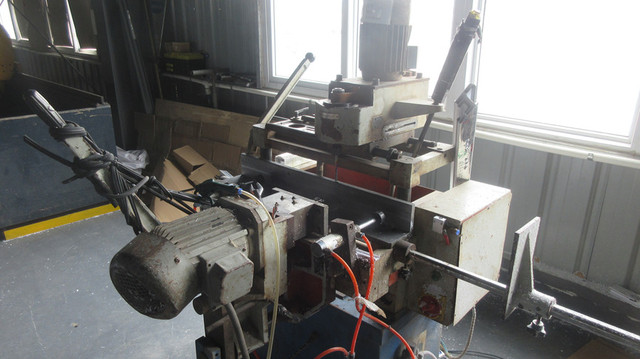
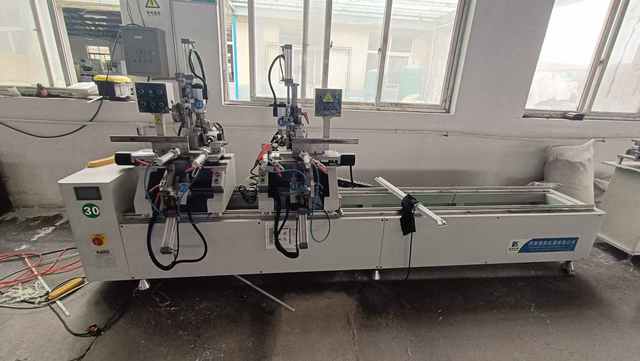
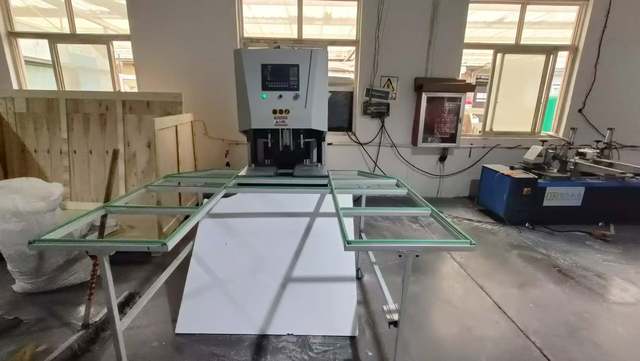
Based in Foshan, Guangdong, China—a global hub for architectural aluminum extrusion—Foshan ORM Windows Co., Ltd. has been designing and manufacturing premium aluminum window systems since 2011. Our 20,000 square meter factory is equipped with high-precision CNC machining centers, automated cutting saws, and glass assembly lines.
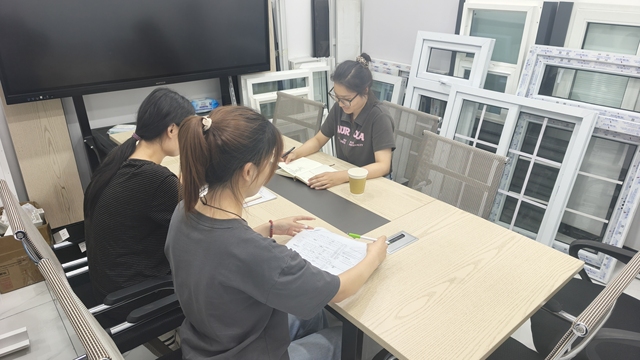
With over 280 skilled professionals, including a dedicated design and engineering team, we provide comprehensive OEM and ODM services. This allows us to tailor sizes, profile finishes, glazing options, and hardware layouts to meet specific architectural requirements.
Our quality management system oversees every step of production, from raw billet extrusion and profile design to final assembly and testing. We partner with top-tier hardware brands (such as Siegenia, Sobinco, and Hoppe) alongside our proprietary high-durability hardware systems to ensure long-term performance and reliability in hot, humid, and coastal environments.
Explore our full line of weather-resistant, thermal break, and soundproof window systems built for modern residential developments.
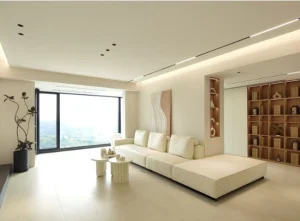
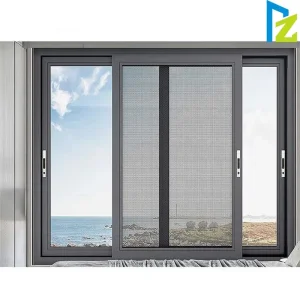
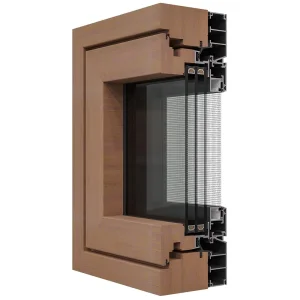
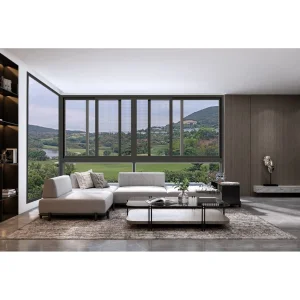
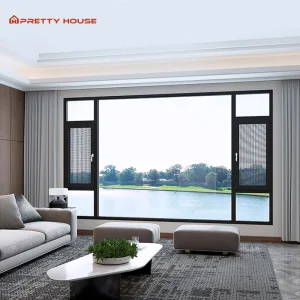
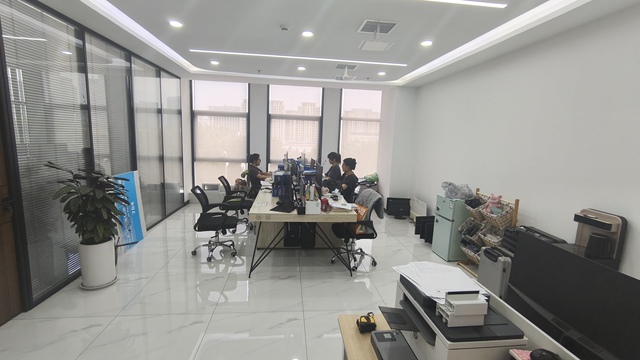
Inside our 20,000 square meter Foshan manufacturing facility, showing precision assembly, quality checks, and shipping preparation.
Detailed answers regarding technical specifications, direct import processes, shipping times, and custom solutions for Indian buyers.
Get in touch with our technical sales engineers for detailed CAD drawings, custom U-value analysis, and a competitive wholesale quote tailored to your project.
Send Inquiry Now ORM Windows