High-performance smart aluminum configurations customized to meet thermal isolation and safety specifications across regional commercial and domestic properties in Budapest, Debrecen, and Győr.
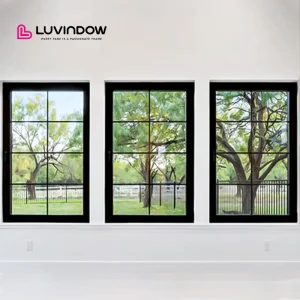
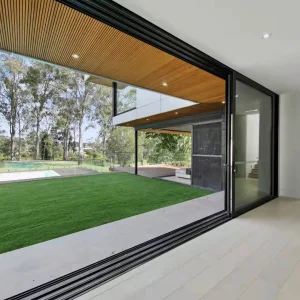
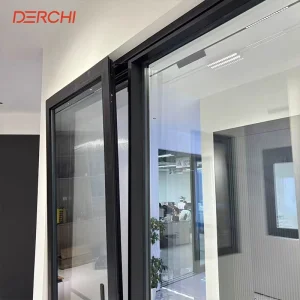
The construction and architectural landscape in Hungary is undergoing a fundamental structural transition. Driven by the European Union's Energy Performance of Buildings Directive (EPBD) and Hungary's strict national implementation under the TNM Decree 7/2006, the demand for energy-efficient building envelopes has reached an all-time high. Modern developments in major metropolitan areas such as Budapest, Debrecen, Győr, and Szeged are now legally bound to achieve nearly zero-energy building (nZEB) status. This regulatory environment mandates that external glazing components exhibit exceptionally low thermal transmittance (U-values) while maximizing solar heat gain control.
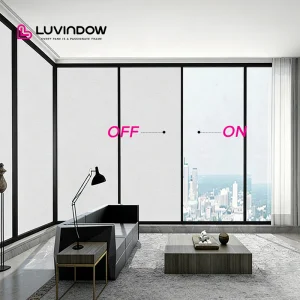
Simultaneously, the integration of smart home systems and commercial building management systems (BMS) has shifted from a premium luxury to a standard engineering requirement. Smart aluminum windows, which incorporate motorized actuators, integrated sensors, and switchable electrochromic or PDLC (Polymer Dispersed Liquid Crystal) privacy glass, represent the frontier of this technological shift. These systems react dynamically to changing climate parameters, offering automated natural ventilation, solar shading, and thermal preservation, directly lowering HVAC load demands in Hungary's temperate continental climate characterized by hot summers and freezing winters.
To withstand wind loads, thermal stress, and acoustic challenges in high-density urban areas, modern aluminum windows must utilize advanced metallurgical and mechanical technologies. Foshan ORM Windows Co., Ltd. customizes its structural solutions for the Hungarian market using prime 6063-T5/T6 architectural aluminum alloys, engineered with multi-cavity thermal break systems. These profiles utilize polyamide PA66 GF25 insulation strips, preventing thermal bridging and maintaining structural integrity under severe weather conditions.
Key technical parameters demanded by global procurement managers in commercial and residential projects include:
Seamlessly integrates with KNX, Loxone, and Zigbee protocol networks. Remote operation, rain/wind sensors, and automated ventilation management.
Features certified PA66 thermal breaks and high-impact multi-point security locking, compliant with European RC2 and RC3 resistance classes.
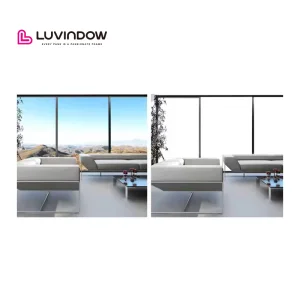
Instant privacy control transitioning from transparent to opaque in milliseconds. Minimizes ultraviolet penetration and heat radiation entry.
Procuring smart fenestration products from leading global manufacturing hubs like Foshan demands sophisticated logistics and strict quality controls. For Hungarian real estate developers and general contractors, the priority lies in sourcing high-end customized profiles that adhere to CE marking requirements while maintaining competitive unit pricing. Structural calculations, design customization (ODM/OEM), packaging integrity, and freight management are core factors that dictate project success.
By establishing direct supply corridors from Foshan ORM Windows Co., Ltd. to main European transit networks, developers mitigate intermediate markup costs. Windows are shipped using heavy-duty steel crates and protective bubble film via sea routes terminating at the Port of Koper (Slovenia) or Port of Rijeka (Croatia), followed by block trains directly into Hungarian logistics hubs like BILK Budapest. This optimized route significantly reduces transit lead times down to 35-45 days, aligning with strict project development timelines.
Leveraging over a decade of dedicated engineering expertise to deliver certified window and door solutions globally.
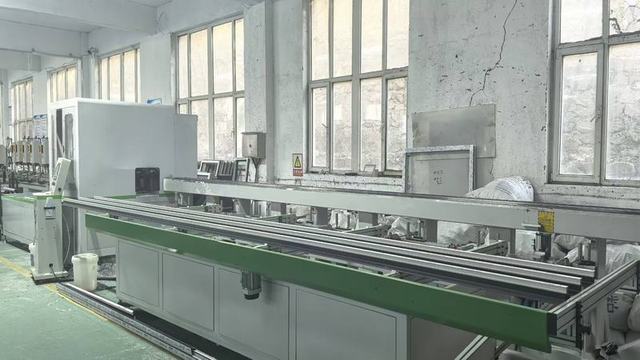
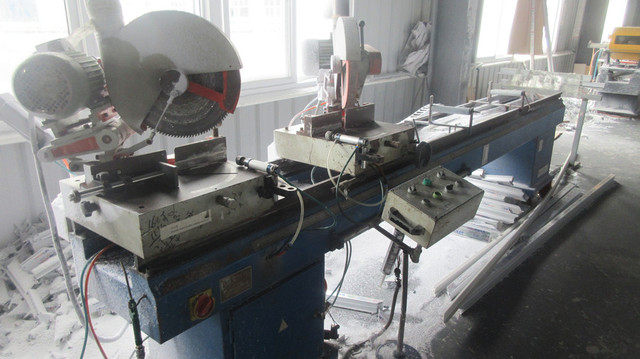
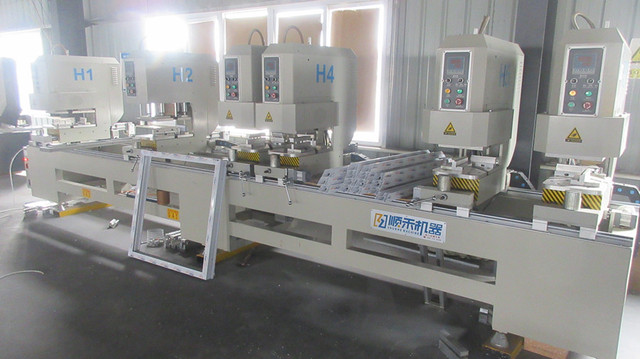
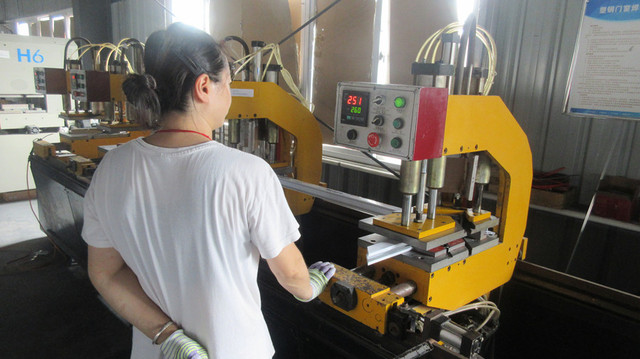
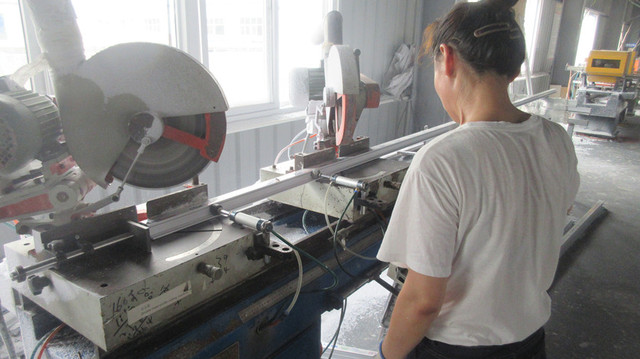
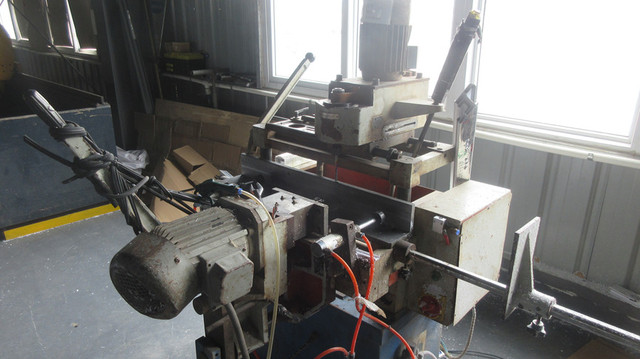
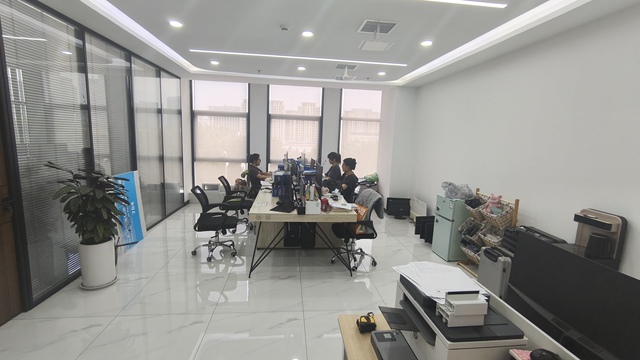
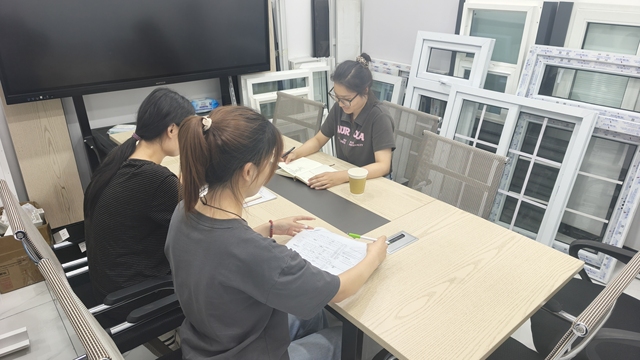
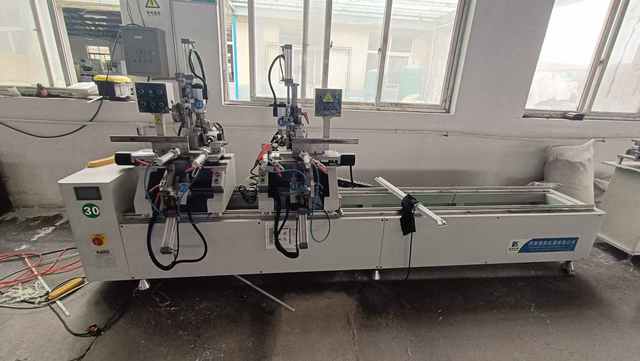
Founded in 2011, Foshan ORM Windows Co., Ltd. stands as a premier architectural aluminum manufacturer positioned in Guangdong, China—the global epicenter for advanced building materials. Our manufacturing facility spans over 20,000 square meters, utilizing automated CNC cutting lines, multi-station corner crimping machinery, and computerized double-head miter saws. These advanced machinery setups allow our 280-strong workforce to maintain strict fabrication tolerances within ±0.5mm, ensuring flawless installation alignment on site.
Our product portfolio ranges from standard residential casement and tilt-and-turn configurations to highly complex commercial structural glass curtain walls, smart skylights, and automatic lifting windows. By employing premium double-glazed and triple-glazed Low-E glass, combined with Argon gas fillings, our products achieve the low U-values required for passive house and high-energy-efficiency developments throughout Europe and North America.
For the Hungarian and wider European markets, we offer customized profile extrusion, thermal break integration, custom hardware components (including Siegenia, Roto, and GU systems), and detailed local regulatory alignment. Every batch undergoes a series of performance tests including air pressure resistance, water leakage, and mechanical endurance, establishing a highly reliable procurement channel for developers worldwide.
As smart cities emerge in the Central and Eastern European (CEE) region, the technical roadmap for smart aluminum windows focuses on decentralized intelligence, grid integration, and sustainable product lifecycles. Traditional fenestration is morphing into a functional component of the HVAC and energy-generation infrastructure. The key technology paths that ORM Windows is pioneering for industrial, commercial, and residential sectors include:
Future architectural frameworks demand that window actuators and sensor systems communicate directly with central automation networks. Standardizing interfaces to support BACnet, KNX, and Modbus systems allows smart windows to coordinate ventilation routines based on real-time indoor air quality, humidity levels, and interior/exterior temperature differences. This integration optimizes HVAC runtimes, reducing building operating costs by up to 25%.
Passive houses will transition from energy-conservation units to micro power-generation stations. By integrating thin-film organic photovoltaic cells directly into the outer glazing panels or window frames, smart windows can generate sufficient power to operate their internal motors and sensor packages independently of the building grid, eliminating the need for complex wire routing through structural walls.
Rather than simple manual or schedule-based tint shifting, next-generation smart windows will utilize machine learning algorithms that adapt to localized climate forecasts and user preferences. By predicting solar positioning and intensity, the system proactively adjusts glass tint levels to prevent solar heat loading, eliminating reliance on motorized blinds or external louvers which are prone to mechanical failure under extreme weather conditions.
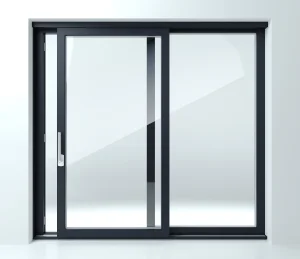
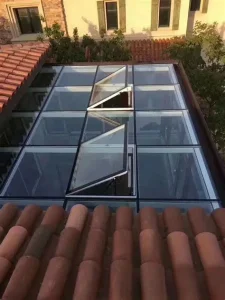
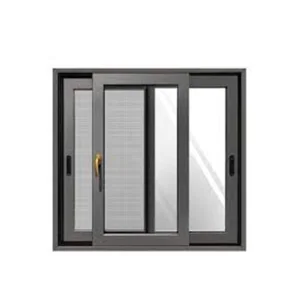
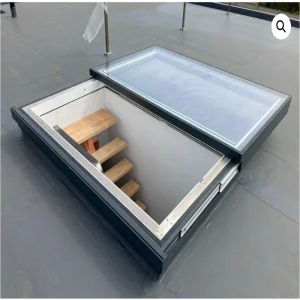
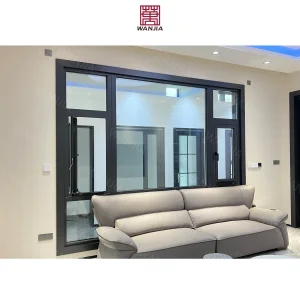
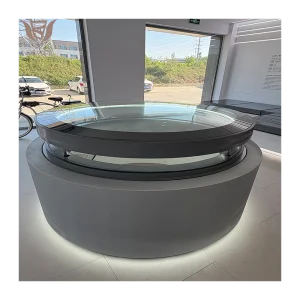
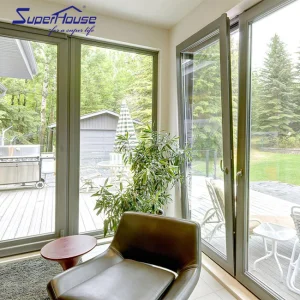
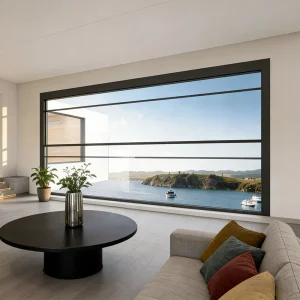
Discover our comprehensive range of specialized automatic sliding systems, privacy smart glass, thermal break windows, and customized architectural components.
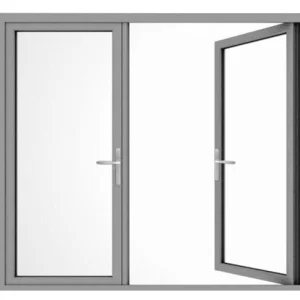
Essential insights for developers, architects, and procurement managers sourcing smart aluminum window systems for the European market.
 ORM Windows