 ORM Windows
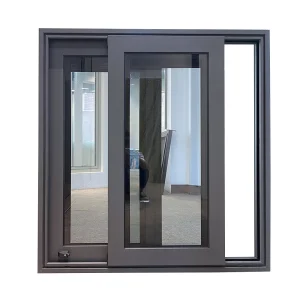
Explore our primary structural configurations designed for compliance with local NZS 4211 wind pressures and H1 thermal performance standards.
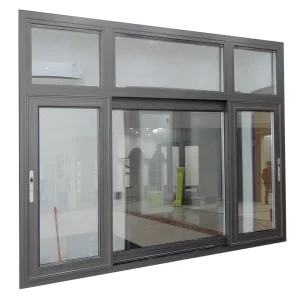
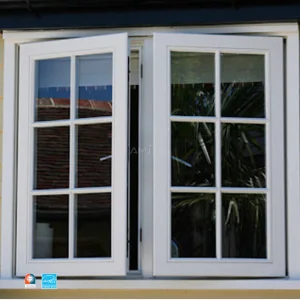
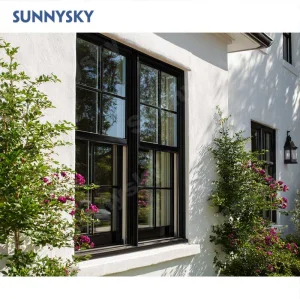
New Zealand’s built environment is undergoing its most profound transformation in a generation. Triggered by the National Policy Statement on Urban Development (NPS-UD) and the rapid intensification of major metropolitan centers like Auckland, Wellington, and Christchurch, medium-to-high density housing has become the benchmark. Terraced homes, walk-up apartments, and commercial mixed-use developments are increasingly situated adjacent to critical transportation corridors, motorways, railway networks, and flight paths. Consequently, environmental noise pollution has emerged as a premier architectural challenge, elevating soundproof aluminum windows from a premium upgrade to a critical component of code compliance and occupant well-being.
In coastal markets such as New Zealand, specifying fenestration systems involves managing highly dynamic physical parameters. Standard acoustic glazing solutions often fail to handle the high wind loads and salt spray exposure characteristic of these environments. Structural engineers and project developers require window systems that simultaneously provide high weighted sound reduction indexes (Rw), manage extreme wind pressures under NZS 4211:2008, and offer exceptional durability against marine corrosion. For offshore manufacturers exporting to New Zealand, this requires a deep understanding of local building dynamics, regional material performance standards, and precise, documented compliance paths.
Engineering aluminum profiles to withstand Wind Zones from Medium to Extra High (up to 2130 Pa design pressure) and Specific Engineering Design (SED) projects. Heavy-gauge 6063-T5 aluminum extrusions prevent deflection under sustained coastal wind loads.
Achieving Sound Transmission Class (STC) and Rw ratings from 35dB to 48dB. Precision engineering utilizing asymmetric double glazing and multi-layer laminated PVB acoustic interlayers dampens external noise at critical frequencies.
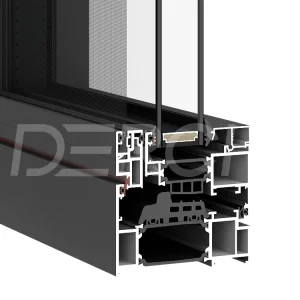
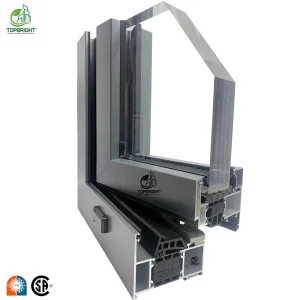
Conforming to the latest H1/AS1 5th edition requirements (Climate Zones 1 to 6). Integrating polyamide thermal break technology (PA66-GF25) ensures window U-values meet the mandatory R0.46 to R0.50 m²·K/W limits.
Acoustic attenuation in aluminum windows is governed by the laws of physics, specifically mass, stiffness, dampening, and cavity depth. Standard double glazing—typically composed of symmetrical glass panes (e.g., 4mm Glass + 12mm Air + 4mm Glass)—often exhibits a structural resonance at specific frequencies, allowing high-frequency traffic and low-frequency aircraft rumble to pass through easily. ORM Windows addresses this by utilizing asymmetric glass configurations, combining different glass thicknesses (e.g., 6mm outer pane and 8mm inner pane) to break up sound wave resonance patterns.
To achieve superior acoustic performance, we incorporate laminated PVB (Polyvinyl Butyral) or acoustic-grade SGP interlayers. The polymer interlayer serves as a viscoelastic dampening core that absorbs vibrational energy and converts it into heat, rather than transmitting the sound waves into the living space. When paired with high-performance warm-edge spacers, filled with argon gas, and encased in structurally sound, thermally broken aluminum chambers, our window systems provide a robust barrier to noise and heat transfer.
Below is a comparison highlighting the difference in decibel reduction when upgrading from standard residential profiles to our engineered acoustic systems:
| System Configuration | Glazing Profile Spec | Rw / STC Rating | Thermal R-Value (m²·K/W) | NZ Climate Zone Suitability |
|---|---|---|---|---|
| Standard Residential Sliding | 5mm Clear + 9A + 5mm Clear | 28 dB | R0.26 (Non-Thermal) | Non-compliant for new builds |
| ORM-Thermal Casement (H1) | 6mm Low-E + 12A + 6.38mm Laminated | 37 dB | R0.48 (Thermal Break) | Zones 1, 2, 3, 4 (Auckland, Tauranga) |
| ORM-Acoustic Pro Tilt & Turn | 8mm Tough + 16A + 10.76mm Acoustic Lam | 44 dB | R0.52 (High-Thermal) | All Zones (1-6) (Wellington, Christchurch) |
| ORM-Acoustic Max Triple Glazed | 8mm Low-E + 12A + 6mm + 12A + 8.38mm Lam | 48 dB | R0.58 (Extreme Thermal) | All Zones / High-Altitude Alpine regions |
Crucial to this acoustic integrity is the sealing mechanism. Even a tiny air gap can compromise the window’s overall acoustic performance. ORM Windows utilizes co-extruded EPDM weather gaskets in triple-seal configurations alongside multi-point locking hardware sourced from industry leaders (such as Siegenia or Roto). This hardware ensures consistent pressure across all contact boundaries, preventing sound leakage and offering high resistance to water penetration under high winds.
Deploying engineered fenestration solutions across Australia, New Zealand, North America, and Europe since 2011.
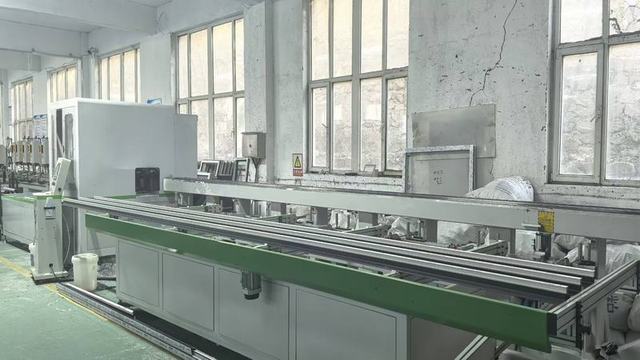
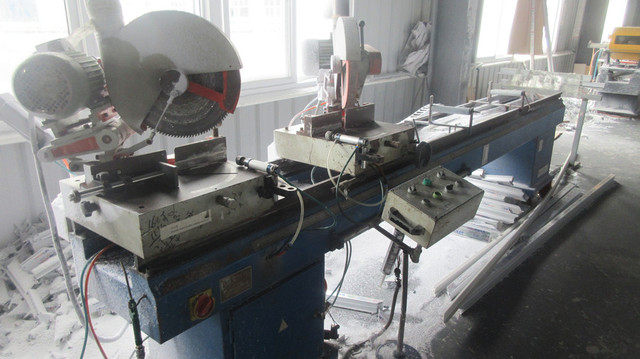
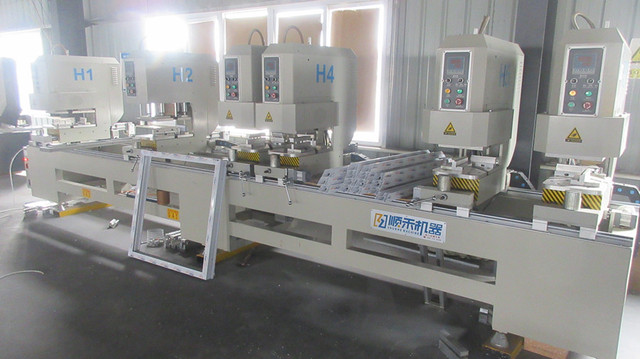
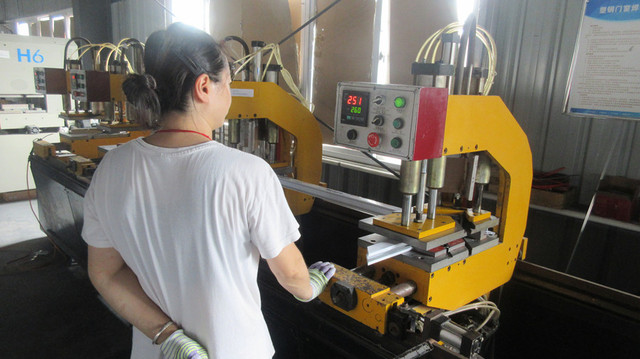
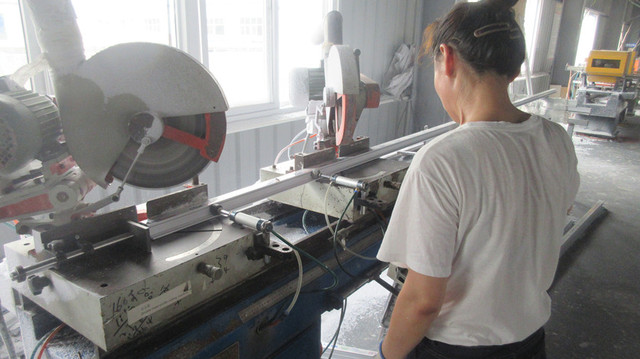
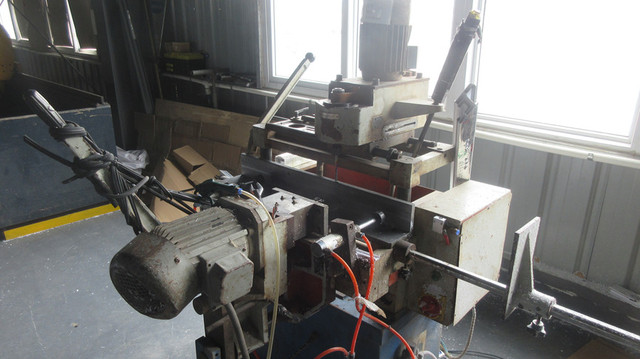
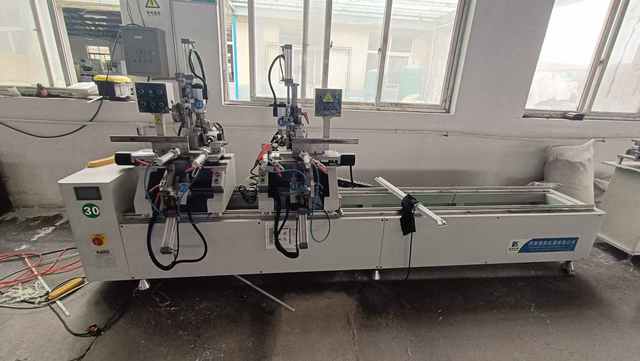
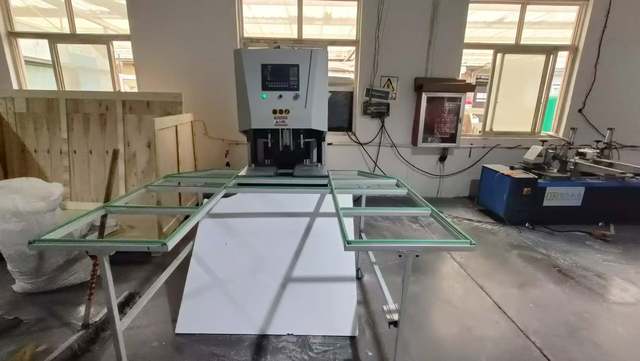
Based in Foshan, Guangdong—the global epicenter of architectural aluminum extrusions—Foshan ORM Windows Co., Ltd. operates a sophisticated Factory 4.0 production ecosystem. The 20,000-square-meter facility features automated precision machinery, including multi-axis CNC cutting centers, automatic glass cleaning and assembly lines, and robotic corner crimpers. These advanced processes ensure that tolerances are kept within fractions of a millimeter, which is essential for preserving the acoustic seal of high-attenuation products.
Our manufacturing workflow integrates raw material testing, glass processing, profile machining, structural assembly, and final testing under one roof. By controling these production phases internally, we maintain high standards of quality control and achieve cost efficiencies. Developers and main contractors in New Zealand benefit from factory-direct pricing without having to compromise on quality or performance compliance.

To ensure safe transit across trans-oceanic routes, ORM Windows employs custom packaging systems. Windows are wrapped in surface-protective film, separated by shock-absorbing foam blocks, and packed into steel-reinforced plywood crates. These crates are designed for forklift handling on New Zealand construction sites, helping to minimize handling damage and keep projects on schedule.
Importing building products into New Zealand requires adherence to strict regulatory guidelines. Under the NZ Building Code, developers must demonstrate compliance with clauses B1 (Structure), B2 (Durability), E2 (External Moisture), and H1 (Energy Efficiency). At ORM Windows, we offer comprehensive product support and compliance pathways to help streamline local council approvals:
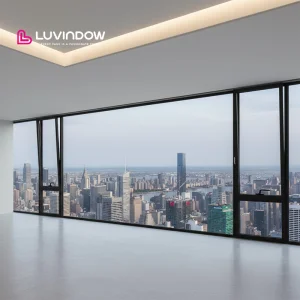
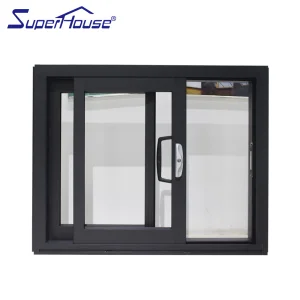
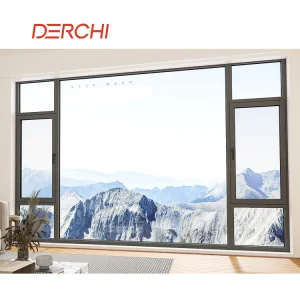
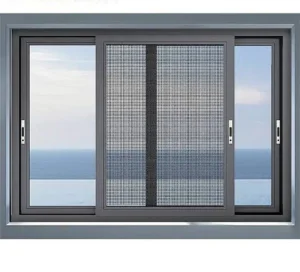
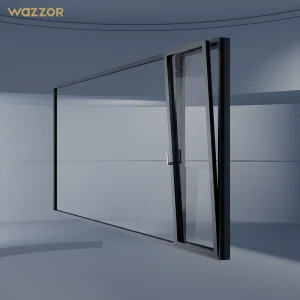
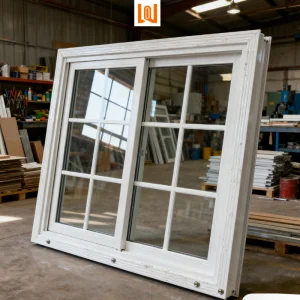
Select from our full line of soundproof and thermal break window configurations, custom-built to match architectural specs.
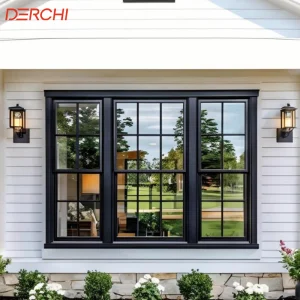
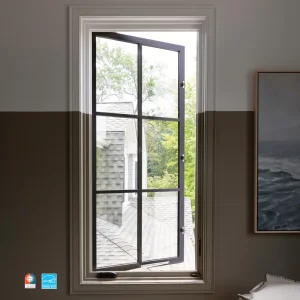
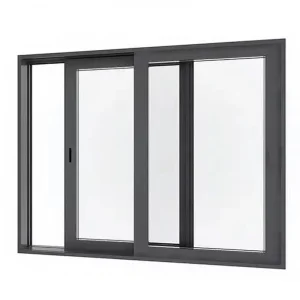
For developers, commercial builders, and volume distributors in New Zealand, the decision to import direct from a manufacturer in Foshan represents a significant opportunity to optimize project margins. However, managing the transaction risks associated with international logistics, compliance certification, and delivery timelines requires a structured procurement approach. ORM Windows addresses these issues by offering clear end-to-end support for our commercial partners:
1. Technical Consultation & Shop Drawings: Our engineering team reviews your architectural plans to produce detailed shop drawings for approval before production. This ensures that every rough opening, structural wind load requirement, and acoustic specification aligns with the building design.
2. Quality Verification Inspections: We provide full factory inspection reports, digital photo updates, and laboratory certifications for each batch of windows prior to shipping. This verification step ensures the systems meet the required quality standards before leaving the factory.
3. Logistics Coordination: Working with established freight partners, we coordinate ocean freight from Guangzhou or Shenzhen ports directly to New Zealand ports (Auckland, Tauranga, Lyttelton). We provide complete shipping documentation, including packing lists and certificates of origin, to assist with customs clearance.
Architectural elevations and acoustic specs are analyzed by ORM engineers to build shop drawings matching NZS standards.
Automated profile extrusion, CNC machining, glass lamination, and structural sealing inside our 20,000 sqm Foshan facility.
Windows are packed in steel-framed plywood crates and shipped directly to major NZ ports, ready for site installation.
Technical and logistical inquiries regarding importing acoustic aluminum windows to New Zealand.
Our windows utilize polyamide thermal break profiles (PA66-GF25) which split the internal and external aluminum frames. By incorporating Low-E double or triple glazing filled with argon gas, our systems achieve U-values that meet or exceed the H1/AS1 5th edition requirements (minimum R0.46 to R0.50 m²·K/W). We provide full thermal performance calculations to support your building consent application.
Depending on the glazing build-up, we achieve certified performance levels from Rw 35dB up to Rw 48dB. For high-density urban environments, we typically recommend an asymmetric double-glazed configuration utilizing a laminated acoustic PVB interlayer (e.g., 8mm Outer Glass + 16mm Argon Gap + 10.76mm Acoustic Laminated Inner Glass), which provides significant attenuation across both low and high frequencies.
ORM Windows conducts structural deflection, air infiltration, and water penetration testing in accordance with NZS 4211:2008 standards. Our high-performance profiles are designed to meet wind pressures up to the Extra High Wind Zone (2130 Pa design pressure) and can be custom-engineered for Specific Engineering Design (SED) projects.
Production typically takes 30 to 45 days from shop drawing approval, depending on the order volume and customization requirements. Ocean transit times from Foshan (via Guangzhou or Shenzhen ports) to New Zealand ports (Auckland/Tauranga) average between 18 and 25 days. We assist with ocean freight booking, documentation, and customs clearance support.
Yes, we offer premium surface treatments including marine-grade anodizing (minimum 20-25 microns) and high-durability PVDF powder coating complying with AAMA 2604/2605. These finishes are designed to provide long-term resistance to salt-spray corrosion, oxidation, and UV degradation in coastal coastal zones.
Get in touch with our Foshan-based technical team for a detailed review of your architectural plans, acoustic specifications, and project timeline requirements.