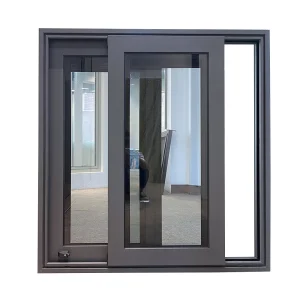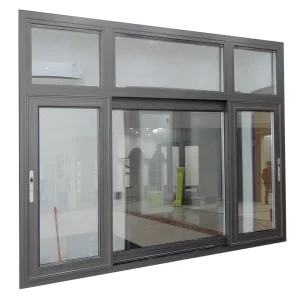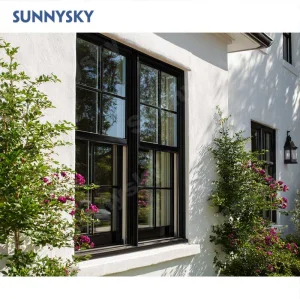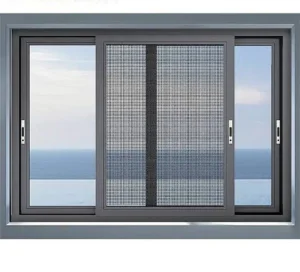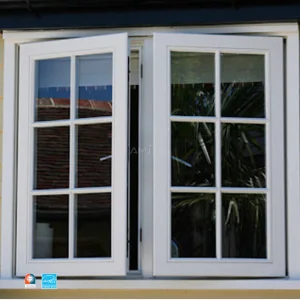
Belgium's urban centers—including Brussels, Antwerp, Ghent, and Liège—face escalating acoustic challenges from rail networks, airport flight paths (such as Brussels Airport), and dense arterial highways. The Belgian national standard NBN S 01-400-1 enforces stringent criteria for acoustic comfort in residential and commercial buildings, classifying requirements into levels of standard and superior acoustic performance.
To meet these legal frameworks, architects and project developers can no longer rely on standard double-glazing configurations. Modern building skins must achieve a Weighted Sound Reduction Index (Rw + Ctr) of at least 38dB to 48dB depending on the traffic noise exposure class.
Note for Belgian Architects: Achieving compliance requires combining asymmetrical glass thicknesses with acoustic polyvinyl butyral (PVB) laminates and multi-cavity, thermally-broken aluminum profiles. Standard symmetrical units will often fail field sound insulation tests.
Alongside soundproofing, the Belgian Energy Performance of Buildings (EPB in Flanders, PEB in Wallonia and Brussels) mandates highly strict thermal limits. High-performance aluminum profiles with polyamide thermal breaks are vital to achieve overall window thermal transmittance (Uw) values below 1.3 W/m²K, and even down to 0.8 W/m²K for Passive House designs.
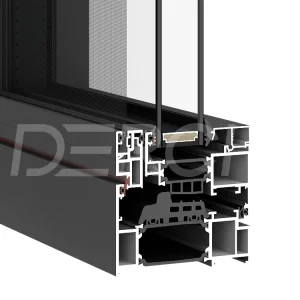
Our structural aluminum profiles are extruded from high-grade 6063-T5 alloy and feature multi-chamber thermal breaks engineered to resist Belgium's humid, marine-temperate climate, ensuring long-term structural integrity against high wind loads along the Belgian coast (Ostend, Knokke-Heist).
Foshan, located in Guangdong Province, is the undisputed global hub for architectural aluminum extrusion. sourcing from a specialized manufacturer like Foshan ORM Windows Co., Ltd. offers Belgian commercial contractors, real estate developers, and local window distributors a distinct competitive advantage in both material cost and technical customization.
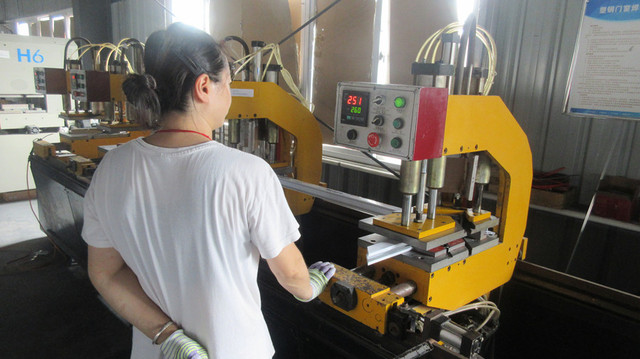
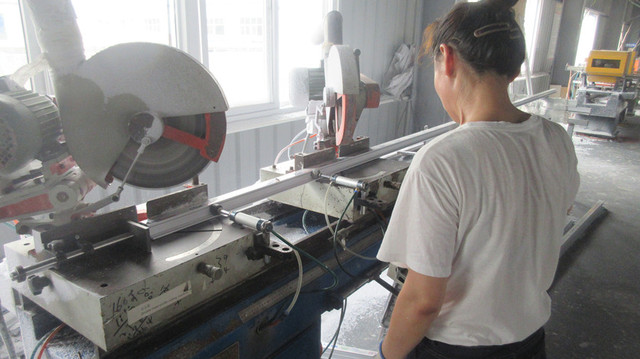
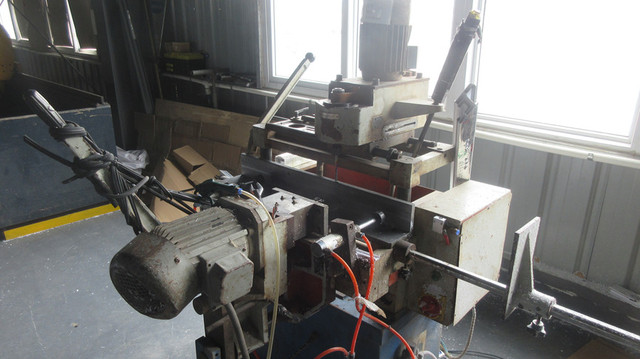
Established in 2011, ORM Windows combines advanced German-engineered CNC machining centers with extensive scaling economies. Our 20,000+ square meter factory operates under strict ISO 9001 and CE protocols, guaranteeing that every batch of aluminum windows exported to the Port of Antwerp aligns with European harmonized standard EN 14351-1.
Every phase of our production—from profile extrusion, surface treatment (Qualicoat-certified powder coating or anodizing), to automated glass assembly—undergoes meticulous verification. The integration of premium hardware brands like Sobinco (made in Belgium) or GU and Siegenia from Germany guarantees smooth operation and long-term durability.
- Facility: 20,000+ sqm state-of-the-art production base.
- Workforce: 280+ highly skilled structural engineers and fabricators.
- Main Markets: Western Europe, North America, Oceania.
- Testing Certs: CE, NFRC, AAMA, AS2047.
- Logistics Integration: Direct container transport from Foshan to Antwerp/Zeebrugge ports.
By working with ORM Windows, Belgian partners bypass traditional multi-tiered domestic distribution networks, receiving factory-direct pricing without sacrificing strict engineering requirements. We provide complete structural engineering drawings, wind load calculations, and acoustic simulation models prior to production.
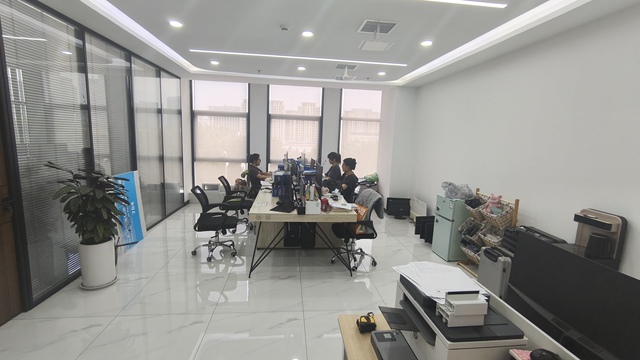
A visual overview of our advanced extrusion, glazing, hardware testing, and packaging processes in Foshan.
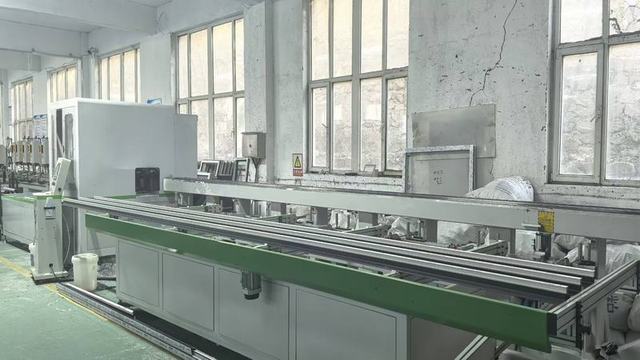
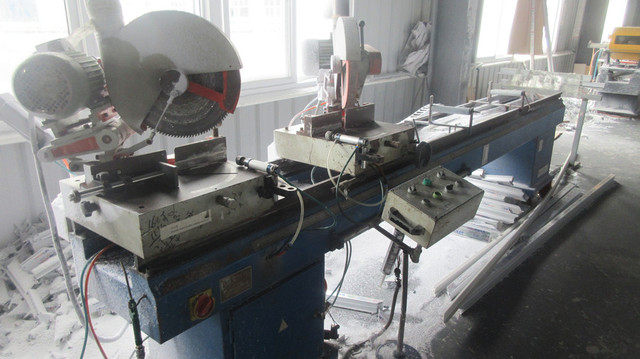
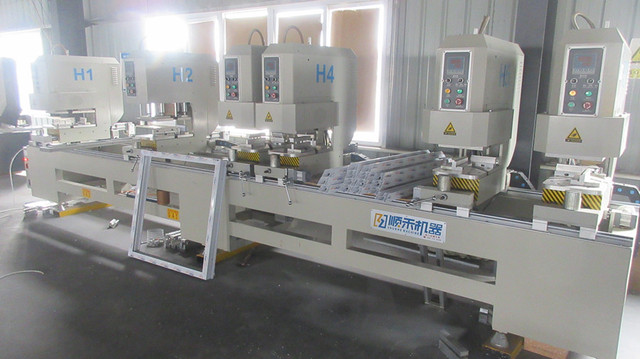
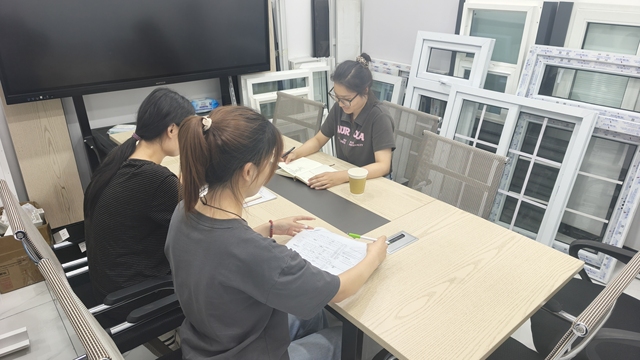
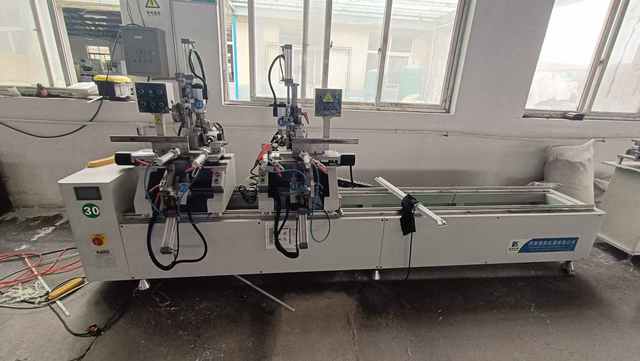
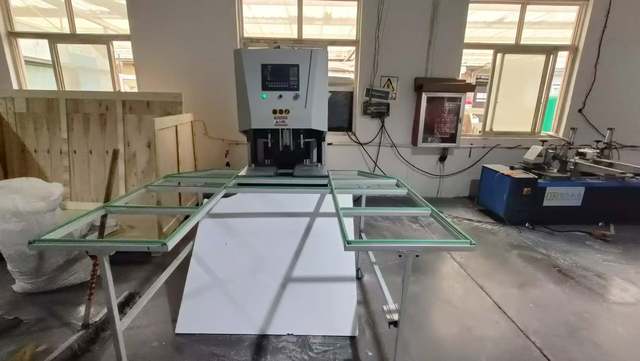
Choosing the correct glass buildup is critical to address specific noise spectra (railway vs. airport vs. urban traffic).
| Glazing System Profile | Acoustic Rating (Rw) | Typical Glass Build-up (mm) | Thermal Value (Ug) | Ideal Application Scenario |
|---|---|---|---|---|
| Standard Double Glazed | ~31 - 33 dB | 4 Temp - 16Ar - 4 Temp | 1.1 W/m²K | Quiet suburban zones in Wallonia with low traffic density. |
| Asymmetric Double Glazed | ~36 - 38 dB | 6 Temp - 15Ar - 4 Temp | 1.1 W/m²K | Urban residential areas, medium traffic exposure near Ghent center. |
| Acoustic Laminated Double Glazed | ~40 - 43 dB | 6 Temp - 12Ar - 4 + 0.76PVB + 4 Acoustic | 1.2 W/m²K | Major urban ring roads (Brussels R0, Antwerp R1) facing heavy vehicle flow. |
| Triple Glazed Acoustic Laminated | ~45 - 48 dB+ | 6 Acoustic Lami - 12Ar - 4 - 12Ar - 4 + 0.76PVB + 4 | 0.6 W/m²K | High-rise apartments near Brussels Airport or rail lines requiring passive standards. |
Challenge: Multi-family high-rise located adjacent to active rail corridors and heavy canal traffic. Standard windows did not comply with NBN S 01-400-1 Level 1 (acoustic comfort).
Solution: Custom ORM-90 Series Tilt & Turn thermal break windows featuring 45dB acoustic laminated glass. Complete structural engineering integration with local facade contractors.
Result: Interior noise levels dropped below 30dBA, achieving full municipal compliance.
Challenge: Offices subjected to extreme wind loads and continuous heavy container truck traffic.
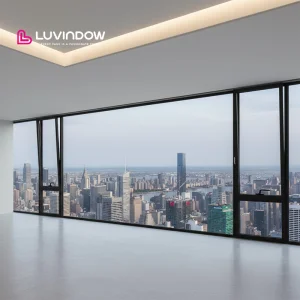
Solution: Structurally reinforced structural glass wall elements and heavy-duty sliding windows engineered with 1.6mm wall-thickness aluminum frames and asymmetric tempered double glazing.
Result: Exceeded EN Class 4 wind resistance tests and delivered comfortable interior workspace acoustics.
Challenge: Architectural villa targeting passive house standards while situated near a high-speed regional expressway.
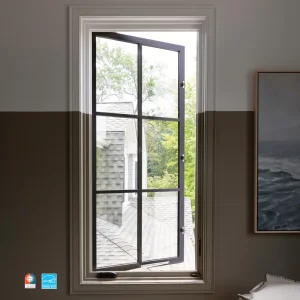
Solution: Triple-glazed casement windows with Low-E coatings, warm edge spacers, and argon gas fill, paired with custom RAL 7016 Anthracite Grey powder coating.
Result: Overall Uw value reached 0.82 W/m²K, providing both passive heating performance and acoustic tranquility.
Crucial technical considerations when importing soundproof aluminum windows from China to Belgium.
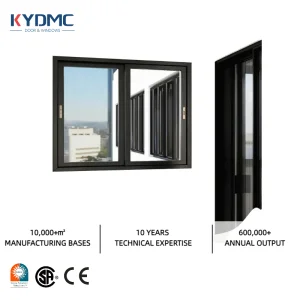
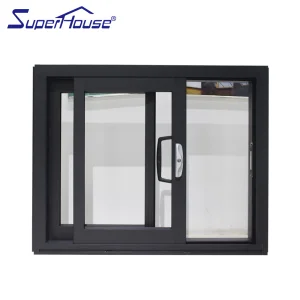
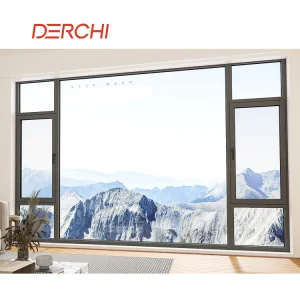
Discover our full array of structural solutions, engineered for residential and commercial projects in Belgium.
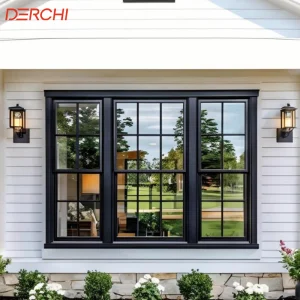
Get in touch with our Foshan factory design team to request custom CAD drawings, certified lab reports, and wholesale cost estimation.
Send Inquiry Now ORM Windows