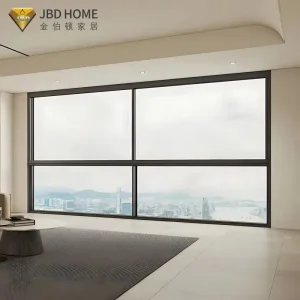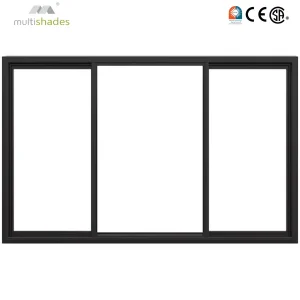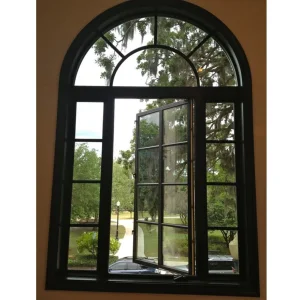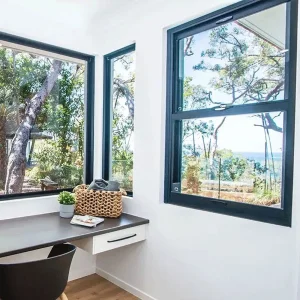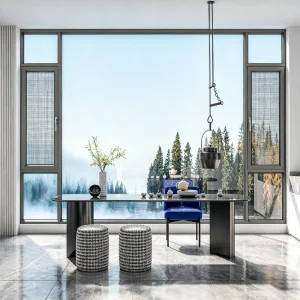
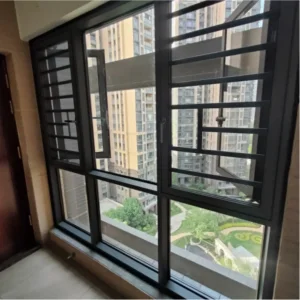
The skyline of Ethiopia, centered dynamically in Addis Ababa and spreading across rapidly expanding regional hubs like Adama, Hawassa, and Dire Dawa, is undergoing an unprecedented structural transition. Fuelled by foreign direct investments, industrial parks, and federal infrastructure initiatives, high-rise office towers, residential complexes, and luxury hotels are redefining local building standards. Consequently, modern construction in East Africa is shifting away from outdated architectural fenestrations toward highly performant, thermal-efficient structural models. With this growth, developers and government agencies have encountered the thermodynamic challenges of the local climate.
Ethiopia exhibits a wide range of climatic conditions, from the tropical, arid temperatures of the Rift Valley lowlands to the temperate highland climates of regions located over 2,000 meters above sea level. In cities like Addis Ababa, the diurnal temperature range is massive. High solar radiation during midday introduces severe heat load internally, while high altitudes result in rapid drop-offs in temperature overnight. Standard non-thermal aluminum profiles are highly conductive, leading to heat gain in the afternoon and rapid heat dissipation during cold nights. Understanding these thermal challenges, architects and engineers are shifting from standard structural frameworks to Thermal Break Aluminum Windows to stabilize indoor temperatures and minimize structural thermal bridging.
"For commercial high-rises in Addis Ababa, using non-insulated aluminum windows increases HVAC operational energy by up to 35%. Thermal break systems solve this by breaking the path of thermal conduction with polyamides."
A Thermal Break Aluminum Window utilizes a low-conductive barrier inserted directly inside the aluminum extrusion profiles. Unbroken aluminum profile structures acts as an thermal conductor, transferring heat directly between the interior and exterior elements. By splitting the extrusion into two separate inner and outer aluminum sections and joining them together using a low-conductivity material, the transfer of heat and cold is minimized. The core structural insert used in modern window profiles is PA66 GF25 (polyamide 66 reinforced with 25% fiberglass), designed to withstand structural loads and maintain alignment under severe wind-pressures.
To maximize efficiency in the African highlands, thermal break profiles must be paired with advanced glazing units. Standard configurations include double-glazed insulated glass units (IGU) utilizing low-emissivity (Low-E) coatings, filled with 90% Argon gas, and sealed with warm-edge spacers. This thermal assembly targets U-values of 1.6 W/m²·K or lower, effectively isolating the indoor climate from outdoor conditions. Furthermore, in bustling metropolitan zones, these systems double as structural sound barriers, registering high acoustic performance values (Rw ≥ 42dB) that mitigate exterior urban noise pollution.
Every commercial development requires a specialized approach depending on its occupancy profile, height, and target local compliance standards. Sourcing the correct window configuration from a reliable manufacturing factory guarantees long-term durability and structural safety. Below are the macro-level applications commonly demanded by buyers, importers, and developers in Ethiopia:
Requires structural wind pressure rating (up to 3.0 KPa) using heavy-duty thermal break sliding and casement profiles, optimizing HVAC consumption in multi-story offices.
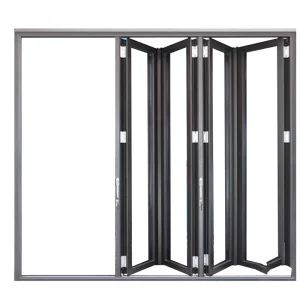
Prioritizes aesthetics and thermal properties, incorporating modern folding and bifold door systems, high-transmittance double glazing, and premium hardware systems.
Designed for universities, government hospitals, and research facilities. Requires low-maintenance double-hung and tilt-and-turn configurations with certified safety glass.
Navigating structural hardware imports to Ethiopia requires deep local knowledge. For contractors and importers, logistics and compliance are just as critical as the technical specs of the product. The primary logistics route flows from global export factories to the Port of Djibouti, followed by overland transport via the Ethio-Djibouti Railway or heavy road transport to destination terminals in Modjo Dry Port and Addis Ababa.
Compliance with the Ethiopian Standards Agency (ESA) guidelines and passing inspections by international bodies (such as SGS or Intertek for pre-export verification) is crucial. Importers must ensure all thermal break profiles carry corresponding product test reports detailing structural wind load capacities, water tightness ratings, and U-values under ASTM, EN, or AS2047 frameworks. Structuring Letter of Credit (L/C) agreements or managing CAD cash-against-document procedures requires precision; partnering with an experienced exporter ensures that shipping documents, certificates of origin, and packing lists are prepared accurately, avoiding delays at customs terminals.
When sourcing high-end architectural systems, Foshan ORM Windows Co., Ltd. serves as an expert manufacturer. Based in Foshan, Guangdong, China—the global epicenter for architectural aluminum extrusions and structural building products—ORM Windows brings over a decade of production and export expertise to developers across the globe. Since our establishment in 2011, we have built a manufacturing infrastructure designed to meet the demands of commercial, residential, and institutional developments.
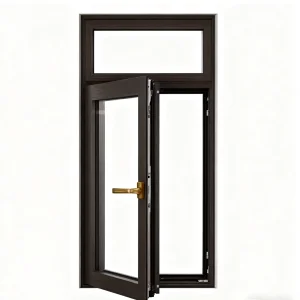
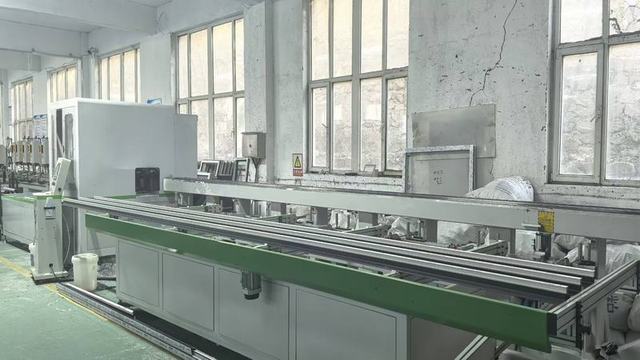
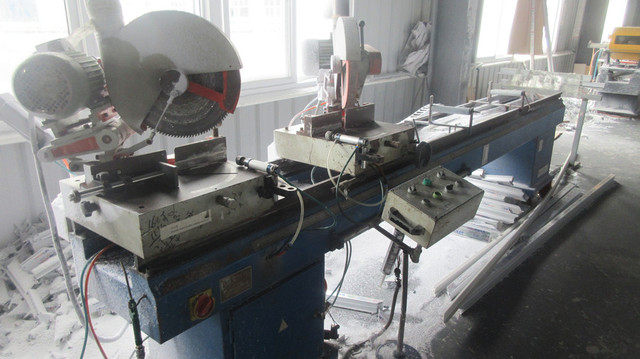
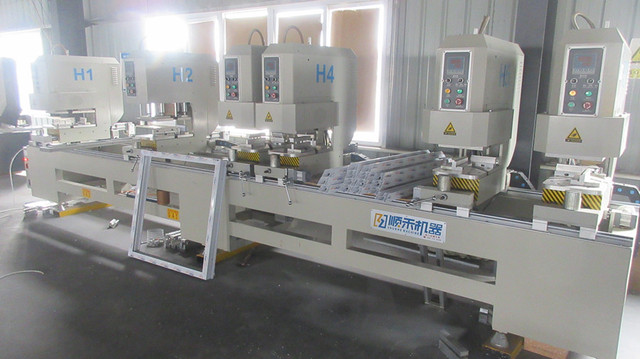
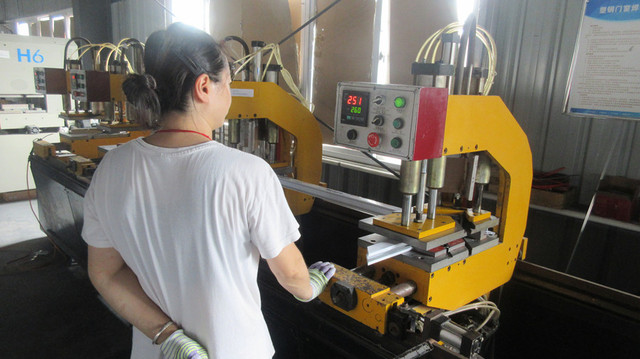
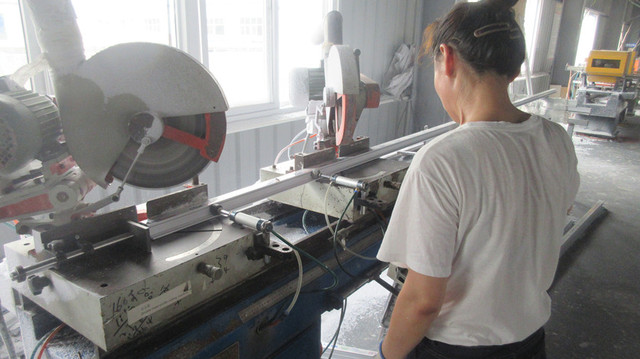
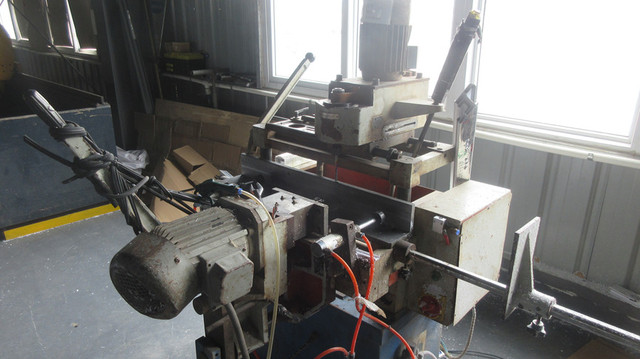
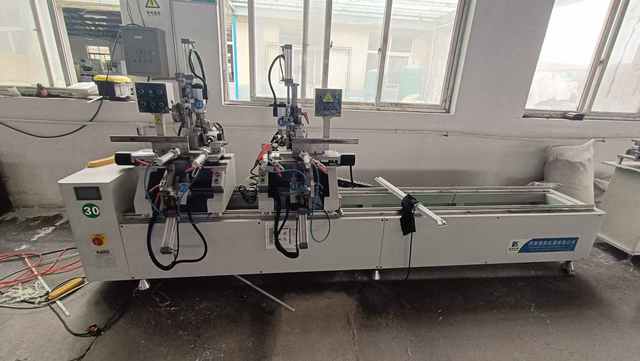
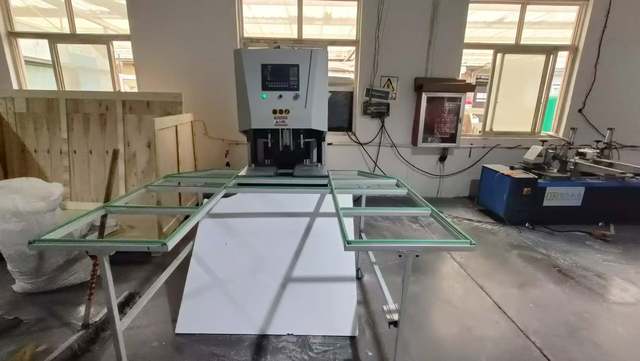
Our production facilities utilize modern manufacturing technology, including automated profile extrusion lines, precise CNC cutting machines, structural glass assembly stations, and high-performance sealing systems. This control over the fabrication cycle guarantees that every thermal break aluminum casement window, sliding system, folding door, or custom structural framing is built to precise tolerances. We offer comprehensive OEM/ODM services, allowing engineering buyers to customize aluminum alloy grades, frame coating finishes (powder coating, fluorocarbon PVDF, or anodized options), architectural glazing specifications (argon gas, Low-E, tempered safety glass), and hardware configurations.
By optimizing manufacturing operations and maintaining raw material reserves in Foshan, we offer Ethiopian developers and international procurement teams structural stability, competitive pricing, and reliable delivery times. From CAD design approval to local custom packaging and Port of Djibouti customs assistance, ORM Windows manages the supply process to ensure project deadlines are met.
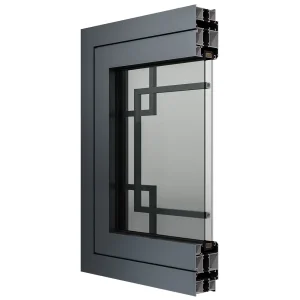
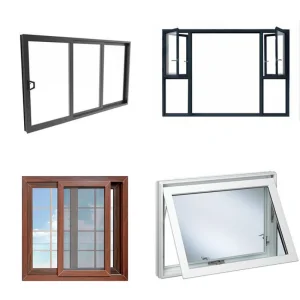
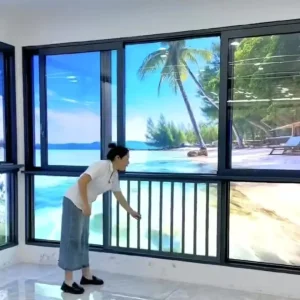
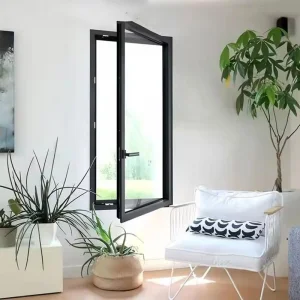
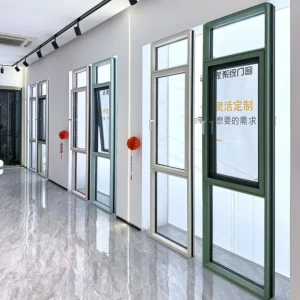
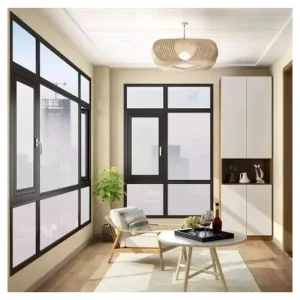
Explore our extensive range of high-efficiency aluminum window systems, customizable for size, configuration, and structural performance requirements.
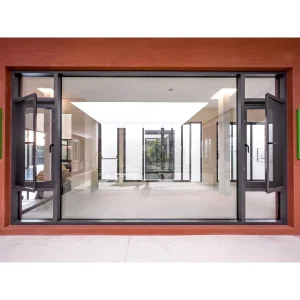
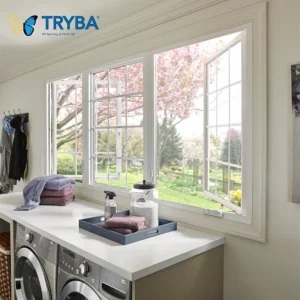
Expert engineering answers addressing the thermodynamic, structural, logistics, and compliance aspects of importing high-performance windows to East Africa.
Addis Ababa is located at over 2,200 meters elevation, presenting unique atmospheric conditions: intense solar heat loads during cloudless daytime periods, paired with cool nocturnal temperatures. Standard aluminum is highly conductive, allowing rapid daytime thermal gain and heavy nocturnal energy loss. Thermal break windows utilize polyamide inserts (like PA66 GF25) to isolate the interior and exterior aluminum profiles. This drastically reduces overall building energy consumption, lowers demand on central HVAC systems by up to 35%, prevents frame condensation, and delivers a stable, comfortable indoor climate.
The standard shipping route originates at the Foshan factory, goes to the Port of Guangzhou or Shenzhen, and sails to the Port of Djibouti. Ocean transit ranges from 18 to 25 days. Upon arrival in Djibouti, cargo is moved via the Ethio-Djibouti Railway or heavy transport trucks directly to the Modjo Dry Port or terminal points in Addis Ababa, adding 5 to 7 days. Total door-to-port duration typically falls between 30 and 40 days, excluding local custom clearance procedures inside Ethiopia.
ORM Windows collaborates closely with local engineering teams to calculate building wind load demands based on location, height, and structural design codes. We customize profile wall thicknesses (up to 2.0mm or 3.0mm for high-rise commercial installations) and integrate structural steel reinforcements where needed. All architectural windows are engineered to withstand strong wind pressures (tested up to 3.0 KPa structural pressure) to guarantee structural safety and prevent leakage in high-density urban areas.
Yes, as an OEM/ODM factory, customization is central to our production. We manufacture window systems to the exact architectural dimensions required by your project. Buyers can select from German-engineered hardware brands (such as Siegenia or Roto) or high-grade domestic systems (like Kin Long). For architectural frames, we offer a range of finishes, including premium powder coatings (RAL color chart), anodized colors, and fluorocarbon PVDF coatings designed for high UV exposure.
Our products undergo testing under various international frameworks. Depending on your project criteria, we supply products certified under Australian AS2047 standards, North American NFRC/AAMA protocols, or European CE benchmarks. These certifications cover key performance indicators, including air infiltration rates, water penetration resistance, structural safety limits, and overall U-value energy performance.
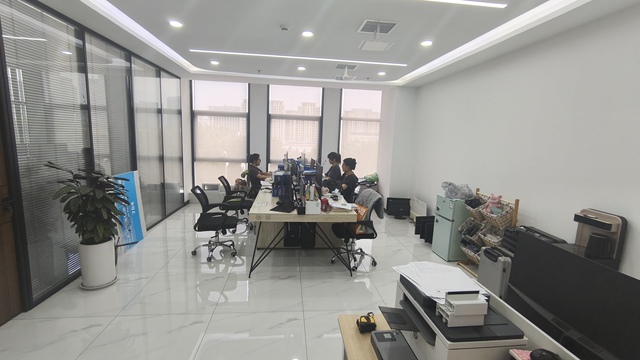
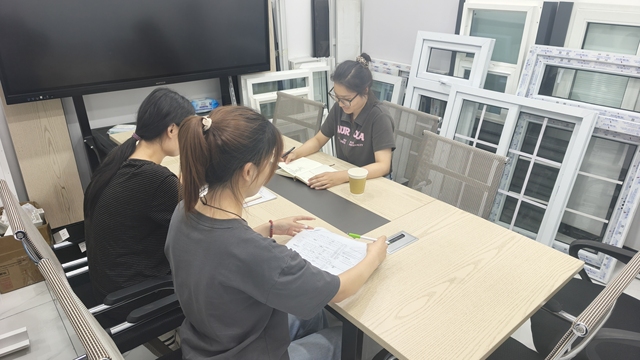
We provide comprehensive technical support, starting with detailed CAD shop drawings and 3D installation diagrams to ensure compatibility with structural openings. For installation on site, we supply step-by-step video tutorials and structural calculation documentation. Additionally, for major developments, we offer remote video support with our technical team to assist local installers throughout the structural fitting process.
 ORM Windows