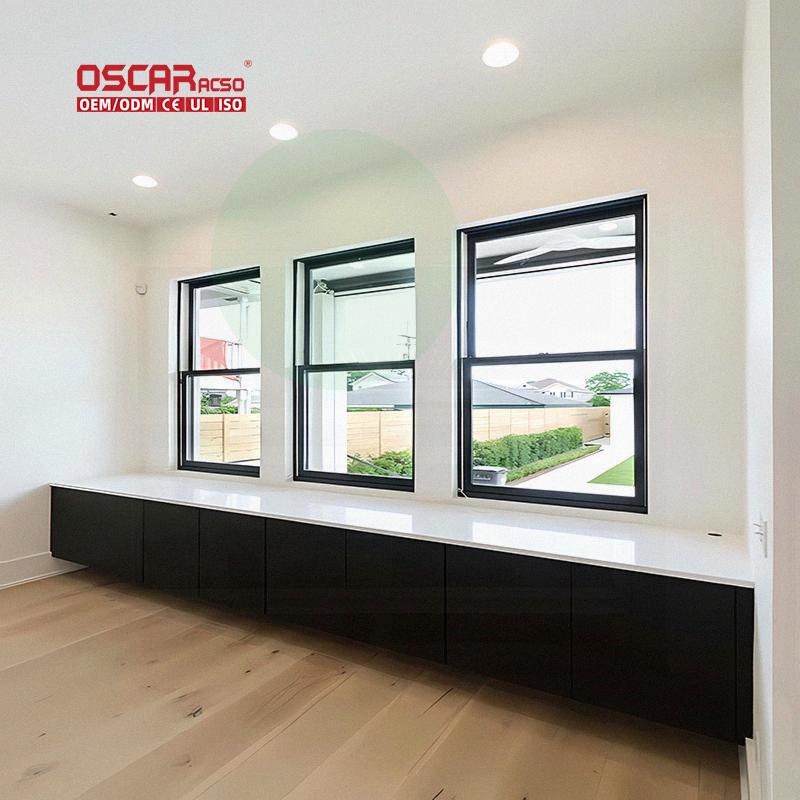
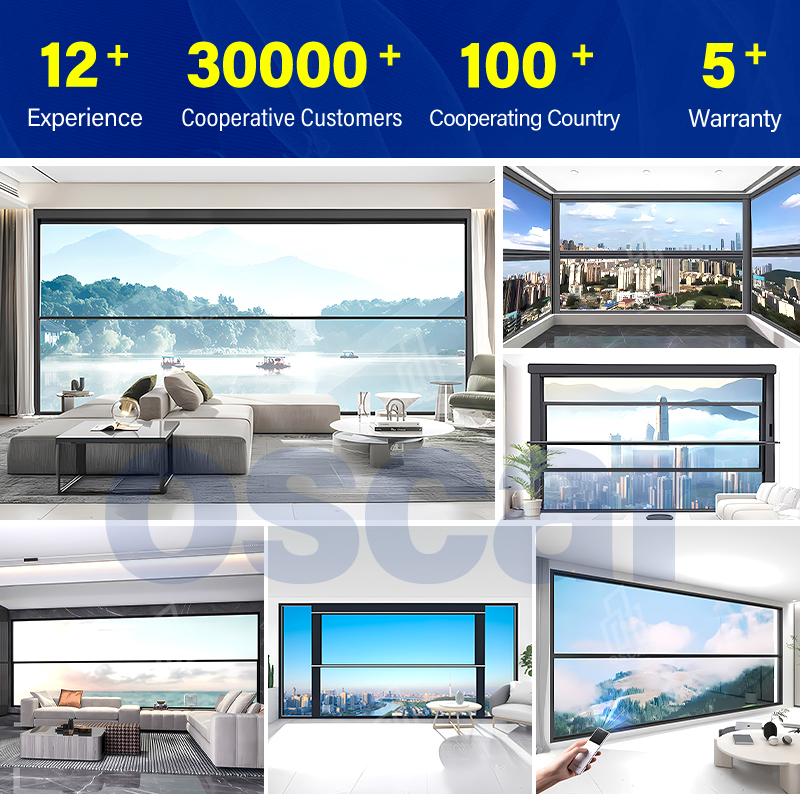
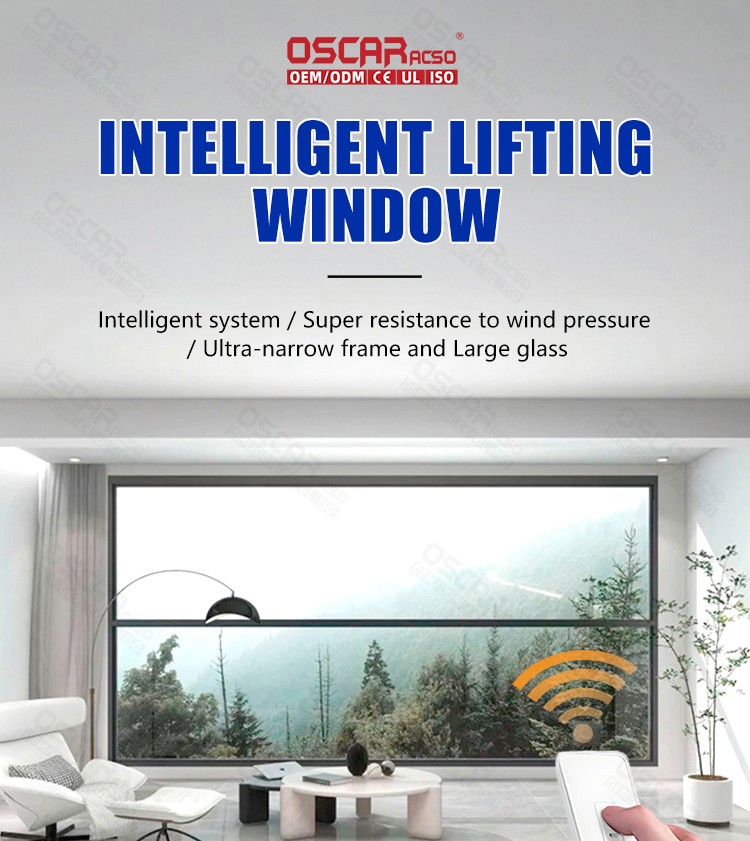
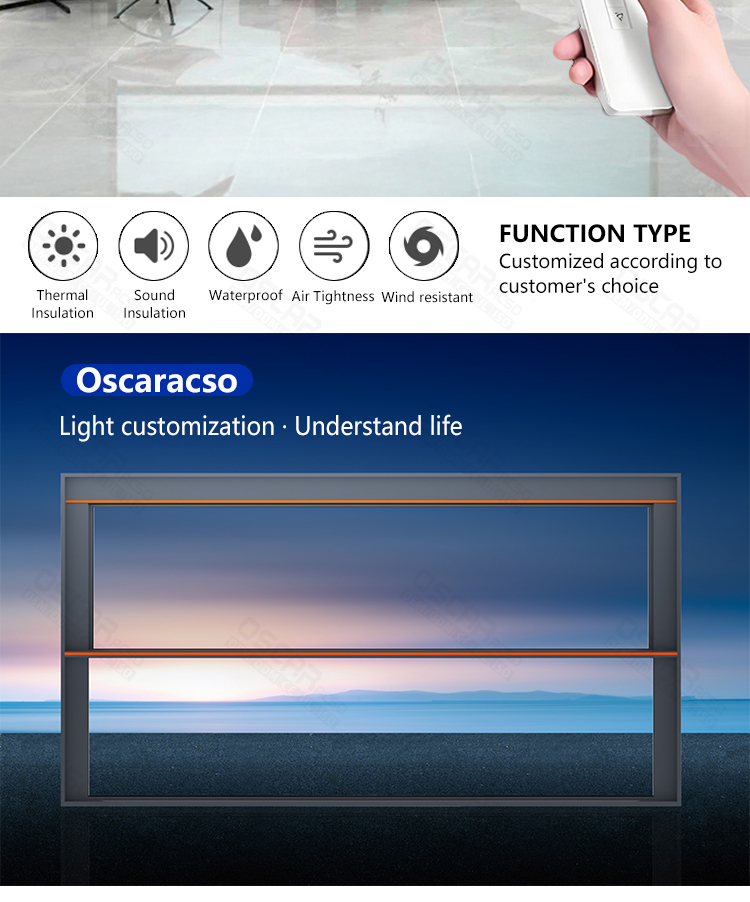
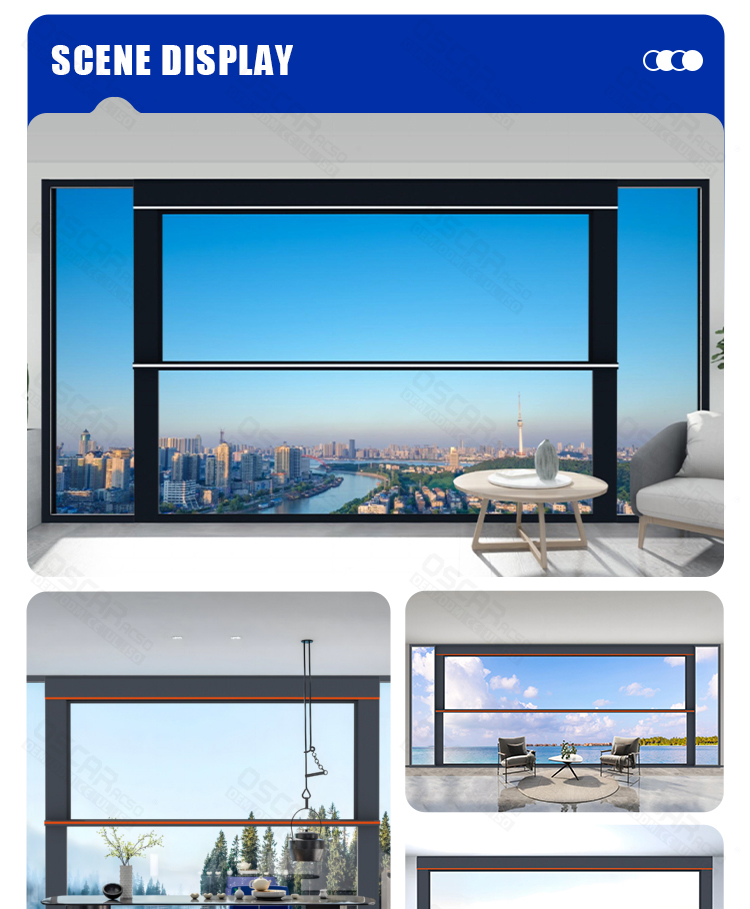
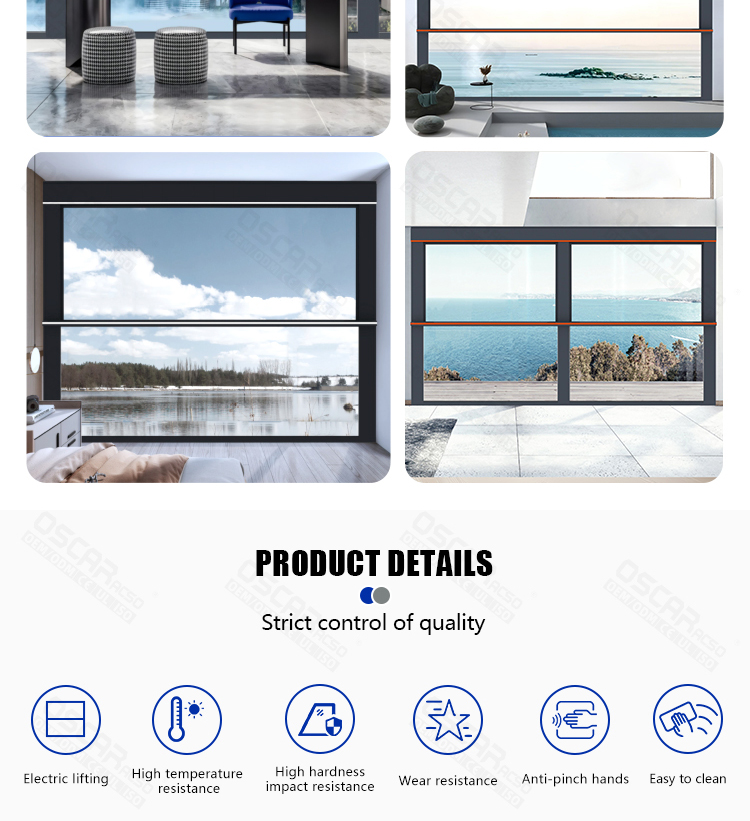
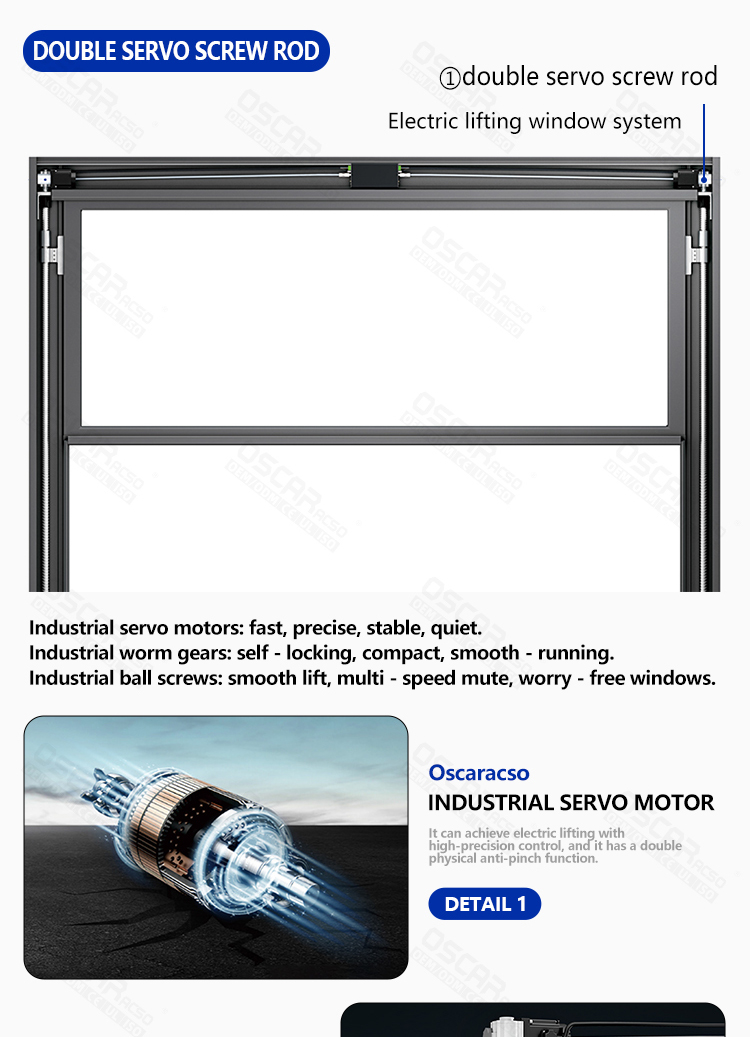
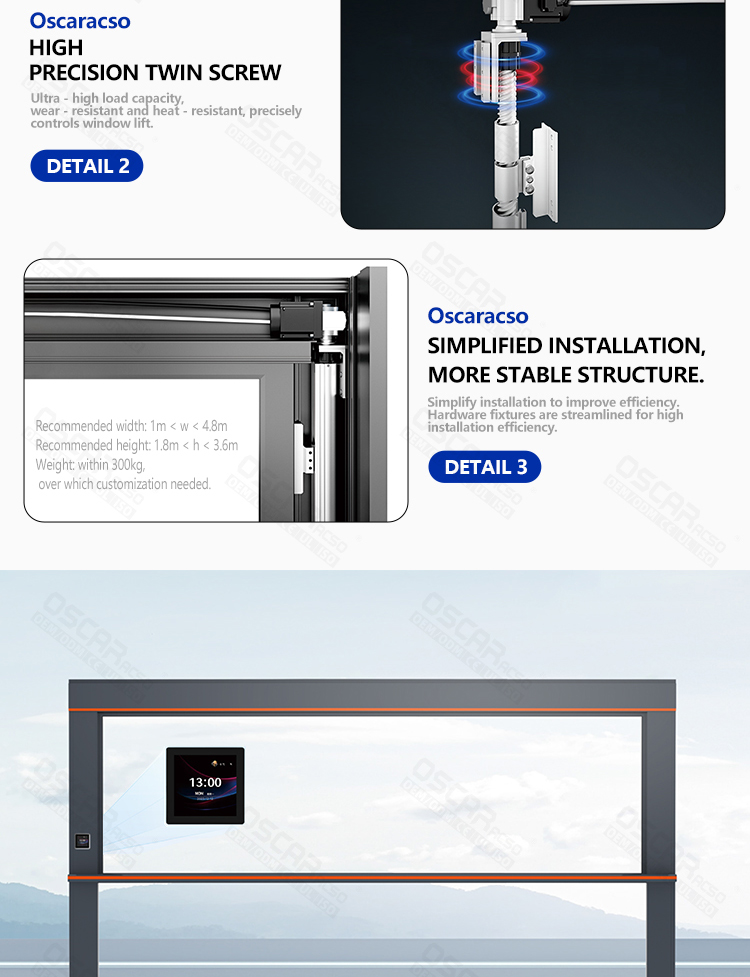
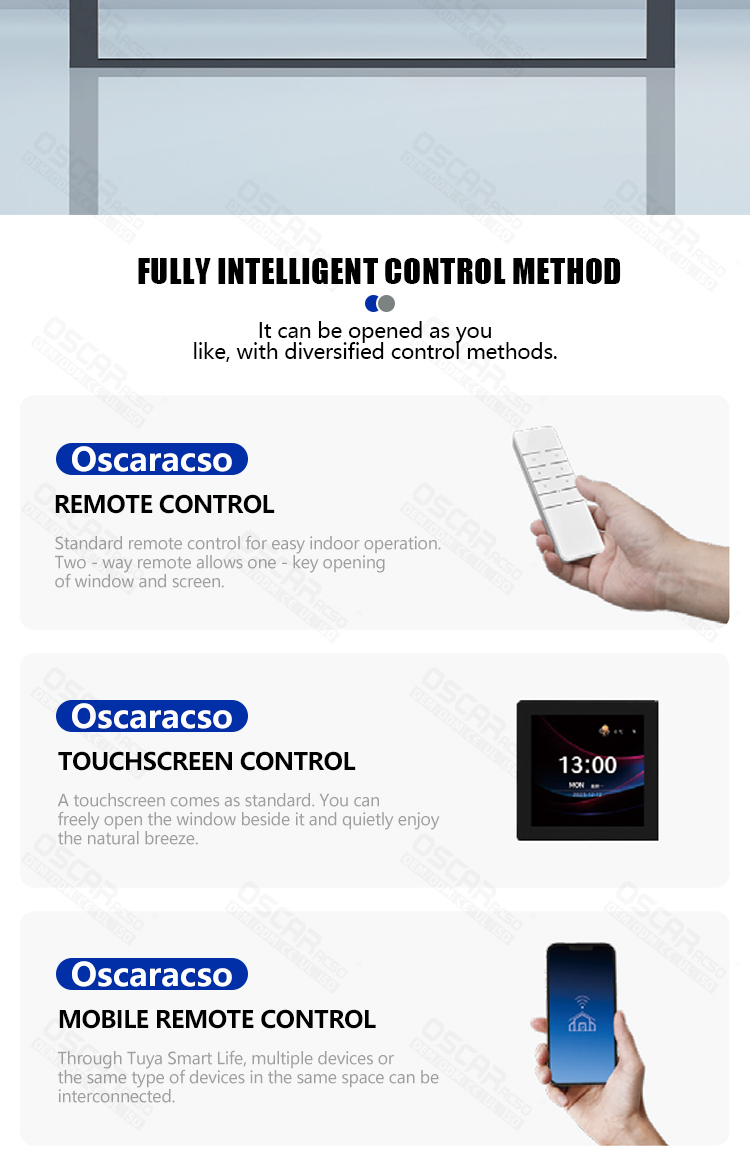
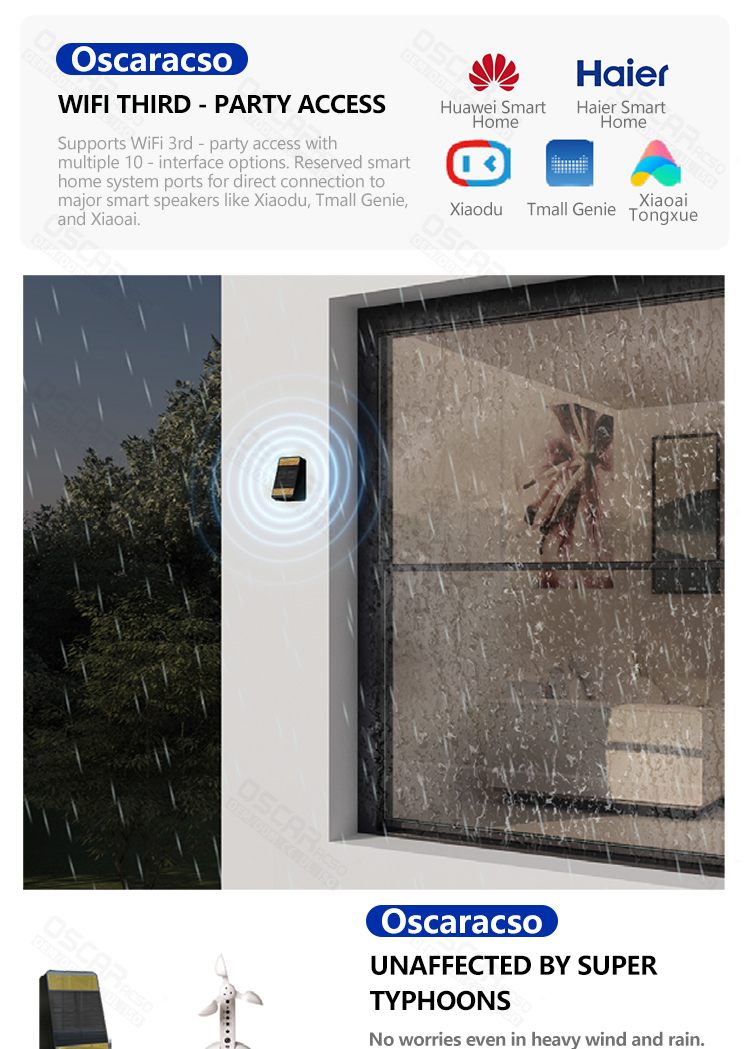
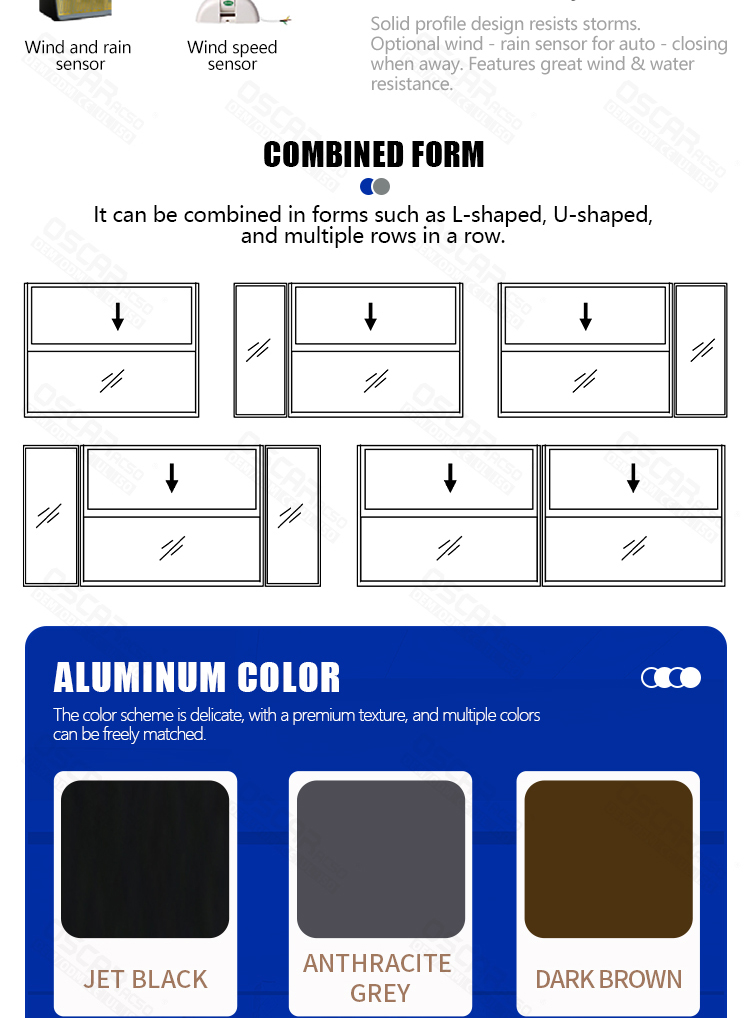
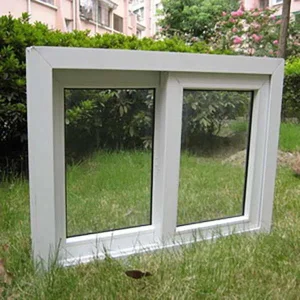
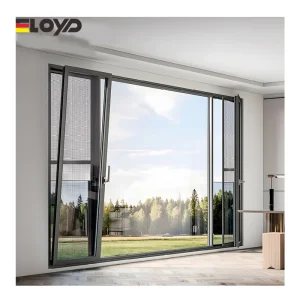
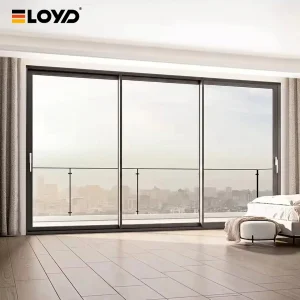
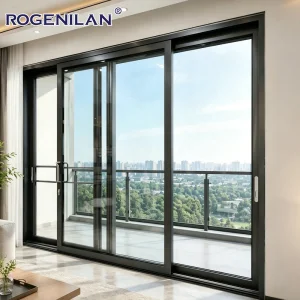
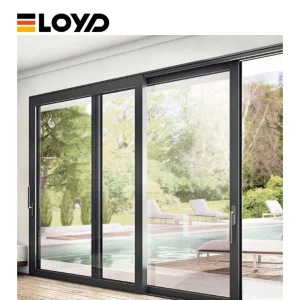
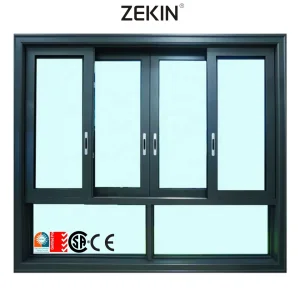
In the field of architectural doors and windows, lift-up windows have become an ideal choice for modern residences, offices, and public buildings due to their unique opening mechanism and multifunctional features. This window type, which achieves ventilation by swinging upward, not only breaks the limitations of traditional casement and sliding windows but also demonstrates significant advantages in ventilation efficiency, space utilization, and safety protection, redefining the art of balancing natural light and air circulation in buildings.
I. Core Advantages: Three-Fold Upgrades in Ventilation, Safety, and Space
1Scientific Ventilation: Eliminating Direct Draft Discomfort
Lift-up windows typically open at angles between 10° and 30°, creating a unique air flow path through top-gap air intake. This "oblique inflow along the window top" mode avoids the discomfort of direct drafts from traditional windows, making it particularly suitable for bedrooms, studies, and other scenarios requiring gentle ventilation:
- Anti-direct Draft in Summer: At night, opening a lift-up window allows cool outdoor air to enter the room at a slant along the window top, forming natural convection with indoor warm air. This reduces reliance on air conditioning while preventing cold drafts that may cause colds.
- Optimal Ventilation in Winter: Closing the main window sash and only activating the lift-up function can exhaust stale indoor air while minimizing heat loss (cold air sinks, and warm air is discharged through the top gap), achieving a comfortable experience of "ventilation without temperature drop."
Equipped with adjustable limiters, users can precisely control the opening width, locking small-angle ventilation during strong winds to prevent violent shaking of the window sash.
2Safety Protection: Ensuring Home Security
The structural design of lift-up windows inherently offers dual advantages of anti-theft and fall prevention:
- Upgraded Anti-Theft Performance: When closed, the window sash is tightly engaged with the frame via multi-point locking hardware. Combined with tempered glass, its anti-prying performance is significantly better than sliding windows. Some high-end models feature hidden hinges + anti-pry steel bars to further enhance security.
- Fall Prevention: When open, the window sash tilts upward, with the opening direction perpendicular to the ground and a limited gap width (typically ≤20 cm). This effectively prevents children from climbing and falling or items from accidentally dropping, making it ideal for high-rise residences and families with children. For street-facing shops or ground-floor buildings, a combination of fall prevention ropes + safety grilles can further strengthen protection.
3Space Liberation: Maximizing Utility in Small Openings
Compared to casement windows (which require indoor/outdoor opening space) and sliding windows (which occupy wall space with tracks), the vertical upward opening mode of lift-up windows consumes almost no indoor or outdoor space, making them a solution for small apartments and special locations:
- Suitable for Narrow Window Sills: Installing lift-up windows above kitchen countertops or bathroom vanities allows opening without affecting countertop items, avoiding the embarrassment of casement windows knocking over bottles and jars.
- Ideal for Balcony Enclosures: Lift-up windows on balconies enable "fully enclosed protection + top flexible ventilation," blocking dust and noise while maintaining air circulation during laundry drying, solving the "stuffy" problem of traditional enclosed balconies.
II. Scenario Applications: Diverse Uses from Residential to Commercial
1Residential Scenarios: Comfort Innovations in Detail
- Quiet Ventilation in Bedrooms: Lift-up windows with triple-layer insulating glass + broken-bridge aluminum profiles can achieve a sound insulation effect of over 35dB when opened at a small angle at night, introducing fresh air while blocking street noise and improving sleep quality.
- Kitchen Fume Exhaust: Installing lift-up windows above stoves allows for rapid upward exhaust of cooking fumes during cooking (forming dual convection with range hoods), reducing fume retention in the kitchen and lowering cleaning efforts.
- Attic Sloped Roof Renovation: Customized special-shaped lift-up windows for sloped walls in attics can maximize the use of sloped space. When opened, they create a "chimney effect" to quickly expel stuffy air from the attic, creating a cool leisure area.
2Commercial and Public Scenarios: Balancing Efficiency and Safety
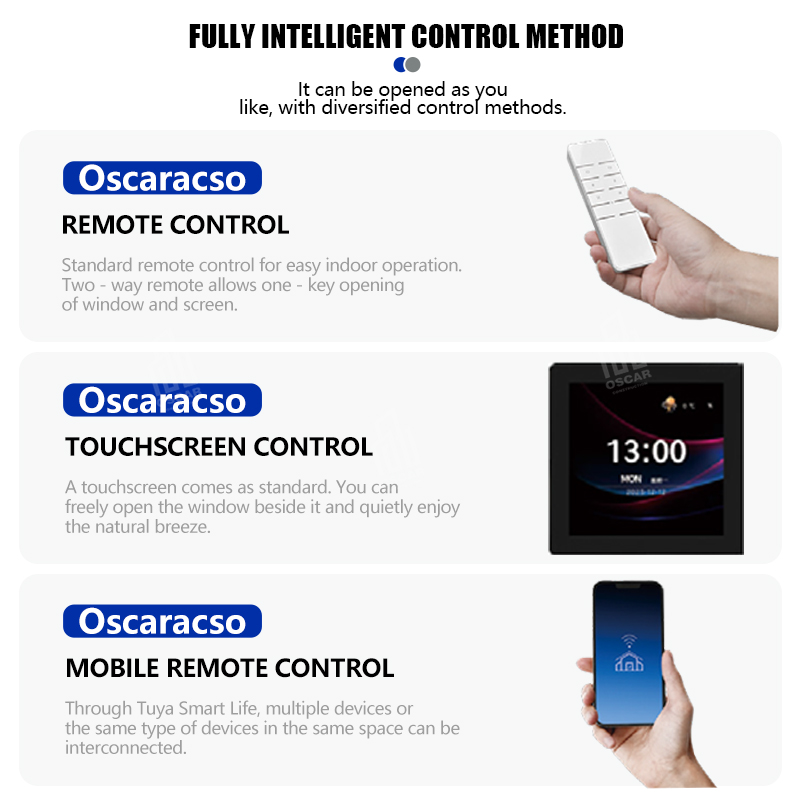
- Intelligent Ventilation in Offices: Office buildings using electric lift-up windows + smart temperature control systems can automatically open for ventilation based on indoor CO2 concentration, maintaining fresh air while reducing air conditioning energy consumption, in line with the concept of green offices.
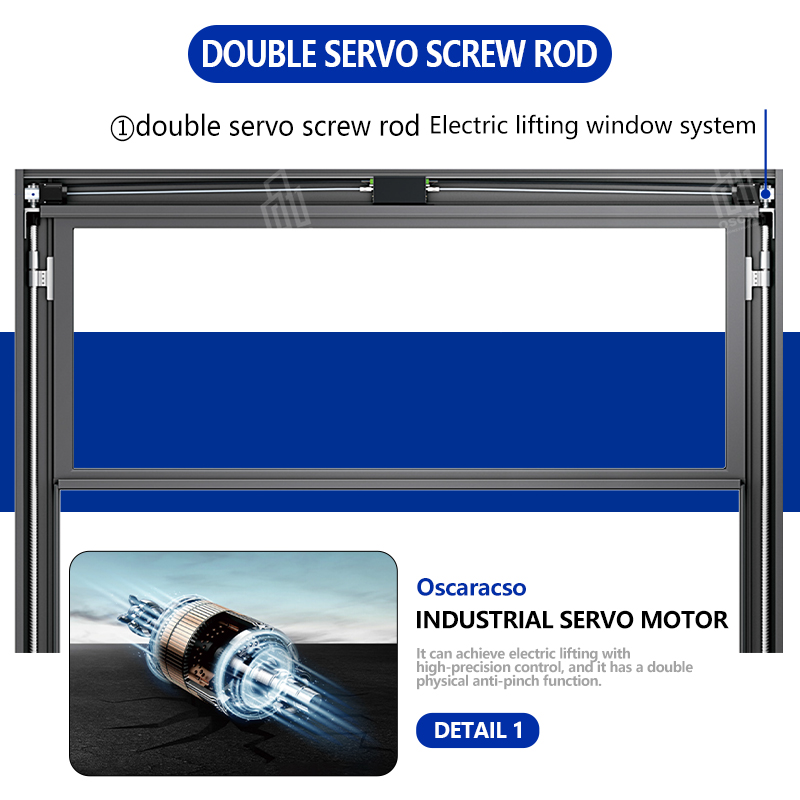
- Safety Windows for Schools/Hospitals: Lift-up windows in public buildings are standard equipped with anti-pinch dampers + emergency escape knobs, restricting opening angles for daily safety while allowing quick switching to casement mode in emergencies to meet fire evacuation requirements.
- High Window Ventilation in Malls: High-position lift-up windows in mall atriums can be remotely controlled to open during non-business hours, using the thermal pressure effect to exhaust accumulated odors and heat, reducing air conditioning loads the next day.
III. Selection and Installation: Creating High-Performance Windows
1Core Configuration Selection
- Hardware Systems: Prioritize imported brand hidden hinges (e.g., German HOPO, Italian Giesse) with a load-bearing capacity of ≥80kg and ≥30,000 opening/closing cycles to ensure long-term use without deformation.
- Glass Configuration:
- Residential use: Double-layer insulating glass (5mm+12A+5mm) for a balance of sound insulation, heat insulation, and cost-effectiveness;
- Street-facing/high-rise buildings: Triple-layer insulating glass (5mm+9A+5mm+9A+5mm) or laminated glass for enhanced sound insulation and impact resistance;
- Energy-saving needs: Low-E coated glass + inert gas filling to block heat loss in winter and reflect UV rays in summer.
- Profile Materials:
- Aluminum alloy: Lightweight and corrosion-resistant, suitable for humid southern environments; choose broken-bridge aluminum profiles with a wall thickness of ≥1.4mm;
- UPVC: Better thermal insulation, preferred for cold northern regions; check the profile’s thermal deformation temperature (≥70°C).
2Installation and Maintenance Tips
- During installation, ensure that the gap between the window frame and the wall is filled with polyurethane foam and sealed with weather-resistant sealant to prevent water leakage;
- Regularly inspect the tightness of hardware screws and apply lubricating grease to hinges and limiters every two years to maintain smooth opening/closing;
- Clean with a soft cloth and neutral detergent, avoiding strong acids or alkalis that may corrode profiles or sealing strips.
IV. Trend Insights: Integration of Technology and Aesthetics
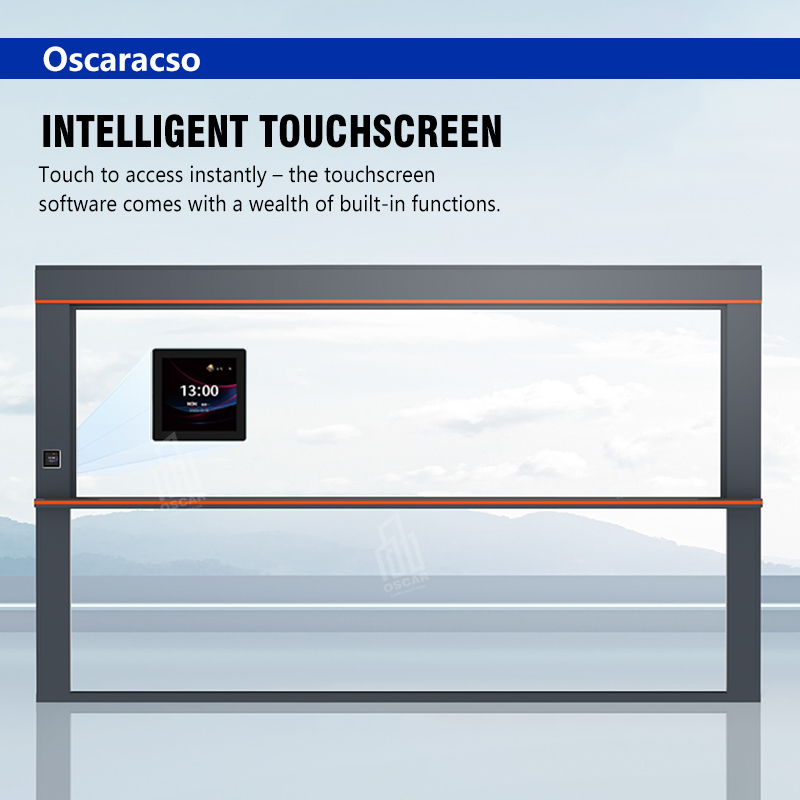
- Smart Linkage: Integrated with temperature/humidity sensors and wind/rain sensors, they can automatically open/close and link with ventilation systems to achieve "unattended air management";
- Custom Design: Special-shaped lift-up windows (arched, circular, etc.) break traditional square frames, and colored sprayed profiles (e.g., champagne gold, dark coffee) meet personalized architectural aesthetics;
- Passive House Standard: Ultra-insulated profiles + vacuum glass combinations achieve a heat transfer coefficient (U-value) ≤0.8W, helping buildings meet the strict energy efficiency standards of passive houses.
Conclusion
Lift-up windows, with their innovative "upward opening" design, not only introduce more scientific ventilation to spaces but also achieve comprehensive breakthroughs in safety, energy efficiency, and aesthetics. Whether for residential users pursuing quality of life or commercial projects focusing on operational efficiency, choosing a suitable lift-up window is equivalent to injecting a "breathable safety barrier" into the building. With the popularization of green buildings and smart homes, lift-up windows are becoming the mainstream choice in the future window market, leveraging their irreplaceable advantages.
Frequently Asked Questions
What is your delivery time?
20-35 days delivery after deposit and drawing confirmation. The actual situation according to the manager to confirm.
How can I know your price?
The price is based on the buyer's specific requirements, the actual price is subject to the manager.
What information should I provide to get an accurate quote?
Please provide the following information:
1) Window or door opening size;
2) Window frame color;
3) Glazing type and thickness (single pane, double pane, laminated, or other) as well as the color (clear, tinted, reflective, Low-E, or other, with argon gas or without argon gas).
What is your payment terms?
Normally, 30% - 50% of total amount by T/T as deposit and balance before delivery. Irrevocable L/C at sight is also acceptable.
What is spectrally selective glazing?
Coated or tinted glazing with optical properties that is transparent to some wavelengths of energy and reflective to others. Typical spectrally selective coatings are transparent to visible light and reflect short-wave and long-wave infrared radiation.
What kinds of packing do you have?
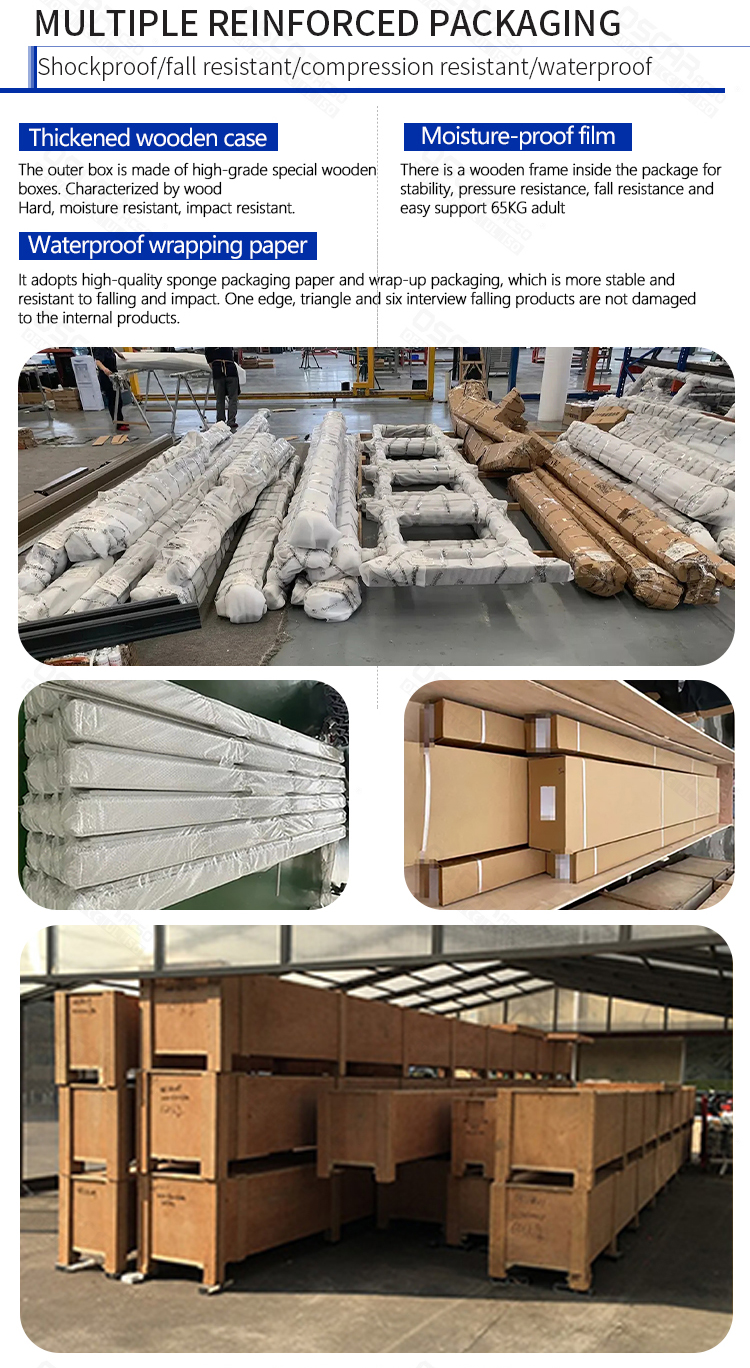
There are three kinds of packing, such as pearl cotton, pearl cotton + wooden frame, pearl cotton + wooden box. The glass packing is wooden frame/corner guard + strapping, if it is full container, we suggest to use pearl cotton, the glass packing is wooden frame, so it can save more space, and more goods can be loaded in the same container. The best packing is pearl cotton+wooden crate, some bulk goods and some developed countries, such as the United States, Australia and some countries in Europe, need wooden crate packing, because they have special requirements, and the wooden crate can protect the goods well.
 ORM Windows