Q1:
What is the main function of a skylight? What are its advantages compared to ordinary windows?
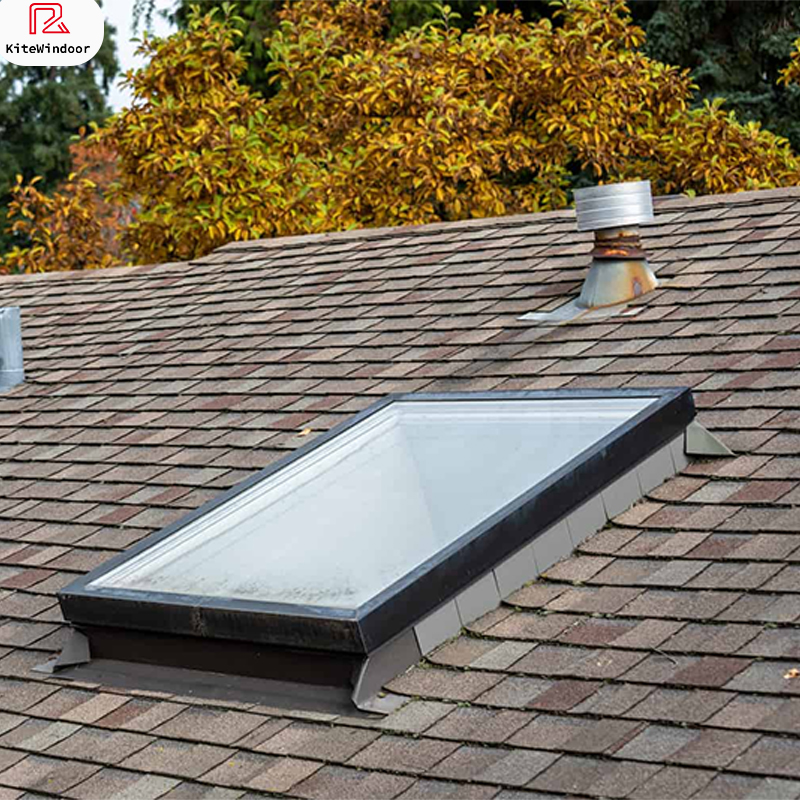
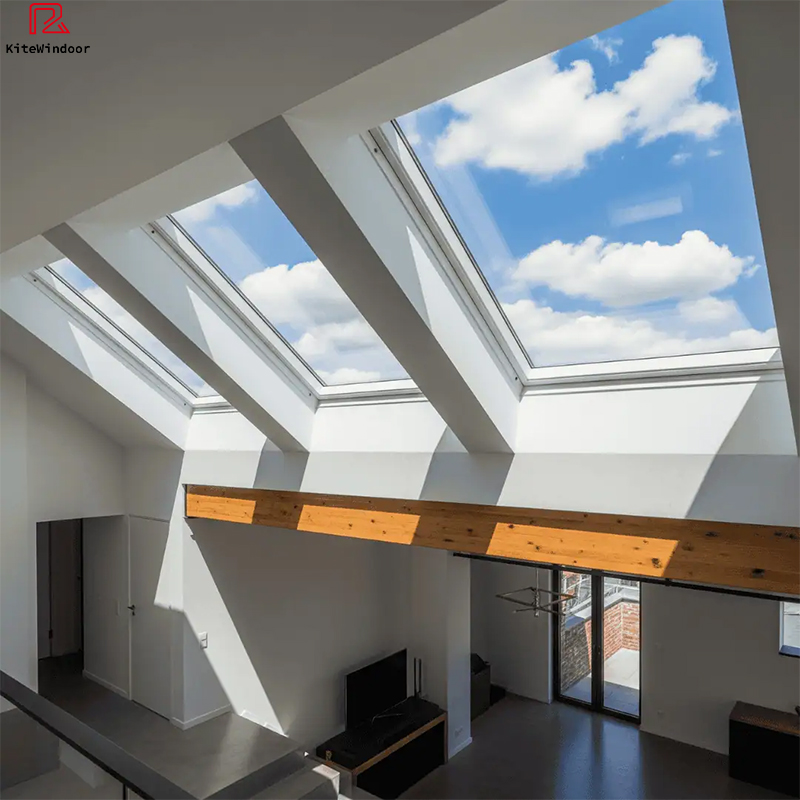
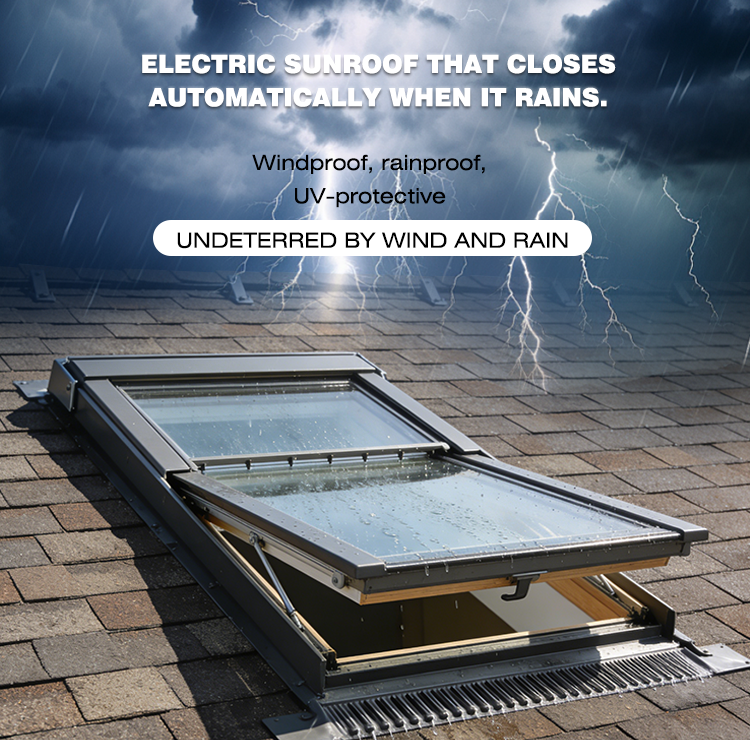
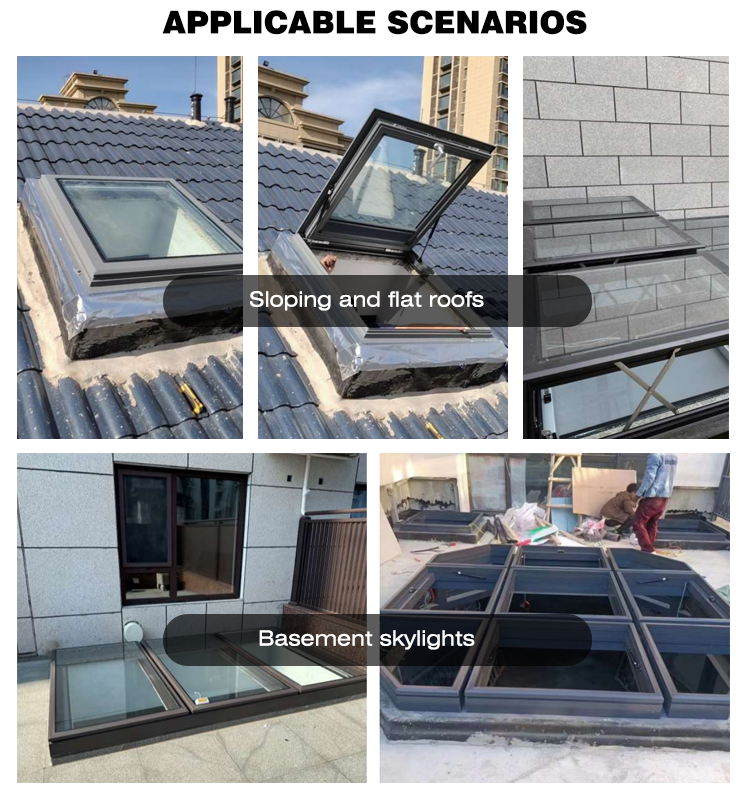
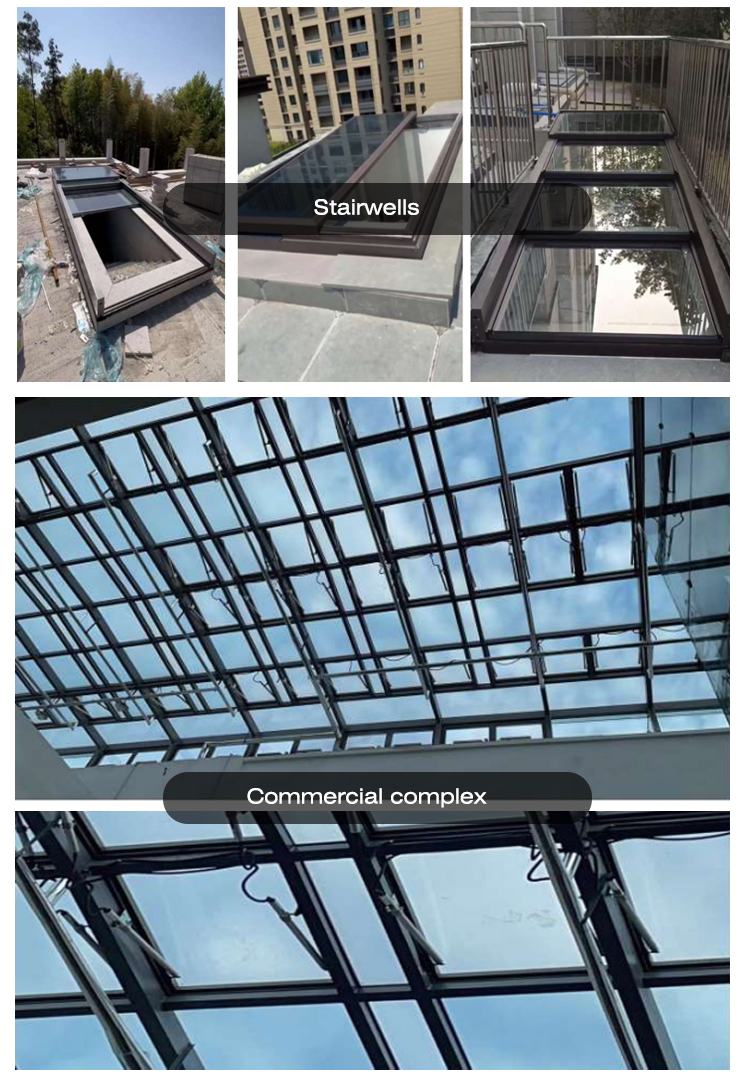
A: The core function of a skylight is to increase indoor lighting, promote air circulation and ventilation, and create an open view and transparent space. Compared to ordinary windows, it can utilize the roof space to introduce natural light, has higher light efficiency, and can form an "upward-outward" air circulation, resulting in better ventilation; some skylights also have additional functions such as viewing, heat insulation, and sound insulation, suitable for special spaces like attics, sloping roofs, and sunrooms.
Q2:
Is the waterproof performance of a skylight reliable? Why does it sometimes leak?
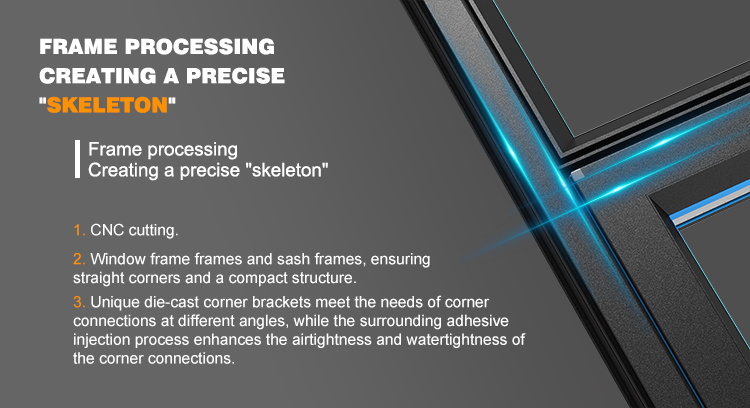
A: A qualified skylight product itself has reliable waterproof performance. Leaks are mostly caused by improper installation or maintenance later on. Common reasons include: aging and cracking of the sealant at the junction of the window frame and the roof; blockage of the drainage channels and drainage holes, preventing rainwater from being drained in time; failure to properly handle the lap treatment of the flashing board and waterproofing sheet during installation; aging and damage of the glass sealant strips, etc.
Q3:
What are the opening methods of skylights? Which one is more suitable for home use?
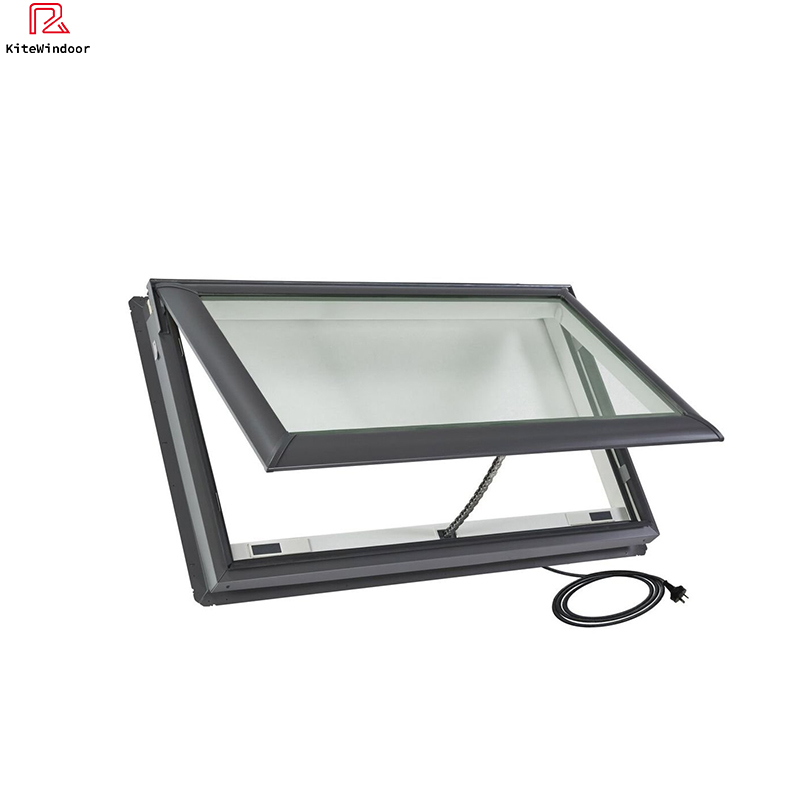
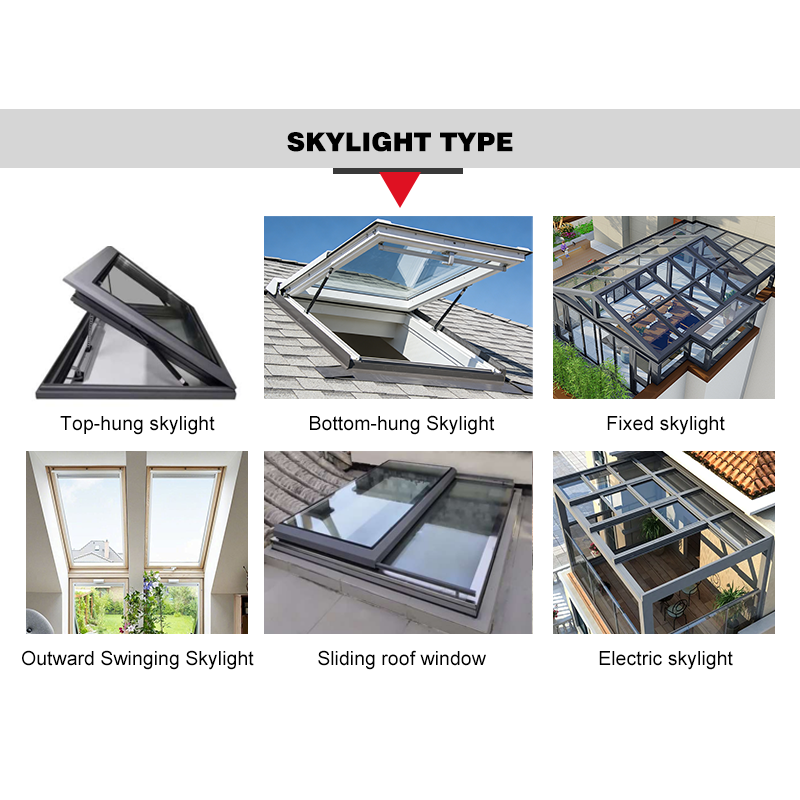
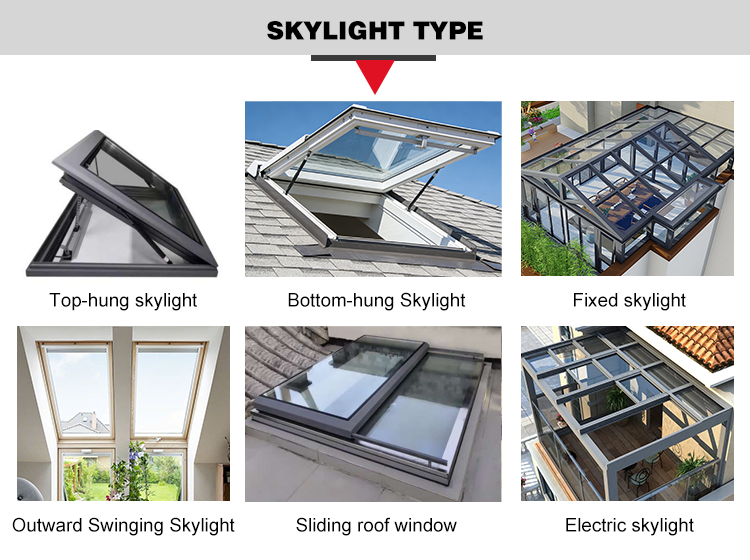
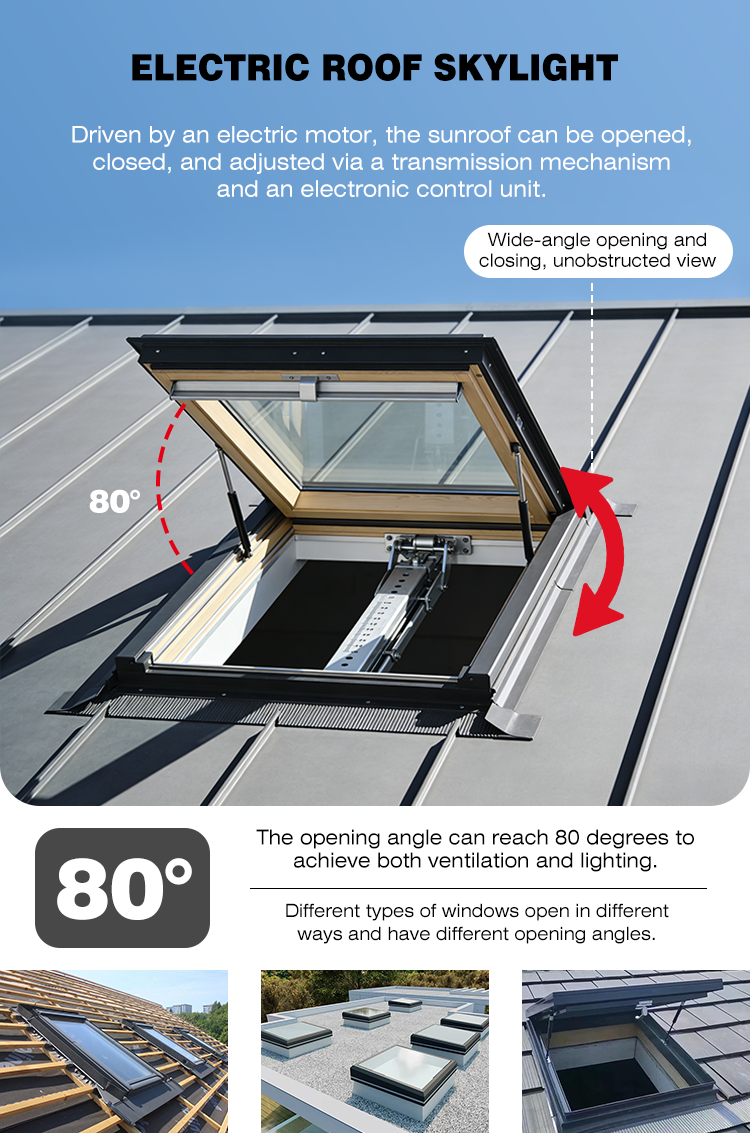
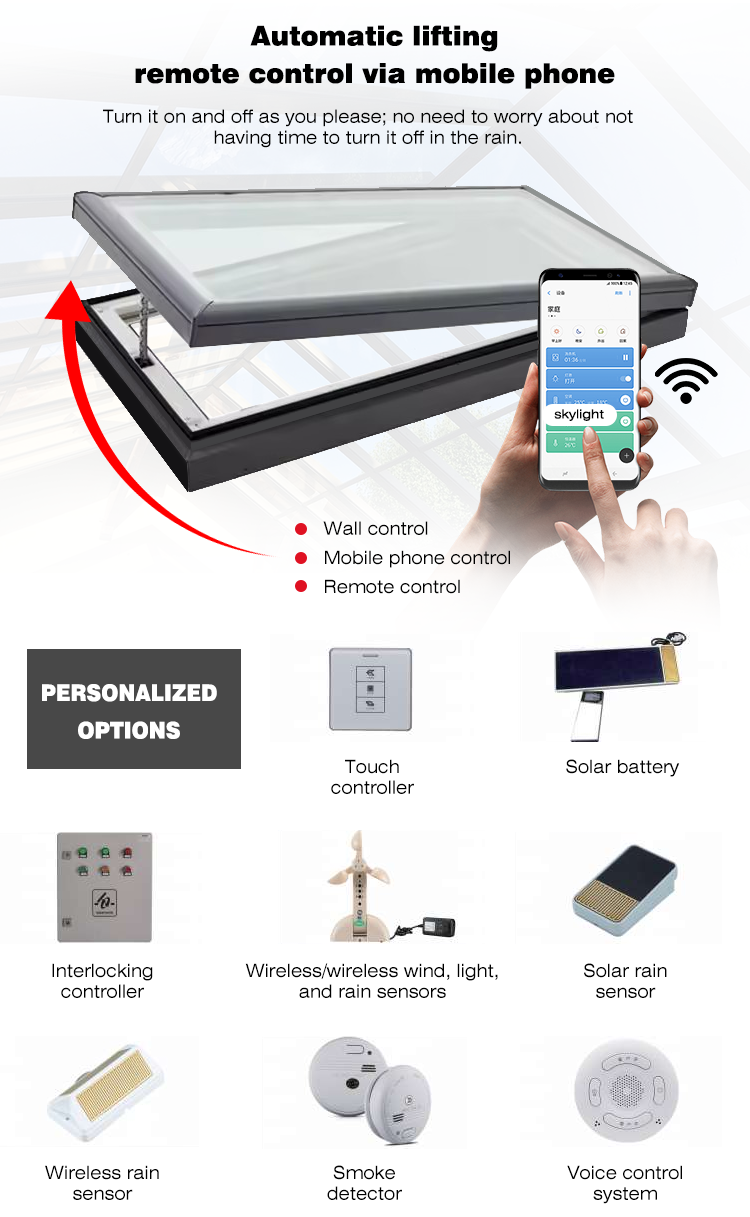
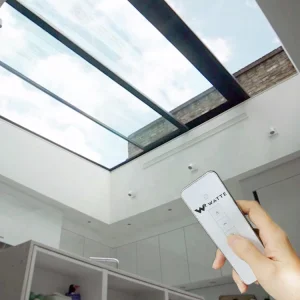
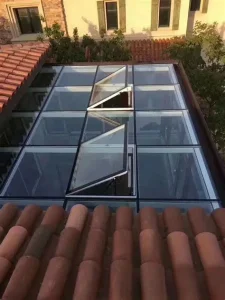
A: The mainstream opening methods include up-hanging, mid-hanging, sliding, folding, and electrically operated. For home use, up-hanging or electrically operated up-hanging are preferred. During the up-hanging opening, rainwater will not backflow, and the ventilation volume is controllable, making the operation convenient; the electrically operated type is more suitable for installation on high places (such as attic sloping roofs), as it does not require manual climbing to open, and has higher safety.
Q4:
Do skylight glasses require special configuration? Can they be replaced with tempered glass or Low-E glass?
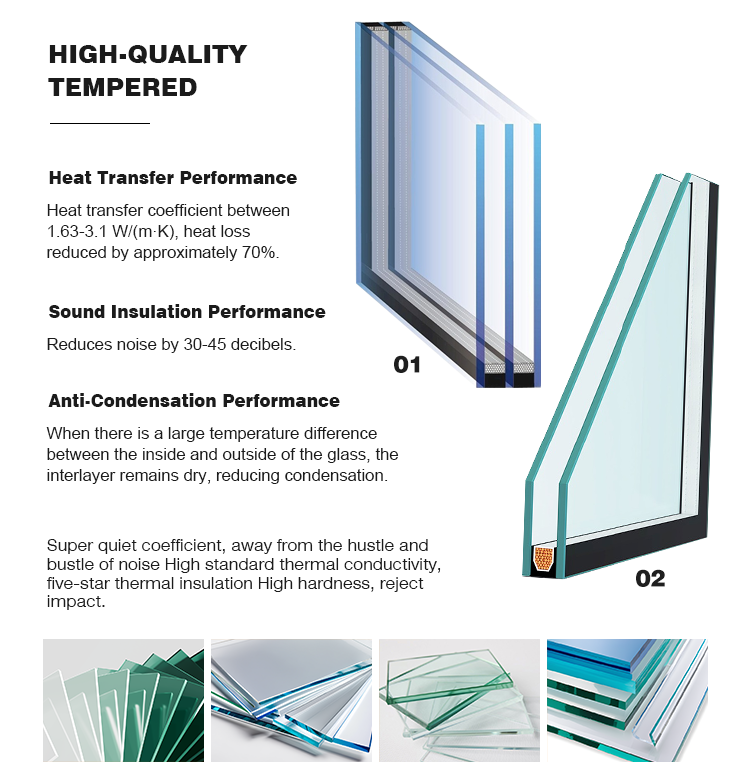
A: Skylight glasses require special safety glass. The standard configuration is usually tempered glass or laminated tempered glass, which has no sharp fragments when broken, avoiding injuries from falling. According to the needs, it can be upgraded to insulating tempered glass (improving insulation and sound insulation performance) or Low-E insulating glass (enhancing heat insulation and energy-saving performance), but the glass thickness must be compatible with the skylight frame.
Q5:
Can skylights be installed on high-rise residences or sloping roofs? What are the installation requirements?
A: They can be installed, but they must meet the building structure and safety standards. When installing on sloping roofs, it is necessary to confirm the roof slope (usually suitable for 15° - 60° slope), and select the appropriate skylight model for sloping roofs; for high-rise residences, the window frame fixation structure needs to be reinforced to ensure the wind pressure resistance meets the standards, and waterproof sealing and anti-fall measures should be done well. It is recommended to be constructed by a professional team.
Q6:
Do skylights need regular maintenance? What are the key points of daily maintenance?
A: Regular maintenance is necessary to ensure the long-term use effect. Key points of daily maintenance: Regularly clean the leaves, dust, etc. in the drainage channels and drainage holes to avoid blockage and water accumulation; Check whether the sealant of the window frame and the roof, as well as the glass sealant strips, are aging and replacing damaged parts in time; Add lubricating oil to the hardware components (hinges, handles, etc.) of the skylight every six months to keep the opening smooth; Regularly clean the glass to avoid sharp objects from scratching.
 ORM Windows