Explore our CE-certified, high-thermal performance aluminum profiles engineered for luxury residential and commercial envelopes.
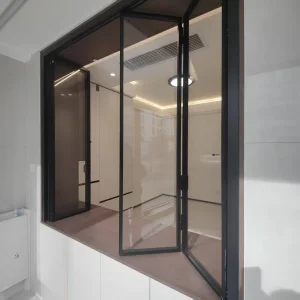
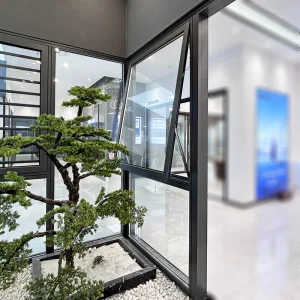
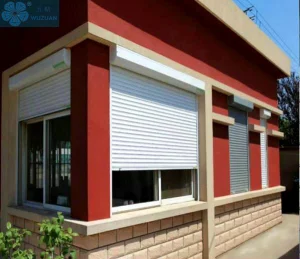
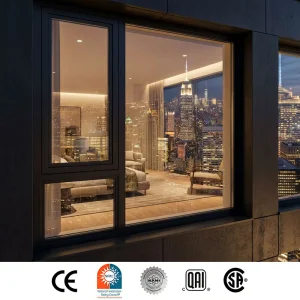
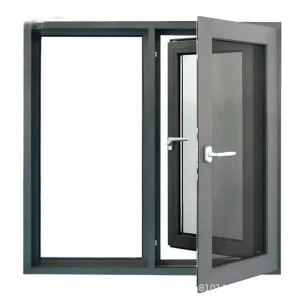
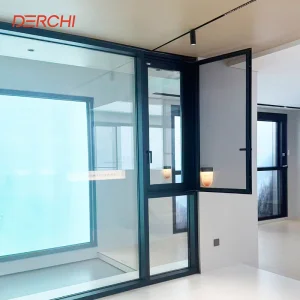
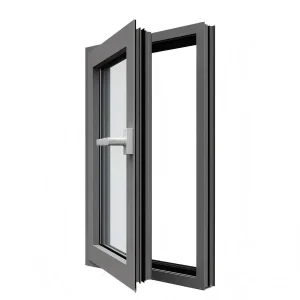
In the landscape of modern architectural design, the boundary between interior sanctuaries and exterior environments has grown increasingly fluid. As developers and architects strive to maximize natural daylighting, optimize thermal performance, and ensure structural stability, the choice of glazing systems becomes paramount. Among these systems, CE certified aluminum French doors stand as a pinnacle of structural durability and aesthetic flexibility.
Historically, French doors were constructed primarily of timber or basic steel configurations, presenting significant limitations in terms of thermal bridging, maintenance, and long-term structural deformation. The introduction of structural-grade aluminum alloy profiles—specifically 6063-T5 and 6063-T6—has fundamentally revolutionized the performance characteristics of exterior hinged door systems. When combined with advanced polyamide thermal break technology, these doors surpass modern energy conservation standards while supporting larger glazing apertures.
From a commercial and structural perspective, CE certification guarantees that these door systems conform to rigorous European Union health, safety, and environmental protection standards. This validation is not merely a legal compliance indicator but a testament to the system's resilience under intense wind loads, dynamic atmospheric pressures, and continuous water exposure.
For B2B buyers, importers, and architects operating in the European Economic Area (EEA) and globally, CE marking under the Harmonized Standard EN 14351-1 represents a non-negotiable benchmark. This standard details the performance characteristics of windows and external pedestrian doorsets. Below is the precise technical matrix indicating the tested performance metrics for our premium aluminum French door systems:
| Performance Indicator | Reference Standard | Certified Performance Value / Class | Technical Implications |
|---|---|---|---|
| Thermal Transmittance (U-Value) | EN ISO 10077-1 / EN ISO 10077-2 | ≤ 1.4 W/(m²·K) (With Triple Glazing) | Optimized energy efficiency, minimal heat loss during cold seasons. |
| Air Permeability | EN 12207 | Class 4 (Highest Rating) | Negligible air leakage even at test pressures up to 600 Pa. |
| Water Tightness | EN 12208 | Class 9A / E900 | No water penetration during severe storm conditions up to 900 Pa. |
| Wind Load Resistance | EN 12210 | Class C5 / B5 | Extreme structural resistance to deflective forces in high-rise settings. |
| Acoustic Insulation | EN ISO 717-1 | Rw (C; Ctr) = 42 dB (-1; -4) | Highly effective attenuation of urban decibel levels for quiet interiors. |
| Mechanical Strength | EN 1192 | Class 4 | Exceptional resistance to impact, warping, and operational fatigue. |
By utilizing state-of-the-art laboratory testing facilities, our products undergo extensive cycling procedures simulating 100,000 opening and closing cycles. This testing ensures that the high-load friction hinges, multi-point locksets, and internal EPDM gaskets maintain their compression profiles over decades of intensive service.
The performance of our aluminum French doors is rooted in a highly calculated material composition. Standard aluminum profiles suffer from high thermal conductivity, which can lead to condensation and energy loss. To counter this, we utilize a sophisticated split-profile architecture featuring structural polymer integration.
Extruded from primary aluminum ingots with strict silicon and magnesium ratios. This results in high tensile strength, excellent corrosion resistance, and a flawless substrate for powder coating and anodization processes.
Our profiles feature 24mm to 35mm multi-cavity glass-fiber reinforced polyamide strips (PA66-GF25). This barrier blocks the thermal bridge between the interior and exterior aluminum chambers, drastically lowering U-values.
Configured with warm-edge spacers, filled with 90% Argon gas, and treated with double-sputtered metallic Low-E coatings. This setup maximizes visual light transmission while reflecting long-wave infrared energy.
As a global supplier, Foshan ORM Windows Co., Ltd. understands that mechanical requirements vary drastically between geographical zones. Rather than offering a single standard profile, we provide customized structural adaptations to satisfy local building regulations:
Focuses heavily on extreme insulation parameters. Systems are integrated with triple-pane insulated glass units (IGU) reaching U-values below 1.0 W/(m²·K), designed to withstand freezing sub-zero temperatures and satisfy strict thermal efficiency mandates.
Engineered with impact-resistant laminated architectural safety glass (featuring SGP/PVB interlayers). Hardware systems are upgraded to heavy-duty multi-point stainless steel locking bars to withstand high wind velocity and dynamic wave loading.
Requires advanced UV-blocking solar coatings and specialized exterior powder-coat finishes (Qualicoat Class 2/3 certified). These finishes resist color fading, sand abrasion, and high thermal strain from direct desert exposure.
Constructed to meet AS2047 structural criteria and BAL (Bushfire Attack Level) ratings. Features double-glazed setups with stainless steel wire mesh screens to manage both embers and high solar radiant heat.
Leveraging industrial experience and state-of-the-art facilities to deliver custom architectural glazing worldwide.
Foshan is recognized globally as the capital of architectural aluminum production and building materials manufacturing. Located in Guangdong, China, this dense industrial cluster gives Foshan ORM Windows Co., Ltd. a distinct logistical and technological advantage.
By operating in the heart of this manufacturing ecosystem, we maintain direct access to premium raw billet cast houses, high-end chemical powder suppliers (such as AkzoNobel and Jotun), and advanced glass processing hubs. This proximity minimizes raw material transport time, insulates our operations from global supply shocks, and allows us to offer competitive price-to-performance ratios without sacrificing structural quality.
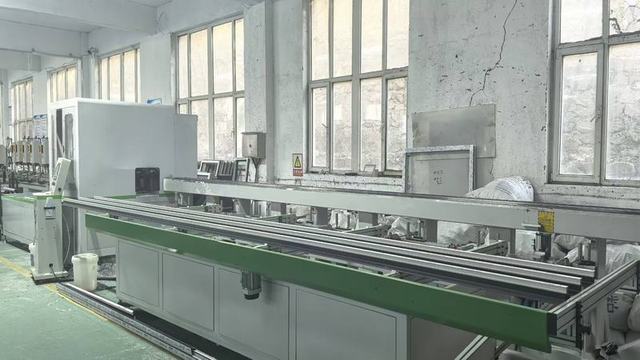
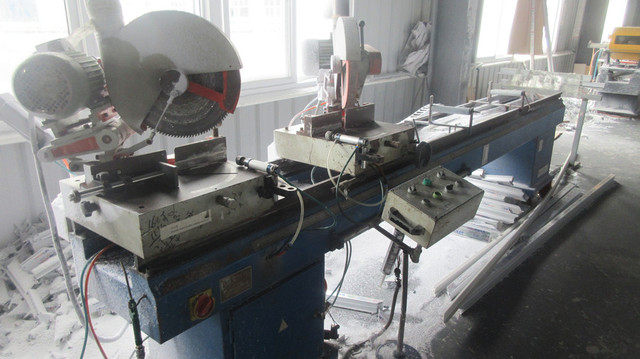
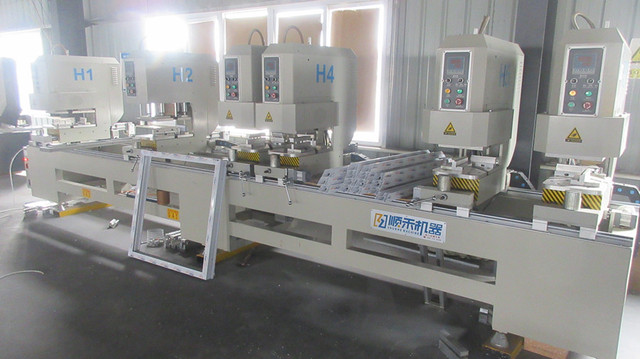
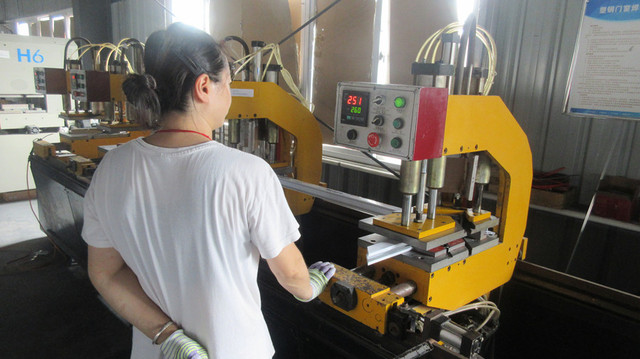
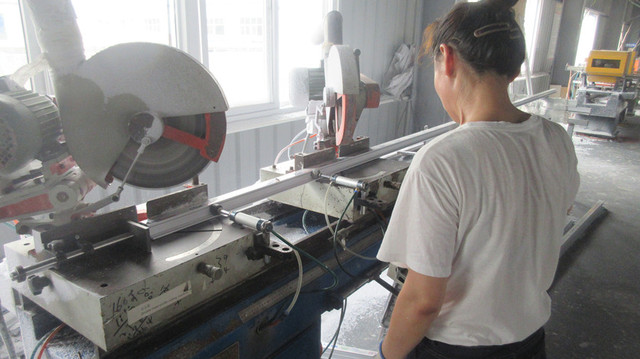
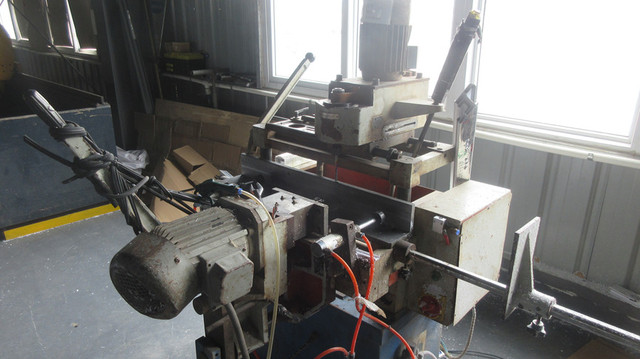
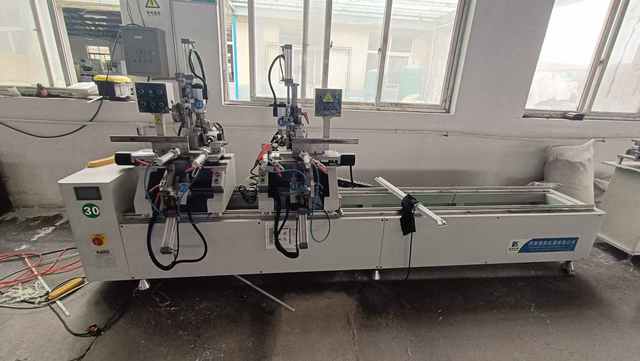
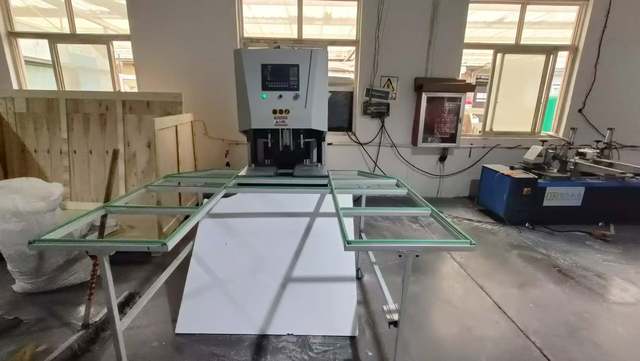
Our manufacturing facility houses advanced multi-axis CNC machining centers, automated cutting saws with digital calibration, and specialized hydraulic crimping machinery. This precision tooling ensures that every mitered corner, lock pocket, and drainage channel is machined to tolerances within ±0.5mm, ensuring straightforward installation and perfect weather sealing on-site.
The window and door industry is pivoting rapidly toward smart home integration, environmental sustainability, and ultra-minimalist designs. As a forward-thinking manufacturer, ORM Windows is continually refining its technical roadmap:
We are increasing our intake of secondary (recycled) aluminum billets, which require 95% less energy to process compared to primary bauxite mining, significantly shrinking the embodied carbon of our frames.
Integrating smart glass interfaces that dynamically transition from transparent to opaque via mobile applications or automated HVAC sensors to control solar gain.
Integrating concealed magnetic contact sensors and biometric lock systems into the interior rebates, ensuring high-security levels without disrupting the clean frame lines.
Answers to critical questions regarding structural performance, certifications, logistics, and order customization.
Our CE documentation covers all mandatory requirements under EN 14351-1. This includes initial type testing (ITT) reports for air tightness (EN 12207), water tightness under static pressure (EN 12208), wind load resistance (EN 12210), safety device load-bearing capacity, and thermal transmittance calculations (EN ISO 10077-1). Test results are issued by independent notified testing bodies in compliance with European standards.
Aluminum conducts heat rapidly. A thermal break acts as an insulated barrier separating the outer and inner aluminum sections. We use a glass-fiber reinforced polyamide strip (PA66-GF25) that features a low thermal conductivity rate (approx. 0.3 W/m·K, compared to raw aluminum's 160 W/m·K). This prevents heat from escaping in winter and blocks external heat from entering in summer, significantly reducing building HVAC energy usage.
Yes, we provide comprehensive OEM and ODM support. We routinely modify sash and frame profiles, alter glazing rebate depths to accommodate unique triple or double-glazed thicknesses, integrate local hardware specifications (such as Sobinco, G-U, or Siegenia), and engineer custom structural reinforcements to meet localized structural wind load and water infiltration requirements.
Anodizing is an electrochemical process that converts the metal surface into a durable, corrosion-resistant anodic oxide finish. It is highly resistant to scratching and ideal for coastal settings. Powder coating is the electrostatic application of dry powder cured under heat to form a hard skin. Powder coating offers a wider color palette (RAL color system match) and can be upgraded to Qualicoat Class 2/3 for enhanced UV resistance.
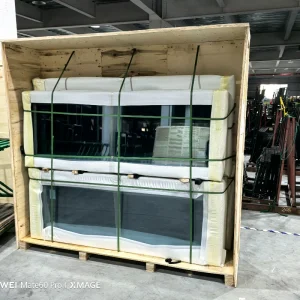
Standard manufacturing lead times are 30 to 45 days after profile extrusion drawings are approved and deposits are confirmed. For large projects, we establish a staggered shipping schedule to align with structural phases on-site. Our proximity to the Shenzhen and Guangzhou ports ensures rapid transit times to international freight hubs.
We maintain strict quality control protocols across all manufacturing stages. Incoming raw materials undergo chemical analysis and mechanical testing. During assembly, the frame joins, gasket compression, and lock operations are checked at dedicated QC stations. Finished units undergo random pressure chambers and water spray tests to ensure field performance mirrors laboratory test results.
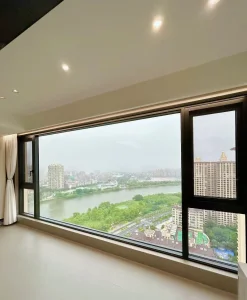
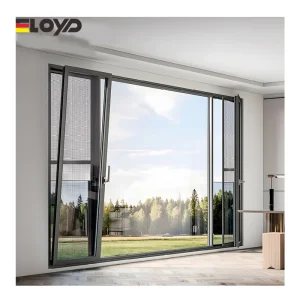
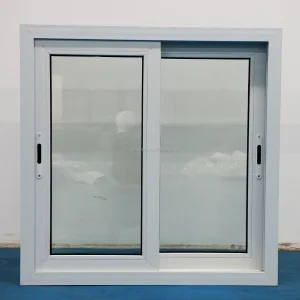
Explore our expanded line of custom architectural windows and doors, designed for modern villas, commercial spaces, and high-rise developments.
 ORM Windows