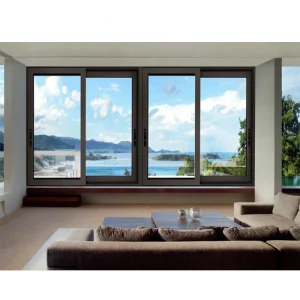
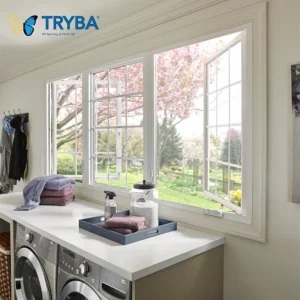
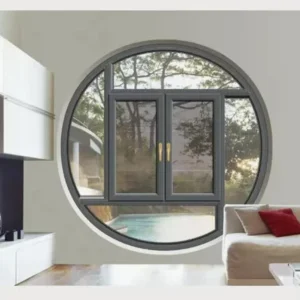
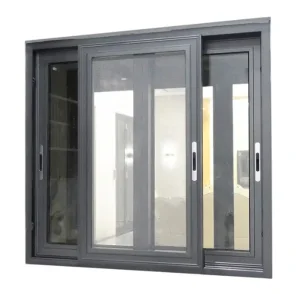
Explore our top-tier custom aluminum assemblies, featuring advanced thermal insulation, hurricane resistance, and contemporary designs.
Modern architectural design is undergoing a paradigm shift towards structural integration, energy efficiency, and high-performance metal works. As leading Custom OEM Aluminum Carports Manufacturers, we recognize that the demands of developers, industrial procurement departments, and residential contractors extend far beyond simple outdoor shelter. The contemporary carport has evolved into a key element of building design, serving as an energy-generating station (when integrated with solar PV modules), a smart EV charging port, and a resilient shield against extreme weather events.
Using structural grade 6063-T5 and 6063-T6 aluminum alloys, OEM aluminum carports are engineered to offer exceptional strength-to-weight ratios, corrosion resistance, and decades-long durability. The inherent material properties of extruded aluminum allow for minimal structural profiles, enabling cantilevered designs, wide spans without intermediate columns, and integrated hidden water drainage systems that are impossible with steel or timber. This whitepaper analyzes the engineering capabilities, localized regulatory requirements, supply chain benefits, and global trends that define the elite manufacturing landscape of aluminum outdoor structures.
Engineered to withstand hurricane-force winds up to 250 km/h and high snow loads through precise structural extrusion and finite element analysis (FEA).
Qualified surface treatments conforming to Qualicoat Class 2 standards, ensuring protection against sea-spray corrosion and high UV exposure.
Modular profiles designed for easy alignment with residential facades, solar arrays, LED lighting tracks, and smart building interfaces.
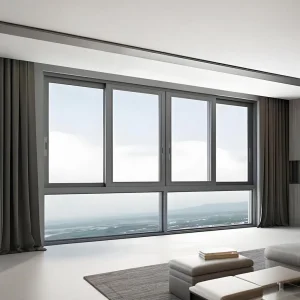
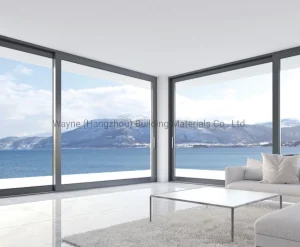
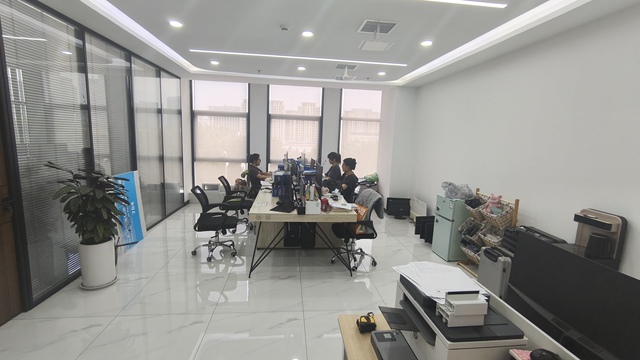
Foshan ORM Windows Co., Ltd. is a professional aluminum window manufacturer located in Foshan, Guangdong, China, one of the country's leading centers for architectural aluminum production and building materials manufacturing. Established in 2011, the company specializes in the design, engineering, manufacturing, and export of high-performance aluminum window systems for residential, commercial, and architectural projects worldwide.
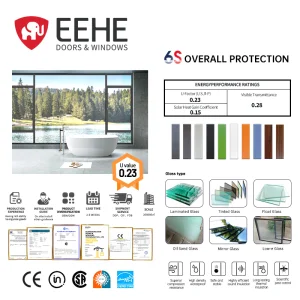
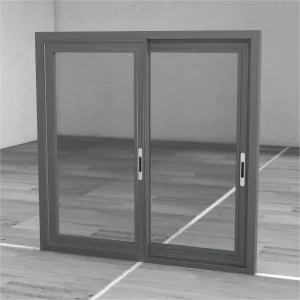
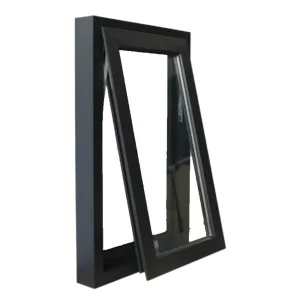
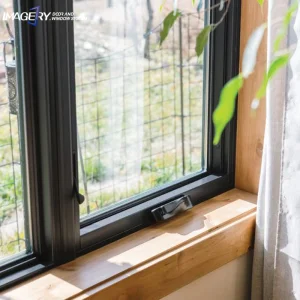
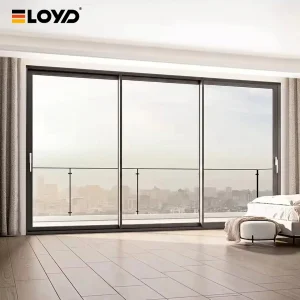
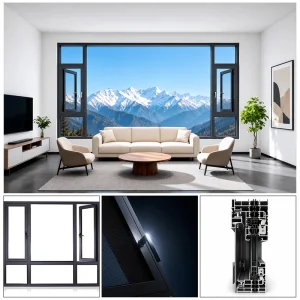
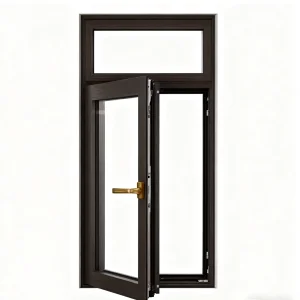
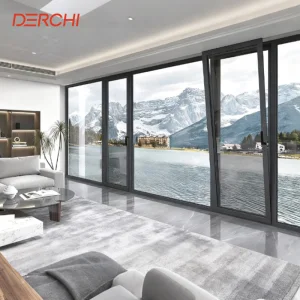
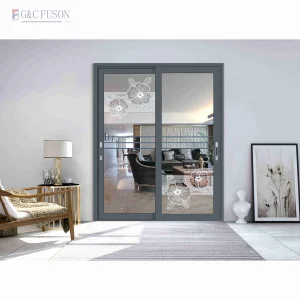
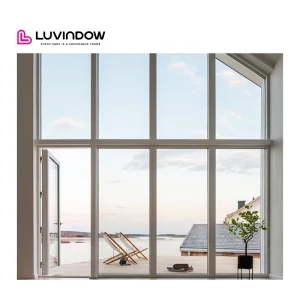
With a modern manufacturing facility covering more than 20,000 square meters and a team of over 280 skilled employees, ORM Windows is dedicated to providing reliable, energy-efficient, and aesthetically appealing window solutions. The company's product portfolio includes aluminum casement windows, sliding windows, awning windows, fixed windows, tilt-and-turn windows, thermal break window systems, double-glazed windows, and customized architectural window solutions designed to meet diverse building requirements.
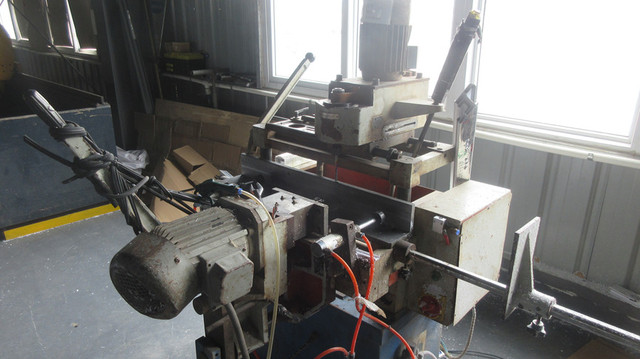
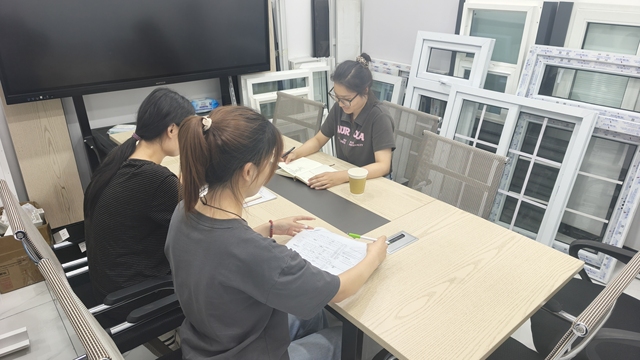
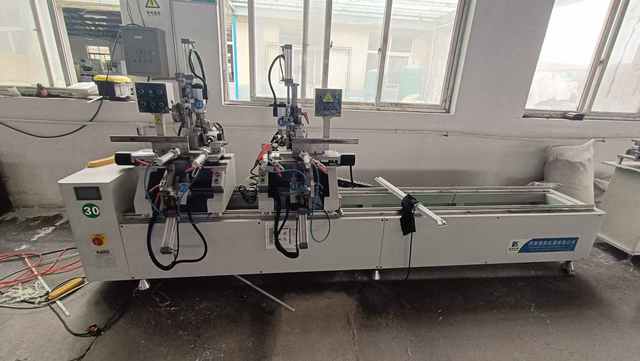
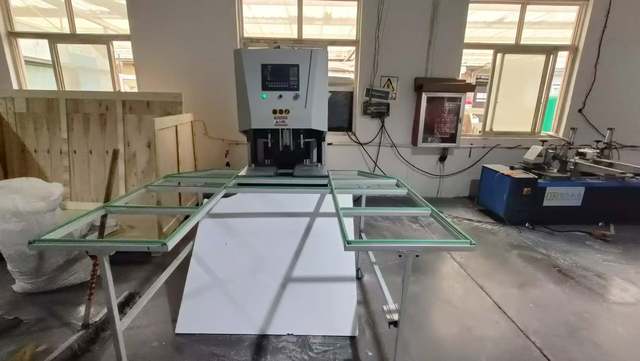
ORM Windows integrates advanced production equipment, precision fabrication technology, and strict quality management procedures throughout every stage of manufacturing. From aluminum profile processing and glass assembly to hardware installation and final inspection, every product is produced to ensure durability, weather resistance, thermal performance, and long-term reliability. Supported by an experienced engineering and product development team, the company offers comprehensive OEM and ODM services, including customized dimensions, frame finishes, glazing options, hardware configurations, and private-label manufacturing. These flexible solutions enable builders, developers, distributors, and project contractors to meet specific market and project demands.
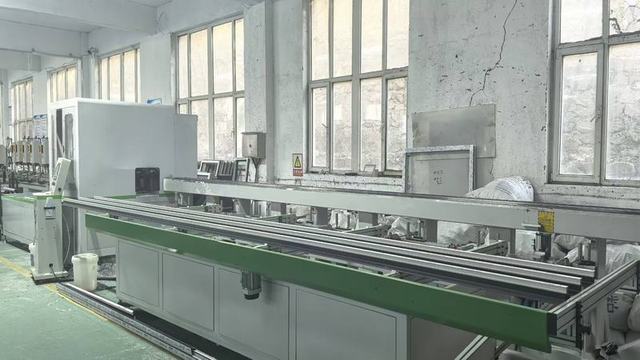
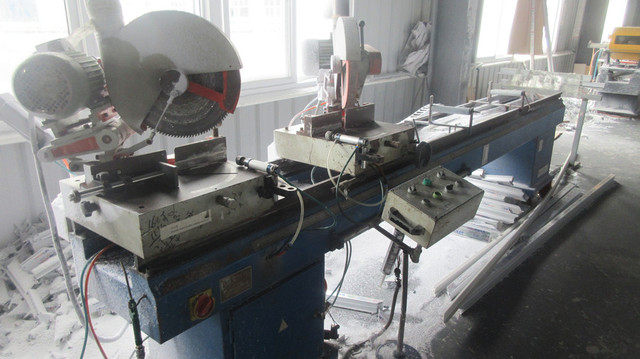
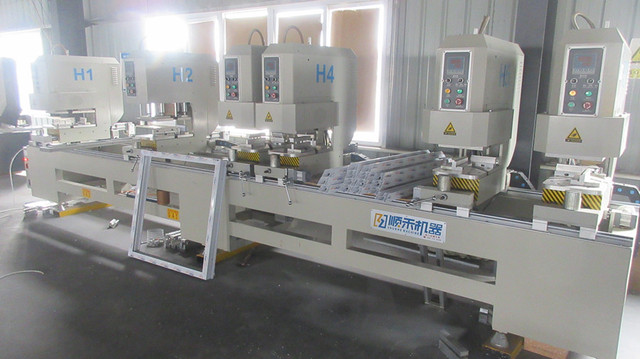
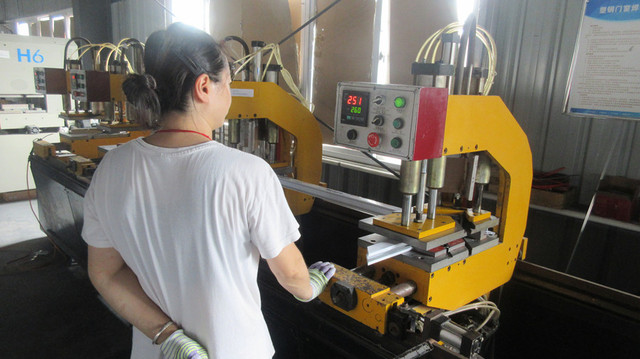
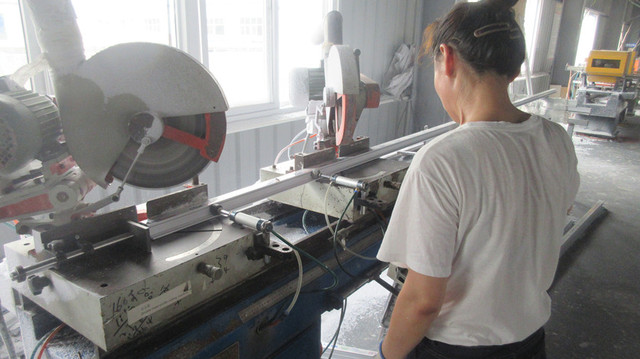
Serving customers across North America, Europe, the Middle East, Southeast Asia, Australia, and other international markets, Foshan ORM Windows Co., Ltd. has established a reputation for quality manufacturing, professional service, and dependable delivery. The company remains committed to providing innovative aluminum window solutions that enhance modern architecture while supporting sustainable and energy-efficient building development worldwide.
The geographic concentration of aluminum extrusion manufacturers in Foshan, Guangdong provides an unparalleled competitive edge. For international procurers looking for a reliable Custom OEM Aluminum Carports Manufacturer, our ecosystem offers advantages that translate directly into cost reduction, quality control, and shorter lead times:
Compliance with local building regulations is one of the most critical aspects of global procurement. A carport is a permanent structural addition to a property, meaning it is subject to rigorous inspections, planning permissions, and environmental loading approvals. Our engineering team provides custom OEM support tailored to local standards across different geographic zones:
For projects in the United States and Canada, our carports are calculated to meet the International Building Code (IBC) guidelines. In hurricane-prone zones such as Florida (Miami-Dade county rules), we design structures with thick-walled 6061-T6 aluminum connectors, utilizing stainless steel internal sleeves to withstand wind speeds of up to 160 mph. Snow load capabilities are also engineered for northern regions, ensuring profiles can carry heavy snow build-ups of up to 50 lbs/sq.ft.
Our aluminum profiles and glass/polycarbonate panels conform to CE Standards. Structural calculations follow Eurocode 9 (Design of Aluminium Structures, EN 1999). We ensure thermal break capabilities where carports share structural walls with primary dwellings to mitigate cold bridging and keep structures compliant with energy-efficiency directives.
We supply structural components rated for Australia's wind regions (A, B, C, and D). All structural calculations are verified to comply with AS/NZS 1170 structural design actions, utilizing high-grade 316 stainless steel fasteners to resist coastal corrosion and high-UV environments.
| Region | Primary Standard | Wind Resistance Requirement | Material Class Specified |
|---|---|---|---|
| North America | IBC 2021 / ASCE 7 | Up to 160 mph (Category D Exposure) | Alloy 6005-T5 / 6063-T6 |
| Europe | EN 1999 (Eurocode 9) | Terrain Category I (Up to 32 m/s) | Alloy 6063-T6 / Qualicoat Class 2 |
| Australia / NZ | AS/NZS 1170.2 | Region C/D Cyclonic (Up to 80 m/s gusts) | Alloy 6061-T6 / Anodized > 20μm |
B2B procurement departments, architectural consultants, and large-scale property developers require precise technical specifications to ensure compatibility with modern project demands. The standard parameters for our Custom OEM Aluminum Carports include:
The demand for custom aluminum carports is shifting toward eco-friendly and smart features. Key trends shaping the industry include:
Building-Integrated Photovoltaics (BIPV) are rapidly turning carports into micro-power plants. The rigid, lightweight nature of extruded aluminum makes it the ideal mounting substrate for high-efficiency solar modules. Our custom OEM designs feature integrated wiring channels and waterproof mounting tracks to facilitate clean and efficient solar carport installations.
Equipped with motorized, adjustable louvers, these dual-purpose structures serve as carports or shaded outdoor living areas. Integrated wind and rain sensors automatically adjust the louvers to shield vehicles from heavy downpours or snow, and open up for ventilation during high-temperature periods.
Modern architecture favors thin profiles and large cantilevered structures. By utilizing structural aluminum columns and hidden steel reinforcements inside the beams, we design carports that appear to float, providing clean lines that complement high-end contemporary residential designs.
Custom aluminum structures are deployed in diverse environments, each requiring distinct design configurations:
Direct answers to the most common engineering and procurement questions regarding Custom OEM Aluminum Carports.
Explore our range of architectural windows, sliding doors, and structural profiles designed for high-end developments.
 ORM Windows