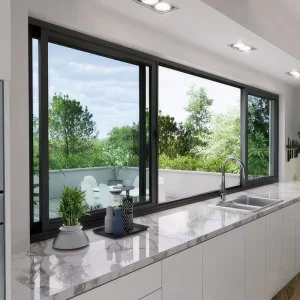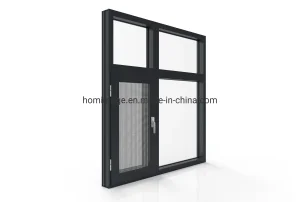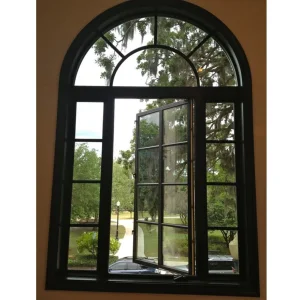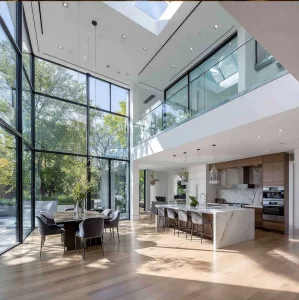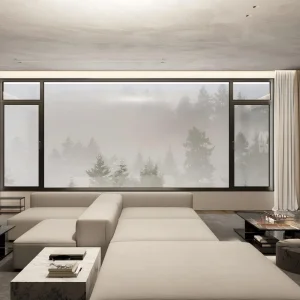
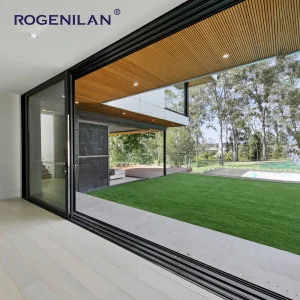
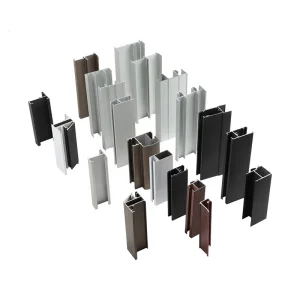
In modern commercial real estate, high-density residential developments, and strategic public infrastructure, privacy screening is no longer just a visual separator. Rather, it represents a core structural component that serves multiple engineering purposes. Key considerations include architectural visual division, acoustic attenuation, high-strength wind load management, solar heat gain coefficient (SHGC) control, and overall facade integration. Custom OEM aluminum privacy screens have evolved from simple fencing panels into highly complex, specialized elements that facade engineers specify using detailed mechanical calculations.
For global procurement offices, real estate development groups, and OEM importers, sourcing architectural louvers or laser-cut panels requires a manufacturer capable of moving from 3D CAD/BIM modeling to advanced extrusion and surface treatments without losing precision. Performance under wind loads, compliance with local building regulations (like the ASCE 7 in the United States or AS1288/AS2047 in Australia), and durability under UV exposure and coastal saline environments dictate whether a project remains maintenance-free or faces expensive remediation.
Foshan ORM Windows Co., Ltd. has established a strong reputation over more than a decade in architectural aluminum fabrication. Established in 2011, ORM Windows operates from a modern manufacturing facility covering more than 20,000 square meters. Our team of over 280 skilled professionals specializes in high-performance aluminum window systems, double-glazed window and door frameworks, thermal break technology, and specialized architectural aluminum extrusions.
By applying our precision extrusion processing, architectural glass integrations, and heavy-duty structural testing to OEM aluminum privacy screens, we offer engineering capabilities that standard metal-working shops cannot match. Our systems are backed by a complete manufacturing and quality check cycle. This process begins with precise alloy composition verification and extends to hardware stress validation and AAMA-compliant powder coat finishes, ensuring every element stands up to tough site conditions.
Designing privacy screens for skyscrapers, hotel balconies, and industrial utility enclosures requires choosing the correct aluminum alloy temper and finish. Depending on structural requirements, projects usually specify either 6063-T5 (excellent surface finish, complex profiles) or 6061-T6 (higher yield strength for high-wind facades). Below is a typical engineering breakdown:
| Parameters & Standards | 6063-T5 Specification | 6061-T6 Specification | Engineering Application Guidance |
|---|---|---|---|
| Tensile Strength (MPa) | ≥ 186 MPa | ≥ 290 MPa | 6061-T6 for high-rise facade & high wind load areas. |
| Yield Strength (MPa) | ≥ 145 MPa | ≥ 241 MPa | Determines allowable elastic deformation limits. |
| AAMA Coating Compliance | AAMA 2604 / AAMA 2605 | AAMA 2604 / AAMA 2605 | Fluoropolymer (PVDF) for salt-spray exposure up to 10 years. |
| Thickness Range | 1.5mm - 3.0mm | 2.0mm - 5.0mm | Varies based on wind load and perforation patterns. |
| Perforation Tolerances | ± 0.2 mm (CNC Punching) | ± 0.1 mm (Laser Fiber) | Ensures flawless visual alignment across multi-panel runs. |
Modern urban architectures require custom-engineered privacy screens that address distinct real-world situations:
We are integrating mechanical smart linkages with motorized louvers that adjust to solar tracking data. This allows facades to dynamically maximize interior daylight while minimizing HVAC thermal load.
Using proprietary computational design tools, we turn complex images or gradients into precise perforated distributions across hundreds of individual panels, creating distinctive facade artwork.
We are improving our PVDF and powder-coating processes to exceed 4,000 hours of salt spray testing. This provides reliable corrosion resistance for beachfront installations.
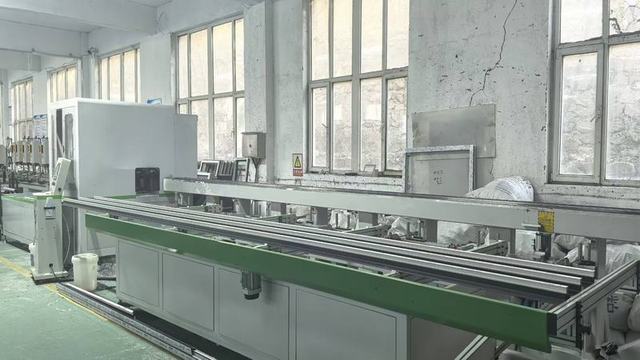
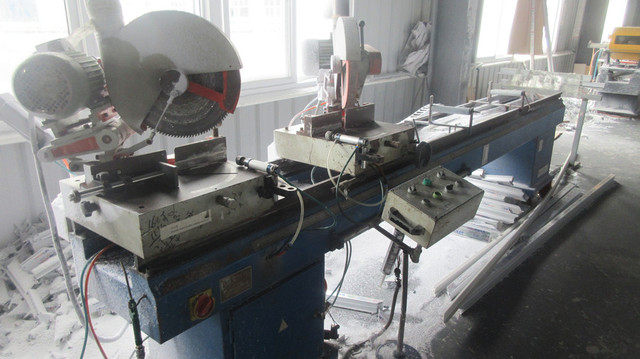
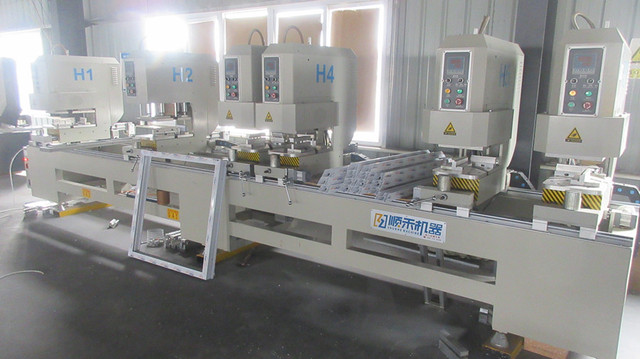
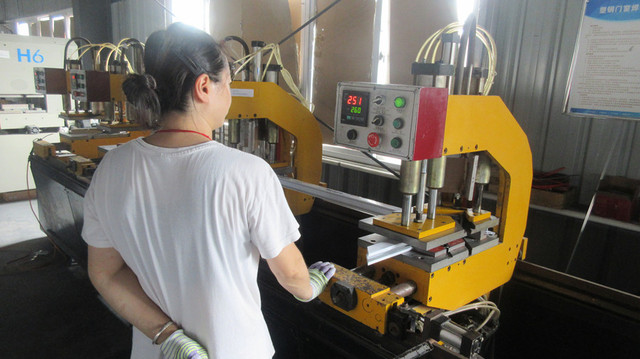
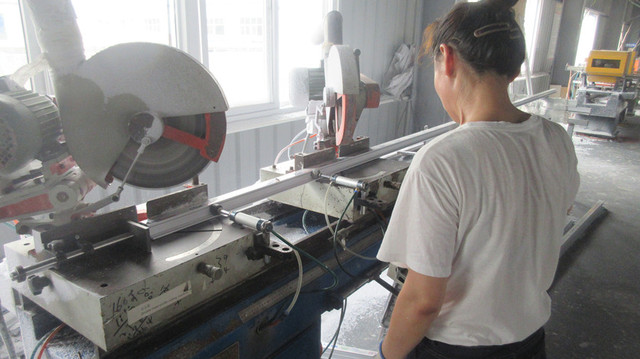
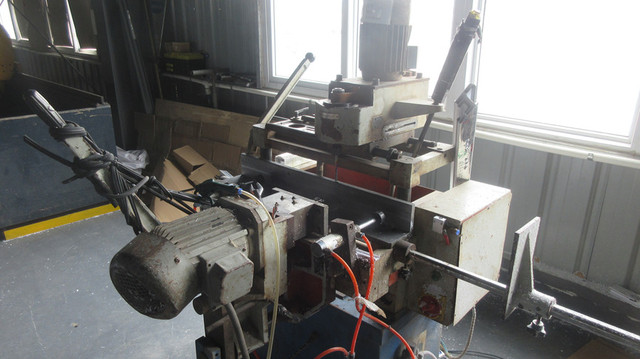
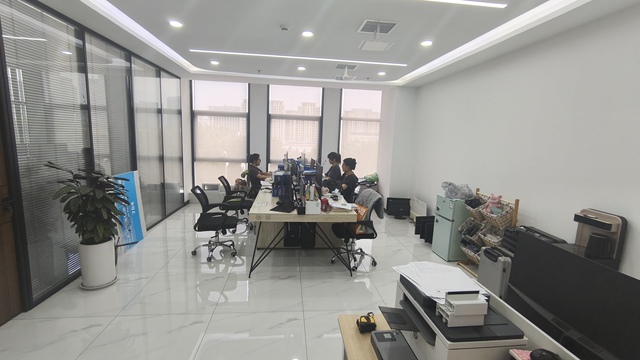
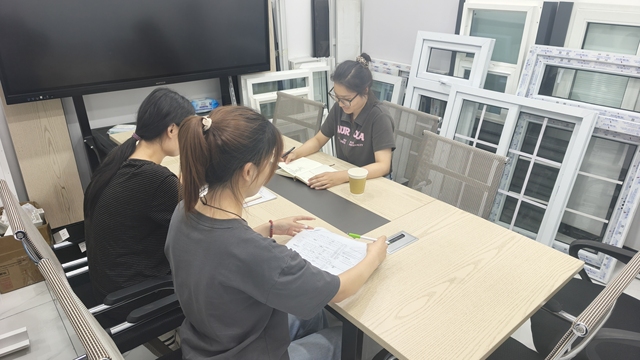
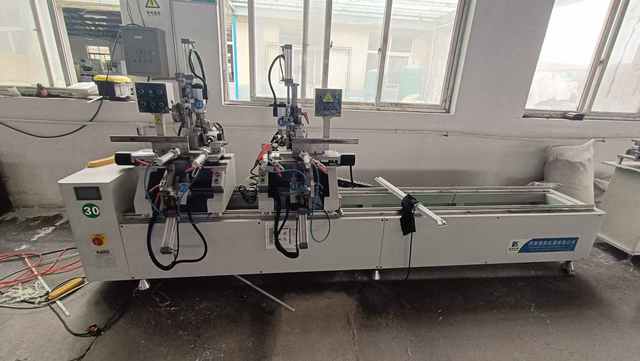
Our 20,000 square meter facility houses advanced machinery, including automatic CNC profile centers, professional welding systems, and structural assembly bays. Below is an inside look at our manufacturing facilities:
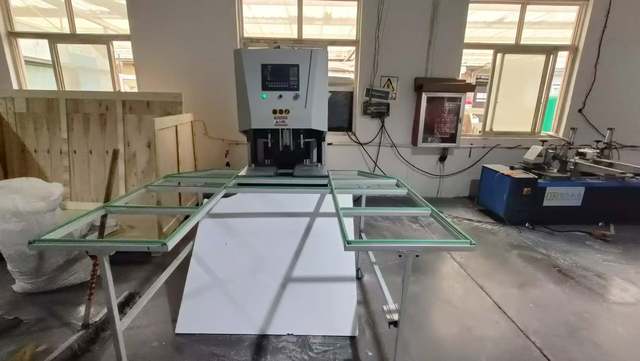
Exporting structural building components worldwide requires a clear understanding of regional safety standards. A privacy screen must do more than look good; it must act as a reliable structural barrier. When used as balustrades or high-altitude facade components, screens must withstand mechanical pressure, human impacts, and extreme local wind patterns.
At ORM, our engineers design to ensure our aluminum screens meet international safety parameters. In North America, we verify calculations against ASCE 7 load combinations to satisfy regional wind codes. In Europe, our assemblies align with CE norms, and for the Oceania market, we test to ensure compliance with Australian AS1288 glass and AS2047 framing specifications. By utilizing high-purity raw materials and maintaining tight manufacturing tolerances, we eliminate structural weak spots, preventing failures from high-stress cycles.
Additionally, our finishing processes are tailored to match local environments. Projects built near coastlines benefit from heavy-duty PVDF coatings that withstand salt and high UV levels. For developments in dry, urban areas, we offer durable powder coats that resist impacts and scratches. By managing the production cycle in-house, we help ensure your products arrive ready for inspection.
Find answers to common technical, logistics, and material questions about architectural privacy screens.
 ORM Windows